Organisations using Fortinet services are urged to investigate whether they have been affected by global targeting of firewalls and VPN gateways and should follow mitigation advice to help defend against the threat.
For more information ⬇️
https://t.co/tqUG8TyxEL
VS Code WARNING: 3800 repos hacked
GitHub just confirmed a massive breach affecting 3,800 repos after an employee installed a malicious VS Code extension. Here is why you must be careful with your browser and IDE plugins.
#github#vscode#extensions
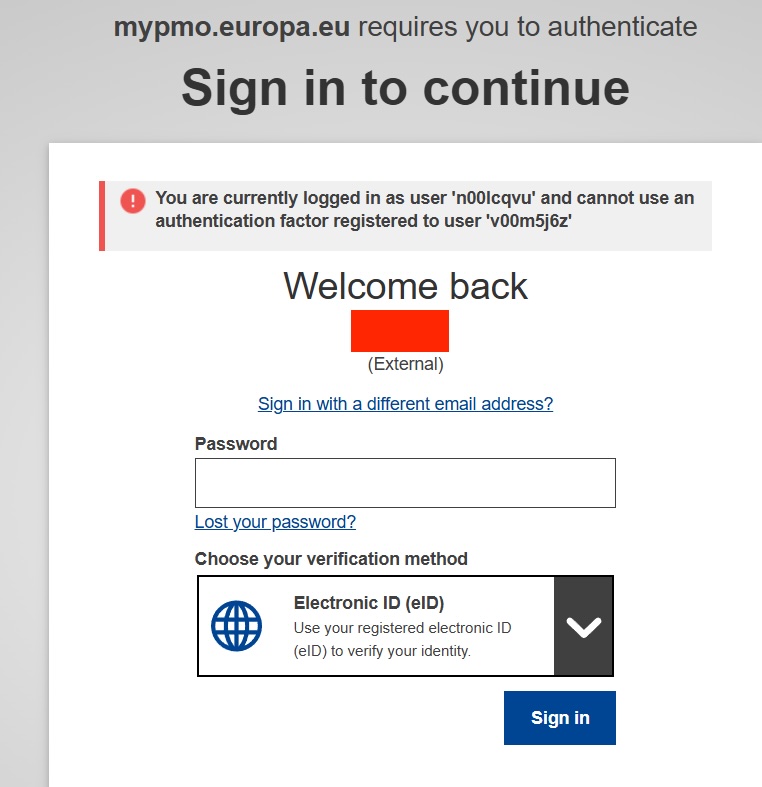
🚨 MASSIVE CYBERATTACK: The EU Commission, ENISA, and the DG for Digital Services have been compromised by threat actor ShinyHunters.
Leaked data includes:
▪️ Emails & attachments
▪️ Full SSO user directory
▪️ DKIM signing keys
▪️ AWS config snapshots
▪️ NextCloud/Athena data
▪️ Internal admin URLs
It's a mess!
🚨‼️ BREAKING: Adobe has been breached by threat actor Mr. Raccoon, leaking 13 million support tickets with personal data, 15,000 employee records, all HackerOne submissions, internal documents and more.
Mr. Raccoon gained access through an Indian BPO, first deploying a remote access tool on an employee, then phishing their manager.
Mr. Raccoon told us: "They allowed you to export all tickets in one request from an agent."
The Stryker breach just got worse.
After the initial compromise - attributed to Iranian-linked group Handala Hack - attackers used legitimate Microsoft Intune admin credentials to issue remote-wipe commands across corporate devices globally.
They didn't deploy malware. They didn't exploit a vulnerability. They logged into the management console with valid credentials and pressed the wipe button.
Thousands of corporate devices. Ordering systems down. Manufacturing disrupted. Shipping halted. All through a tool designed to protect those devices.
CISA and the FBI are now directly engaged. CISA issued an advisory urging every enterprise to harden Microsoft Intune and endpoint management platforms immediately.
This is the part that should keep security leaders up at night: the attackers used the admin tooling exactly as it was designed to be used. The commands were legitimate. The credentials were valid. The actions were authorised - just not by the right people.
This is what living-off-the-land looks like in 2026. No custom malware to detect. No anomalous network traffic to flag. Just someone with the right credentials doing what the platform was built to do.
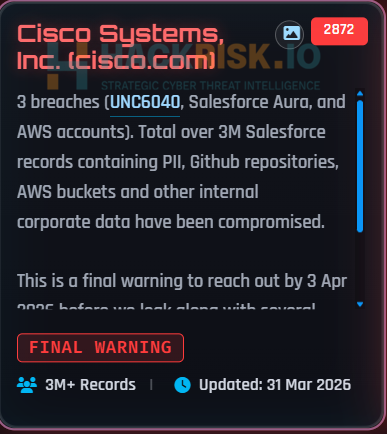
And it's not an isolated pattern. Same week: Interlock ransomware exploiting Cisco's Firewall Management Center for 36 days before disclosure. ConnectWise ScreenConnect flaw allowing remote session hijacking. Oracle EBS zero-day hitting 100+ organisations including Michelin.
Four management-plane attacks in one week. All targeting the tools that run the infrastructure, not the infrastructure itself.
Now here's where this gets uncomfortable for anyone deploying AI agents at enterprise scale.
Your AI agents authenticate with API keys. They connect to CRMs, email, code repos, and production databases. They operate with persistent credentials, often with broad permissions, often stored locally in plaintext. They access external tools through MCP servers that most security teams haven't assessed.
That's a management plane nobody is governing yet.
If attackers are compromising Microsoft Intune - a platform with decades of security investment, dedicated security teams, and enterprise hardening - what happens when they discover that your AI agent has admin access to HubSpot, GitHub, and Slack with an API key sitting in a JSON file on a Mac mini?
The Stryker incident isn't just a breach story. It's a preview of what happens when management-plane access isn't treated as the highest-value target in your environment.
AI agents are the newest management plane. Treat them like one before someone else does.
More info: https://t.co/6MTRk0mDE8
Tax codes — whether it’s the UK’s “1257L”, a US TIN/ITIN, or Scandinavian personal tax identifiers — sit quietly in payroll systems, HR platforms, and email threads. They’re not flashy like #passwords.
https://t.co/7kRUZRa4D5
.@salesforce says the ShinyHunters cybercrime group exploited misconfigured Experience Cloud sites, abusing guest user permissions to access data across hundreds of organizations. #cybersecurity#infosec#CISO#ITsecurity https://t.co/xj0xugpypX
Google disrupted a Chinese-linked hacking group that breached at least 53 organizations across 42 countries, the company said Wednesday.
#cybersecurity
https://t.co/W1w0IJLcIf
Researchers Found an Unprotected Database Containing Billions of Records, Including Over 1 Billion Social Security Numbers.
Security firm UpGuard identified an Elasticsearch database sitting wide open on the internet with no authentication required. Inside were two massive datasets: one containing roughly 3 billion records with email addresses and passwords, and another with 2.7 billion records that included Social Security numbers. The origin of the database and how long it remained exposed remain unclear.
https://t.co/6vcxZ2iYeV
🚨Cyberattack Alert ‼️
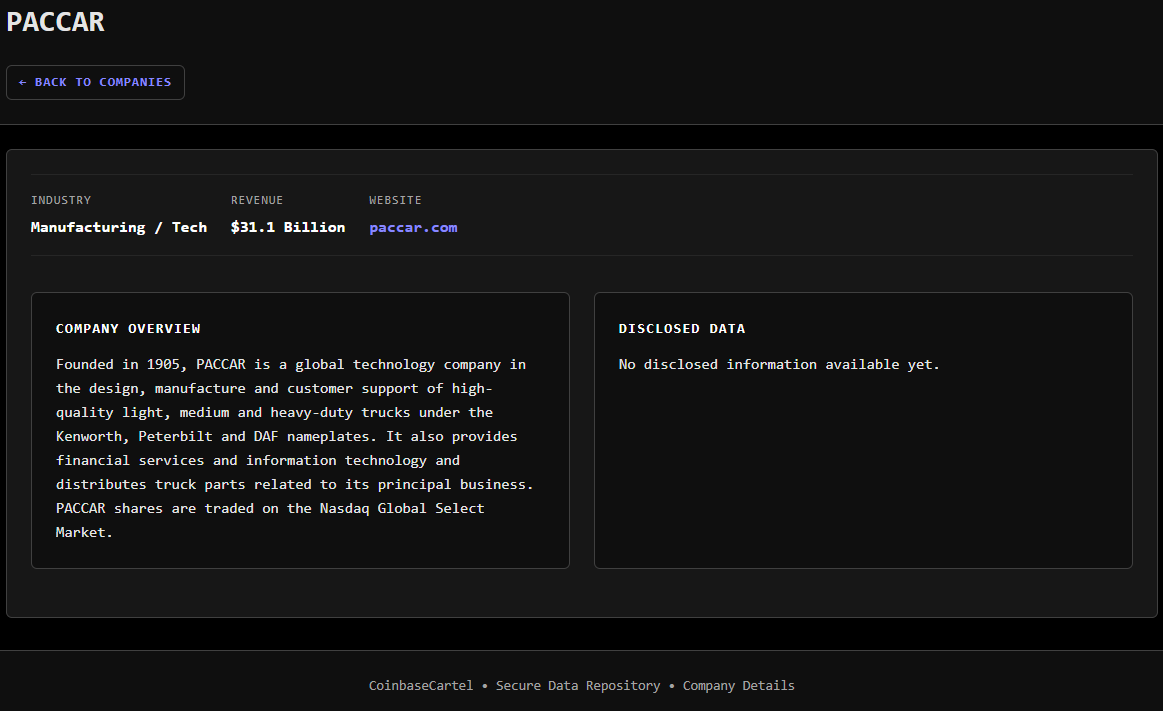
🇺🇸USA - PACCAR
Coinbase Cartel hacking group claims to have breached PACCAR.
Sector: Manufacturing
Threat class: Cybercrime
Observed: Nov 13, 2025
Status: Pending verification
—
About this post:
Hackmanac provides early warning and cyber situational awareness through its social channels. This alert is based on publicly available information that our analysts retrieved from clear and dark web sources. No confidential or proprietary data was downloaded, copied, or redistributed, and sensitive details were redacted from the attached screenshot(s).
For more details about this incident, our ESIX impact score, and additional context, visit https://t.co/eB7qgxLdpI.
Researchers pointed a satellite dish at the sky for 3 years and monitored what unencrypted data it picked up. The results were shocking: They obtained thousands of T-Mobile users' phone calls and texts, military and law enforcement secrets, much more: https://t.co/ZT0nAJch7s🧵👇