Portrait of Timothy Behrens, 1962, Michael Andrews, Thyssen-Bornemisza. Michael Andrews shared with the other members of the so-called School of London an interest in the human figure and a profound distate for academic naturalism.
Portrait of Farmer, 1906, Paul Cézanne, Thyssen-Bornemisza Museum, Madrid. This painting belongs to a set of outdoor portraits painted by Cézanne in Aix-en-Provence at the end of his life. #cezanne
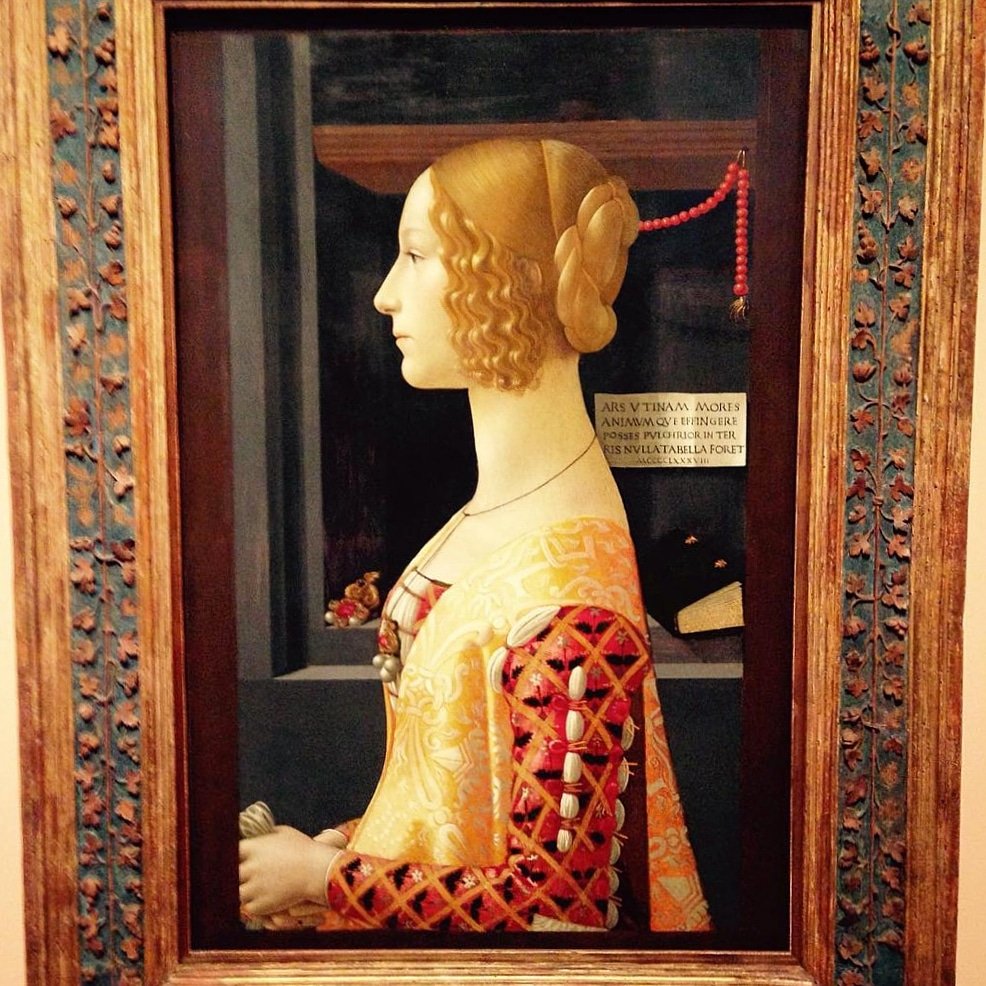
Portrait of Giovanna Tornabuoni, 1490, Domenico Ghirlandaio. This superb painting is a fine example of fifteenth-century Florentine art. Artists of this time followed classical dictates: body proportions were idealised while faces left devoid of expression were expected.
Rose d'Or, 1330, Cluny Museum, Paris. Every year, on the fourth Sunday of Lent, the pope offered a rose of gold to one of his faithful whom he wanted to distinguish especially for religious or political reasons. #Cluny
Box: Assault of castle of love, 1310, Museum of Cluny, Paris. This ivory box represents a set of scenes related to courtly love. On cover, the assault of the castle is indeed represented allegorically: ladies shoot flowers as arrows while a tournament is the fight in love. #cluny
Sculpture of Saint Anthony the Hermit, first third of the 15th century, Museum of Cluny, Paris. Saint Anthony the Hermit is a monk considered as the Father of Christian monasticism. #museedecluny
Anthropoid Sarcophagus; portrait of a bearded man, 4th BC. This sarcophagus was discovered in the royal necropolis of Sidon, Lebanon. Department of Oriental Antiquities of the Louvre Museum.
We're deeply sad the fire that occurred in the National Museum of Rio de Janeiro, which celebrated 200 years preserving, investigating and disseminating an invaluable collection. A tragedy for the cultural heritage of humanity.
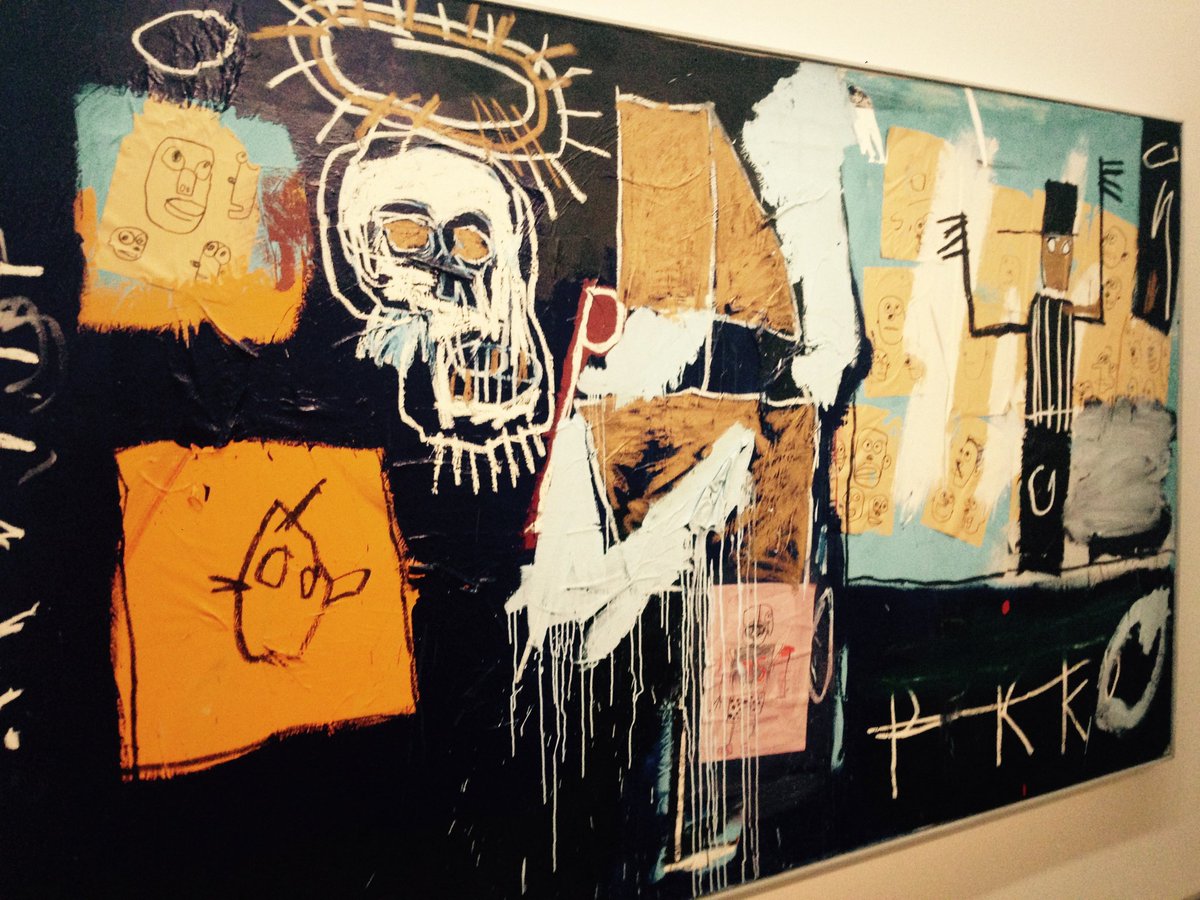
Slave auction, 1982 Jean-Michel Basquiat, Centre Pompidou. American artist of Puerto Rican and Haiti origin, Basquiat was able to assimilate the mix of cultures in a prolific and critical work that mixes, like a palimpsest, drawing, painting and collage to a tormented writing.
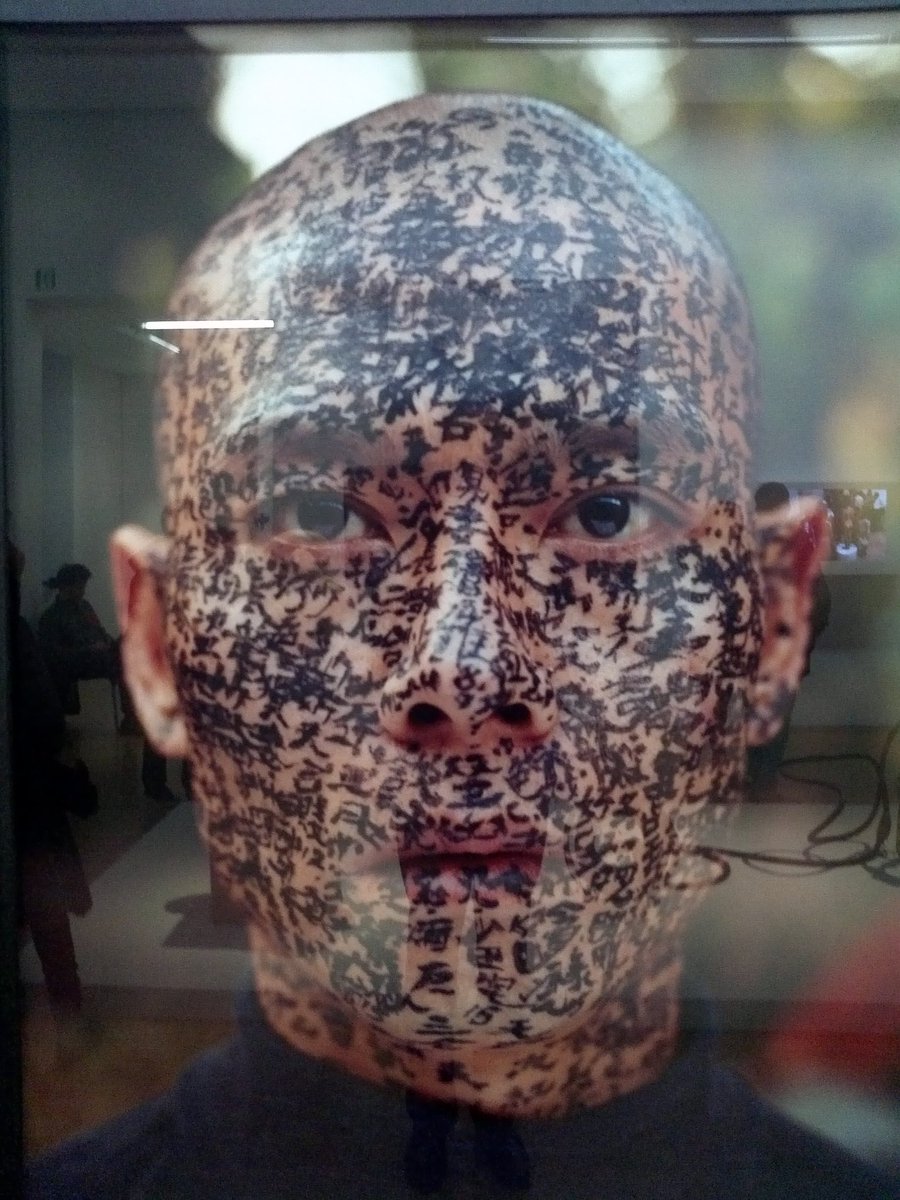
Family tree, 2001, Zhang Huan, Center Pompidou. With a family tree, made less than two years after his move to New York, Zhang offered his face as surface in which words, names and stories linked to his cultural heritage are literally written. This work is documented in 9 photos
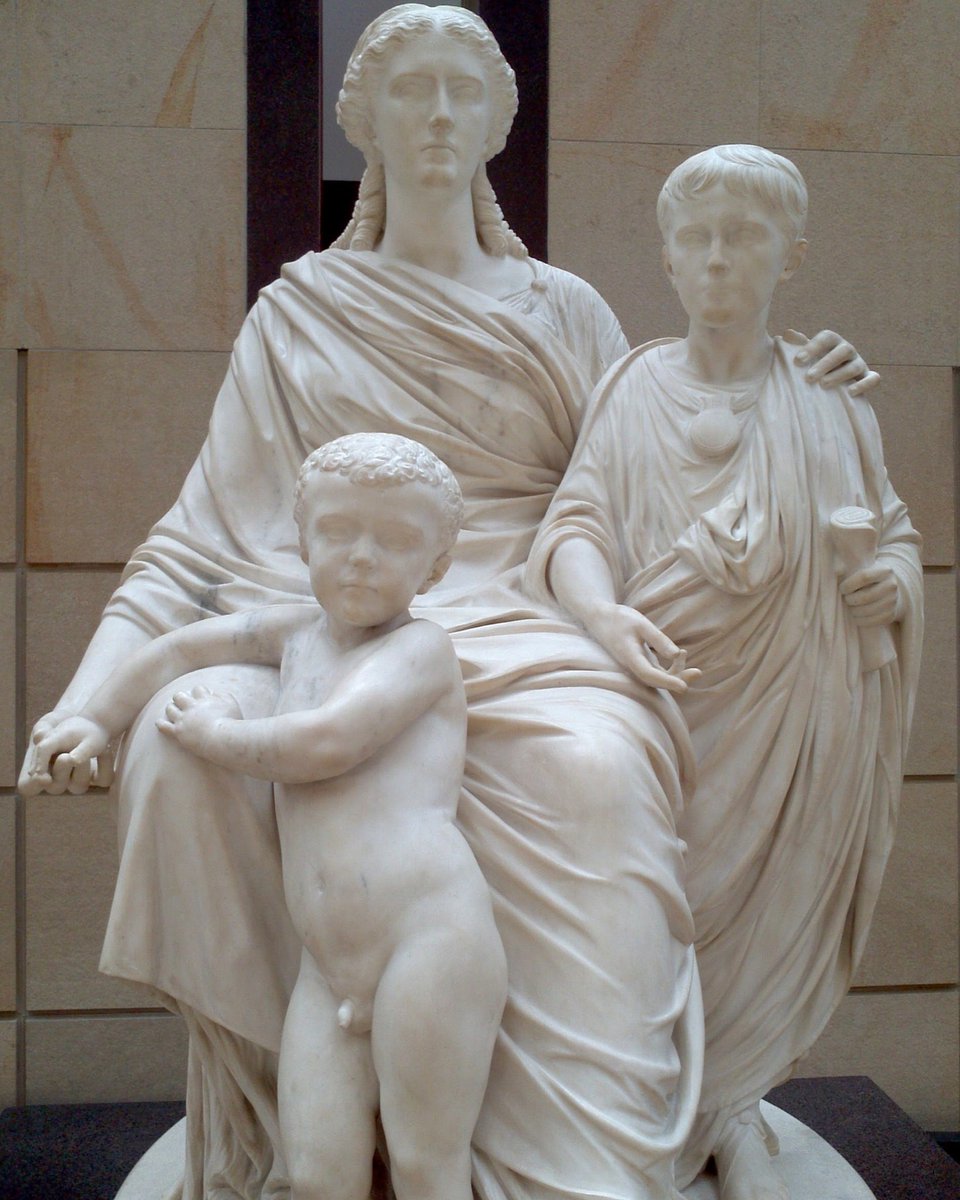
Cornelia, mother of the Gracques, 1861, Jules Cavelier, Orsay. This sculpture features heroes from Roman antiquity: Caius and Tiberius Gracchus and Cornelia, their mother. The pyramidal construction, the attitudes allow to detect the psychology of characters.
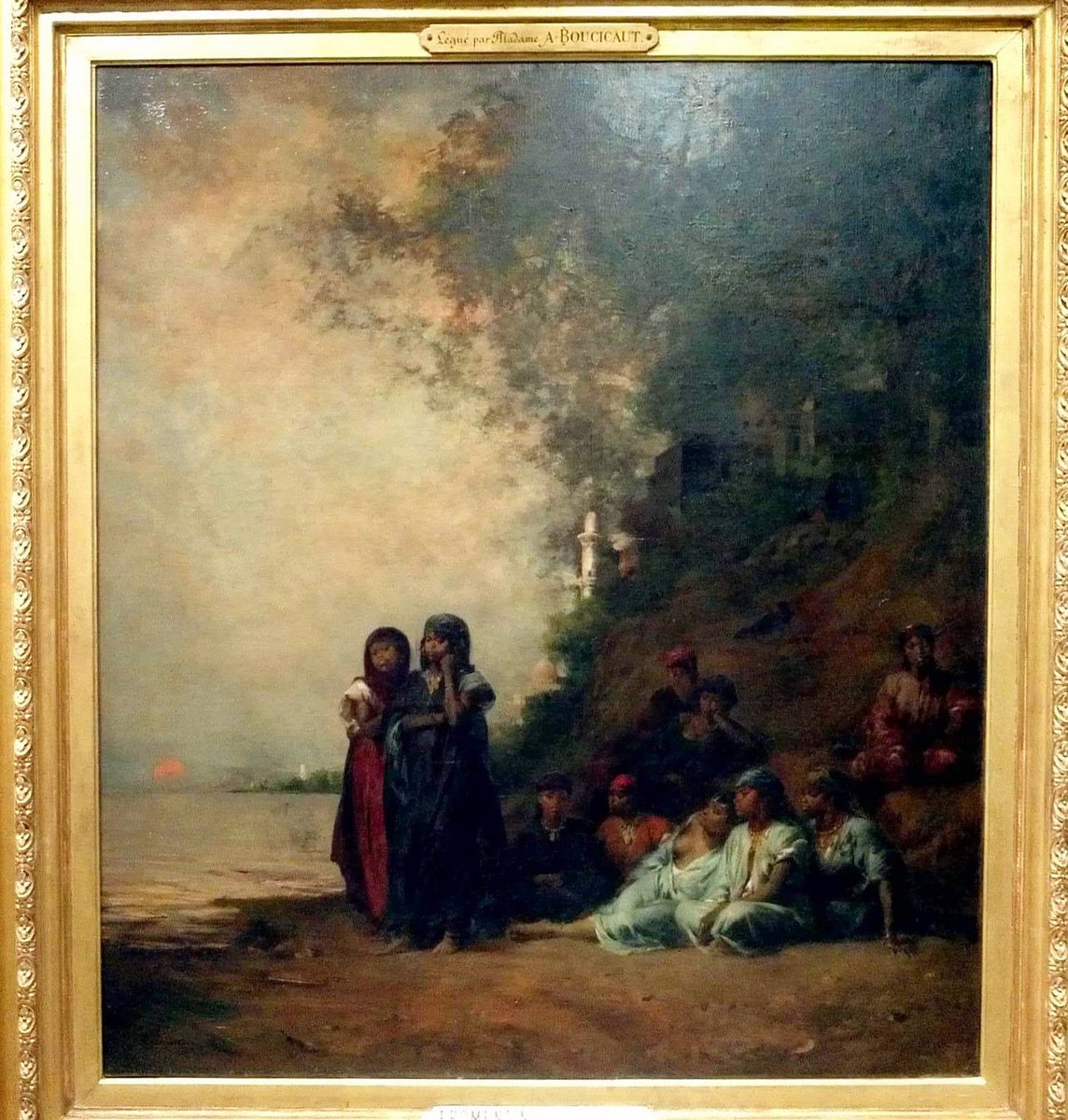
Souvenir of Ezneh, also known as Egyptian Women on the Nile, 1876, Eugene Fromentin. Orientalism, a term used since 1830, does not designate a style but rather a climate that appears in seventeenth century and developed in French painting in eighteenth and nineteenth centuries.
The clock of Musée d'Orsay (Paris) is one of the only remains of the time when this museum was a station. Inaugurated in 1900 on the occasion of the Universal Exhibition. In 1986 it's transformed into a museum and today it remains the great hall of 32 meters high and famous clock
Exhibition Asia: the Land, the Men, the Gods, Oscar Niemeyer Museum, Curitiba / Brazil. This rickshaw has a spectacular decoration in prints of strong colors blurring the boundaries between art and crafts.
In the Han Dynasty (206 BC to 220 AD), it was believed that the terracotta figures and other materials placed in the tombs of the emperors and the high aristocracy would accompany them in the afterlife.
Chinese Buddhist sculpture has been produced throughout the history of Buddhism in China. Sculptural pieces include representations of Siddhartha Gautama, often known as the "Enlightened One".