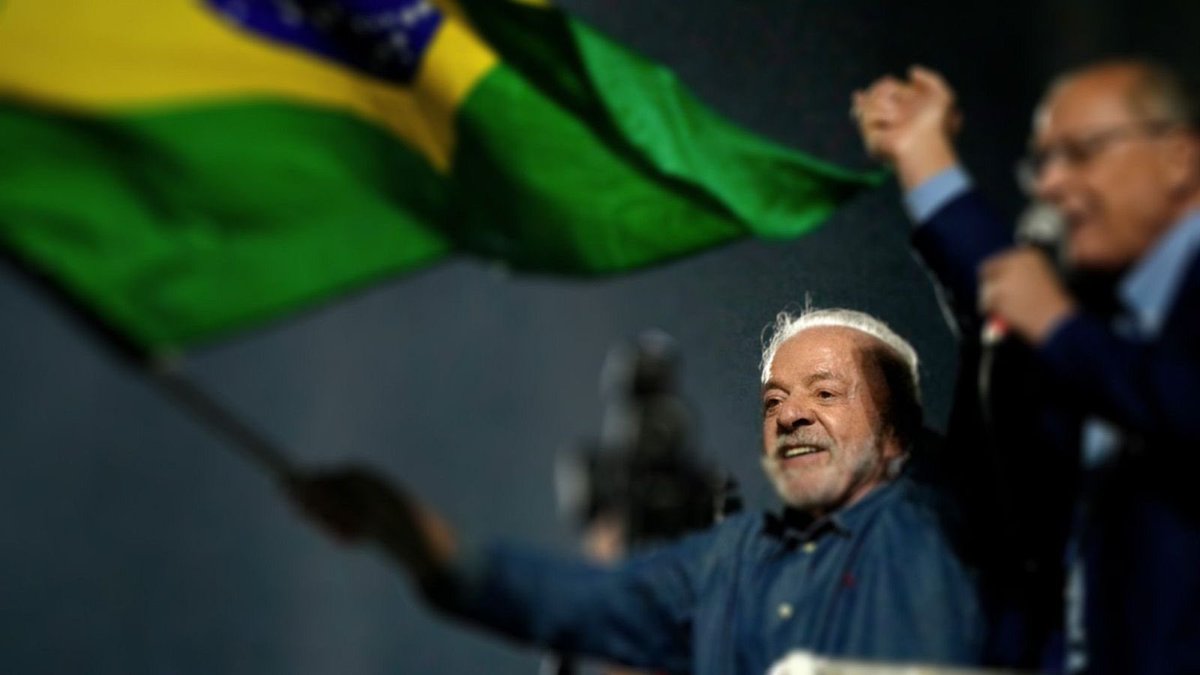
The New York Times just published an editorial admitting something remarkable: Lula da Silva is the most important political leader in the Americas in the 21st century.
For a media outlet that traditionally champions the Western establishment, this is a profound shift. Why is the institutional voice of the liberal world suddenly praising a former factory worker from the Global South?
They aren't doing it out of charity. They are doing it because they are witnessing the undeniable force of the Brazilian working class.
When the algorithms and the polls said he would lose, millions of ordinary people—from the favelas of Rio to the small towns in the Northeast—took to the streets. They didn't just vote for a politician; they mobilized for their own dignity. They voted for public hospitals that actually work, for wages that cover the cost of living, and for a country that belongs to its people.
Lula represents a vision of the world that the old powers are struggling to accept.
He represents a Latin America that is not a backyard, but a sovereign partner. A vision where a nation's wealth—its oil, its rare earth minerals—is used to build local infrastructure and fund social programs, rather than being quietly extracted to feed foreign supply chains. A vision where a country can advocate for peace, stand in solidarity with Palestine, and help build a multipolar world.
The Western establishment is realizing they can no longer dictate Brazil's future through economic pressure, digital censorship, or proxy politicians. They are forced to respect Lula because the people who elected him refuse to be marginalized.
But the true measure of Lula’s importance isn't found in the praise of foreign newspapers.
It is found in the missing finger from a metalworking press. It is found in the millions who organized digitally to bypass censorship. It is found in a working class that looked at impossible odds and decided to build a better world.
When the world's most powerful institutions have to acknowledge a metalworker, you know the old order is changing.
And it is the people who are leading the way.
⚠️ATENÇÃO, SOLDADOS: a voz do povo não pode ficar de fora!
Fux marcou audiência dia 3/11 sobre as bets. Empresas e clubes entram. Saúde, consumidor e infância ficam de fora
39 organizações pediram e foram negadas
Vendas de supermercados subiram 6,5% e 6,3% após a proibição
O povo é soberano
#BetsNuncaMais
#Opinión 🇧🇷 | Mientras América Latina experimentaba una sucesión de victorias electorales de derecha, Luiz Inácio Lula da Silva consiguió su reelección en Brasil. El resultado no solamente prolonga la permanencia de la izquierda en el poder de la mayor economía latinoamericana: también conserva en sus manos una de las herramientas de influencia política, económica y diplomática más importantes del continente