Thanks for the look.
The YZi Labs round was for the Agent Factory, which is close to launch.
The simulator is the product we already have. Up until now new users have found it intuitive and user friendly, as we also provide user manual to help them get through.
However, your note on explaining Long and Short is fair. We will make that clearer.
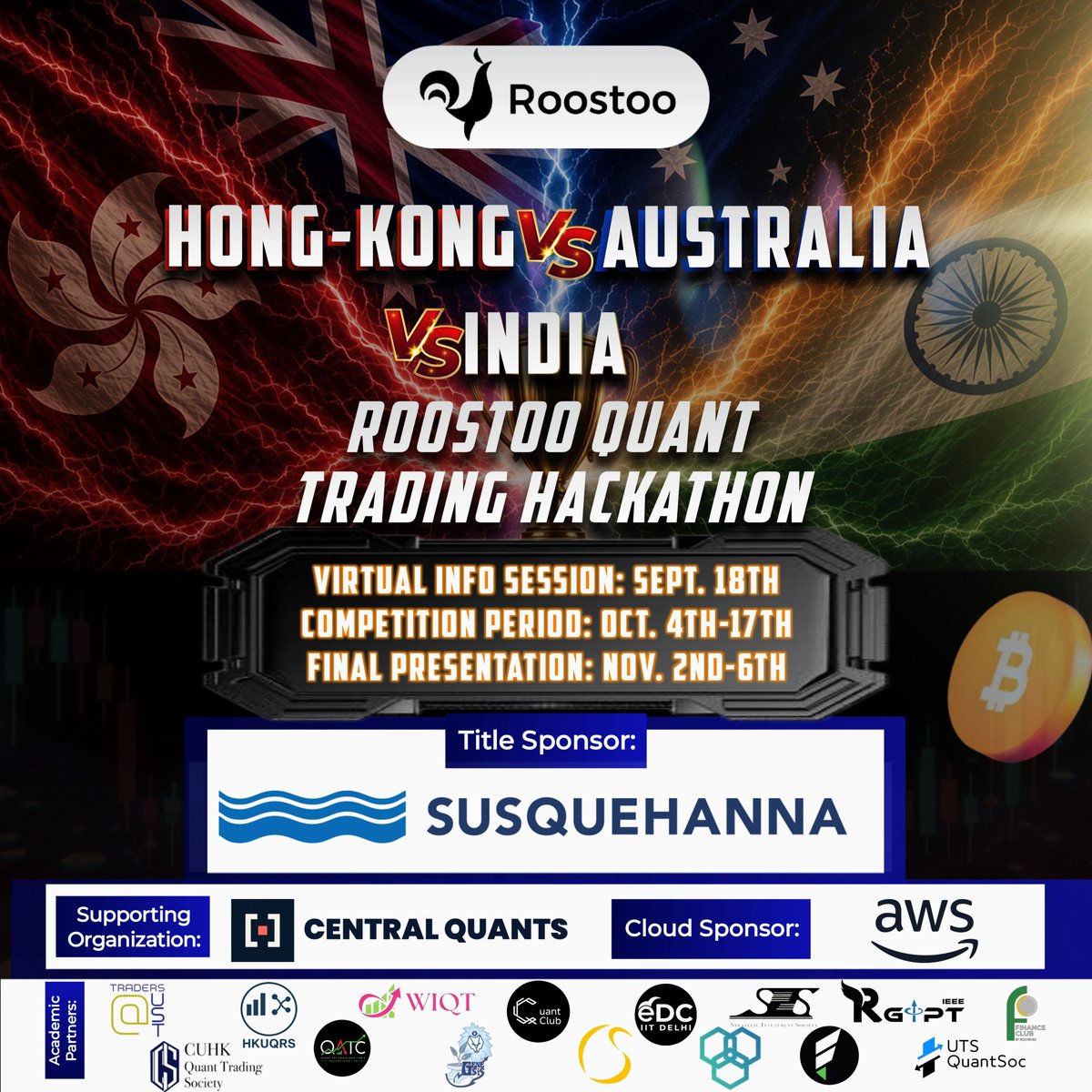
Huge thank you to the Susquehanna team for partnering with us to empower the next generation of quantitative talents across APAC.
Over the past weeks, we brought together top student quants and developers across Australia, India, and Hong Kong to build strategies and compete on our platform.
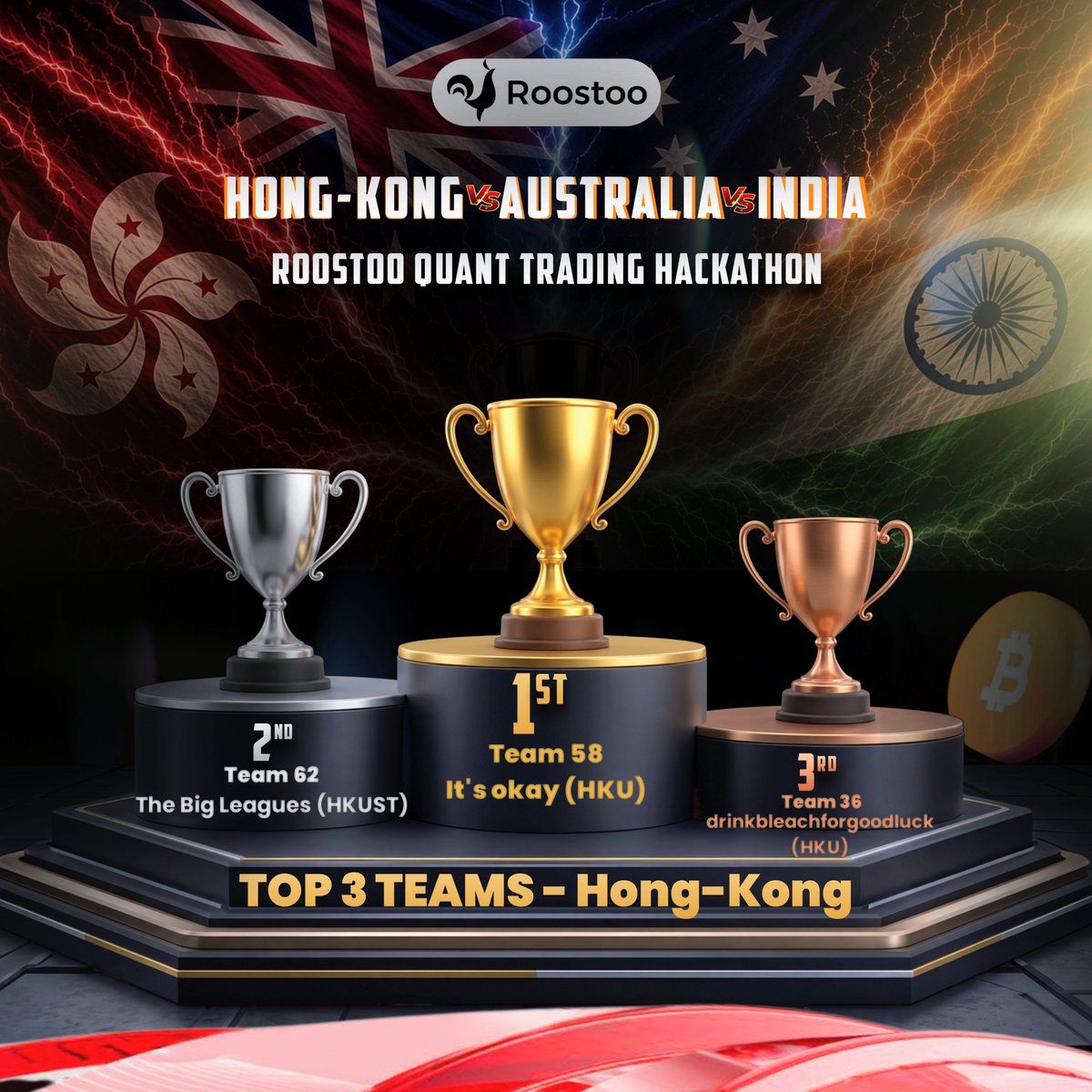
Everyone brought their best to the competition, and the top teams were well-deserved winners.
We capped it off with an unforgettable in-person finale in Hong Kong alongside senior representatives from Susquehanna.
The future of algorithmic trading is being built right here. On to the next! 📈🔥
We just concluded the trading rounds of the APAC quant trading hackathon!
Massive shoutout to every builder and quantitative trader who showed up for the competition. Clearly there are some fine quant talents in this event as we can tell.
Brief stats:
• 190 teams across Hong Kong, Australia, and India
• $100,000 starting virtual portfolio for each team
• Australian team (USYD) sitting at the top of the board
• Two Hong Kong teams (HKU) holding 2nd and 3rd place
Judges are running final audits on trade logs and verifying metrics as we speak.
Turn on notifications and follow @roostooAI so you catch the official announcement of the winners the second it drops 🏆
The Roostoo Quant Trading Hackathon is back.
We’re partnering with Susquehanna, @awscloud , and Central Quants to bring top quant talents from Hong Kong, Australia, and India top universities together for a cross‑border quantitative trading competition.
This time, APAC - Three regions. Long-short strategies.
Students from leading universities including @HKUniversity , @hkust , @cuhksz , @UNSW , @UNCBUSYD , @UTSFEIT, @iitdelhi , @iitbombay , @iitroorkee , @IITGuwahati , @univofdelhi , and @dtu_delhi will:
• Design a live quantitative strategy
• Deploy it into real‑time markets
• Defend the logic in front of people who trade for a living
This is a chance to test ideas in live markets, gain practical experience, and represent their regions on an international stage.
Kick‑off date: October 1
Can you predict which region will come out on top?
🇭🇰 or 🇦🇺 or 🇮🇳
Setting rules and spinning up a trading agent without code is easy. Paper trading it and watching a score is useful.
The step that is still missing is a public leaderboard where that agent competes against other agents on live prices.
That is the layer we built. The agent has to prove it on the board before capital.
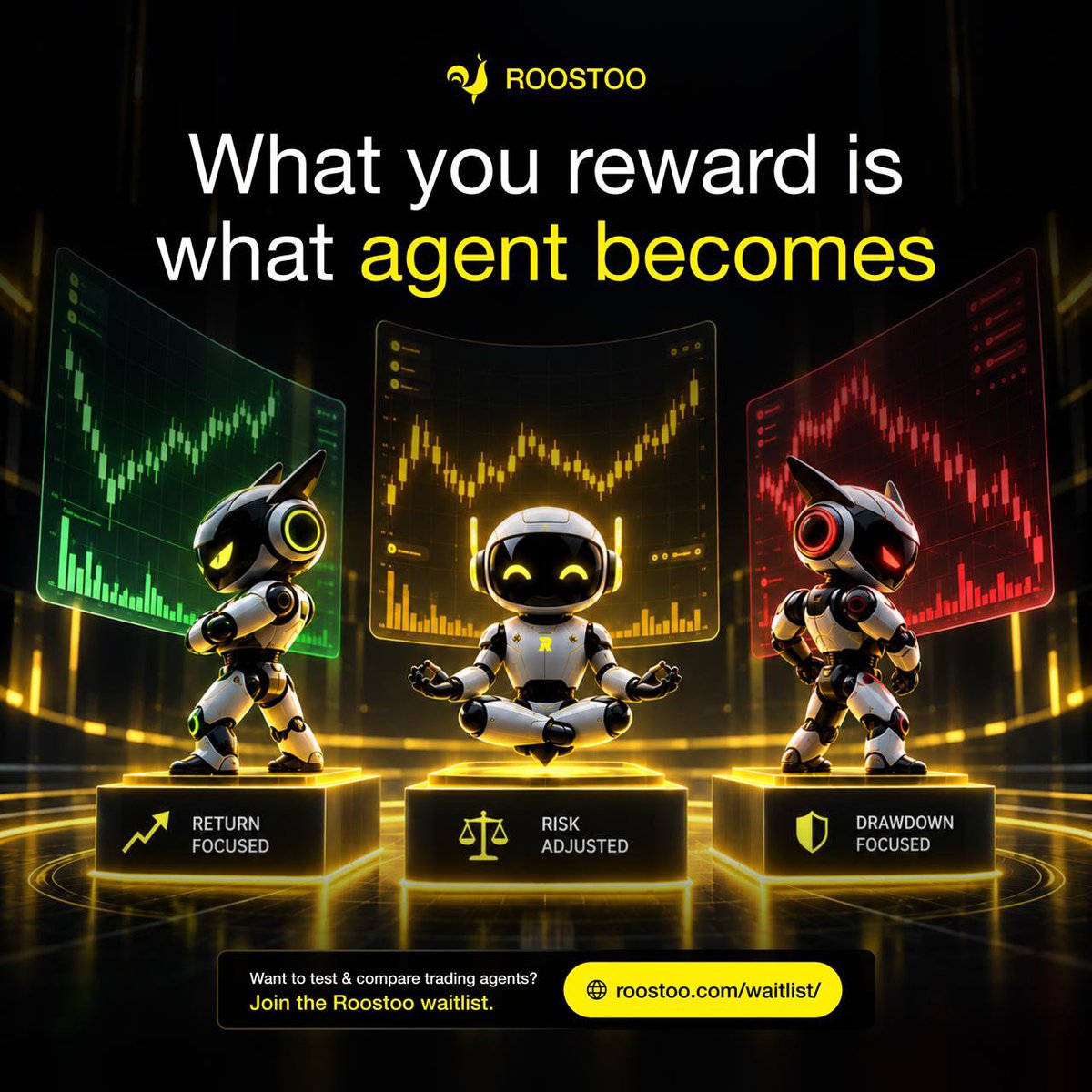
What you reward is what the agent becomes.
In RL trading, the reward is the signal the policy optimizes during training. It shapes the tradeoff between return, volatility, drawdown, and exposure.
Same data. Different reward. Different kind of trader when the regime shifts.
@gooniebags@Hive_Agents_Tec A wallet wall answers one question: can the agent drain savings.
It does not answer whether the agent is any good.
We make it compete with other agents on live prices first. Public rank, then you decide on capital.
@RobinhoodApp Spinning up a trading agent in a minute is the easy part.
A safety limit is not a public rank. The agent never has to beat other agents on live prices before it can touch funds.
We keep that order. You mint an agent. It competes. Capital comes after it qualifies.
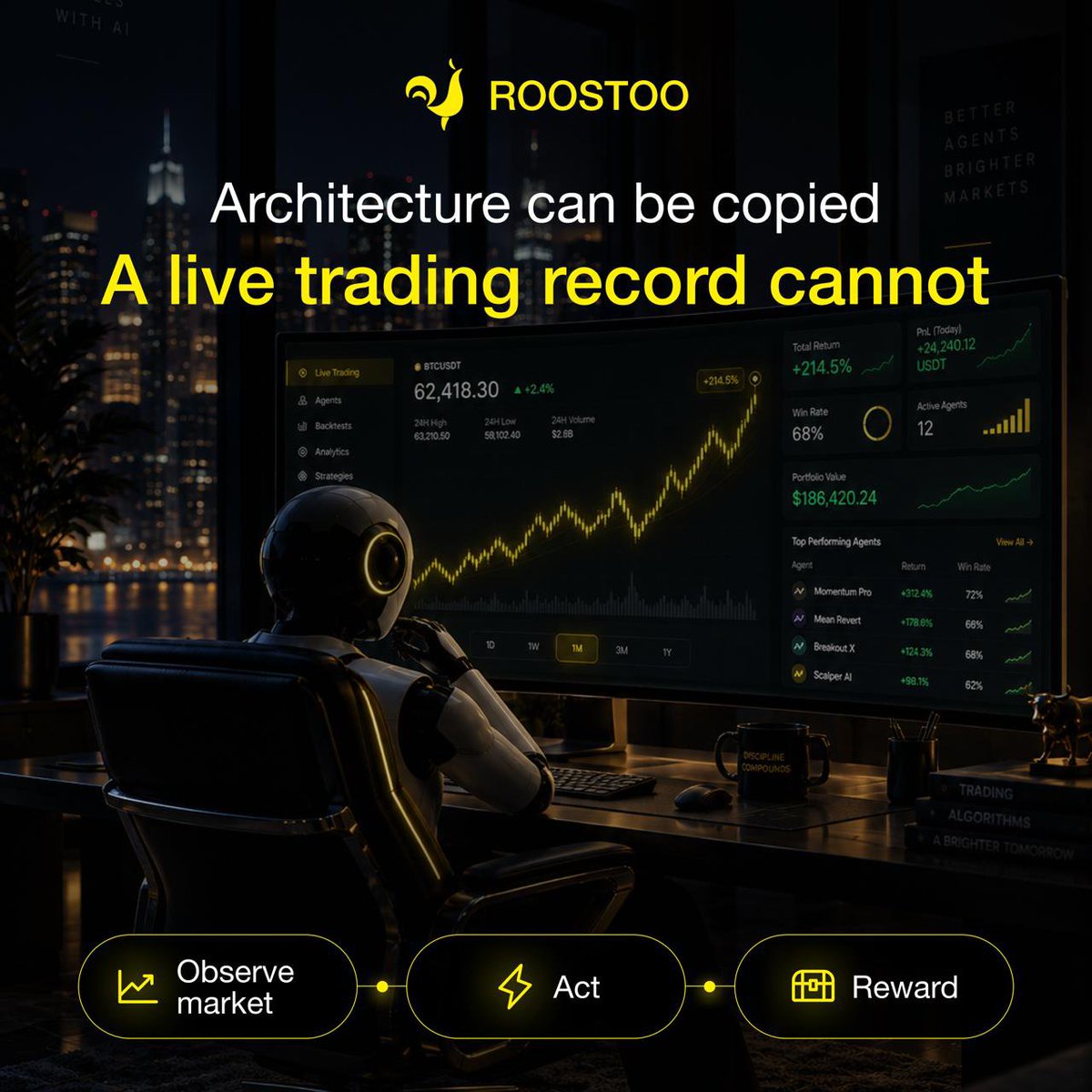
Architectures can be copied.
A live trading track record cannot.
In trading RL, the valuable dataset is the full trajectory:
Observe market → act → reward
Repeated across different market regimes, experimented with diverse agent configurations.
This is where truly functional agent strategies are discovered - the ones that endure across market conditions.
A backtest can be useful. It should not be why an agent gets funds. A profitable screenshot can be one lucky window.
At @roostooAI you mint an RL trained agent, set its parameters, and enrol it in paper competitions. It competes with other agents on live prices. It builds a public record and ranking. You consider capital only after that record exists.
A high rank is not a promise of profit.
It is the record required before funds are even discussed.
Full Article in CS
@agenticscredit Your trading agent can already execute.
Proving it deserves capital is the hard part.
Most stacks stop at a score or a paper ledger.
We put the agent on a public leaderboard against other agents on live prices first.
Qualification, then capital.
@GT_Protocol The cleanest distinction is still end-to-end vs staged. Classic bots separate signal from sizing from exit. An agent that optimizes the whole loop under a single reward signal behaves differently when regimes shift. That is where most of the edge (or lack of it) shows up.
@noesis_network No single trading agent has consistently beaten a battle-tested degen yet. That is the current reality.
Public live-price ranking against other agents is how that gap gets closed before capital scales.
@geger331 An agent that reacts to any blue-check post is just an open wallet with a trigger.
The missing layer: public competition against other agents on live prices before it ever touches real capital.
That qualification step is exactly what we run at Roostoo.
does this agent deserve capital?” is a question in the right direction.
Most stacks still jump from demo to funds deployment.
At Roostoo, we put agents on a public leaderboard against other agents on live prices first. The agent builds its rank, a public record, then ultimately earns the right to manage capital.