STAGE 3: Doubt
One of the hardest stages. Most of the work is already done, you're so close to the finish line. But the closer you get, the slower everything moves. You're holding yourself back without even realizing it.
What used to feel like a great idea might now feel like total nonsense. Confidence disappears, everything feels wrong. A thought creeps in: what if this is just bad? What if the whole idea was a mistake from the start, and you've spent all this time on something that just doesn't work?
If that doubt takes root, you'll never finish. You'll drag yourself through it, reluctantly, endlessly putting off the ending. You keep wanting to change and redo things, but it leads nowhere. And right alongside that comes the temptation to drop everything and chase other ideas that suddenly seem way more interesting and promising.
But there's a way out. Take a break from the work, don't look at your drawings for at least a few days. When you come back, you'll come back as a different person with fresh eyes. Things that felt broken will turn out to be fine. Things that actually need fixing will be obvious. The emotional fog lifts, and you'll see the work for what it really is, not what your tired mind was making it out to be. The enthusiasm comes back, and the work gets finished fast.
Duration: anywhere from a few days to a few weeks, depending on how deep the doubt got.
Dangers: this is where most great ideas die. Getting through this stage is critical.
Negative effects: the temptation to redo everything from scratch. Or worse, just quit entirely.
Resist. Almost always, the work is better than it feels from the inside.
STAGE 2: Flow
You simply work every day, calmly and with pleasure. Almost nothing can distract you from this meditative state - you are completely immersed in the act of creation.
On one hand, the work becomes fairly routine, but something new is always emerging, because the original idea keeps changing, transforming, growing with new elements, and sometimes drifting very far from the initial concept.
Duration: potentially endless.
Dangers: you can get stuck for a very long time, constantly rethinking and reworking things. Or worse - a new idea appears, you want to pursue it, and you begin spreading yourself too thin. In the end, no piece is ever truly finished.
Negative effects: caffeine addiction is waiting just around the corner.
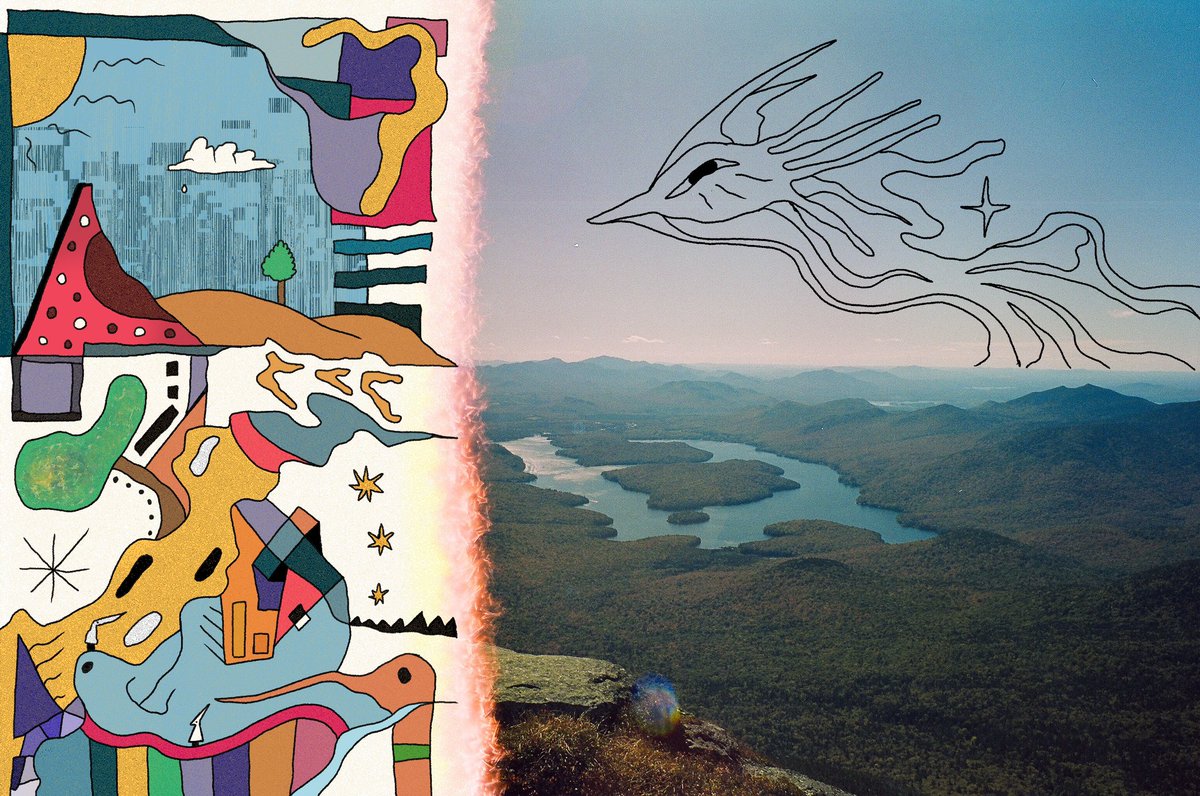
the auctions for all seventy five pieces in 'dying is not enough,' are now live.
thankful to those who have enjoyed this collection. grieved it. mourned it. celebrated it in any capacity.
has been the happiest i've been in some time.
There is no easy way to say this
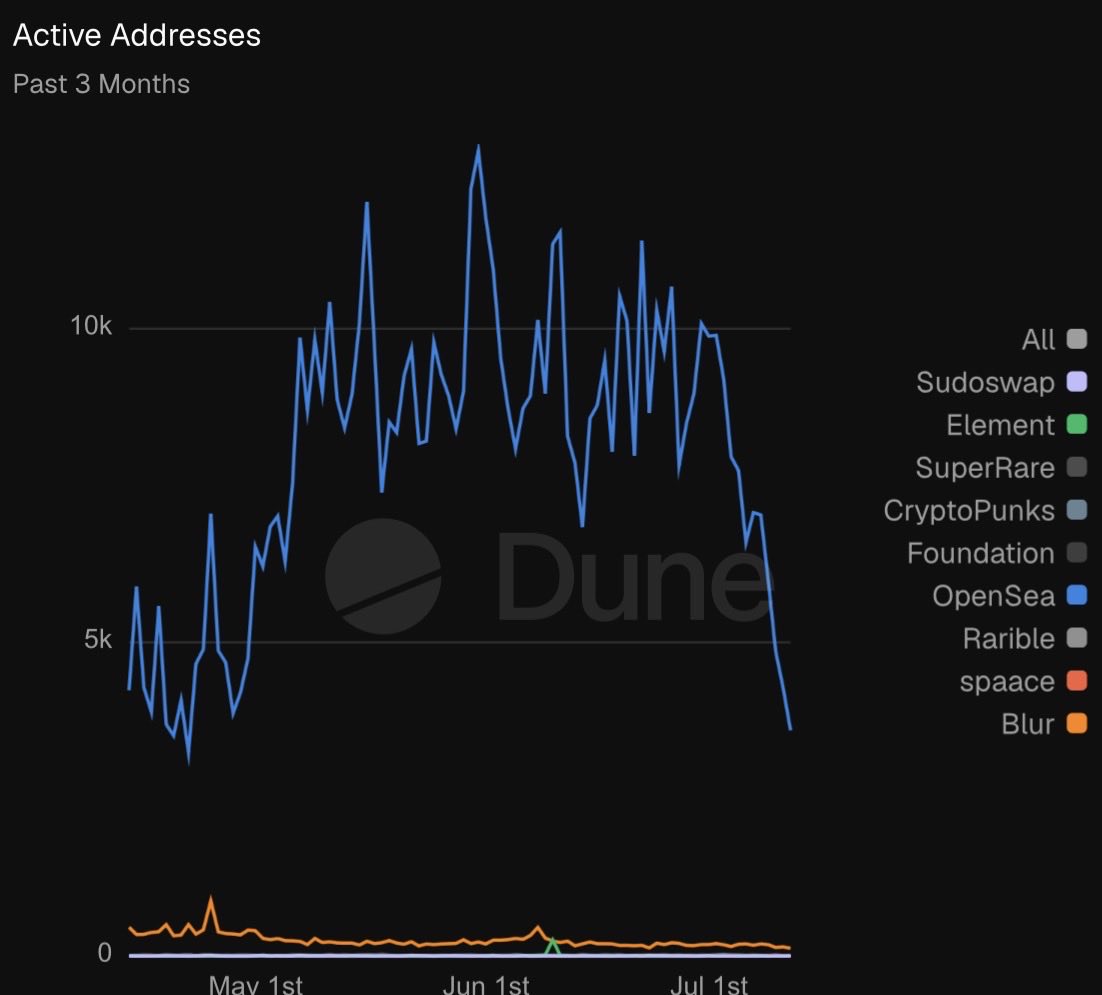
4,400 daily NFTs traders are left
It’s hitting an all time low again
If you buy/sell/trade/collect an NFT worth even $1 per day helps the data people look at
Ringers #326 & #707 by @dmitricherniak
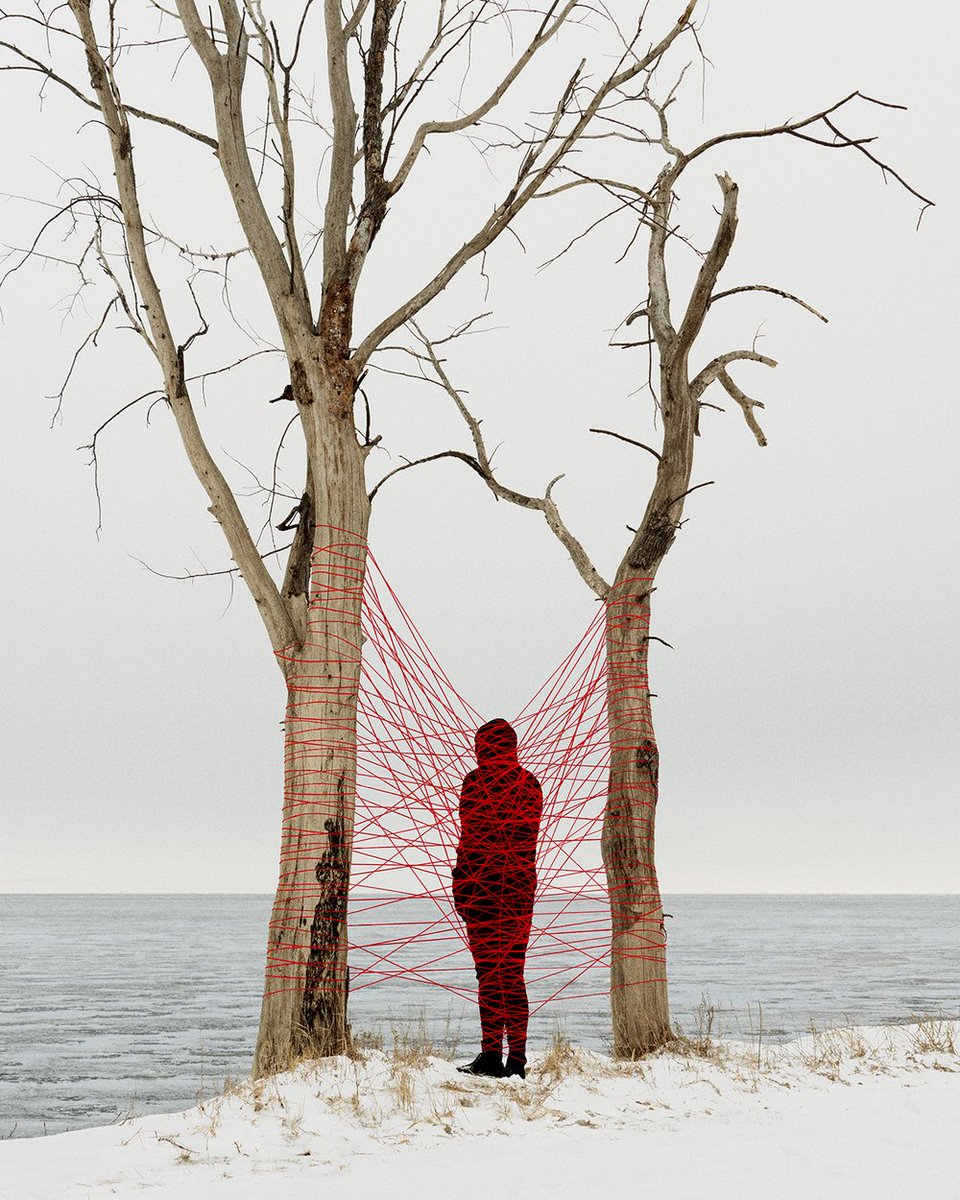
"There are an almost infinite number of ways to wrap a string around a set of pegs. On the surface it may seem like a simple concept but prepare to be surprised and delighted at the variety of combinations the algorithm can produce."
STAGE 3: Doubt
One of the hardest stages. Most of the work is already done, you're so close to the finish line. But the closer you get, the slower everything moves. You're holding yourself back without even realizing it.
What used to feel like a great idea might now feel like total nonsense. Confidence disappears, everything feels wrong. A thought creeps in: what if this is just bad? What if the whole idea was a mistake from the start, and you've spent all this time on something that just doesn't work?
If that doubt takes root, you'll never finish. You'll drag yourself through it, reluctantly, endlessly putting off the ending. You keep wanting to change and redo things, but it leads nowhere. And right alongside that comes the temptation to drop everything and chase other ideas that suddenly seem way more interesting and promising.
But there's a way out. Take a break from the work, don't look at your drawings for at least a few days. When you come back, you'll come back as a different person with fresh eyes. Things that felt broken will turn out to be fine. Things that actually need fixing will be obvious. The emotional fog lifts, and you'll see the work for what it really is, not what your tired mind was making it out to be. The enthusiasm comes back, and the work gets finished fast.
Duration: anywhere from a few days to a few weeks, depending on how deep the doubt got.
Dangers: this is where most great ideas die. Getting through this stage is critical.
Negative effects: the temptation to redo everything from scratch. Or worse, just quit entirely.
Resist. Almost always, the work is better than it feels from the inside.
STAGE 2: Flow
You simply work every day, calmly and with pleasure. Almost nothing can distract you from this meditative state - you are completely immersed in the act of creation.
On one hand, the work becomes fairly routine, but something new is always emerging, because the original idea keeps changing, transforming, growing with new elements, and sometimes drifting very far from the initial concept.
Duration: potentially endless.
Dangers: you can get stuck for a very long time, constantly rethinking and reworking things. Or worse - a new idea appears, you want to pursue it, and you begin spreading yourself too thin. In the end, no piece is ever truly finished.
Negative effects: caffeine addiction is waiting just around the corner.