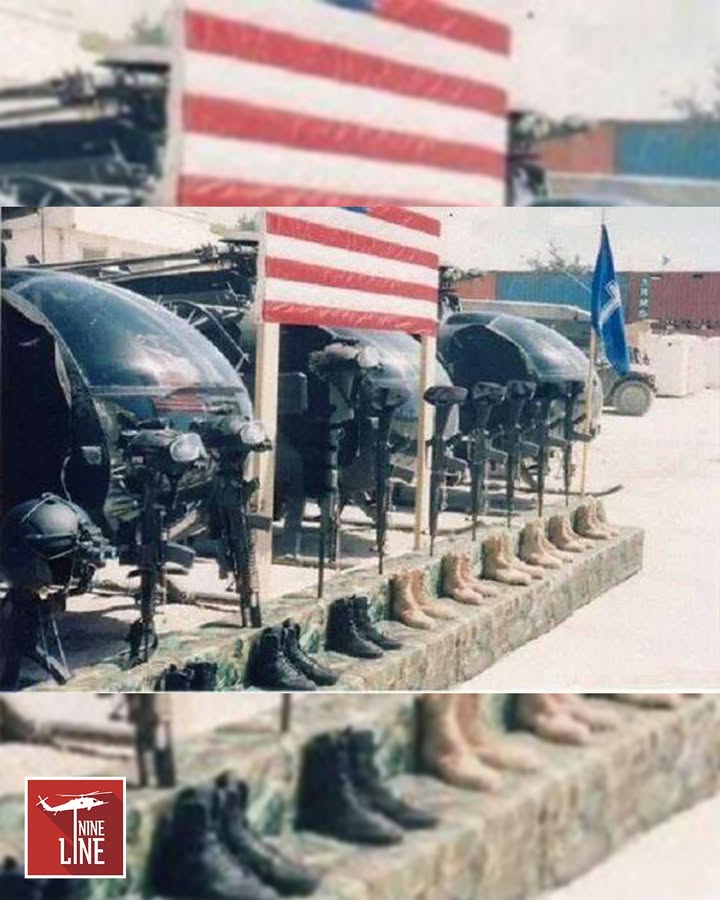
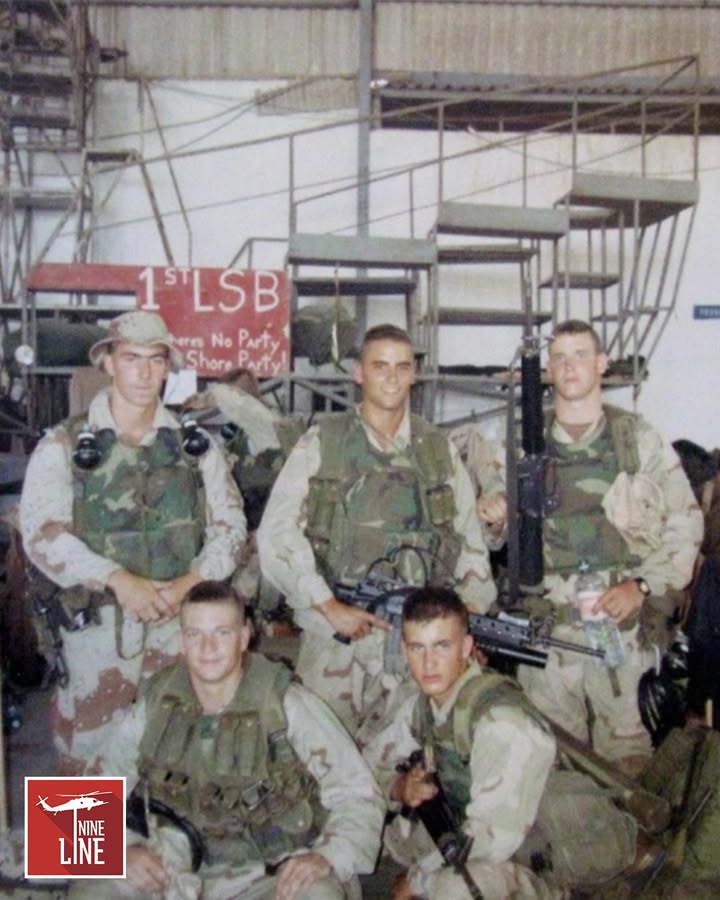
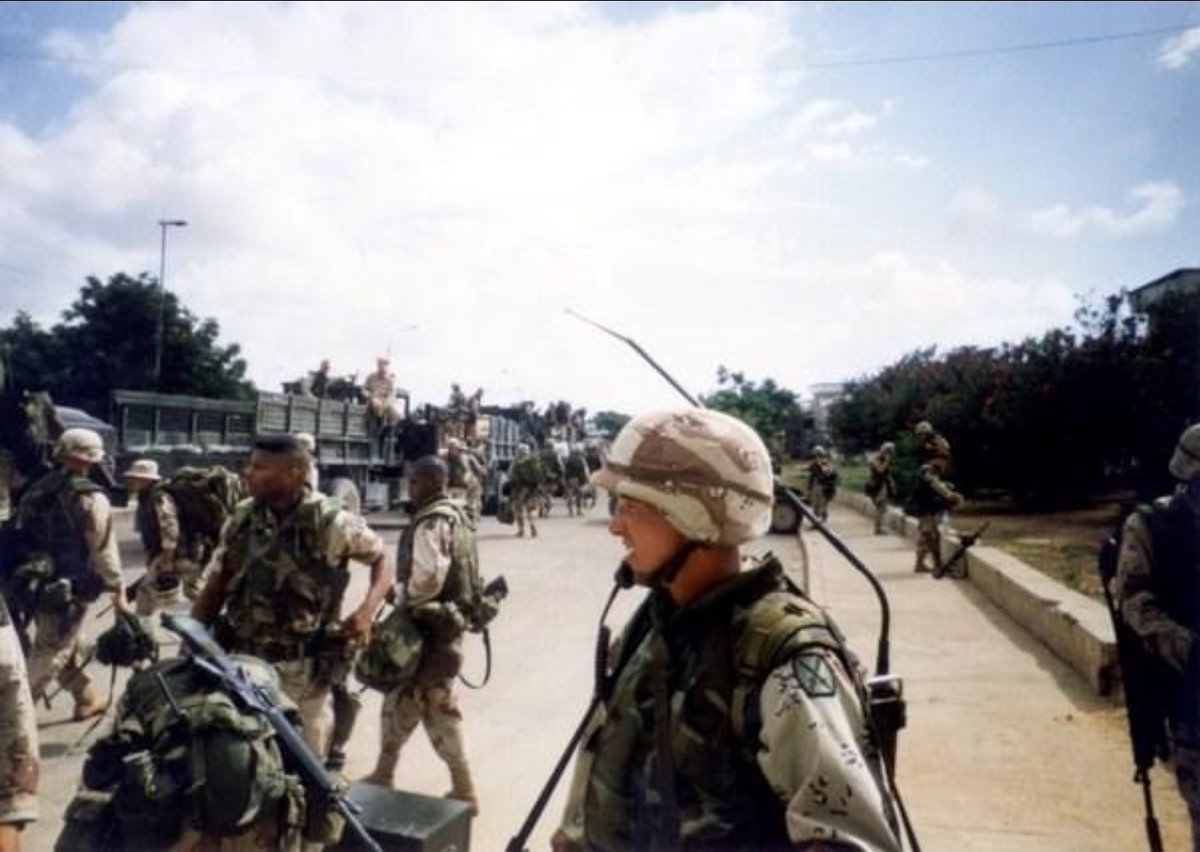
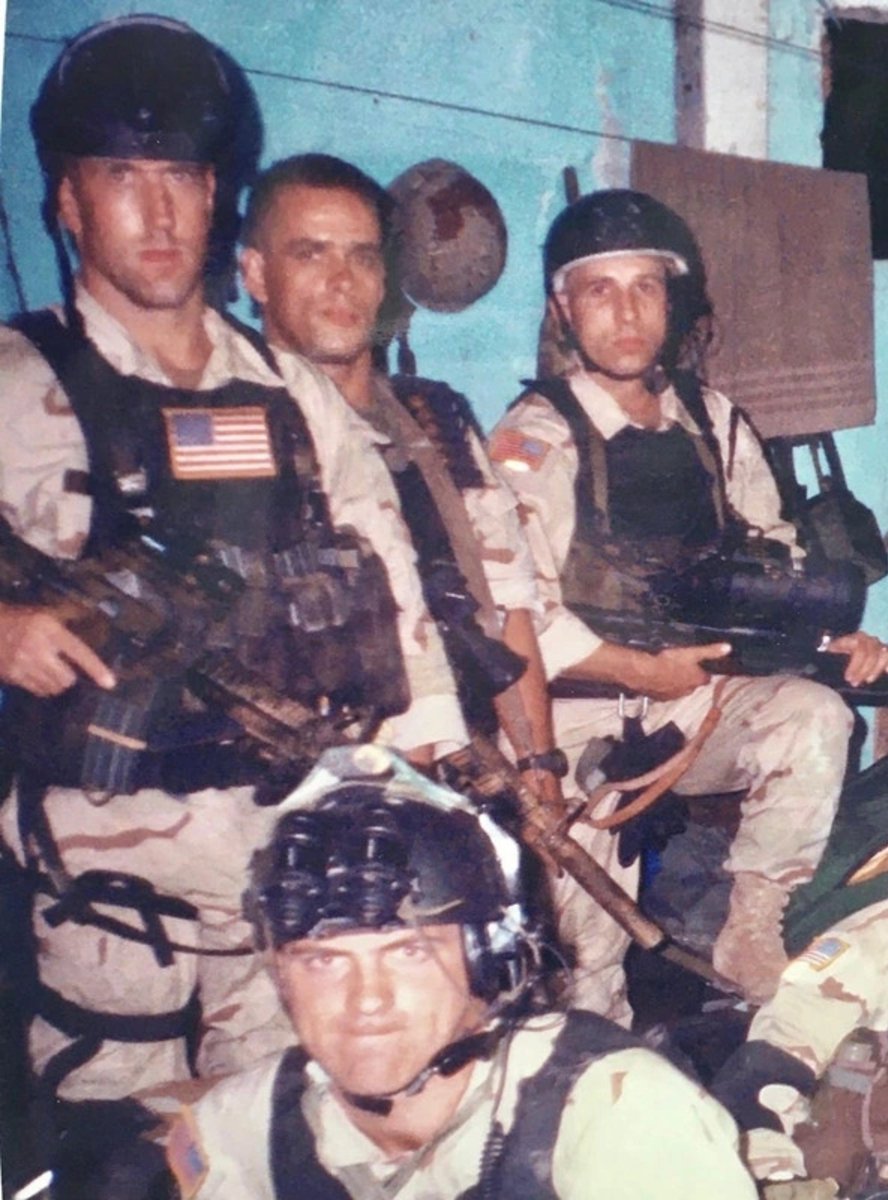
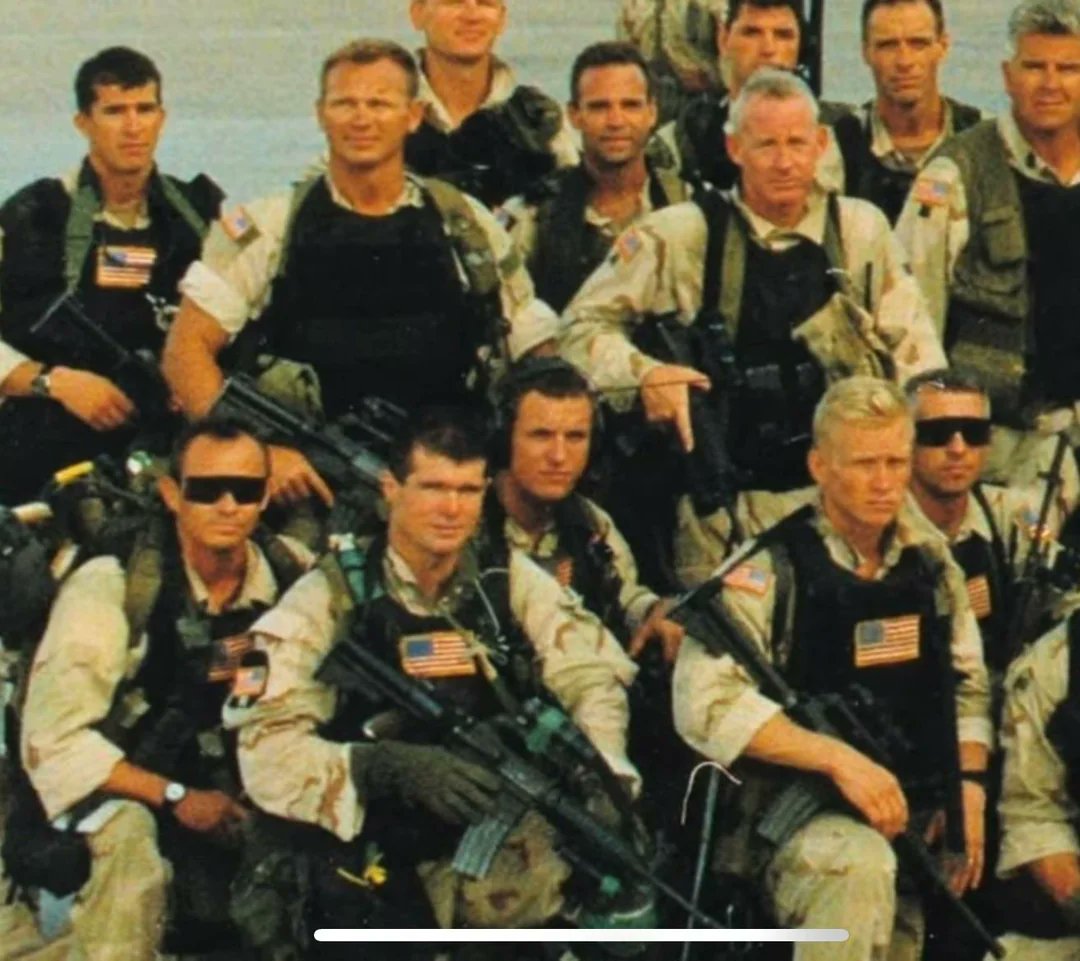
On this day in 1993, 2 uh60s were shot down in Mogadishu. Imagine being one of the surviving men and knowing they have let so many of those people into our country.
IRENE
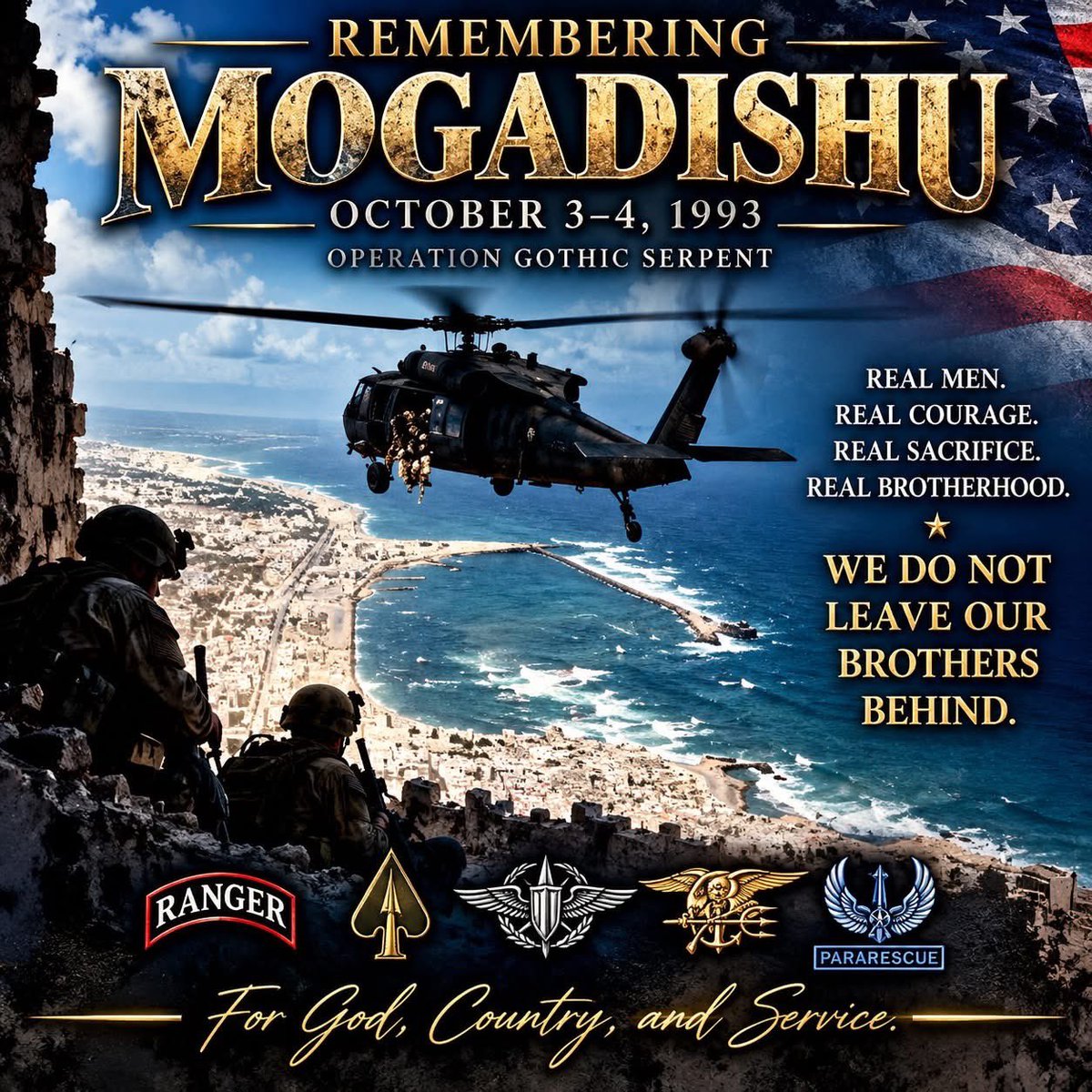
October 3, 1993.
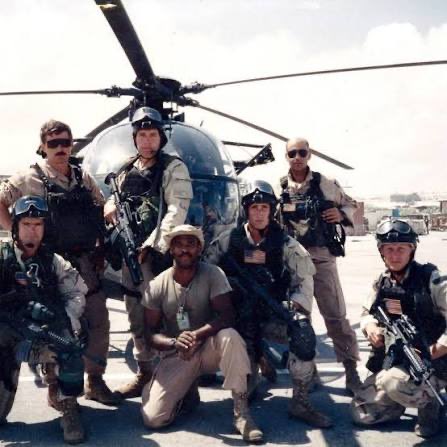
What began as a mission to capture senior leaders of Mohamed Farrah Aidid’s organization became one of the most intense urban battles in modern American military history.
In the streets of Mogadishu, the men of Task Force Ranger… alongside those who fought to reach and recover them… demonstrated extraordinary courage under relentless fire.
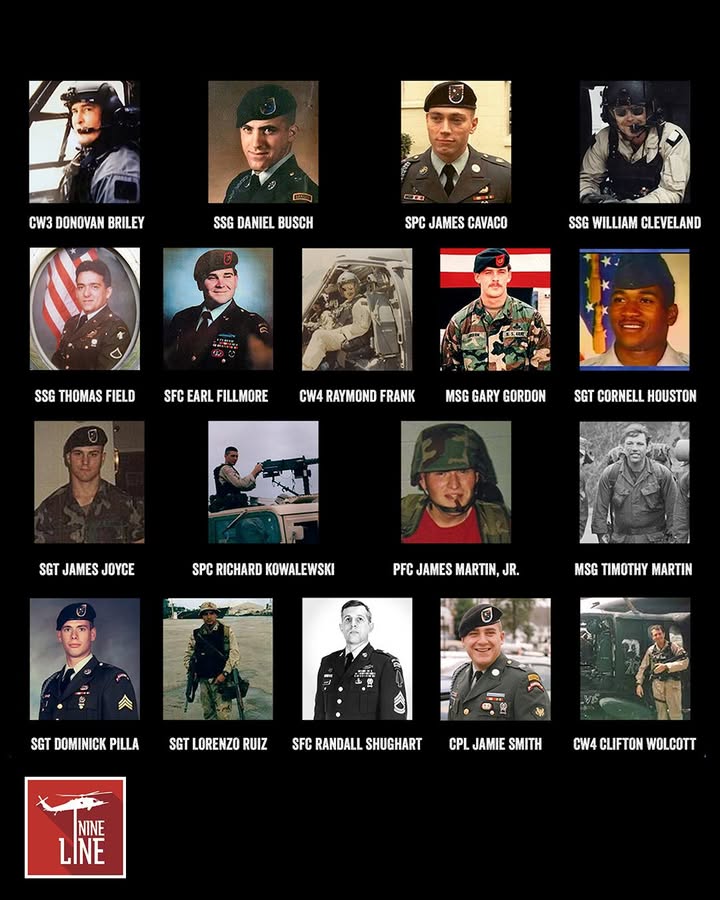
18 Americans were killed. Dozens more were wounded.
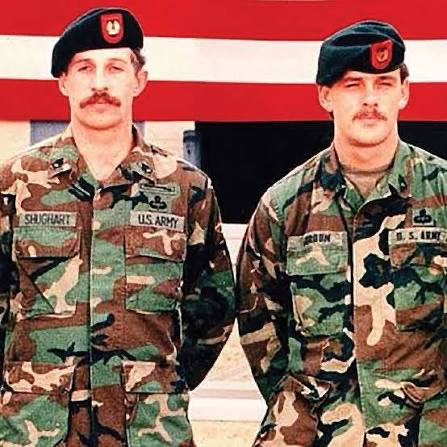
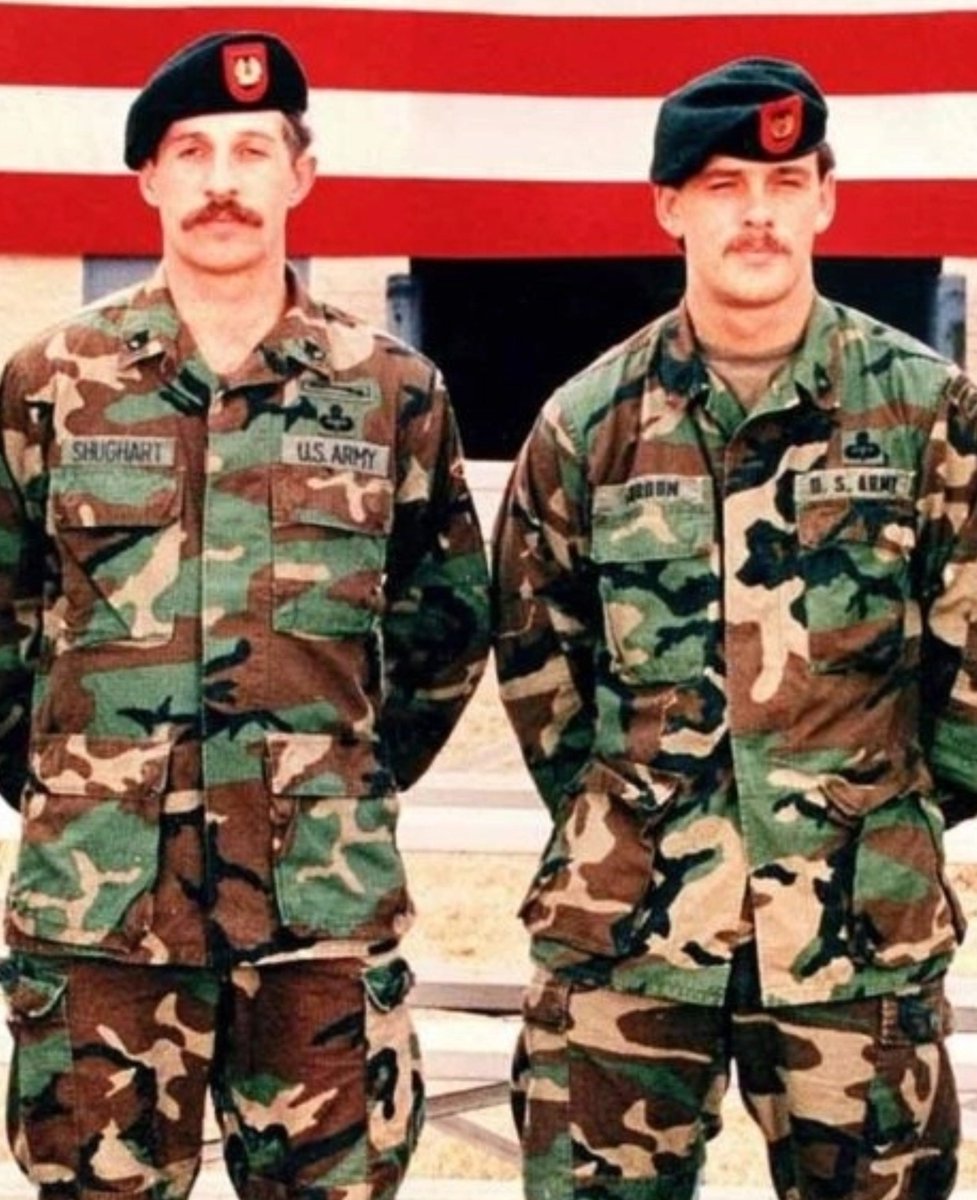
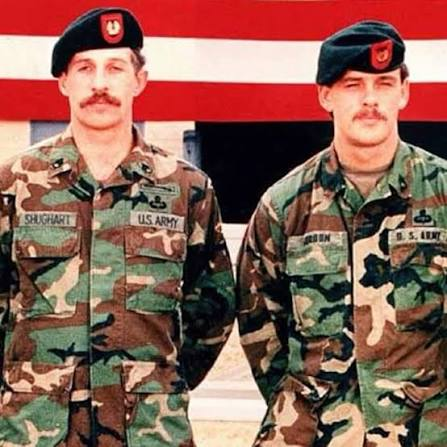
Among them, MSG Gary Gordon and SFC Randy Shughart knowingly volunteered to enter an almost impossible situation to protect the crew of a downed Black Hawk. Both were killed and later posthumously awarded the Medal of Honor.
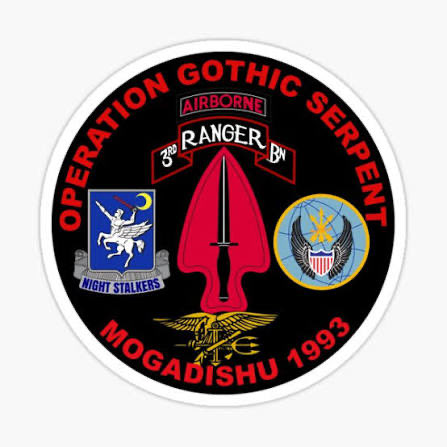
But Operation Gothic Serpent is bigger than any single story…
It is a story of Rangers, special operators, aviators, conventional forces, and coalition partners fighting through chaos for the men beside them.
Thirty-three years later, we remember the fallen, honor the wounded, and recognize every man who fought through those streets.
Their courage deserves more than a movie.
It deserves to be remembered.
Never forget.
Strength & Honor
-Nick
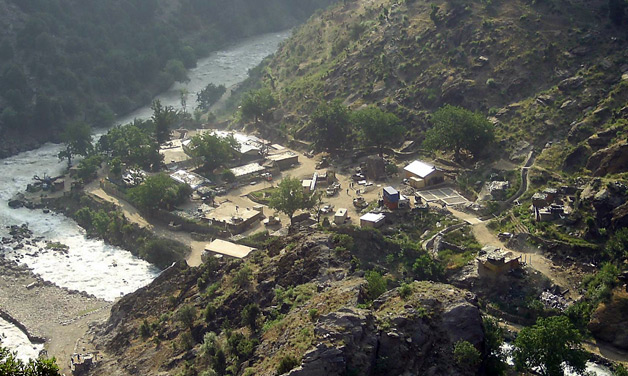
Battle of Kamdesh(COP Keating)
Lest we Forget.
It was dawn on Oct. 3, 2009, when nearly 350 Taliban-led insurgents attacked U.S. Army Combat Outpost (COP) Keating in the Kamdesh Valley of Afghanistan. Built on low ground in a river valley, the COP was home to fewer than 60 cavalrymen from Bravo Troop, 3rd Squadron, 61st Cavalry Regiment of the 4th Infantry Division. They would confront the enemy in a 12-hour close-contact battle that nearly became hand-to-hand combat.
The enemy death toll is estimated at between 150 and 200.
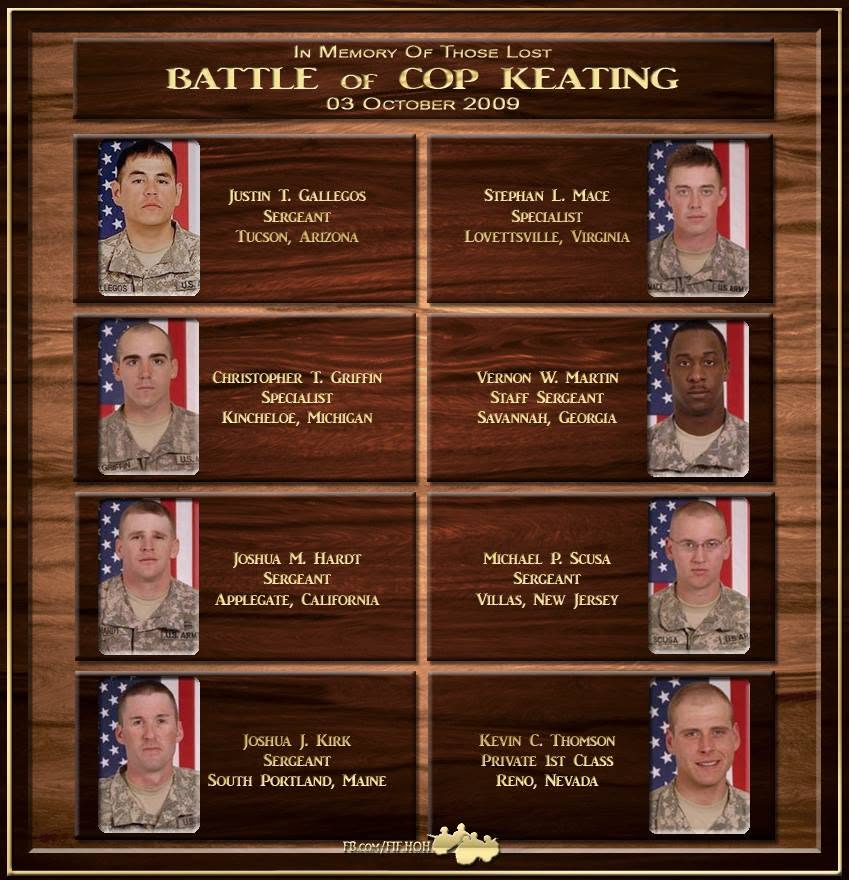
Eight U.S. soldiers paid the ultimate price that day:
🇺🇸Staff Sgt. Justin T. Gallegos (27, of Tucson, Arizona)
🇺🇸Specialist Christopher Griffin (24, of Kincheloe, Michigan)
🇺🇸Sergeant Joshua M. Hardt (24, of Applegate, California)
🇺🇸Sergeant Joshua J. Kirk (27, of South Portland, Maine)
🇺🇸Specialist Stephan L. Mace (21, of Lovettsville, Virginia)
🇺🇸Staff Sgt. Vernon W. Martin (25, of Savannah, Georgia)
🇺🇸Sergeant Michael P. Scusa (22, of Villas, New Jersey)
🇺🇸Private 1st Class Kevin C. Thomson (22, of Reno, Nevada)
27 American soldiers were wounded during the intense 12-hour battle.
The Battle for COP Keating produced a constellation of medals: 27 Purple Hearts, 37 Army Commendation Medals with “V” devices for valor, three Bronze Stars, 18 Bronze Stars with “V” devices, and nine Silver Stars.
Staff Sgt. Clinton “Clint” Romesha and Sgt. Ty Carter received the Medal of Honor for their actions that day.
May our Warriors Rest in Peace.
On October 3, 1993, SFC Shughart and MSgt. Gordon were flying as snipers aboard Super 62 during the Battle of Mogadishu. After Super 61 was shot down away from the main forces, these two asked 3x for permission to go to the downed crews assistance. They repeatedly asked despite knowing that there was no help coming.
Permission was finally given and they ran to the crash scene fighting the Somali forces along the way. The pulled CW3 Michael Durant from the wreckage and began defending the scene. Eventually MSgt. Gordon was killed and Shughart continued to defend Durant until he too was killed. The infamous line "Gordy's gone man, I'll be outside" was uttered by Shughart to Duran.
They both posthumously received the Medal of Honor, the first such awards since the Vietnam War.
Remember them today!
Oct 3, 1993: Task Force Ranger flew into Mogadishu on a mission that was supposed to take about an hour. It lasted all night, and it changed American foreign policy for a decade.
Somalia had collapsed into civil war in 1991. Warlords fought over the capital and used food as a weapon, and a famine killed hundreds of thousands of people. In December 1992 President George H.W. Bush sent about 25,000 American troops to protect food shipments. It worked. The starvation eased.
In 1993 the mission was handed to the United Nations, and it grew into something bigger: disarming the militias and rebuilding the country. The most powerful warlord in Mogadishu, Mohamed Farrah Aidid, saw the UN as an enemy. In June his militia ambushed and killed 24 Pakistani peacekeepers. The UN put a bounty on him.
In August the US sent Task Force Ranger: Army Rangers, Delta Force operators, and the helicopter pilots of the 160th Special Operations Aviation Regiment, the Night Stalkers. Their job was to capture Aidid and his top people. They ran six raids. None of them got Aidid.
On the afternoon of Oct 3, word came that two of his top lieutenants were meeting near the Olympic Hotel, in the heart of Aidid's territory near the Bakara Market. About 160 men went in. Delta assaulted the building while Rangers fast-roped from Black Hawks to seal off the block. A ground convoy of Humvees and trucks came to haul everyone out.
The raid itself went fine. They captured around two dozen Somalis, including both targets. But one young Ranger missed the rope and fell about 70 feet to the street, and the whole neighborhood was already coming out with rifles and RPGs.
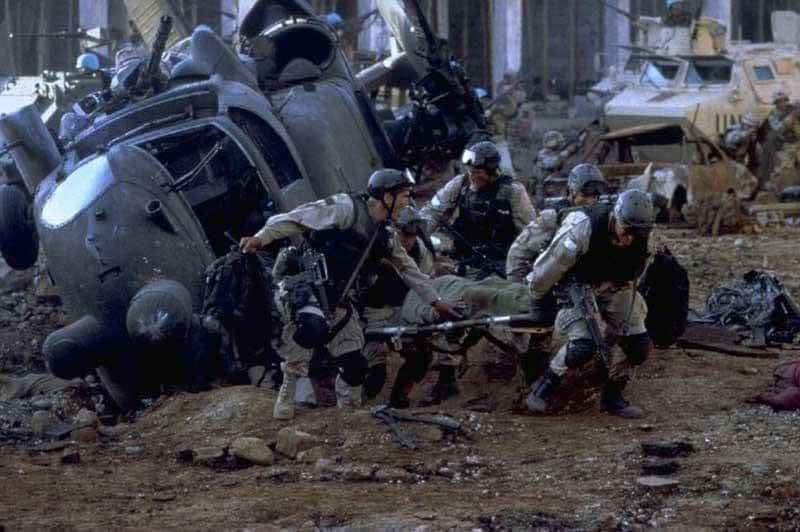
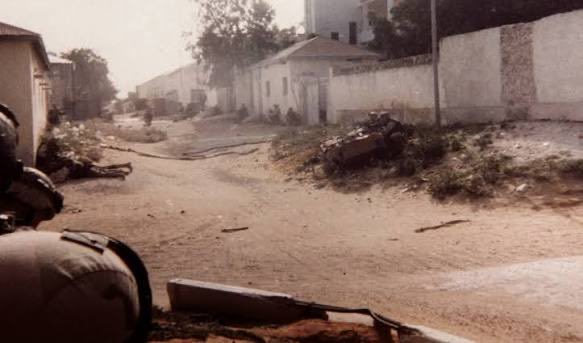
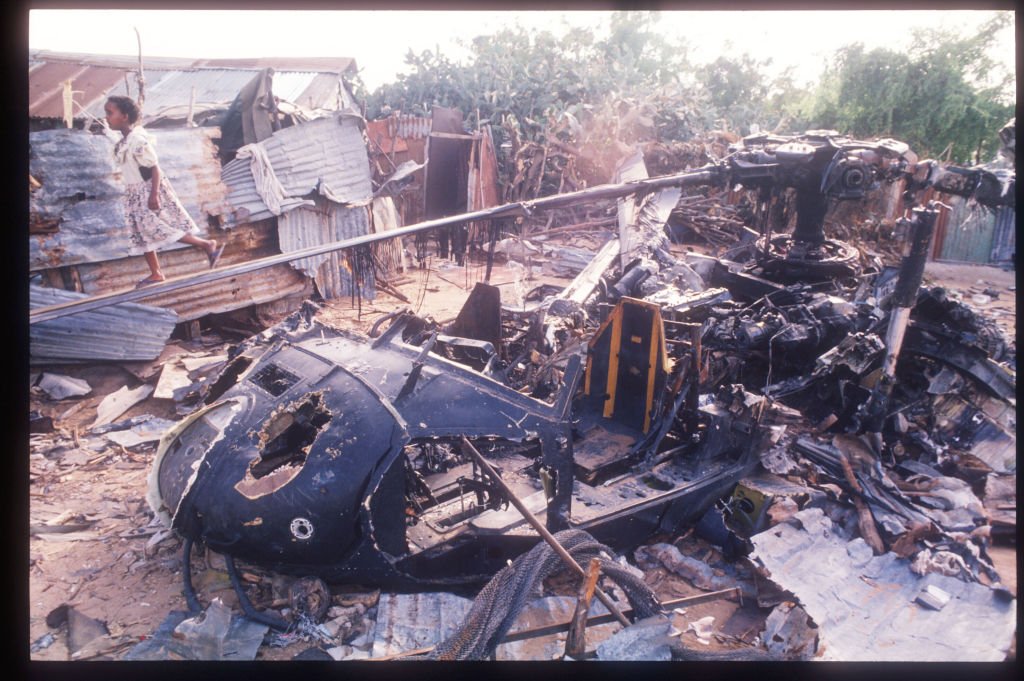
Then an RPG hit a Black Hawk, Super 61, and it went down in a narrow alley a few blocks away. Both pilots were killed. Rangers and Delta operators on foot ran to the crash site and set up a perimeter around the wreck. The convoy tried to reach them and got lost in the maze of streets, taking fire at every turn, with wounded and dead piling up in the vehicles.
About 20 minutes later a second Black Hawk, Super 64, flown by Mike Durant, was hit and went down about a mile away. There was no one close enough to get there.
Two Delta snipers circling overhead, Master Sgt. Gary Gordon and Sgt. 1st Class Randy Shughart, asked to be dropped at the second crash site to protect the crew. They were told no. They asked again. They were told no again. They asked a third time and were finally put down. They pulled Durant out of the wreckage and fought off the crowd until they ran out of ammunition and were killed. Durant was beaten and taken prisoner.
Gordon and Shughart were awarded the Medal of Honor, the first since Vietnam.
At the first crash site, about 90 men held out through the night in a few buildings, short on water, ammunition, and night vision, with wounded men they couldn't evacuate. They wouldn't leave without the body of the pilot pinned in the wreckage. Little Bird helicopters made gun runs over their heads until morning.
A relief force from the 10th Mountain Division finally reached them around 2 a.m. They came in Pakistani tanks and Malaysian armored personnel carriers because the Americans didn't have their own armor in Somalia. A request for tanks had been turned down weeks earlier in Washington.
There wasn't enough room in the vehicles for everyone. At first light some of the Rangers and Delta operators had to run out on foot alongside the convoy under fire. That route became known as the Mogadishu Mile.
Eighteen Americans were killed and 73 wounded. A Malaysian soldier was killed. Somali deaths are estimated in the hundreds, possibly over a thousand.
Back home, Americans saw footage of the bodies of US soldiers being dragged through the streets of Mogadishu, and video of a battered Mike Durant in captivity. Durant was released after 11 days. Within days President Clinton announced American troops would be out of Somalia by March 1994. The Secretary of Defense resigned that December.
The fallout went far beyond Somalia. In 1994, when genocide broke out in Rwanda and about 800,000 people were killed in roughly 100 days, Washington refused to intervene. Mogadishu was a big reason why. Osama bin Laden later pointed to Somalia as proof that America would pull out if it took enough casualties.
Mark Bowden told the story in Black Hawk Down, and most Americans know the battle by that name now. To the men who were there, it's still just the Battle of Mogadishu.
October 3 - October 4, 1993 - The Battle of Mogadishu. Many are familiar with the film, Blackhawk Down, which gave us a very sobering glimpse into this battle.
Task Force Ranger headed into the center of Mogadishu, Somalia to capture rebel leaders. Initially, 24 prisoners were captured, before the deadly turning point. Two American Blackhawks were shot down. The fighting lasted through the night to defend the survivors of the crashes, including snipers MSG Gary Gordon and SFC Randy Shughart. Both volunteered for the mission and knew it would likely result in their death. Both were killed in Action. The following morning, an armored convoy fought their way to the helicopters and rescuing the survivors. We lost 18 brave American Warriors that day.
Please help us keep their memory alive. #youarenotforgotten
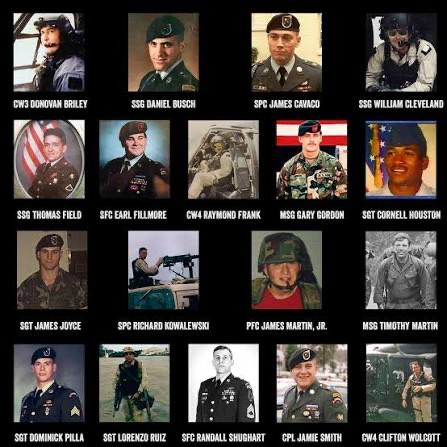
CW3 Donovan Briley
SSG Daniel Busch
PFC James Martin Jr.
SGT Cornell Houston
CW4 Clifton Wolcott
SPC James Cavaco
SSG William Cleveland Jr.
SSG Thomas Field
SFC Earl Fillmore Jr.
CW4 Raymond Frank
MSG Gary Gordon
SGT James Joyce
SPC Richard Kowalewski Jr.
MSG Timothy Martin
SGT Dominick Pilla
SGT Lorenzo Ruiz
SFC Randall Shughart
CPL James "Jamie" Smith Jr.
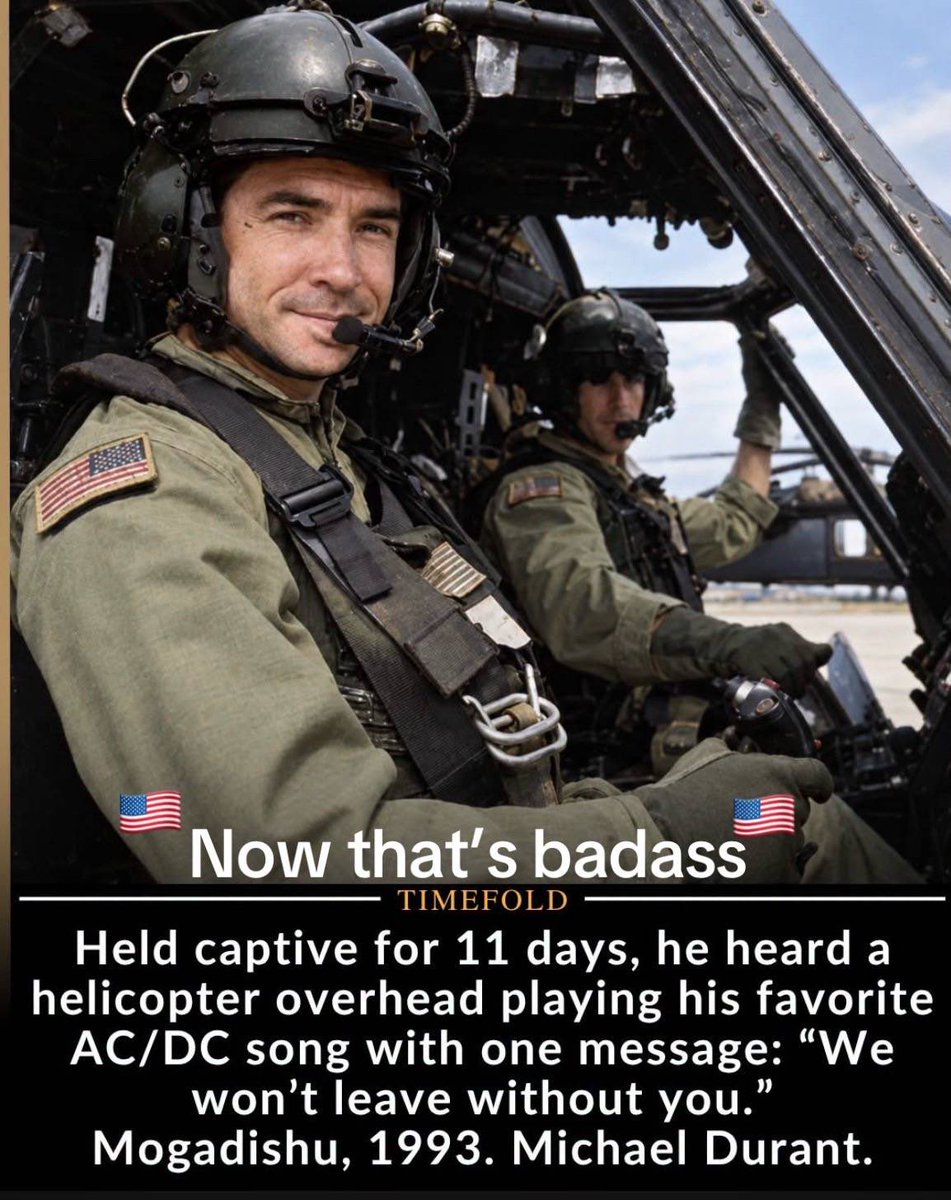
Michael Durant is a retired Chief Warrant Officer 4 in the U.S. Army and a veteran of the Battle of Mogadishu, which occurred on October 3, 1993. He served as a pilot for the 160th Special Operations Aviation Regiment, known for its elite capabilities.
Durant piloted the Black Hawk helicopter named "Super Six Four."
During a mission to capture high-value targets in Mogadishu, his helicopter was shot down by a rocket-propelled grenade (RPG).
After the crash, Durant defended himself with an MP5 submachine gun until he was captured by enemy forces. He was held as a prisoner of war for 11 days.
Durant sustained serious injuries, including a broken femur and crushed vertebrae. He was eventually rescued and returned to the U.S., where he continued his military career.
His experiences were later depicted in the book "In the Company of Heroes" and the film "Black Hawk Down," which dramatized the events of the battle.
After retiring from the military, Durant became a businessman and author. He founded Pinnacle Solutions, an engineering services company, and continues to share his story through speaking engagements.
The Battle of Mogadishu took place on October 3–4, 1993, in Mogadishu, Somalia, between U.S. forces and Somali militia fighters during Operation Gothic Serpent. Key events included a planned raid to capture Somali warlord Mohamed Farah Aidid's lieutenants, which escalated into an overnight standoff after Somali insurgents shot down two U.S. Black Hawk helicopters using rocket-propelled grenades, leading to 18 U.S. deaths and hundreds of Somali casualties.
WHEN YOU REMEMBER BLACK HAWK DOWN, REMEMBER THE SOLDIERS WHO FOUGHT THEIR WAY IN. 🇺🇸
October 3–4, 1993. Mogadishu.
Rangers and Delta operators were pinned down. Americans were wounded. Two Black Hawks were down.
The 10th Mountain Division answered the call.
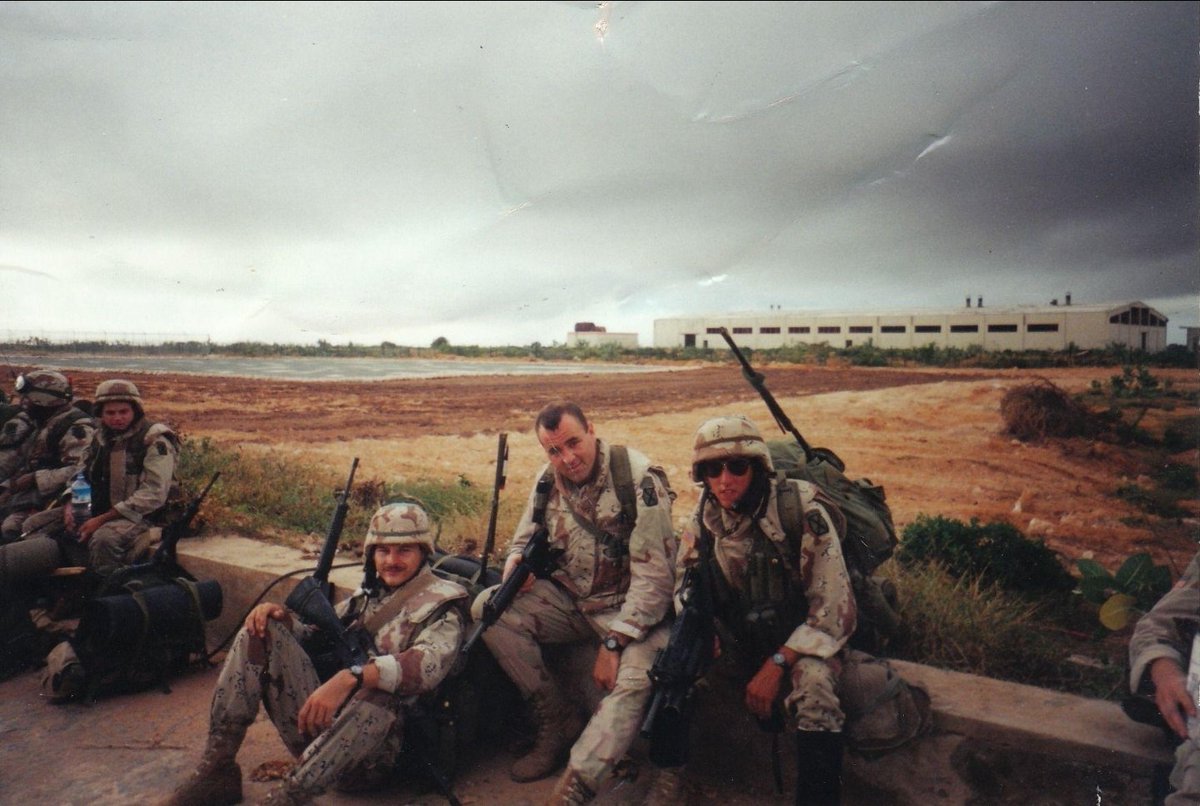
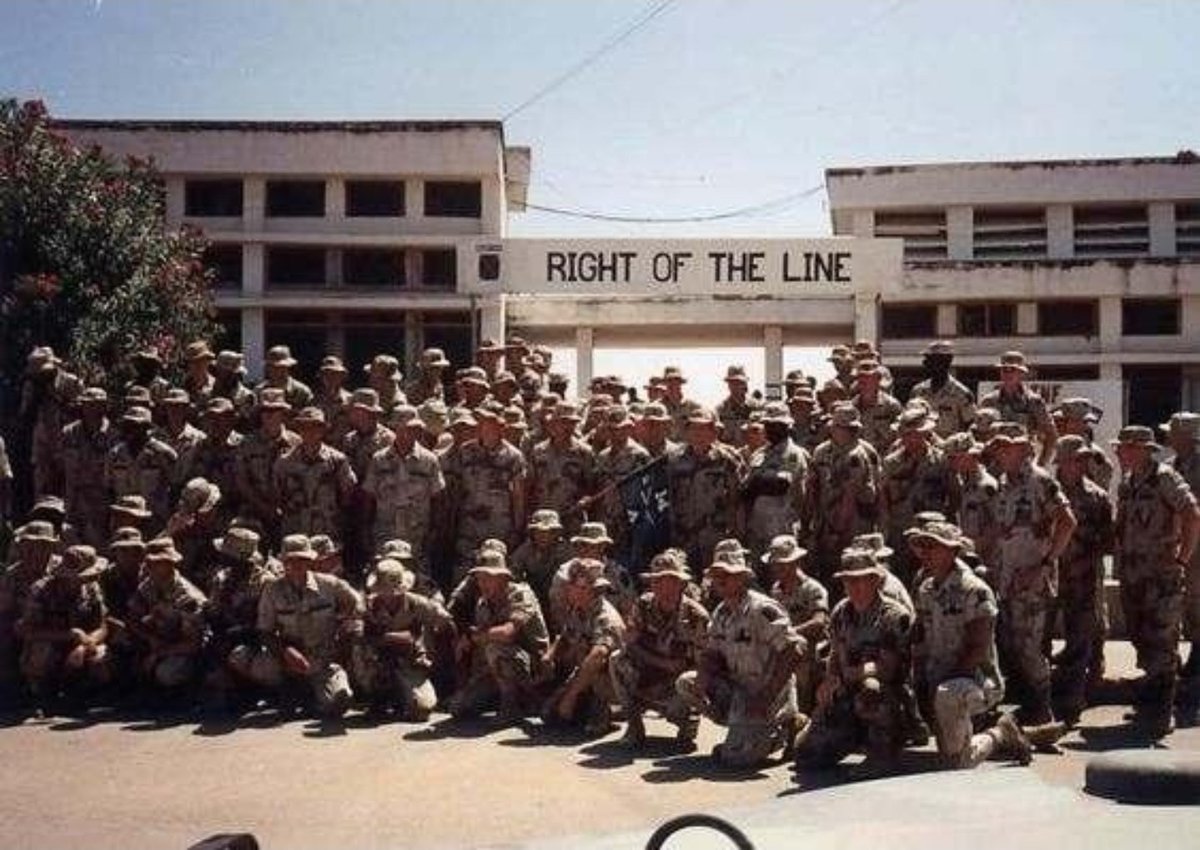
The Golden Dragons of 2-14 Infantry, alongside attached infantrymen and engineers, fought through ambushes, barricades, and heavy fire. Malaysian armored vehicles and Pakistani tanks helped the rescue force reach the trapped Americans.
This wasn’t a convoy rolling in after the fighting stopped. They fought their way in and helped get the wounded and survivors out.
SGT Cornell Houston and PFC James Martin lost their lives. More than 20 other 10th Mountain soldiers were wounded.
Remember their names. Remember the men who went back into those streets.
@Boots_N_Chutes@cmrowe77@TheIOGuy
👇 Did you know the 10th Mountain’s role in the rescue?
#10thMountain #Mogadishu #BlackHawkDown #ClimbToGlory #neverforget
33 years ago today, on October 3, 1993, during the Battle of Mogadishu, Delta Force operators Gary Gordon and Randy Shughart were flying over the city in a Black Hawk, providing cover for Task Force Ranger.
After one helicopter was shot down, a second, Super 64, with CWO Mike Durant at the controls, was hit by an RPG and crashed in a neighborhood swarming with militia. Ground forces could not reach the site. Gordon and Shughart asked three times to be inserted, and permission was finally given.
They fast-roped in roughly 100 meters from the wreck, armed with sniper rifles and sidearms, and fought their way to the crash. They pulled the badly injured Durant from the cockpit, set up a perimeter, and held off a much larger force until their ammunition ran out. Both were killed. Durant was captured and later released, and without them, he almost certainly would have died in the wreckage.
On May 23, 1994, they became the first Medal of Honor recipients since the Vietnam War, and the only soldiers from Operation Gothic Serpent to receive it. Their citations record actions above and beyond the call of duty under intense enemy fire, and a choice to go in when no one else could.
They would not leave a comrade behind, and 33 years later, that choice is still the standard.
Never forgotten.
The Forgotten Hero of Black Hawk Down (1993)
Staff Sgt. Daniel Busch, a Delta Force sniper, defended the wounded after the first Black Hawk was shot down during the Battle of Mogadishu on October 3, 1993. Despite being shot four times, he continued fighting until reinforcements secured the crash site.
Busch succumbed to his wounds shortly afterward and was posthumously awarded the Silver Star for his extraordinary heroism.
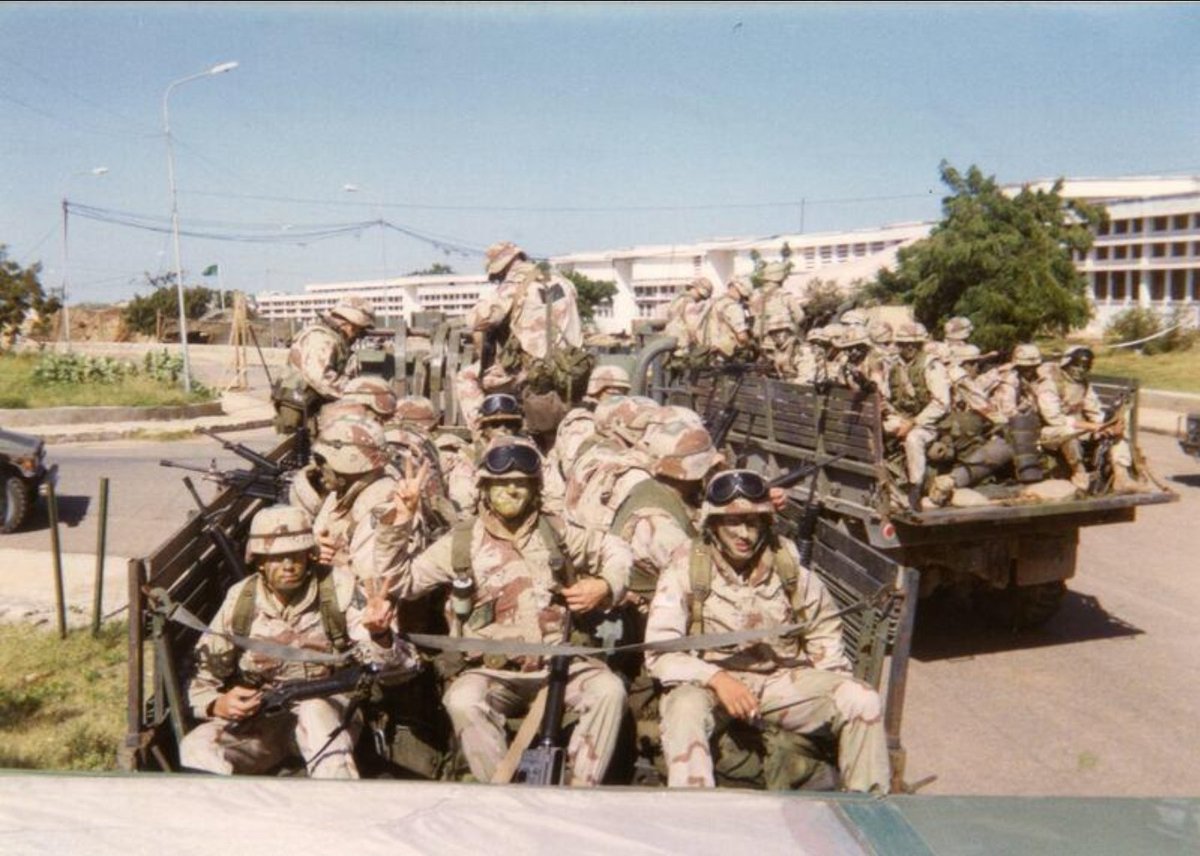
On October 3, 1993, American service members entered the streets of Mogadishu, Somalia, on a mission that became an overnight battle to reach their brothers and bring them home.
Two Black Hawk helicopters were brought down. As fighting continued into October 4, American troops fought through the city while rescue forces worked to reach the crash sites and evacuate the wounded.
Eighteen Americans gave their lives.
Among them were Master Sgt. Gary Gordon and Sgt. 1st Class Randall Shughart, who repeatedly volunteered to defend the crew of a downed Black Hawk. Both were killed at the crash site and were posthumously awarded the Medal of Honor.
Behind the history known to many as “Black Hawk Down” were real men, real families and sacrifices that reached far beyond those streets in Mogadishu.
More than three decades later, we remember the 18 who never came home and all those who fought beside them.
Their courage deserves to be remembered. Their sacrifice deserves to be remembered. Their names deserve to be remembered. 🇺🇸🕯️
On October 3, 1993, American service members entered the streets of Mogadishu, Somalia, on a mission that became an overnight battle to reach their brothers and bring them home.
Two Black Hawk helicopters were brought down. As fighting continued into October 4, American troops fought through the city while rescue forces worked to reach the crash sites and evacuate the wounded.
Eighteen Americans gave their lives.
Among them were Master Sgt. Gary Gordon and Sgt. 1st Class Randall Shughart, who repeatedly volunteered to defend the crew of a downed Black Hawk. Both were killed at the crash site and were posthumously awarded the Medal of Honor.
Behind the history known to many as “Black Hawk Down” were real men, real families and sacrifices that reached far beyond those streets in Mogadishu.
More than three decades later, we remember the 18 who never came home and all those who fought beside them.
Their courage deserves to be remembered. Their sacrifice deserves to be remembered. Their names deserve to be remembered. 🇺🇸🕯️
The Battle of Mogadishu (known as Black Hawk Down) started on this day 33 years ago on October 3, 1993.
An elite team of roughly 100 Delta Force operators and Army Rangers found themselves fighting a city of a million people.
They fought to the bloody and brutal end, and their heroic actions will never be forgotten.