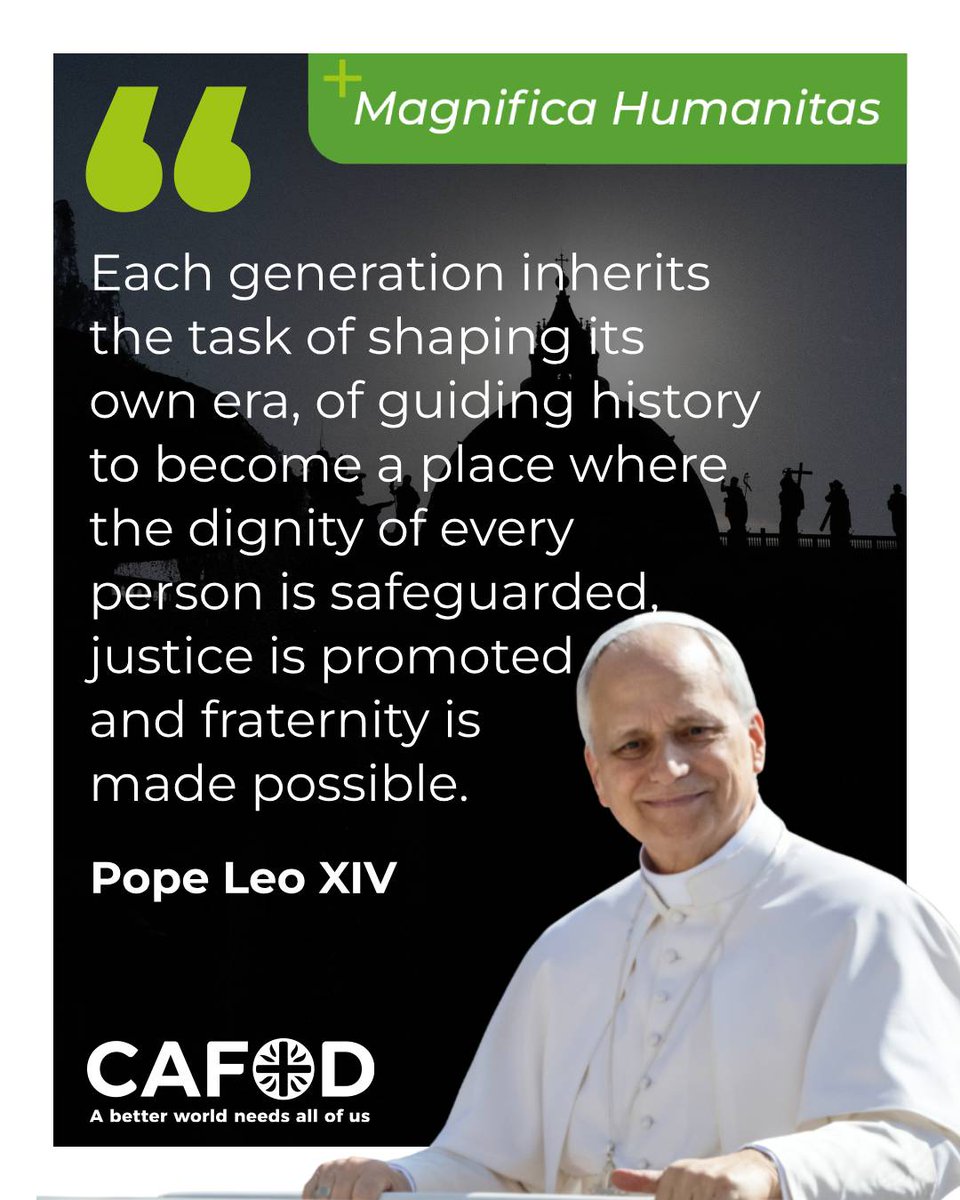
Pope Leo XIV has published his first encyclical called Magnifica Humanitas.
With a focus on dignity and justice in the digital age, it explores the importance of safeguarding humanity at a time of transformation.
In 2025, schools collectively fundraised for Water World Gifts and provided 72 families with a water supply! But we want to go further!
A better world needs all of us. Could you fundraise to support more communities to have clean, safe water this summer?
https://t.co/SgKOsJjiWM
I invite all to pray to the Lord that the visit of His Holiness Aram I, Catholicos of the Armenian Apostolic Church of the Holy See of Cilicia, may constitute a further step on the path towards full unity. Let us also pray for #peace in Lebanon and the Middle East, once again torn apart by violence and war. #ChristianUnity
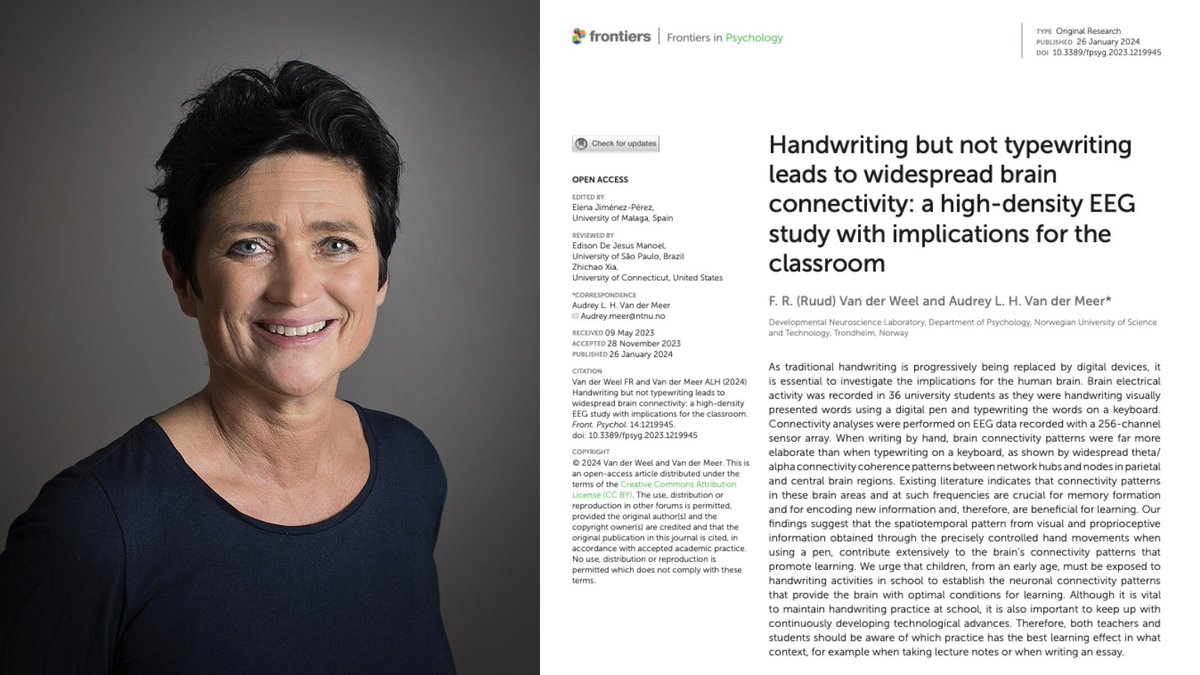
A Norwegian neuroscientist spent 20 years proving that the act of writing by hand changes the human brain in ways typing physically cannot, and almost nobody outside her field has read the paper.
Her name is Audrey van der Meer.
She runs a brain research lab in Trondheim, and the paper that closed the argument was published in 2024 in a journal called Frontiers in Psychology. The finding is brutal enough that it should have changed every classroom on Earth.
The experiment was simple. She recruited 36 university students and put each one in a cap with 256 sensors pressed against their scalp to record brain activity. Words flashed on a screen one at a time.
Sometimes the students wrote the word by hand on a touchscreen using a digital pen, and sometimes they typed the same word on a keyboard. Every neural response was recorded for the full five seconds the word stayed on screen.
Then her team looked at the part of the data most researchers had ignored for years, which is how different parts of the brain were communicating with each other during the task.
When the students wrote by hand, the brain lit up everywhere at once.
The regions responsible for memory, sensory integration, and the encoding of new information were all firing together in a coordinated pattern that spread across the entire cortex. The whole network was awake and connected.
When the same students typed the same word, that pattern collapsed almost completely.
Most of the brain went quiet, and the connections between regions that had been alive seconds earlier were nowhere to be found on the EEG.
Same word, same brain, same person, and two completely different neurological events.
The reason turned out to be something nobody had really paid attention to before her work. Writing by hand is not one motion but a sequence of thousands of tiny micro-movements coordinated with your eyes in real time, where each letter is a different shape that requires the brain to solve a slightly different spatial problem.
Your fingers, wrist, vision, and the parts of your brain that track position in space are all working together to produce one letter, then the next, then the next.
Typing throws all of that away. Every key on a keyboard requires the exact same finger motion regardless of which letter you are pressing, which means the brain has almost nothing to integrate and almost no problem to solve.
Van der Meer said it plainly in her interviews.
Pressing the same key with the same finger over and over does not stimulate the brain in any meaningful way, and she pointed out something that should scare every parent who handed their kid an iPad.
Children who learn to read and write on tablets often cannot tell letters like b and d apart, because they have never physically felt with their bodies what it takes to actually produce those letters on a page.
A decade before her, two researchers at Princeton ran the same fight using a completely different method and ended up at the same answer. Pam Mueller and Daniel Oppenheimer tested 327 students across three experiments, where half took notes on laptops with the internet disabled and half took notes by hand, before testing everyone on what they actually understood from the lectures they had watched.
The handwriting group won by a wide margin on every question that required real understanding rather than surface recall.
The reason was hiding in the transcripts of what the two groups had actually written down.
The laptop students typed almost word for word, capturing more total content but processing almost none of it as they went, while the handwriting students physically could not write fast enough to transcribe a lecture in real time, which forced them to listen carefully, decide what actually mattered, and put it in their own words on the page.
That single act of choosing what to keep was the learning itself, and the keyboard had quietly skipped the choosing and skipped the learning along with it.
Two studies. Two countries. Same answer.
Handwriting makes the brain work. Typing lets it coast.
Every note you have ever typed instead of written went into your brain through a thinner pipe. Every meeting, every book highlight, every idea you captured on your phone instead of on paper was processed at half depth.
You did not forget those things because your memory is bad. You forgot them because typing never woke the part of the brain that would have made them stick.
The fix is the thing your grandmother already knew.
Pick up a pen. Write the thing down. The slower road is the faster one.
We were recently able to see our office in Khartoum which has been closed and damaged in the fighting.
Thanks to your support, our work has continued and we will keep standing with the people of Sudan.
https://t.co/JwIIZGwHrW
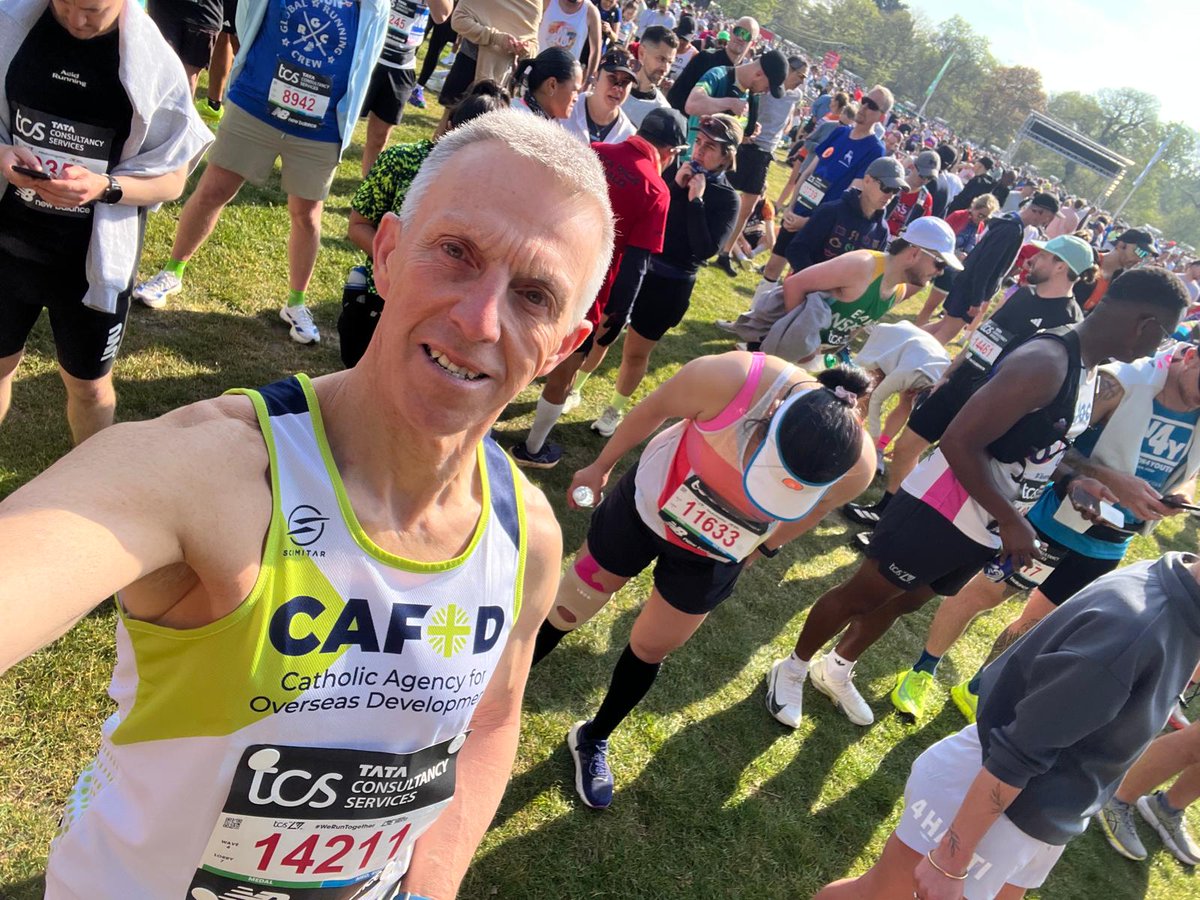
A huge good luck to our 36 amazing CAFOD runners taking on the London Marathon today.
We’re cheering you on every step of the way! 💚 #LondonMarathon#TeamCAFOD
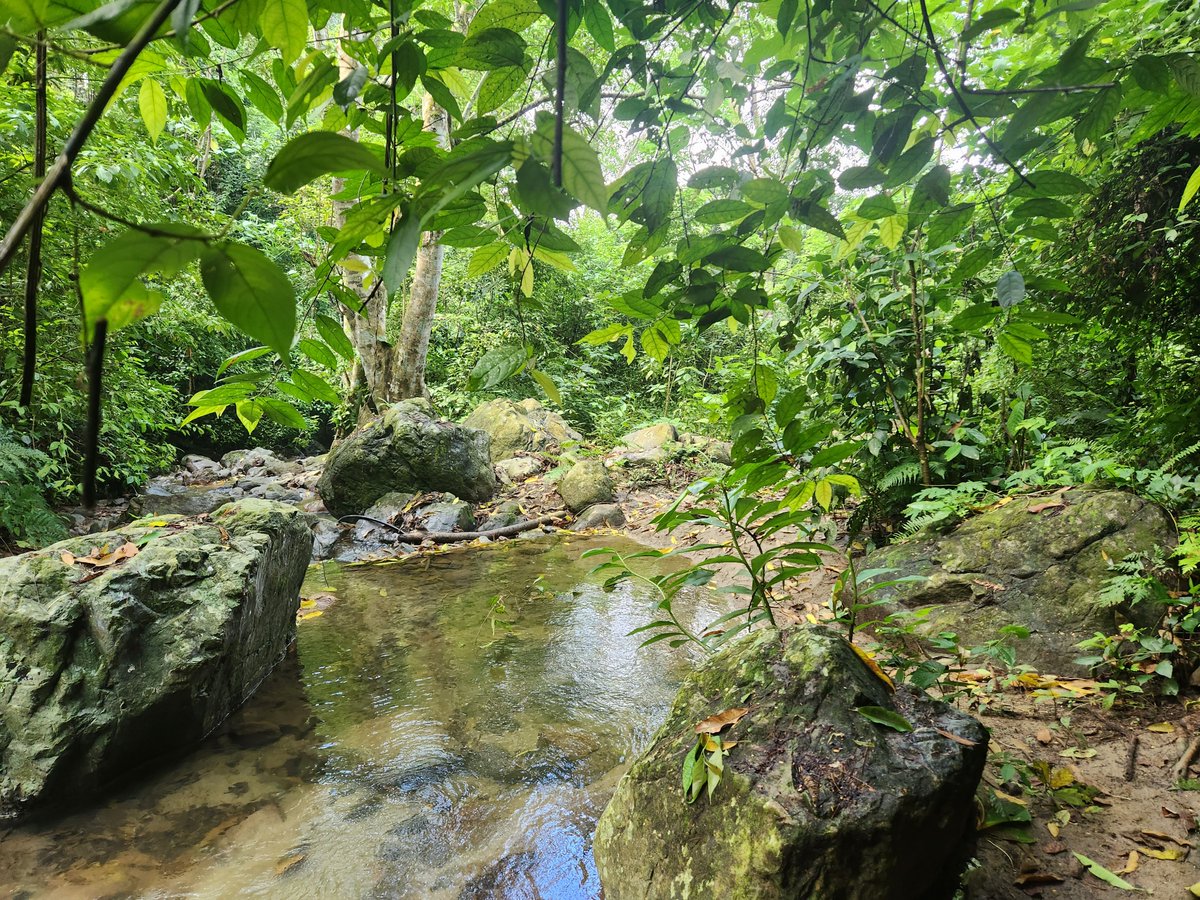
It's #EarthDay which celebrates environmental protection.
Honduras is one of the most dangerous places for land and environmental defenders. With our partner ERIC/@RadioProgresoHN, we support communities improving access to food and with legal advice as they defend land rights.
There are serious concerns about violations of International Humanitarian Law in Lebanon.
In response, various international, national and local NGOs have come together to call for the protection of civilians and civilian infrastructure. ⤵️
https://t.co/b1KliLVqLH
Hay noticias que cuesta muchísimo dar. Madrid es casa, uno de los lugares más especiales del calendario para mí, y por eso me duele tanto no poder jugar aquí por segundo año consecutivo. Me duele especialmente no poder estar delante de mi gente, en un torneo que es tan especial. Gracias por el cariño de siempre y ojalá nos veamos pronto ❤️
🌟 St Thomas More OX5, St Cuthbert’s NE3, St Aloysius L36, St Columba’s L36, St Robert’s NE61 and English Martyrs L21.
💚 Living simply, sustainably and in solidarity with communities around the world.
We need one another, and we need God. When we acknowledge our fragility, our hearts become open to supporting one another and to invoking the One who can grant what no human power can ensure: the profound reconciliation of hearts and, with it, true #Peace. #ApostolicJourney #Algeria https://t.co/fDNPDU2opE
Congratulations to @Newman_Uni, one of four Catholic universities in England, now ranked fourth nationally for social mobility! The ranking in part measures successful outcomes for students from disadvantaged backgrounds: https://t.co/DLVxrFTe2z @BhamDES@RCBirmingham
Developing countries lose billions annually through debt payments and tax avoidance.
The UK has a unique influence over finance and could make the most of the 2027 G7 presidency to fix a broken system. @MariaFFinnerty for the @brettonwoodspr. ⤵️
https://t.co/R4hUK48BD5
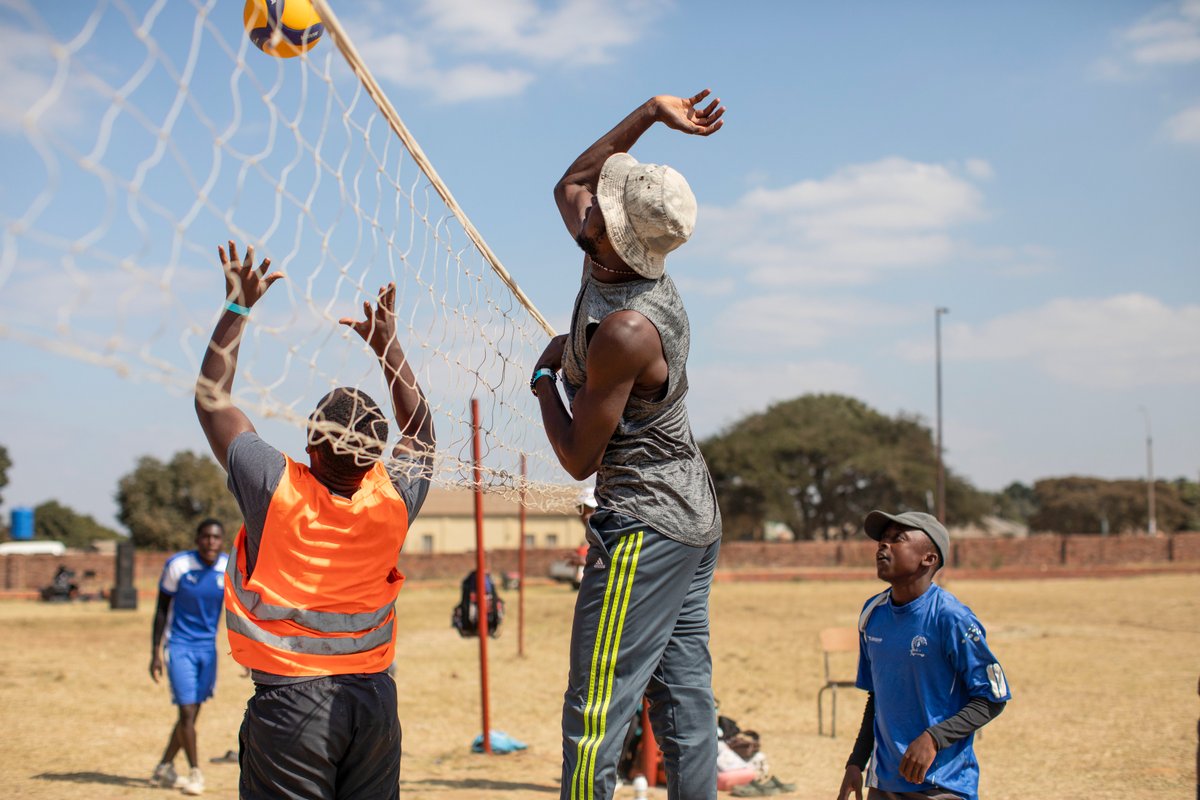
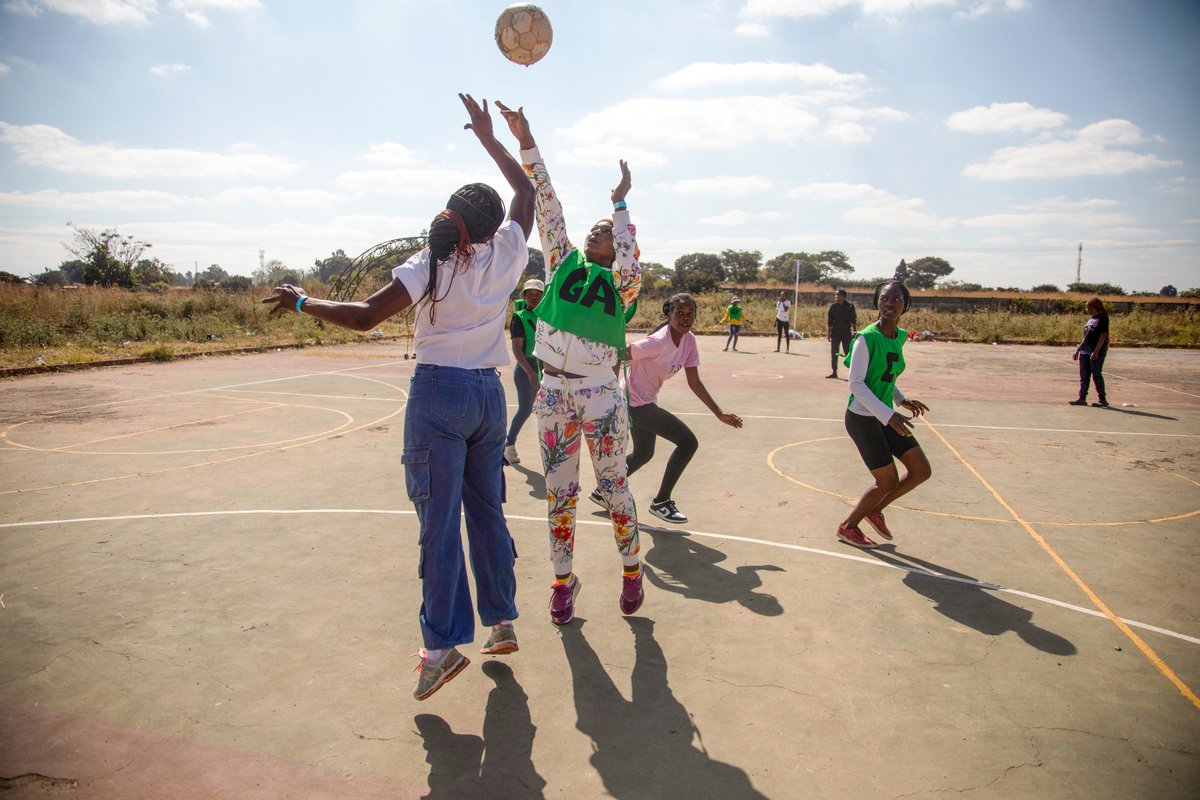
This Easter Monday is also the International Day of Sport for Development and Peace.
In Zimbabwe, we supported the Catholic Commission for Justice and Peace in organising a Sports for Peace Day using friendly competition forge a sense of community, cooperation and hope.