The sorrow I feel is beyond words. I have learned that a dear friend lost his life in a tragic accident. Gentlemen like him are rare. I pay my deepest respects to my kindhearted friend across the ocean and extend my condolences to all who knew and loved him. May he rest in peace.
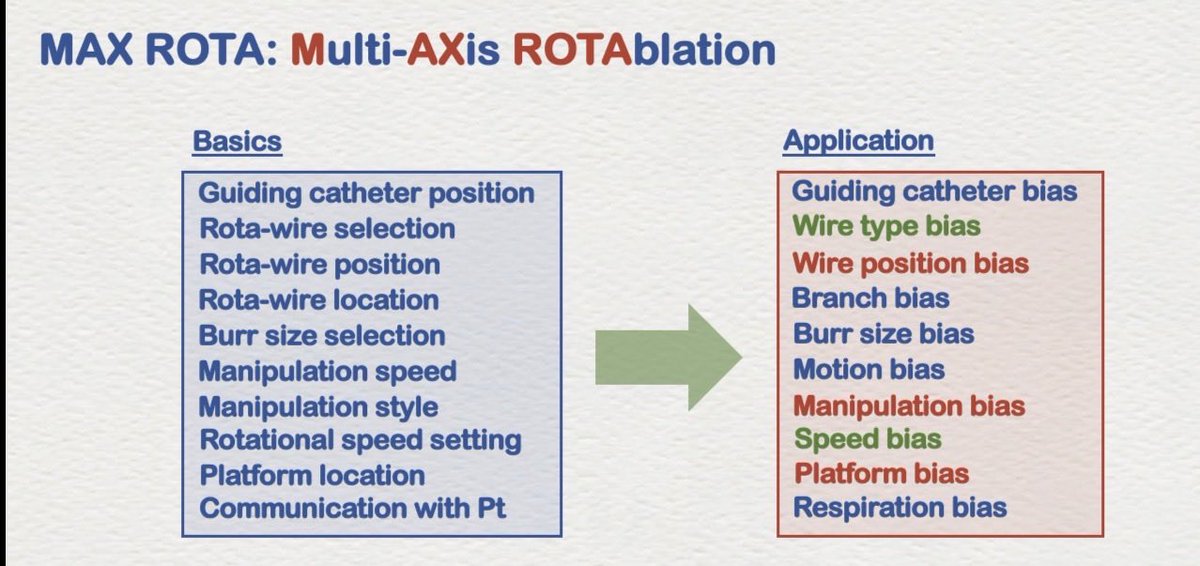
@care4urheart2@kunalpatankar@harshadsagar88 With careful burr manipulation like a cruising motion, the force vector is parallel to the vessel axis; however, caution is required with manipulation techniques such as rapid pecking motions, as the force vector tends to be directed toward the vessel wall.
@care4urheart2@kunalpatankar@harshadsagar88 However, if we use a deeper wire position as our baseline, we can keep burr behavior under control regardless of whether we are using rapid pecking motion, cruising motion, or intermittent motion.
@care4urheart2@kunalpatankar@harshadsagar88 I usually use a burr manipulation method called "cruising motion," but sometimes I use "rapid pecking motion." The advantages and disadvantages of each method depend on the specific case, so it’s impossible to generalize.
@kunalpatankar@care4urheart2@harshadsagar88 It is not the rapid pecking motion itself that is the problem; rather, it is the combination of that motion with a shallow wire position that poses a major problem. Shallow wire position is high risk during rotablation.
@kunalpatankar@care4urheart2@harshadsagar88 Ten years ago, during a live demonstration where I was serving as chair, an operator ignored my advice and combined these two techniques, resulting in the patient’s death. Positioning the wire as deeply as possible is a fundamental principle of PCI, not just rotablation.