Hear the stories of the creators, builders, and thinkers who turn ideas into reality, from art and music to science, technology, and everything in between.
The hardest part of creating isn’t starting. It’s knowing when to stop. Perfection can push your craft forward. But it can also keep your best ideas hidden.
How do you know when a project is ready for release?
#CreativeProcess#IndieCreators#Designers#Writers#Artists
Schwartz helped define early computer art. Her work sits at the beginning of a conversation that continues today: where does human creativity end and machine creativity begin?
Before digital art had software, Lillian Schwartz was creating it with early computers at Bell Labs. She used code, mathematics, and color to explore a new question: could a machine become part of the creative process?
#Art#Technology#DigitalArt#Design#Creativity
Her process combined programming with visual experimentation. Instead of asking computers to simply reproduce images, she used them to create forms and patterns she could not have imagined by hand.
Blair’s influence extended beyond film. Her work shaped the design of Disney attractions and continues to inspire artists working in animation and visual storytelling.
Mary Blair’s unusual colors and simple shapes changed how Disney imagined animated worlds. Her concept art influenced films including *Cinderella*, *Alice in Wonderland*, and later Disney theme park designs.
#Animation#Art#Design#Illustration#Creativity
Her concept paintings were not finished animation frames. They were visual experiments that helped directors and artists understand the mood and feeling of a story.
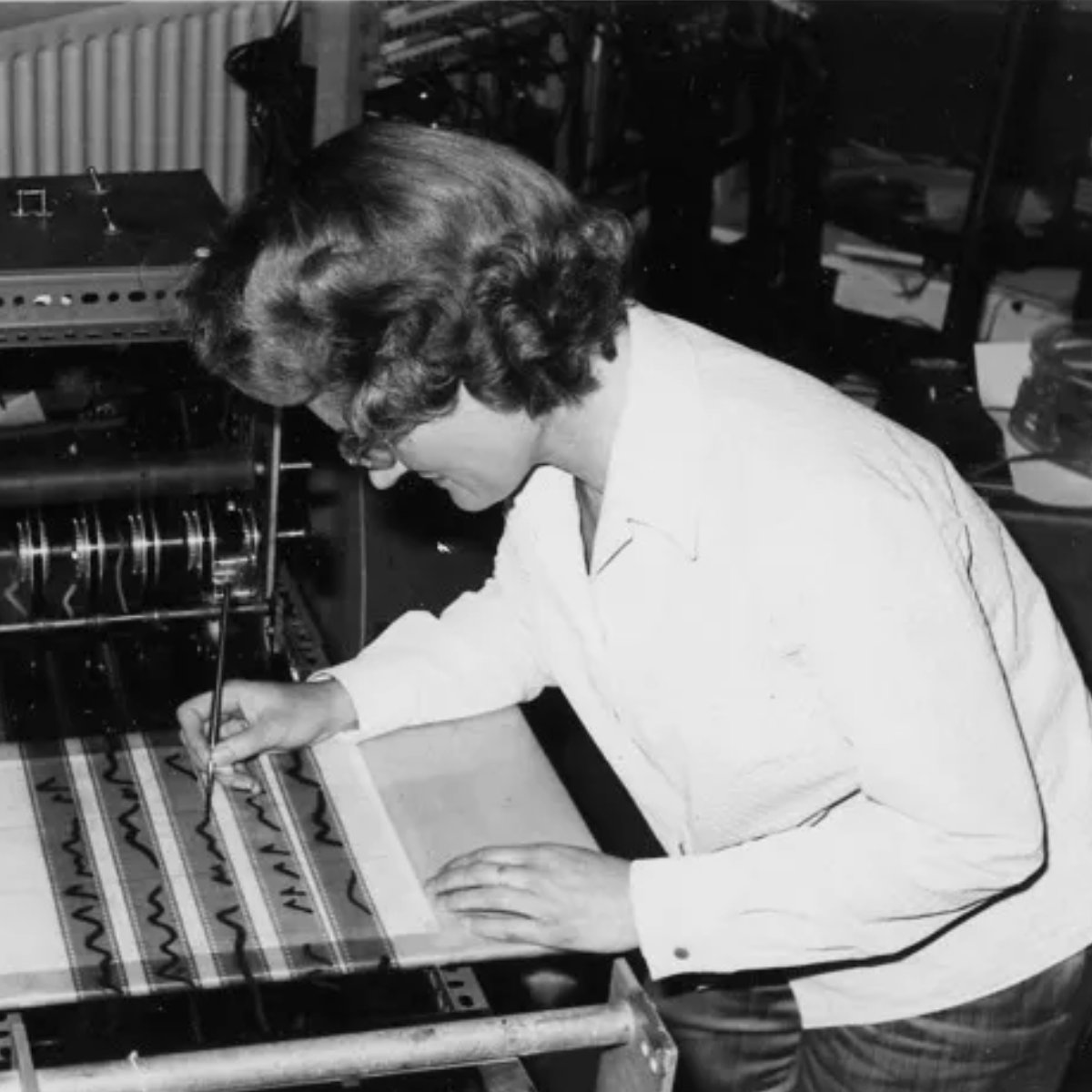
Oram spent her career exploring the connection between technology, visual art, and music. Her ideas anticipated many tools used by electronic musicians and sound designers today.
In the 1960s, Daphne Oram created music by drawing waveforms on film. Her Oramics system transformed visual patterns into electronic sounds, decades before modern software made visual sound editing a common creative tool.
#Music#Technology#SoundDesign#ElectronicMusic
Her Oramics machine allowed composers to draw shapes that controlled elements of sound. A line, curve, or pattern on film could become part of a musical composition.
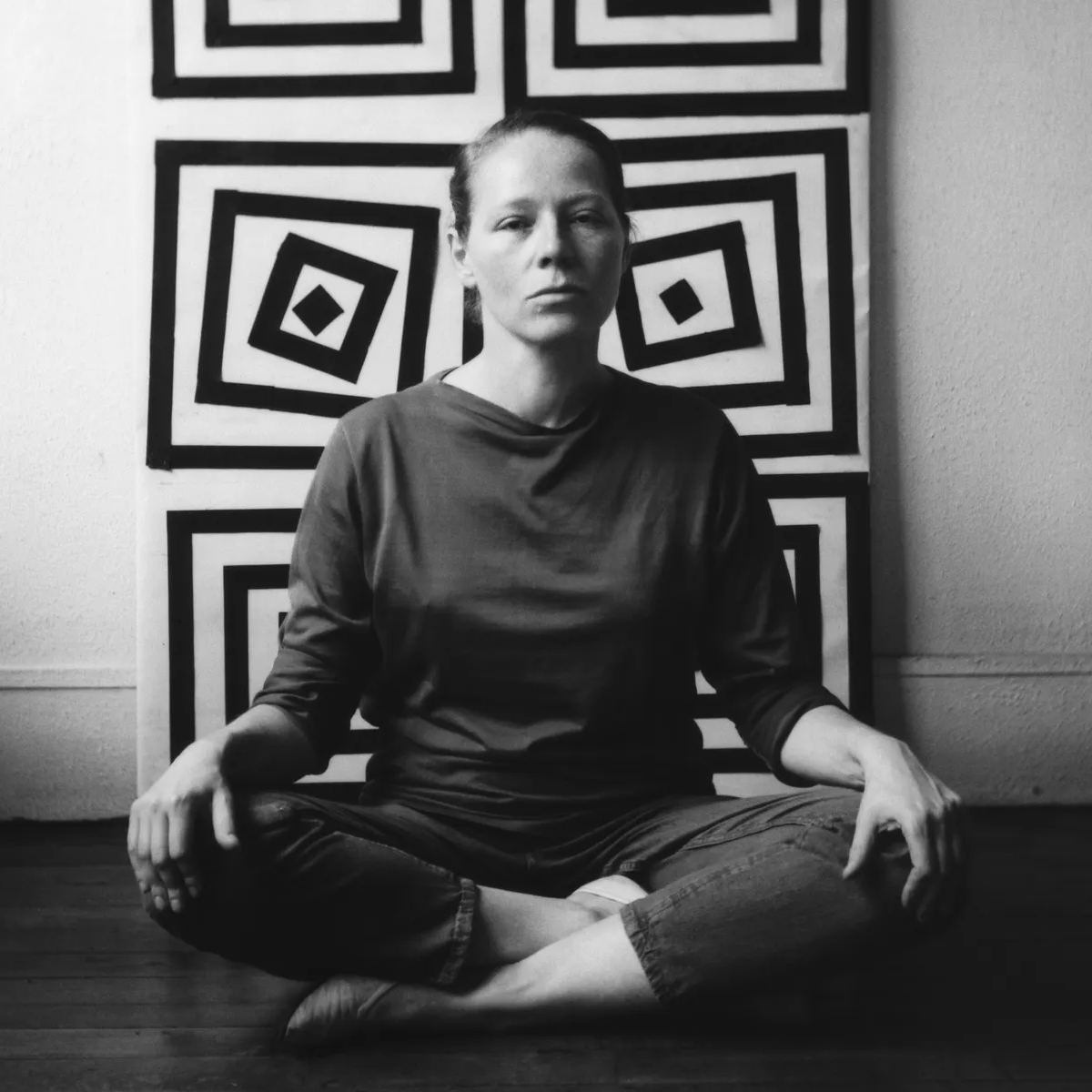
Her work helped shape the early history of algorithmic and digital art. She spent decades exploring the space between human decisions, chance, and machine-generated possibilities.
Vera Molnár explored computer art in the 1960s, before most people had ever used a computer. She combined rules, repetition, and chance to create new ways of seeing.
#Art#Technology#Creativity#DigitalArt#Design
When she began working with computers, she used them as a tool for experimentation. She could create variations quickly, but the ideas, rules, and questions still came from her.
Herb Baker tells a story that reminds you that even the smartest engineers sometimes end up solving problems nobody could have predicted.
Full episode: https://t.co/GlVgfzvhk3
#NASA#Space#SpaceHistory#Engineering#WeirdHistory