What is ROUNDUSK?
ROUNDUSK is an onchain ecosystem for launching tokens and building paired markets, supported by Lock, Bridge, and Swap
The idea is simple: when a token launched through ROUNDUSK is traded, the fee rewards collected by the ROUNDUSK engine have a defined path
Here’s how it works
A trader may discover a paired market while holding funds on another network. ROUNDUSK is designed to connect that journey through Bridge and Swap. Bridge moves supported assets to the destination network; Swap exchanges those assets in an available market. The route matters because the asset received must be supported by the intended swap
Each step needs its own clear status and costs. Before bridging, users should see the destination network, receiving asset, estimated arrival amount, and transfer fees. Before swapping, they should see the expected output and trading costs. Tracking these steps helps users understand where their funds are and what still needs to happen before they hold the token they came to trade
A paired market gives a token its starting point. Trading generates fee rewards for creators and funds the vault. When the vault realizes distributable profit, it can support creator rewards and ROUNDUSK buybacks. ROUNDUSK Capital, engineered
A token launch is just the beginning. ROUNDUSK is being built to connect paired markets, trading activity, and the capital that moves through them. ROUNDUSK Capital, engineered
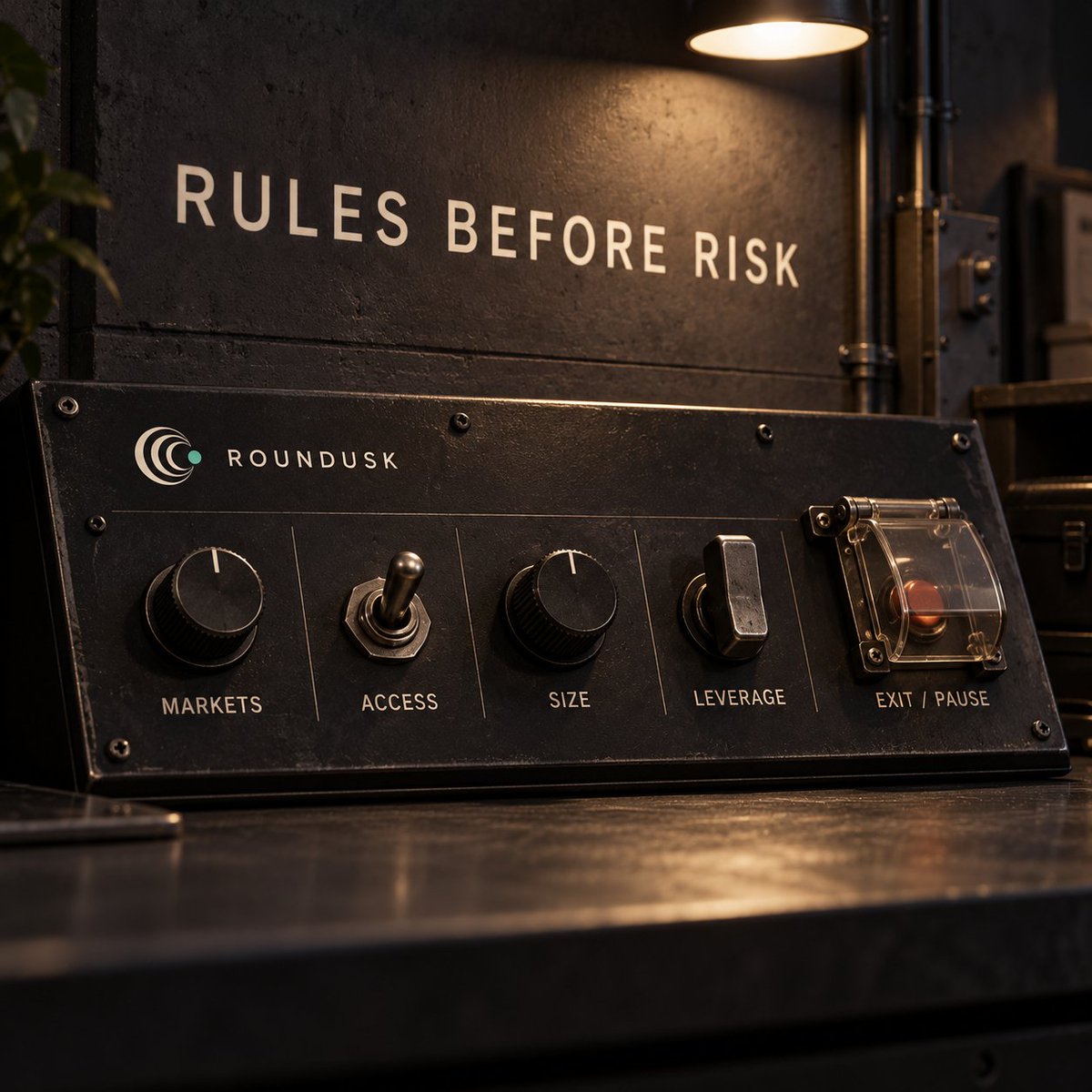
Before vault capital enters a trade, the rules should already be clear. For ROUNDUSK, that means documenting which markets are supported, who can open and close positions, how much capital can enter each trade, and the maximum leverage allowed. A fee allocation provides funding; these decisions determine how that funding is exposed to the market
Position size matters because it determines how much vault capital is committed to one outcome. Leverage affects how quickly gains and losses can develop. Closing and pause rules define how trading can be stopped. These are the details creators need to understand how the vault operates and what can affect future profit rewards
A token lock and a trading vault have different jobs in the ROUNDUSK model. Lock is designed to restrict access to supported tokens or liquidity positions under defined terms. The trading vault receives a separate allocation of collected fee rewards to fund equity derivative positions. Locking an asset does not automatically turn it into trading capital
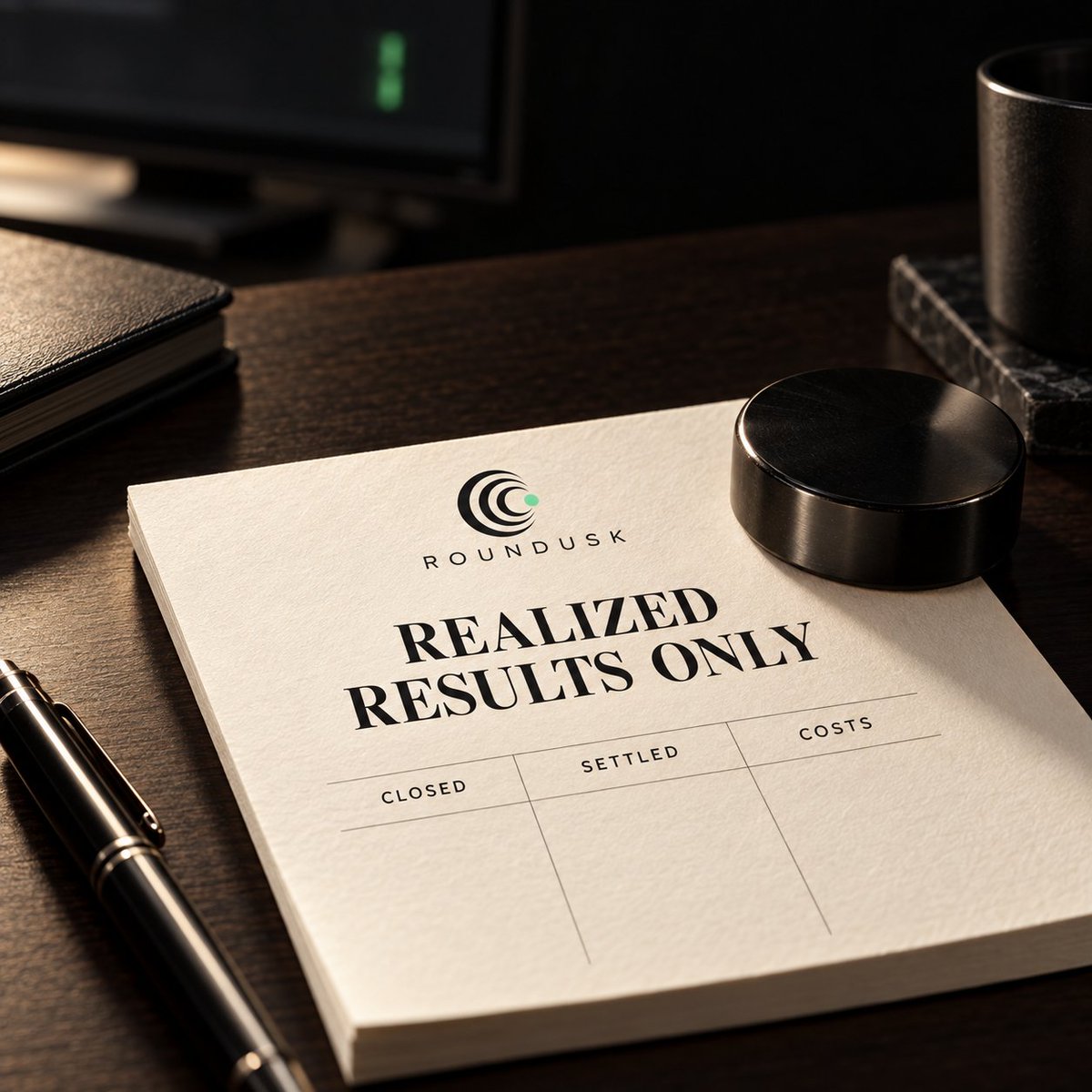
Each needs its own information. For a lock, users should see the asset, amount, release conditions, and recipient. For the vault, users should see capital committed to positions, realized results, costs, and rewards available to claim. Showing these details separately helps people understand where funds are held and how they are being used
@okx More value for builders. ROUNDUSK is designed to connect paired markets, creator rewards, and a trading vault funded by fees. Shared conviction in rewarding creation
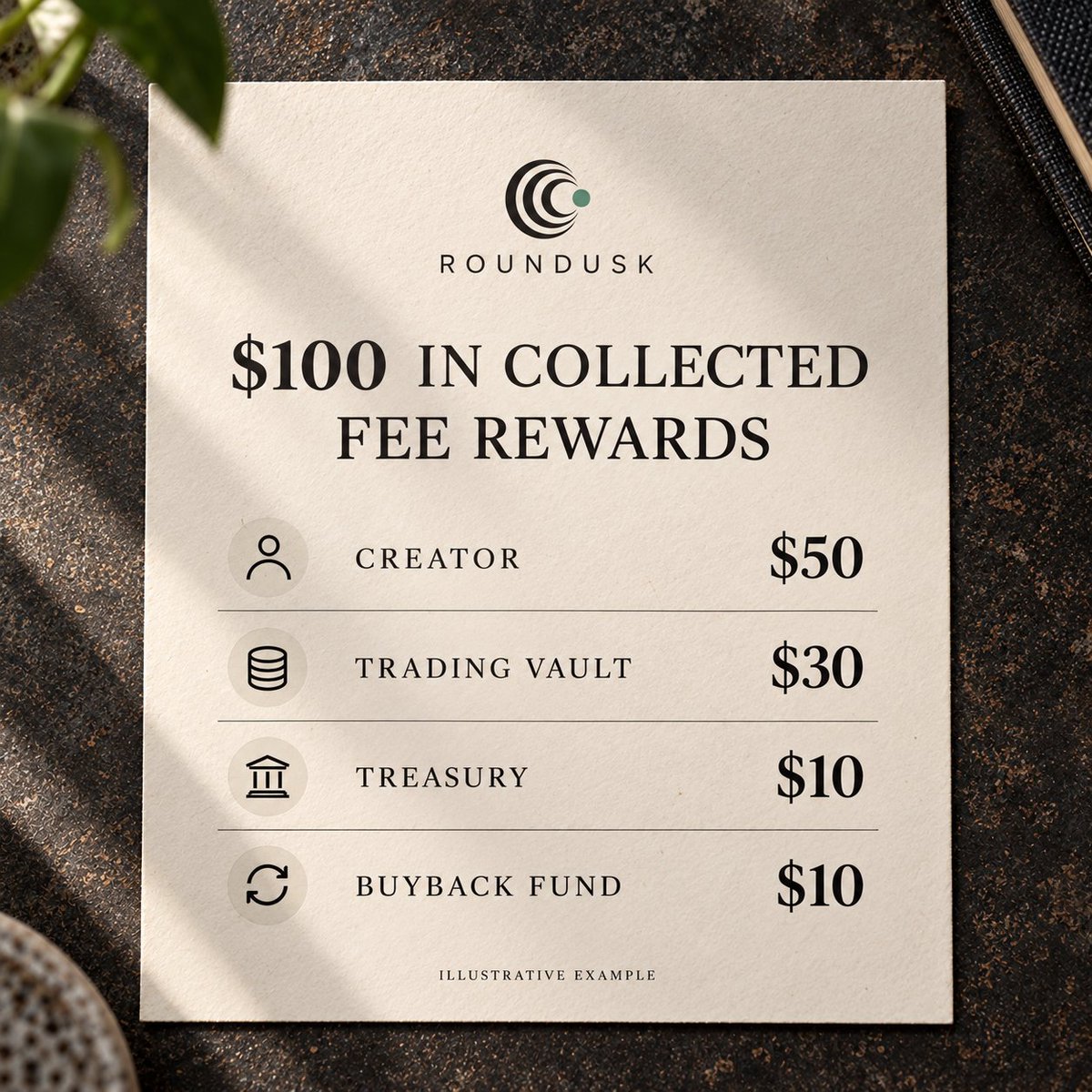
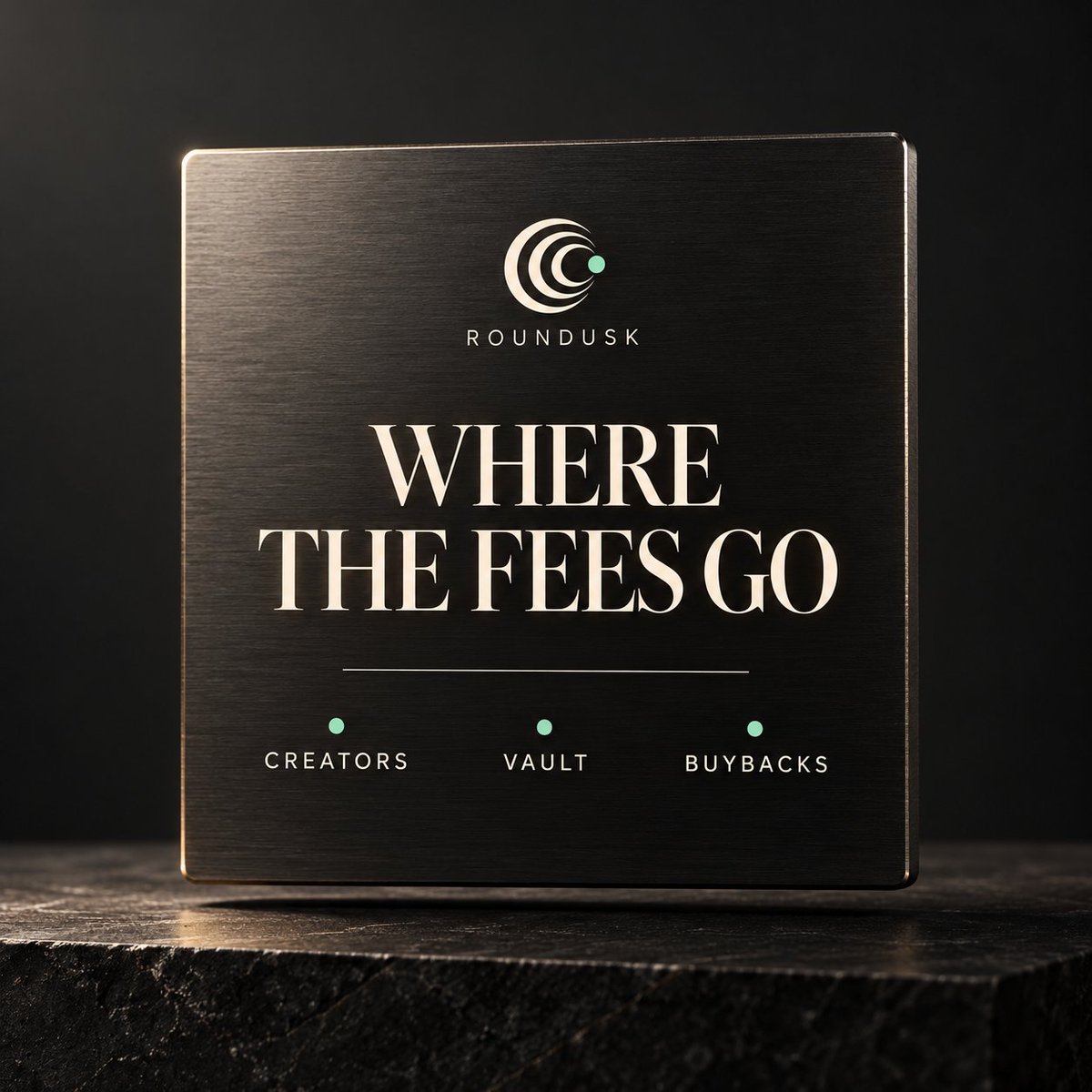
Here is how the ROUNDUSK model works with an example. If the engine collects $100 in fee rewards from trading a launched token, $50 is allocated to the eligible creator, $30 to the trading vault, $10 to the treasury, and $10 to fund a ROUNDUSK token buyback and burn. This split applies to the rewards collected by the engine, not to the full trade amount
The vault can use its $30 allocation to open a stock-linked derivative position. If that position closes with $8 in realized profit after costs, $4 is allocated to creator Vault Profit Rewards and $4 funds another buyback and burn. The remaining principal returns to the vault. If the position closes at a loss, there is no vault profit to distribute, and vault capital is reduced
A paired market gives a new token somewhere to trade. But the choice of pair also shapes how people enter that market
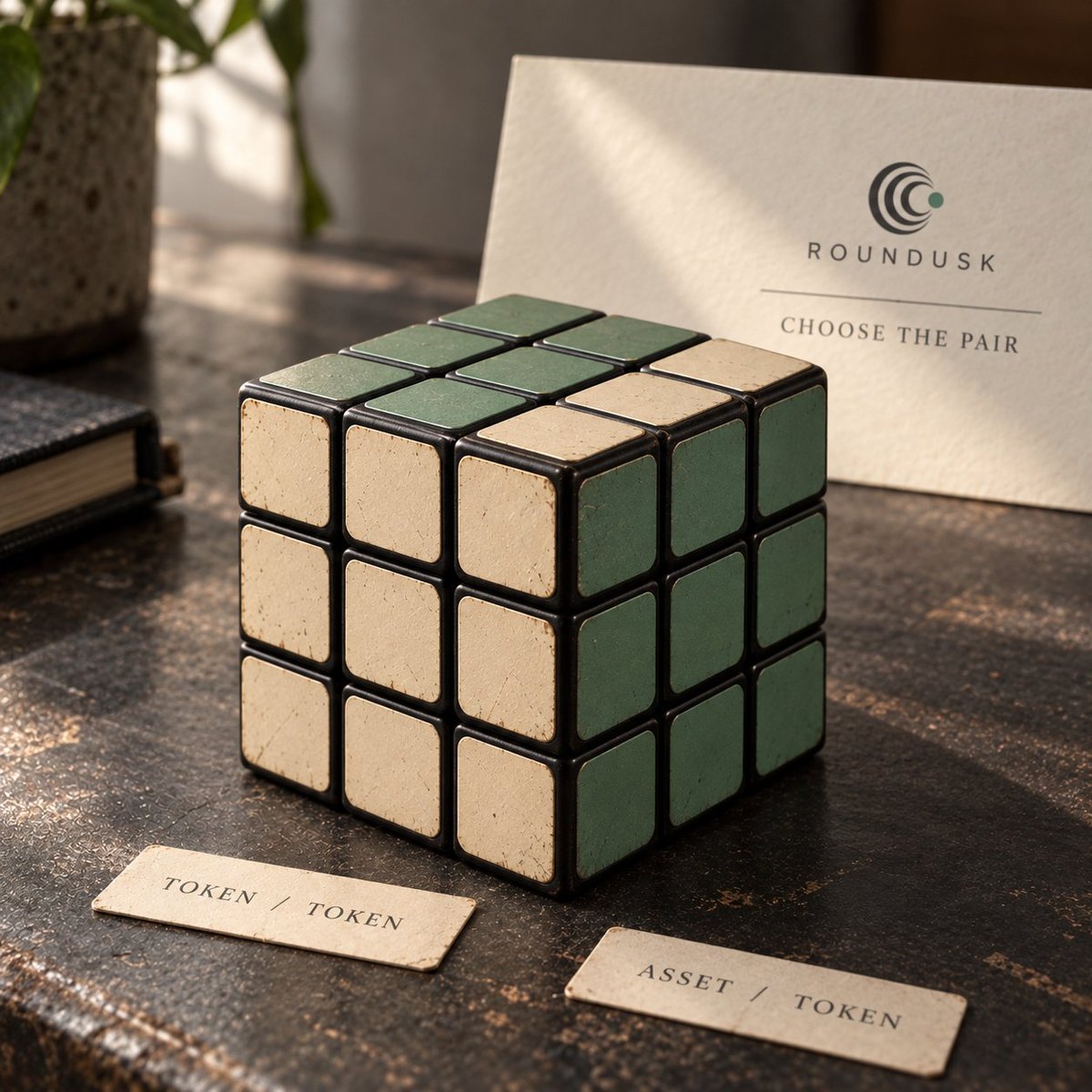
ROUNDUSK is designed to support token/token and selected asset/token pairs, including supported tokenized stocks. The goal is to let creators build markets around a clear trading idea, then connect the activity in those markets to the fee engine
What can a creator actually claim from ROUNDUSK?
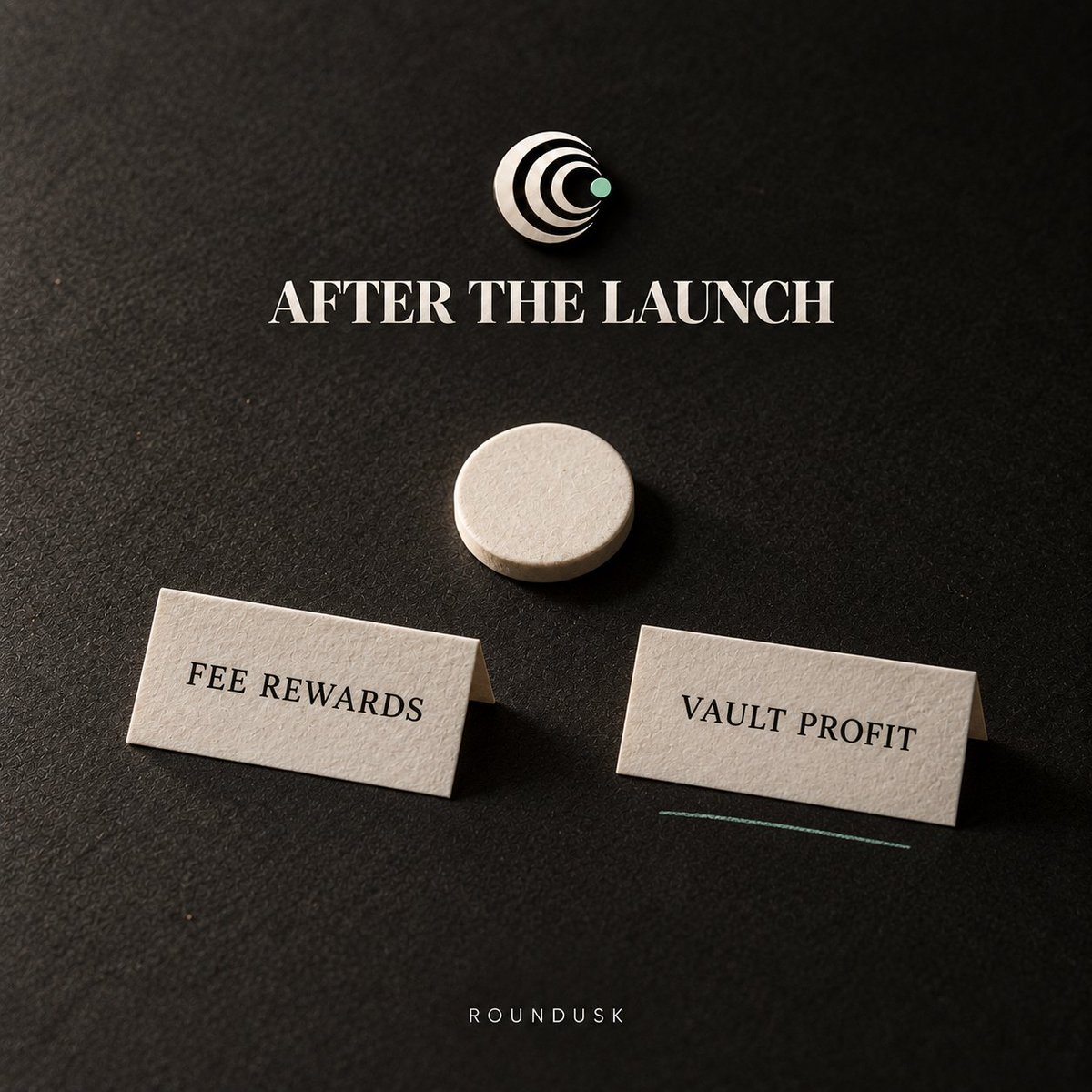
The model has two separate rewards: a share of collected trading fees and a share of distributable vault profit. Fee rewards come from activity in the launched market. Vault profit rewards only become claimable after a position closes in profit and settles. One source follows trading activity; the other depends on a realized result
A green number on a trading screen is not a reward yet
For ROUNDUSK, vault profit only enters the reward split after a position closes, the result is settled, and costs are accounted for. Until then, the value can still change. That distinction keeps creator rewards tied to realized results
Trading fees can fund a buyback, but setting funds aside is only the first step
ROUNDUSK is designed to show the difference between funds waiting to be used and tokens actually bought and burned. A completed burn should be something people can verify, not just a number on a dashboard
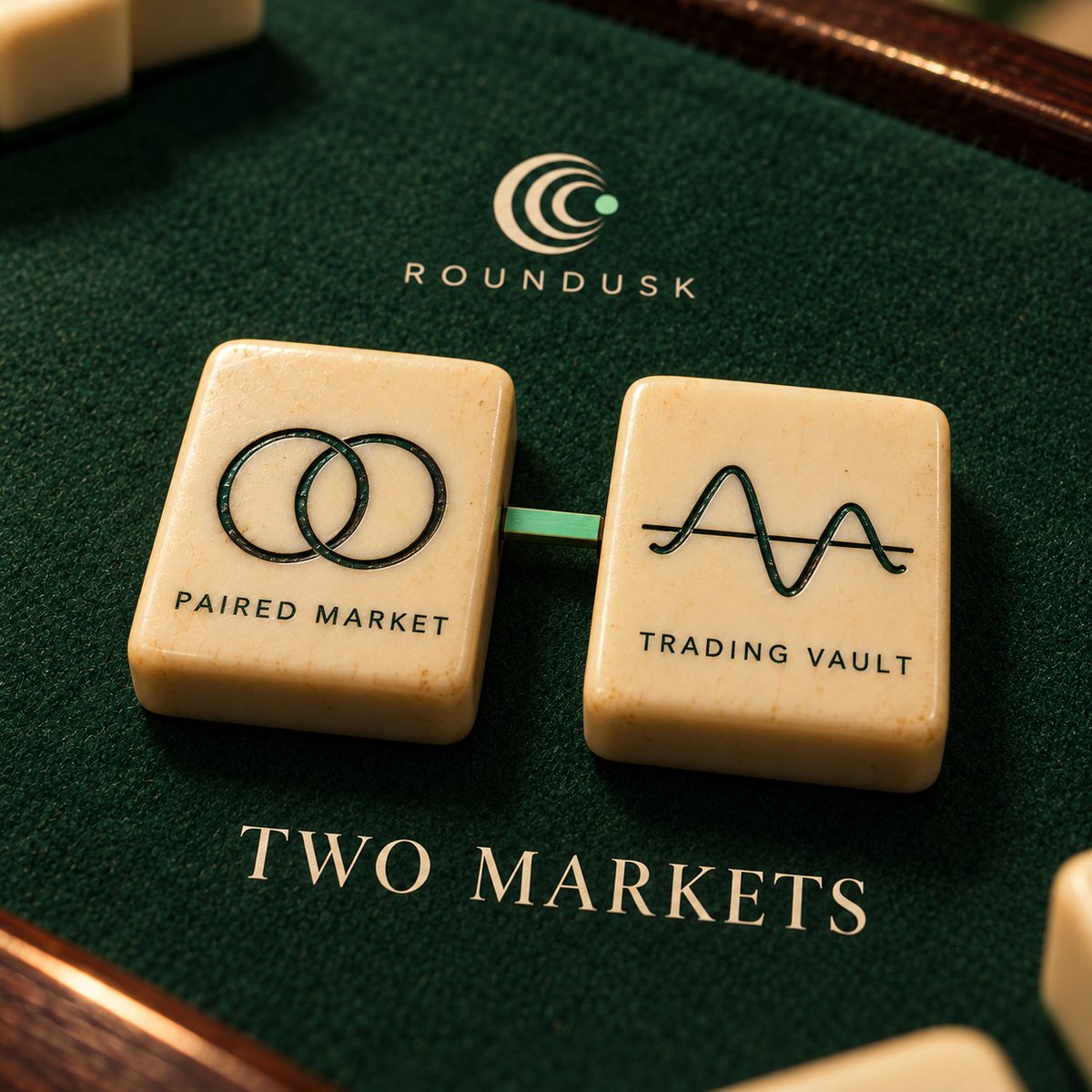
ROUNDUSK connects two markets
First, people trade a token launched through a paired market. That trading can generate fee rewards. Then, the vault uses its allocated share of those fees to trade supported stock-linked perpetual markets
The first market generates fees. The second puts part of those fees to work, with the possibility of profit or loss ROUNDUSK Capital, engineered
A creator shouldn’t have to assemble a market across four different places
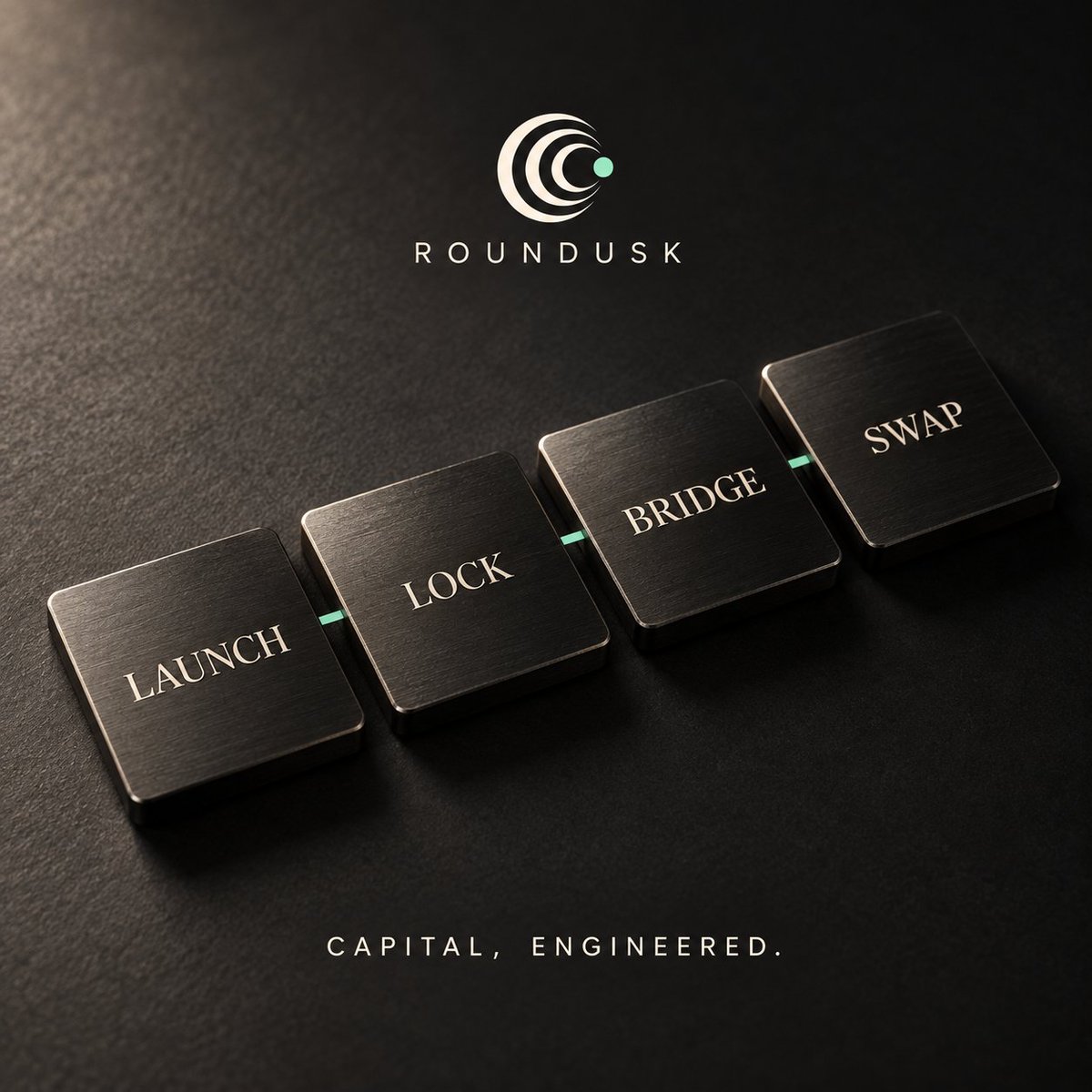
ROUNDUSK is being built around one flow: launch a token with its pair, set a lock under defined terms, bring in supported assets through Bridge, and trade through Swap. Each tool has a job. Together, they give the market a place to begin and a way to keep moving
ROUNDUSK Capital, engineered
What happens to a market’s fees after a token launches?
On ROUNDUSK, the answer involves creator rewards, a trading vault, and a path to protocol buybacks. The full article walks through where the money goes, when profit can be shared, and what happens if the vault loses
Start here ↓
Who receives creator rewards on ROUNDUSK?
They are intended for the eligible creator who launched the token. Buying or holding that token does not give someone a claim to the creator’s share of trading fee rewards or vault profit
That distinction should be clear on every token page: who the eligible creator is, which rewards have been allocated, and which amounts are ready to claim
The vault’s 30% fee allocation is capital for trading, so how that capital is used matters. ROUNDUSK’s strategy will need clear rules for which stock-linked markets it can trade, how large a position can be, and when a position must close
Creators should be able to see the outcome after settlement: capital returned, costs paid, and any profit available to share. A loss is a loss to the vault, with no profit reward from that position
Launching a token takes a moment. What happens after it starts trading matters more. ROUNDUSK is designed to let creators build a paired market and receive a share of the fee rewards it generates
A separate share funds the trading vault. If a vault position closes with distributable profit, eligible creators may receive an additional reward. Fee rewards and vault profit rewards are tracked separately, so creators can see where each amount came from
When a creator launches a token on ROUNDUSK, they can pair it with another supported token or a supported tokenized stock. That pair is the market where people can trade it
The choice of pair matters. Before trading, users should be able to see which asset the token is paired with, how much liquidity is available, and the trading conditions