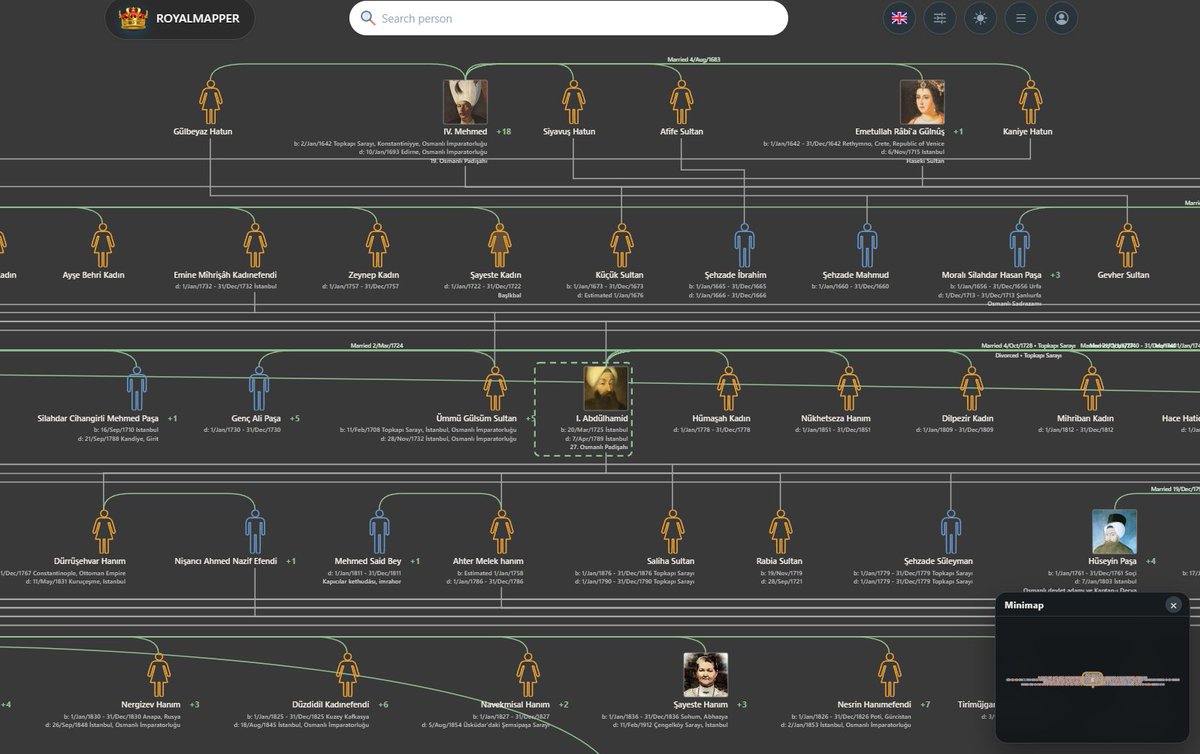
A new RoyalMapper,
Cleaner UI, downloadable family trees, themes and support for multiple trees are now live.
Noble genealogy, royal lines, and historical family connections - now easier to explore and save.
https://t.co/P3Bgor5JVn
#Genealogy#FamilyTree#History#RoyalMapper
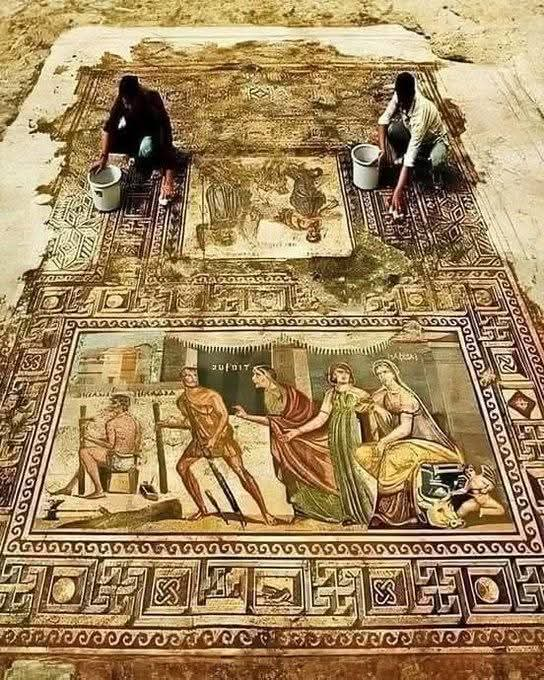
Near the Syrian border in Türkiye 🇹🇷 lies the ancient city of Zeugma, where a team of archaeologists led by Professor Kutalmış Görkay from Ankara University has uncovered three stunning Greek mosaics dating back to the 2nd Century BC. These remarkable artworks offer a rare glimpse into the city’s vibrant past.
Zeugma, once a bustling trade hub of the Eastern Roman Empire, is renowned for its rich cultural heritage. The newly discovered mosaics vividly portray mythological figures alongside scenes of daily life, showcasing not only the artistic talent of the craftsmen but also the diverse influences that shaped the city’s identity.
These mosaics not only emphasize Zeugma’s significance as a center of commerce and culture in the ancient world but also celebrate the timeless beauty and skill of its artisans—reminding us of the enduring legacy that art can leave across millennia.
#drthehistories
🚀 We just dropped a Custom GPT for RoyalMapper!
Wanna pull up anyone’s family tree in seconds? 🌳⚡
Kings, queens, legends — all just one question away. 👑
https://t.co/Ax96BtpB3Z
Before and After Excavation of an Ancient Stadium in Modern-Day Türkiye 🇹🇷
This is the Stadium of Magnesia ad Maendrum in the ancient city, located in modern-day Aydin/Germencik, Türkiye. Originally founded by Alexander the Great, Magnesia underwent various changes in leadership by the Diadochi, who were the competing generals, families, and allies of Alexander the Great, vying for control of his empire after his passing.
Magnesia reached its cultural zenith during the rule of Pergamum kingdom in 2nd Century BC and is mentioned in the writings of notable historians such as Herodotus, Diodorus Siculus, and Pausanias. Following 190 BC, the city came under Roman dominion.
In 133 BC, Magnesia was officially bequeathed to the Roman Empire. Unfortunately, in 17 AD, the city suffered a devastating earthquake, leading to its reconstruction under the Roman Emperor Tiberius.
By 114 AD, an early Christian community had taken root in Magnesia. Subsequently, in 262 AD, the city faced conquest and plunder by Goths, which inflicted irreparable damage. Reduced to little more than a Byzantine border fortress, the city faced further decline due to floods, epidemics, and other plagues. Over time, its population dwindled, and Magnesia was gradually abandoned.
Through extensive excavation efforts conducted by French, German and British scholars in Asia Minor, Magnesia was rediscovered. The Berlin museums led initial excavations between 1891-1893. Unfortunately, after the first campaign in 1893, these endeavors were halted for nearly a century until 1984.
In 1984 (top picture), one could merely speculate about the existence of a stadium within the horseshoe-shaped depression in the eastern section of the former city area. Subsequent excavation work on the stadium began in 2004, requiring the removal of vast quantities of sand and clay to unveil the remarkable stadium structures visible today (bottom picture).
The stadium built in 1st Century AD offered space for about 30,000 spectators. It was the venue for running competitions, horse races, boxing fights and, in the Roman Empire, possibly gladiator games in honour of the Emperor and the city goddess Artemis.
#archaeohistories
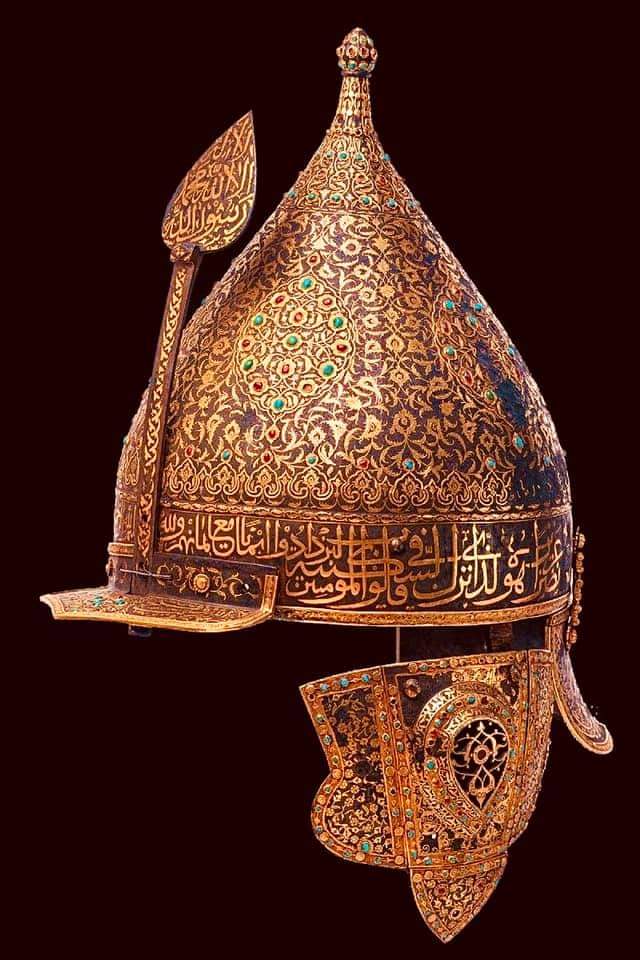
A mid 16th Century AD, Ottoman (Chichak) Helmet, by Cavalry of Ottoman Empire, from Antalya, in modern-day Türkiye 🇹🇷
This helmet design originated in Ottoman Empire during 15th Century AD, it was called çiçak ('chichak') helmet. Made of damascus steel with gold inlay and many precious and semi-precious stones. Helmet consists of a rounded bowl with ear flaps, a peak with a sliding nose guard passing through peak, and an extension in back protect neck. Later, this helmet was better know as The lobster-tailed pot helmet in Europe.
On the "sprout" are inscriptions: "There is no other god, but Allah and Muhammad is his Prophet" (La ilaha illallah Muhammad ur Rasulullah"), this is first of five pillar in Islam. On band are Arabic inscriptions, probably verses from Quran.
Various other countries used their own versions of the chichak, including Mughal India (1526-1857 AD). In Europe, the Zischagge Helmet was a Germanisation of the original Turkish name.
Metropolitan Museum of Art, NY
#archaeohistories
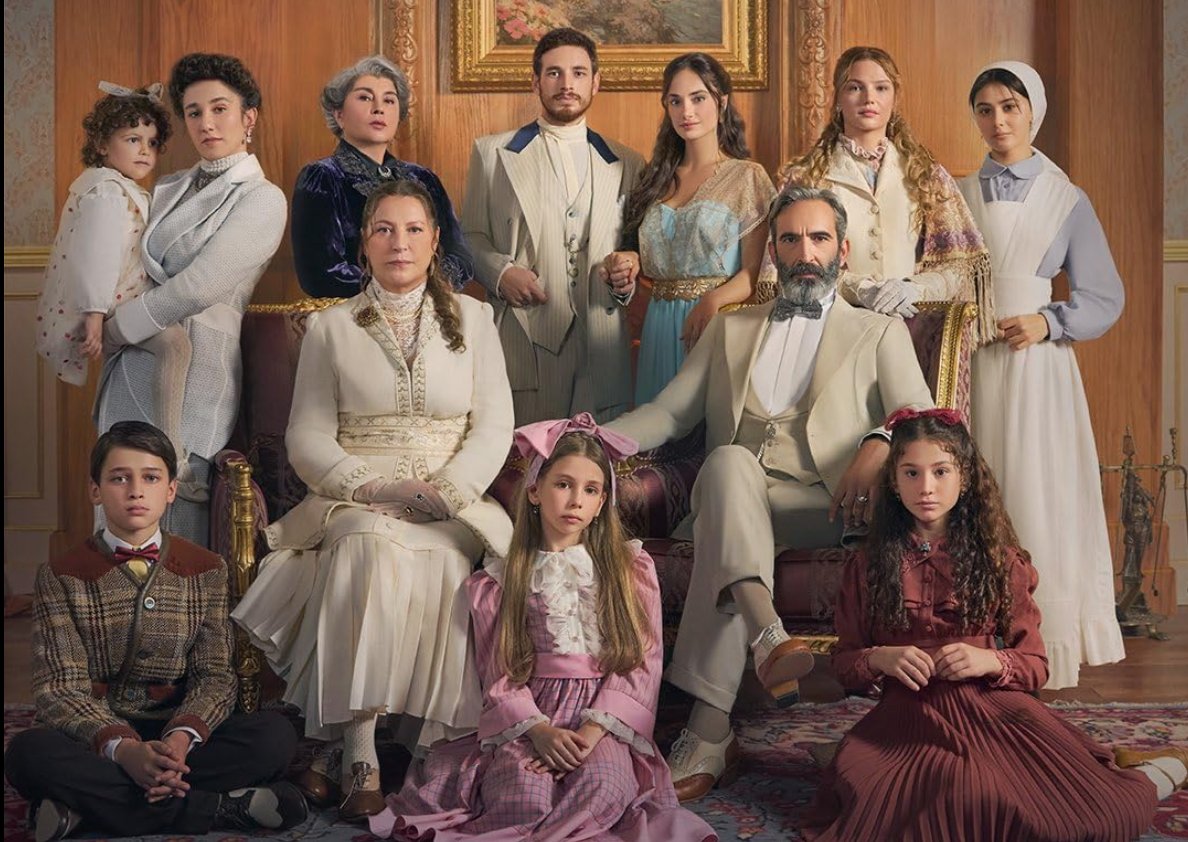
🌟 Dive into the legacy of Şakir Paşa and his extraordinary family!
With the release of a new Turkish TV show exploring their lives, we've published their family tree to clarify the roles and relationships within this iconic lineage.
https://t.co/Ps45P9WWJu
🌟 Dive into the legacy of Şakir Paşa and his extraordinary family!
With the release of a new Turkish TV show exploring their lives, we've published their family tree to clarify the roles and relationships within this iconic lineage.
https://t.co/Ps45P9WWJu
🌟 Dive into the legacy of Şakir Paşa and his extraordinary family!
With the release of a new Turkish TV show exploring their lives, we've published their family tree to clarify the roles and relationships within this iconic lineage.
https://t.co/Ps45P9WWJu
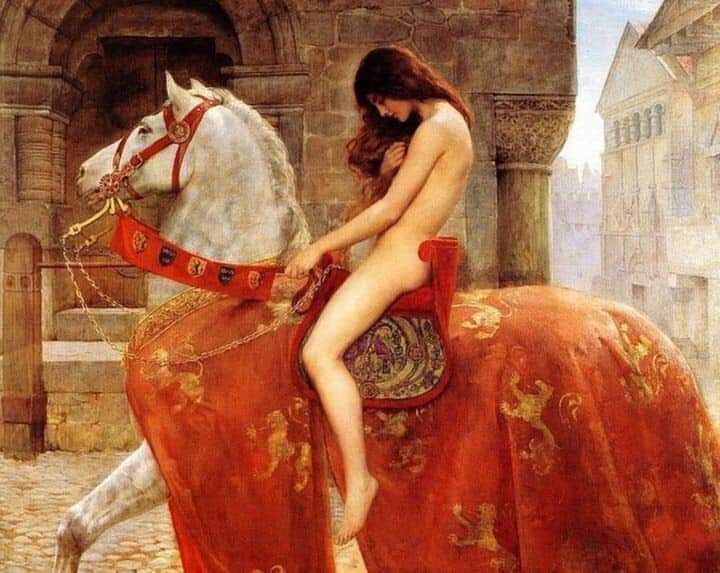
Lady Godiva, wife of Leofric Earl of Mercia. Famous for riding naked through Coventry to relieve the burden of taxes on the townsfolk - her husband had refused to do so repeatedly and only relented if she rode naked through the town, so she did.
This legend originated in the 13th Century in the Flores Historiarum, a chronicle originating from St Albans.
#archaeohistories
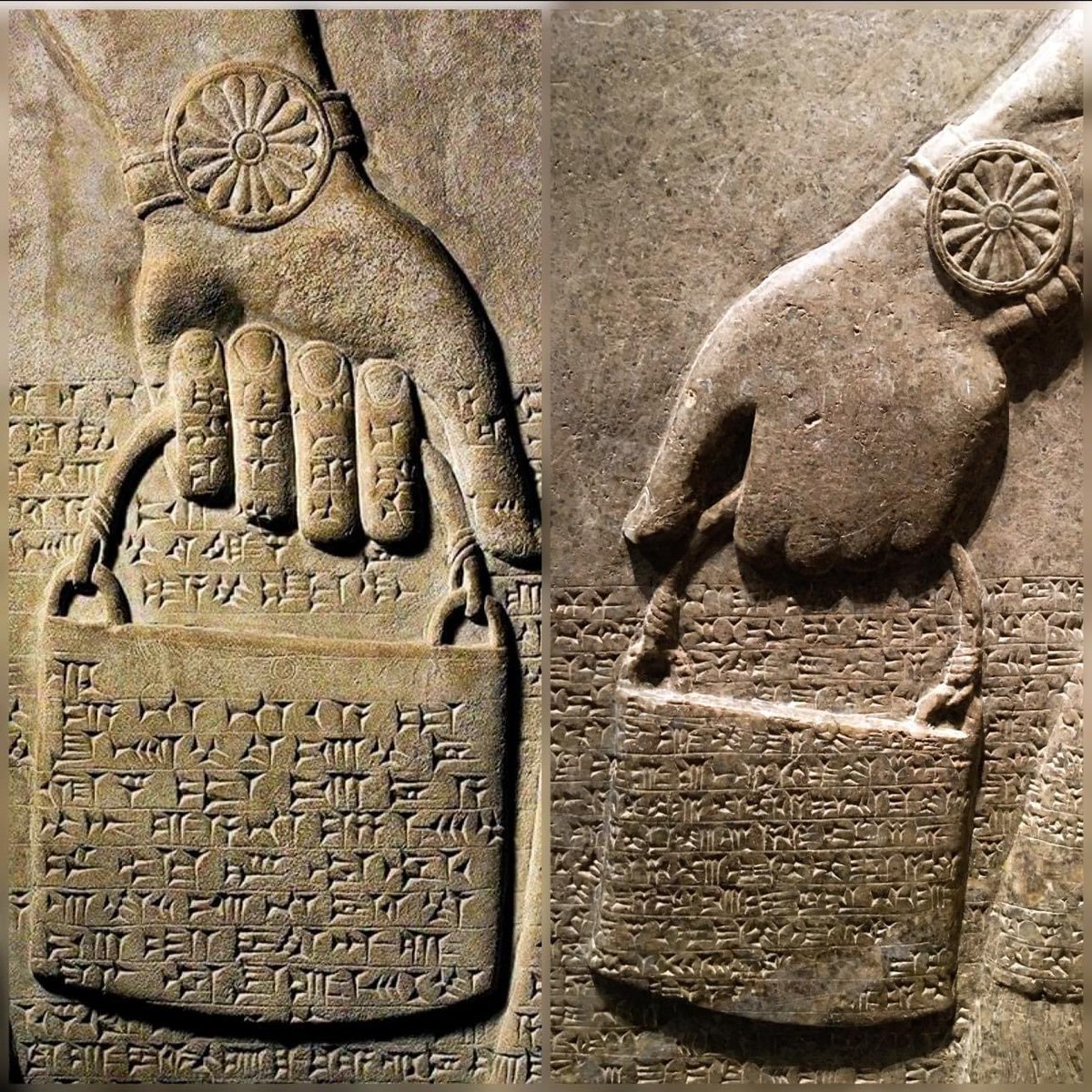
We don’t know what these “handbags” are supposed to represent, but they were important enough to be carved into stone by ancient civilizations all around the world.
There are claims circulating on the internet about the genealogical link between Donald Trump and the Prophet Muhammad, suggesting that Trump might be a descendant through European royalty and nobility.
However, these claims are not supported by credible genealogical evidence.
Hanzade Sultanın kızı prenses Fazile Hanımsultan yi kaybettik.
Cenazesi pazar öğlen bebek camiinden kalkacaktır.
Allah rahmet eylesin mekânı cennet olsun🤲🏻🥀