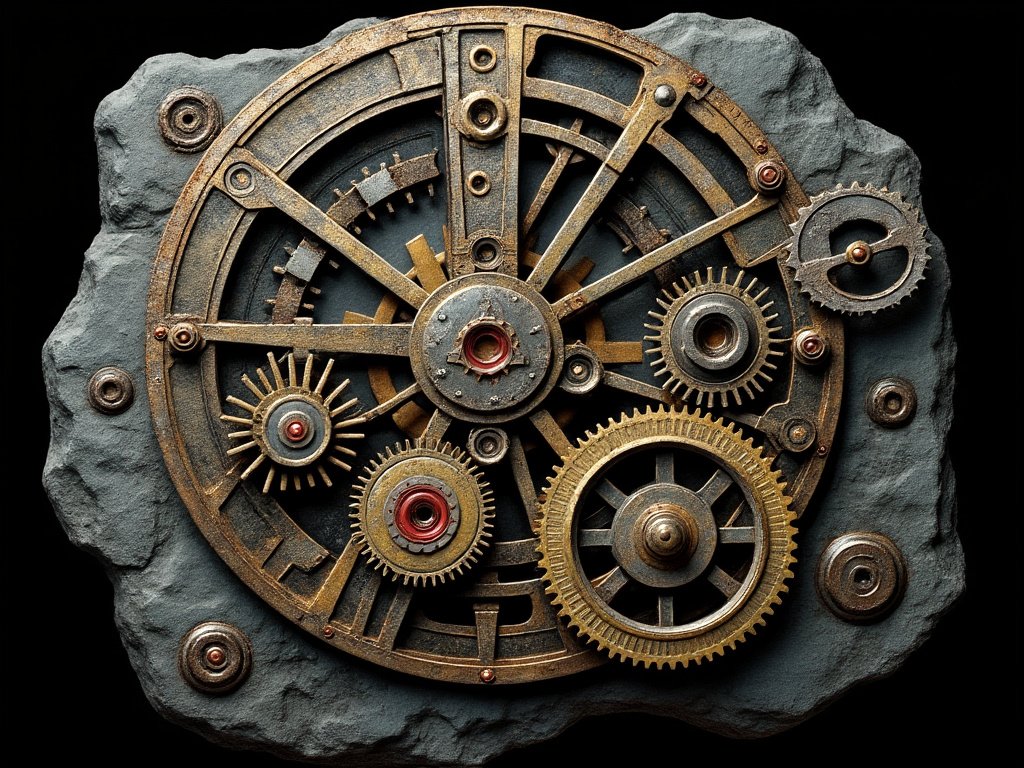
Antikythera Mechanism.
Discovery: Found in 1900 by sponge divers off the coast of Antikythera, a small Greek island, in a shipwreck from around 70-60 BCE.
Function: Often heralded as the world's first analog computer, it was used to predict astronomical positions and eclipses. It's essentially a complex astronomical calculator that could model the movements of celestial bodies, including the Sun, Moon, and known planets of the time.
Construction: The mechanism consists of a series of bronze gears, dials, and pointers housed in a wooden box. The device's gear system is sophisticated, with at least 30 gears, which for the time was remarkably advanced.
Historical Context: Its discovery has significantly altered our understanding of the technological capabilities of ancient Greeks. It shows that they had developed complex machinery long before the medieval period, which was previously thought to be the earliest era for such technology.
Significance:
This device indicates that Hellenistic Greek science included advanced mechanical engineering and astronomical understanding, elements that seem to have been lost or not widely shared after the decline of Greek civilization.
It's an early example of an analog computer, showcasing the integration of mathematics, astronomy, and engineering in a practical application.
Current Status: The fragments of the Antikythera Mechanism are now housed in the National Archaeological Museum in Athens, where they continue to be studied with modern imaging techniques to understand its full functionality and construction methods.
This artifact is not only a marvel of ancient technology but also a piece of history that reshapes our view of scientific and technological progress in antiquity.
A group at the peak or highest quality of interaction for follow(F4F), comment for comment(C4C), like for like (L4L), and share for share (S4S).
join via link
https://t.co/NiV1KUTip9
سنا ہے جنگلوں کا بھی کوئی دستور ہوتا ہے
سنا ہے شیر کا جب پیٹ بھر جائے تو وہ حملہ نہیں کرتا
درختوں کی گھنی چھاؤں میں جا کر لیٹ جاتا ہے
ہوا کے تیز جھونکے جب درختوں کو ہلاتے ہیں
تو مینا اپنے بچے چھوڑ کر
کوے کے انڈوں کو پروں سے تھام لیتی ہے
سنا ہے گھونسلے سے کوئی بچہ گر پڑے تو سارا جنگل جاگ جاتا ہے
سنا ہے جب کسی ندی کے پانی میں
بئے کے گھونسلے کا گندمی رنگ لرزتا ہے
تو ندی کی روپہلی مچھلیاں اس کو پڑوسن مان لیتی ہیں
کبھی طوفان آ جائے، کوئی پل ٹوٹ جائے تو
کسی لکڑی کے تختے پر
گلہری، سانپ، بکری اور چیتا ساتھ ہوتے ہیں
سنا ہے جنگلوں کا بھی کوئی دستور ہوتا ہے
خداوندا! جلیل و معتبر! دانا و بینا منصف و اکبر!
مرے اس شہر میں اب جنگلوں ہی کا کوئی قانون نافذ کر!
20 مشہور اقوال (20 مختلف ممالک سے) اردو میں
پاکستان: "عقل مند کے لیے اشارہ کافی ہے۔"
چین: "سفر کی ہزار میل کا آغاز ایک قدم سے ہوتا ہے۔"
ترکی: "دوست وہ ہے جو تمہارے زخم پر نمک نہیں بلکہ مرہم رکھے۔"
ایران: "پہلے سوچو، پھر بولو۔"
عرب (سعودی عرب): "جو صبر کرتا ہے، وہ کامیاب ہوتا ہے۔"
امریکہ: "وقت پیسہ ہے۔"
برطانیہ: "زندگی ایک سفر ہے، منزل نہیں۔"
روس: "خاموشی سونے کے برابر ہے۔"
فرانس: "محبت میں سب جائز ہے۔"
جرمنی: "محنت کبھی ضائع نہیں جاتی۔"
بھارت: "زندگی ایک نعمت ہے، اسے ضائع نہ کرو۔"
جاپان: "گرنا شرمندگی کی بات نہیں، دوبارہ نہ اٹھنا شرمندگی ہے۔"
اٹلی: "روٹی، محبت اور خوابوں کے بغیر زندگی ادھوری ہے۔"
اسپین: "کل کے لیے آج کی خوشی کو قربان نہ کریں۔"
کینیڈا: "ہمیشہ اپنے خوابوں کی پیروی کرو۔"
مصر: "وقت زندگی ہے۔"
یونان: "اپنے آپ کو پہچانو۔"
برازیل: "موسیقی روح کی خوراک ہے۔"
نیوزی لینڈ: "چھوٹے قدم بھی بڑی کامیابی کی طرف لے جاتے ہیں۔"
آسٹریلیا: "جو خواب دیکھتے ہیں، وہی آگے بڑھتے ہیں۔"
یہ اقوال مختلف ثقافتوں کی عقل و دانش کی عکاسی کرتے ہیں اور ہر قوم کی منفرد سوچ کا اظہار کرتے ہیں۔
“Don’t think about making art, just get it done. Let everyone else decide if it’s good or bad, whether they love it or hate it. While they are deciding, make even more art.” – Andy Warhol