"Evidence on the mental health impacts of cannabis legalization derived from health administrative data remains unreliable without validation, and this is particularly true for cannabis use disorder"
@CAMHnews@UofTPsych
https://t.co/NBgt1xBldn
Meet CCSA’s Senior Research and Policy Analyst, Robert Gabrys, PhD. In his latest publication in Addiction he discusses ways to improve methods of identifying and monitoring cannabis use disorder in Canada: https://t.co/fvnDD5hNTz
#cannabis#addiction#PublicHealth
“Daily cannabis use is more common than daily alcohol use in Canada and is equal to or exceeds daily cigarette use among adults younger than 35 years, gender minorities, and individuals with mental health concerns”
https://t.co/0r6cHIKbAs
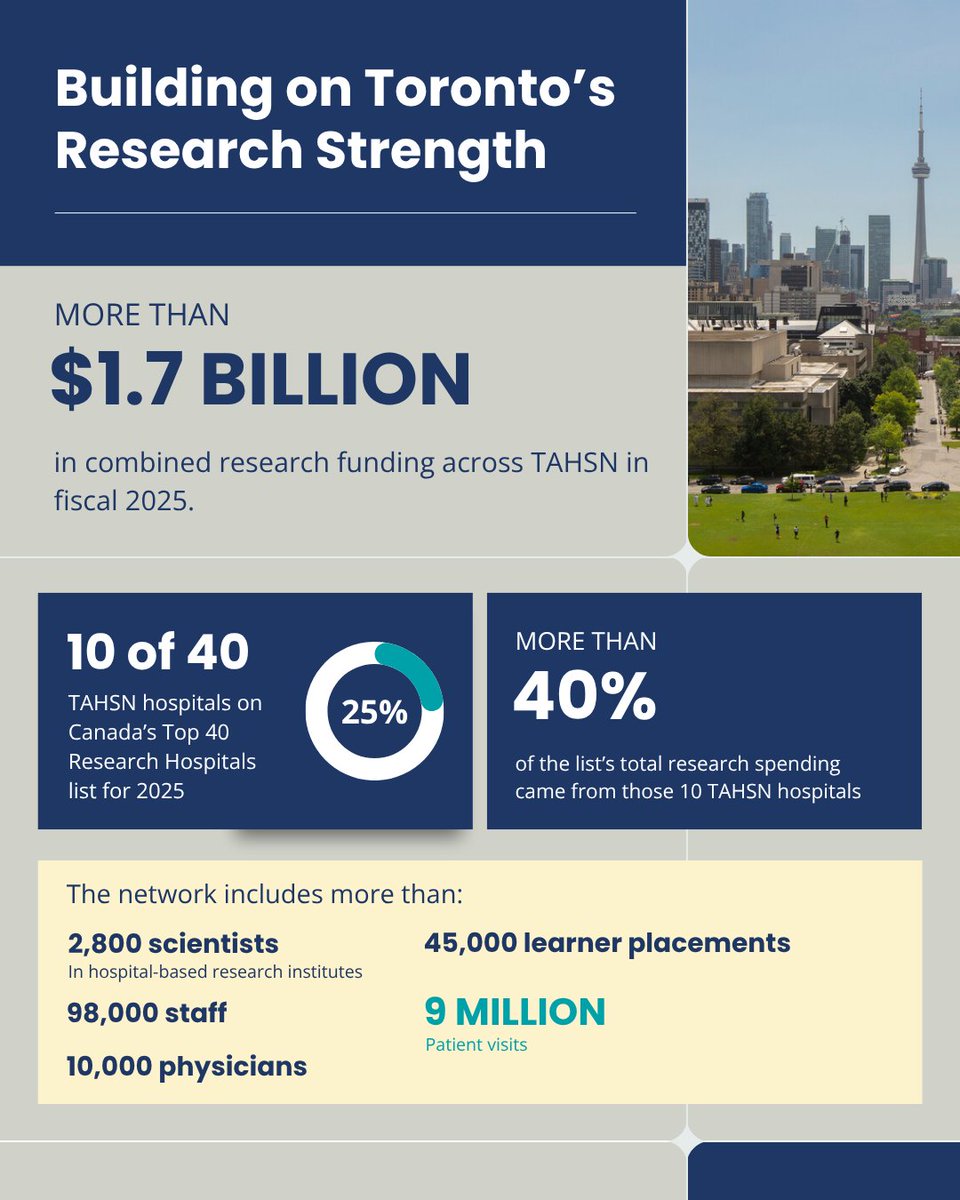
A milestone for collaborative health research in Canada: Building on more than $1.7 billion in combined research funding, all 14 TAHSN hospitals have signed the Master Collaboration Agreement to strengthen Canada’s ability to attract research investment.
📢 Cannabidiol (CBD) at the crossroads
🔹 Perspective article weighing therapeutic promise and risks
🔹 Evidence is strongest for certain pediatric epilepsies
⚠️ Many uses remain unproven; liver risks, drug interactions and product quality matter
➡️ Authors call for rigorous trials and standardized products
🔗 https://t.co/V7cAddmGBn
#MedicalCannabis #CannabisResearch #CannabisEducation #Cannabidiol #DrugSafety
@OglesbyPat Americans are remarkably bad at the legalization business. The US approach to cannabis policy has essentially become an international cautionary tale, a textbook example of how NOT to legalize.
"Cannabis use frequency and THC quantity per using day capture complementary dimensions of cannabis exposure associated with CUD, and the relevance of THC quantity differs by frequency of use"
Measuring both may better characterize exposure and CUD risk
https://t.co/4LJRYMJNf5
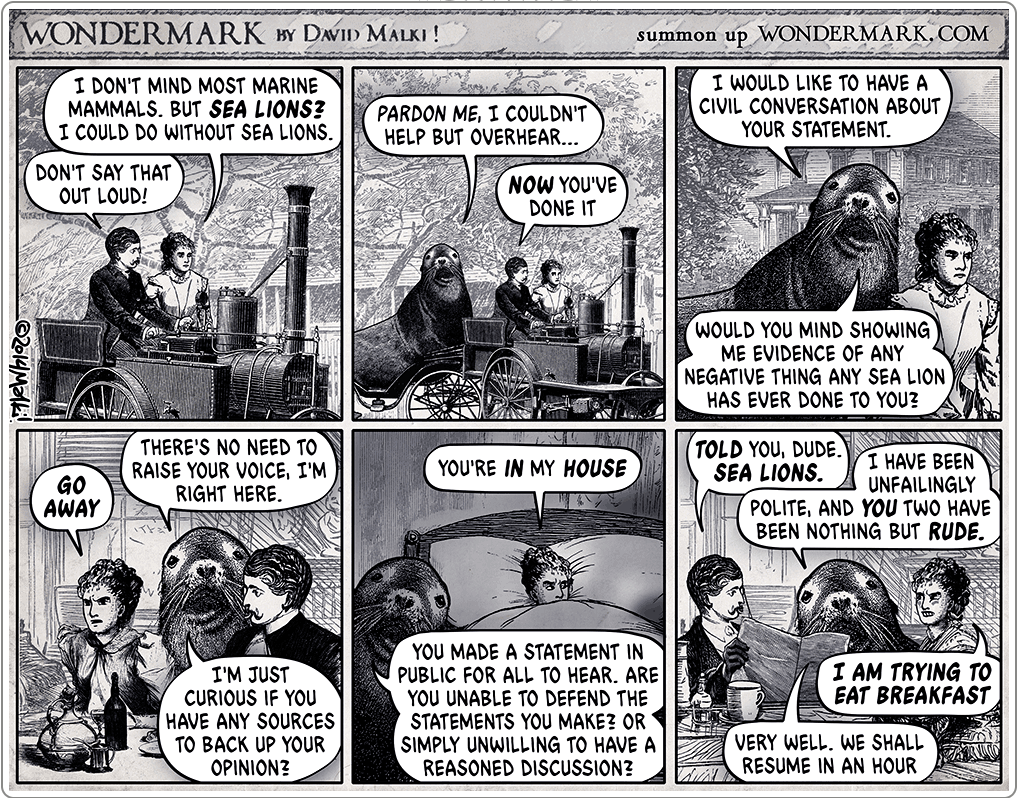
@melrod42 Yes, and unfortunately you also flooded my post with low-quality papers that I took the time to review and explain their many shortcomings, only to have you keep coming back with rhetorical questions and increasingly worse papers to review. Hence the justified sealioning comment
"...CUD are at the highest levels recorded among older adults in the USA. While the majority of CUD cases are mild and could benefit from early intervention, nearly a quarter of cases are moderate or severe and likely require additional intervention..."
https://t.co/rnPSJO34eP
@melrod42 You keep throwing spaghetti at the wall. This is a bonkers study: the outcome was prescriber choice, not a drug effect. They stopped insulin/dementia meds that cannabis can’t replace. No adverse events. Denied COI but coauthor was supplier’s R&D head. No ethics approval mentioned
@melrod42 It’s fair to debate whether withdrawal and tolerance should count toward CUD in medical users. There’s a debate to be had about the extent of CUD in medical users and how it affects their daily life. But that’s different from dismissing CUD whenever it’s raised which you often do
@melrod42 It seems plausible, but that doesn’t make it a fact or even desirable. What I’m objecting to is your lack of attention to the quality of the evidence and coming to my posts throwing poor-quality studies around while making generalizations based on ideological assumptions
@melrod42 The abstract's conclusion is not supported by the study findings. You could argue for legalization and better research while taking the quality of the evidence seriously. This review does not show that cannabis causes reduced prescription drug use, let alone whether it should
@melrod42 No exploration of heterogeneity with I2=98.4%. The majority of the pooled prevalence studies were led by the Tilray group. No evidence on polydrug use by seniors. The better studies (POINT, NSDUH, AHRQ, RCT) do not reproduce the self-report effects
@melrod42 Sorry Matt. This paper is even worse than the previous one. The body of evidence on substitution overall is weak and pushing this idea as “relatively solid” may be intuitive but it’s a bad read of the quality of this literature.
@melrod42 A better test of the substitution hypothesis would need a control group, pharmacy dispensing records, and an analysis linking each person's continued cannabis use to their own medication change
@melrod42 This is not solid evidence at all. Best you could say: in an uncontrolled cohort of older adults starting medical cannabis, recorded prescription use declined over 6m, including in drug classes cannabis would not plausibly replace. Not to mention huge COI, a Tilray study?
@melrod42 The substitution (vs complementarity) is another unsettled issue that gets ideologically pushed as an obvious benefit in the absence of solid evidence.