Law Professor in the University of Lisbon School of Law | EU Law and Constitutional Law (and some International Law)
Professor na Faculdade de Direito @ULisboa_
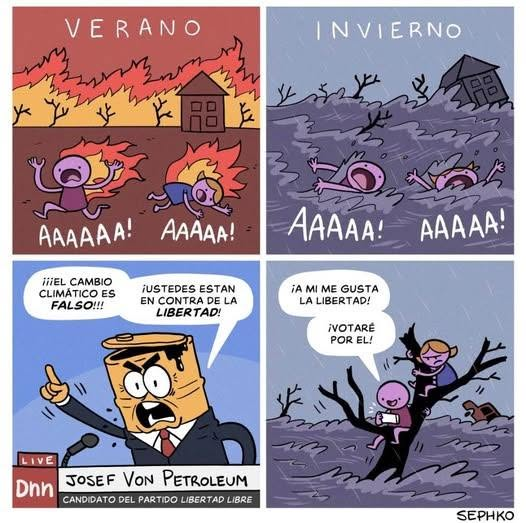
Hay una idea de The War Against Law, de David Dyzenhaus, que me parece demoledora: una democracia no tiene que cancelar elecciones, cerrar el Congreso o desaparecer tribunales para empezar a morir. Puede hacer algo mucho más sofisticado: conservar todas esas instituciones y, reforma tras reforma, quitarles la capacidad real de contener al poder.
El proceso casi siempre se disfraza de legalidad. Al juez que controla se le llama “activista”; al abogado que impugna, “élite”; a los derechos humanos, “obstáculos”; al derecho internacional, “injerencia”; y a la voluntad del gobierno, “voluntad del pueblo”. La ley sigue ahí, pero deja de ser límite y se convierte en herramienta. Ésa es la trampa: usar el derecho para construir espacios donde el poder ya casi no tenga que justificarse.
Por eso el libro es mucho más que una discusión académica. Es una advertencia sobre nuestro tiempo: el autoritarismo moderno puede llegar perfectamente vestido de constitucionalidad, con mayorías, decretos, sentencias y reformas aprobadas.
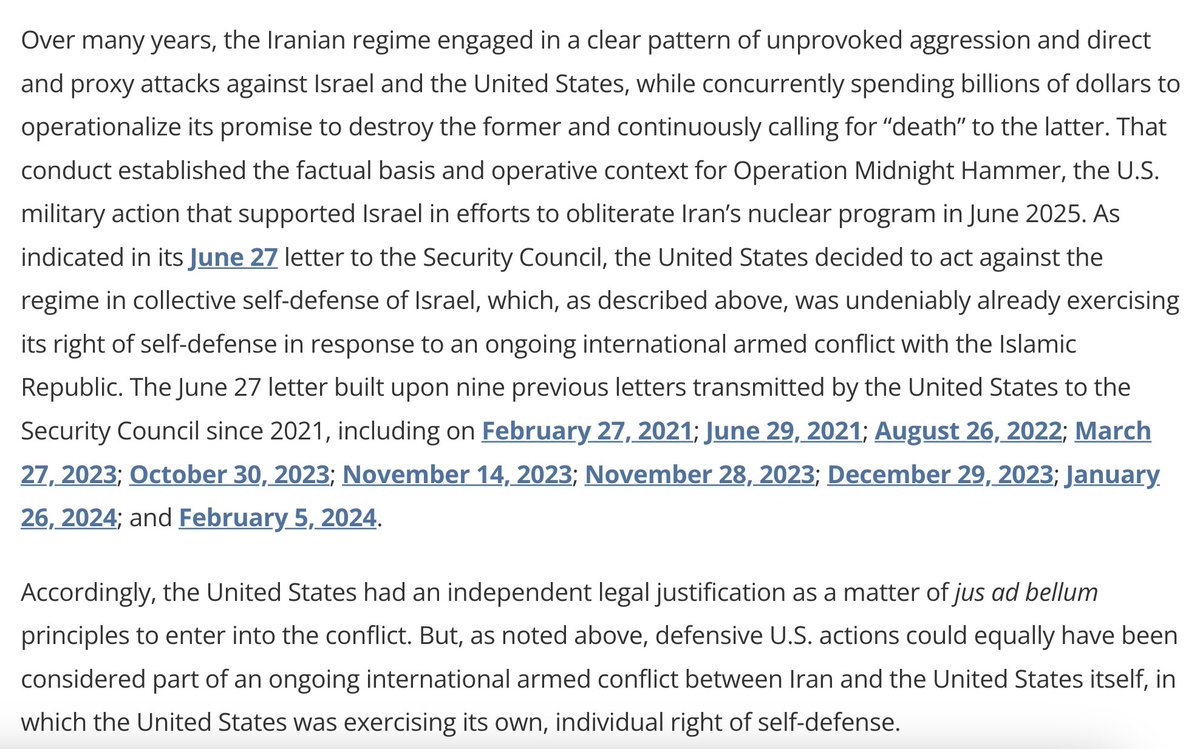
The U.S. State Department published its legal defense of the war against Iran on Tuesday.
A few observations 🧵
1. As a matter of public diplomacy, it's notable that collective self-defense of Israel comes first, individual self-defense of the United States comes second.
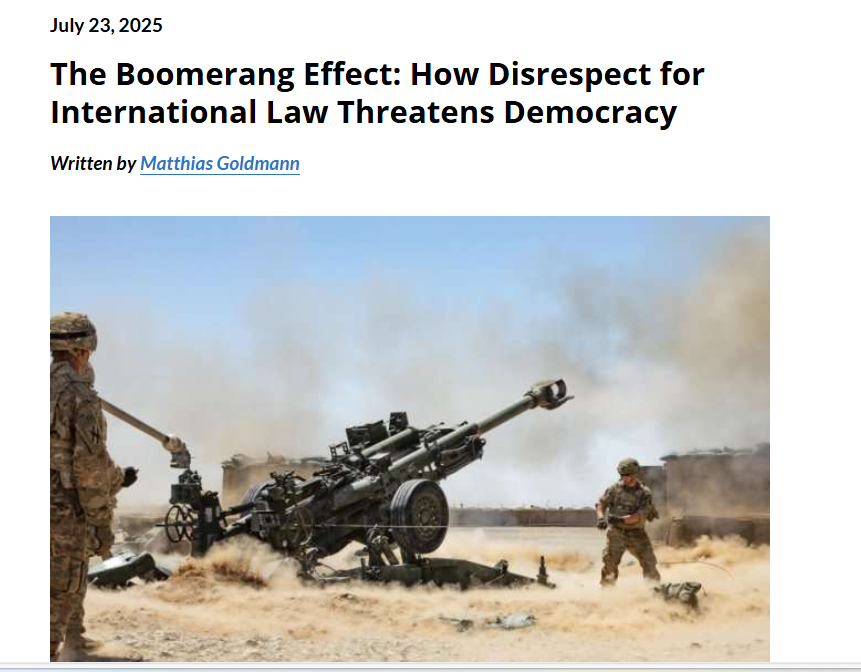
Violations of international law are not just a moral wrong. They are ultimately threats to democracy. Violence and illegality at the international level will impact the constitutional order.
https://t.co/fZgkyKNzfe
The U.S.-Israeli attacks on Iran are illegal.
Iran's attacks in Gulf States are illegal.
The U.K. defending Gulf States is legal, but allowing the U.S. to use its bases is illegal.
In short, everyone is violating international law and should stop.
My latest @just_security
.
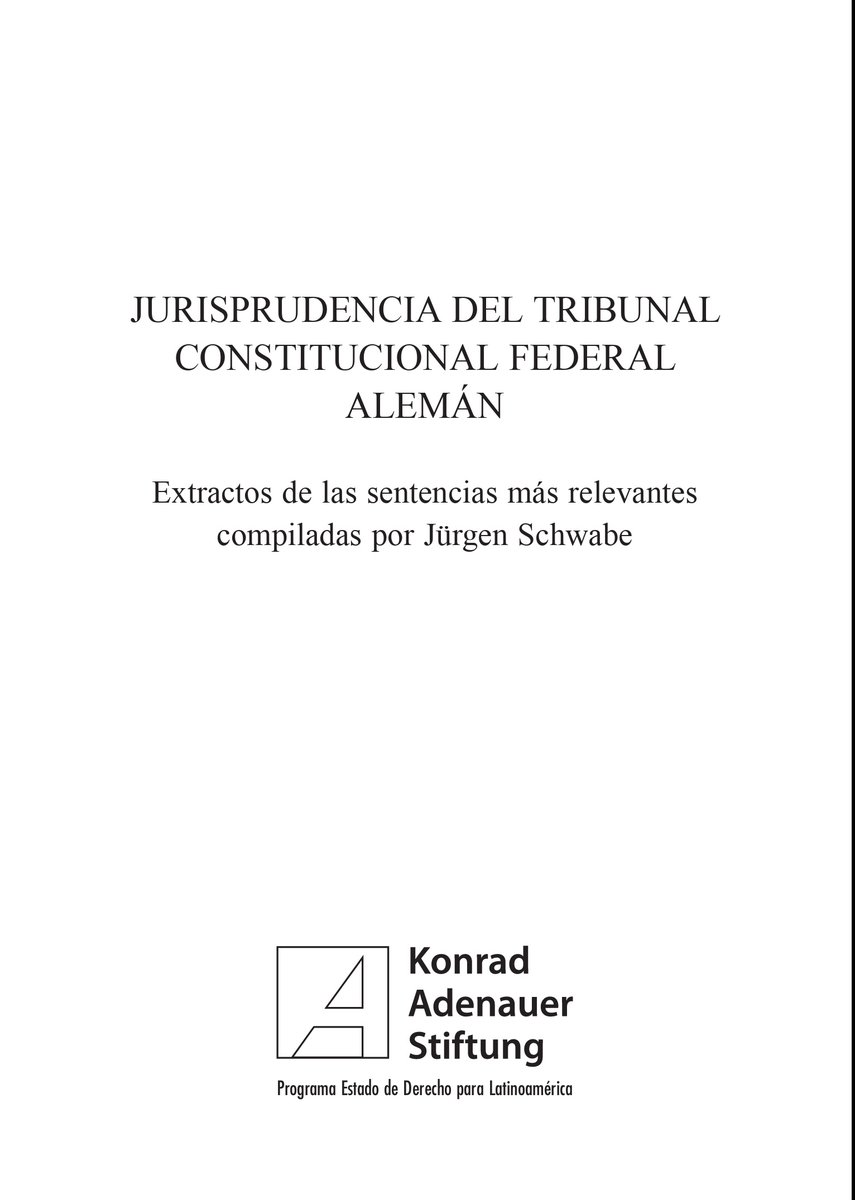
El Tribunal Constitucional alemán goza de alta consideración entre la jurisprudencia constitucional comparada. Sin embargo, dadas las dificultades idiomáticas, no resulta fácil acceder a su jurisprudencia. En este trabajo que publica la Konrad-Adenauer-Stiftung, pueden encontrar una recopilación de sus principales decisiones extractadas en español. No dejen de aprovecharlo: https://t.co/00CYBUCeNQ
"We figured out there's something that sells better than sex, and that's rage." NYU Professor Scott Galloway (@profgalloway) on tech companies' manipulation of vulnerable young men
The European Commission’s Call for Evidence on the Better Regulation Communication suggests plans to formalise fast-track legislative procedures used for the 2025 omnibus packages, making skipped public consultation and impact assessments the norm. Deeply worrying precedent.
Together with over 50 leading scholars of European Union law, we are raising the alarm over the revision of how the EU writes its laws.
The EU Commission risks turning expedited procedures into standard practice in the name of political convenience, thereby breaching EU Treaty safeguards, such as public consultation, impact assessment, and transparency.
We reject the idea that urgency and participatory, evidence-based policymaking are incompatible.
Instead, we call for codifying Better Regulation safeguards, including clear, legally binding criteria for when expedited procedures may be used, and the Commission dispense itself from public consultation, impact assessments and may rely on omnibuses.
READ the PAPER https://t.co/YTPK8rdReB
In fact, such times demand more public consultation, not less. Impact assessments aren’t bureaucratic red tape, they’re central to democratic decision-making and respect for the rule of law in the EU.
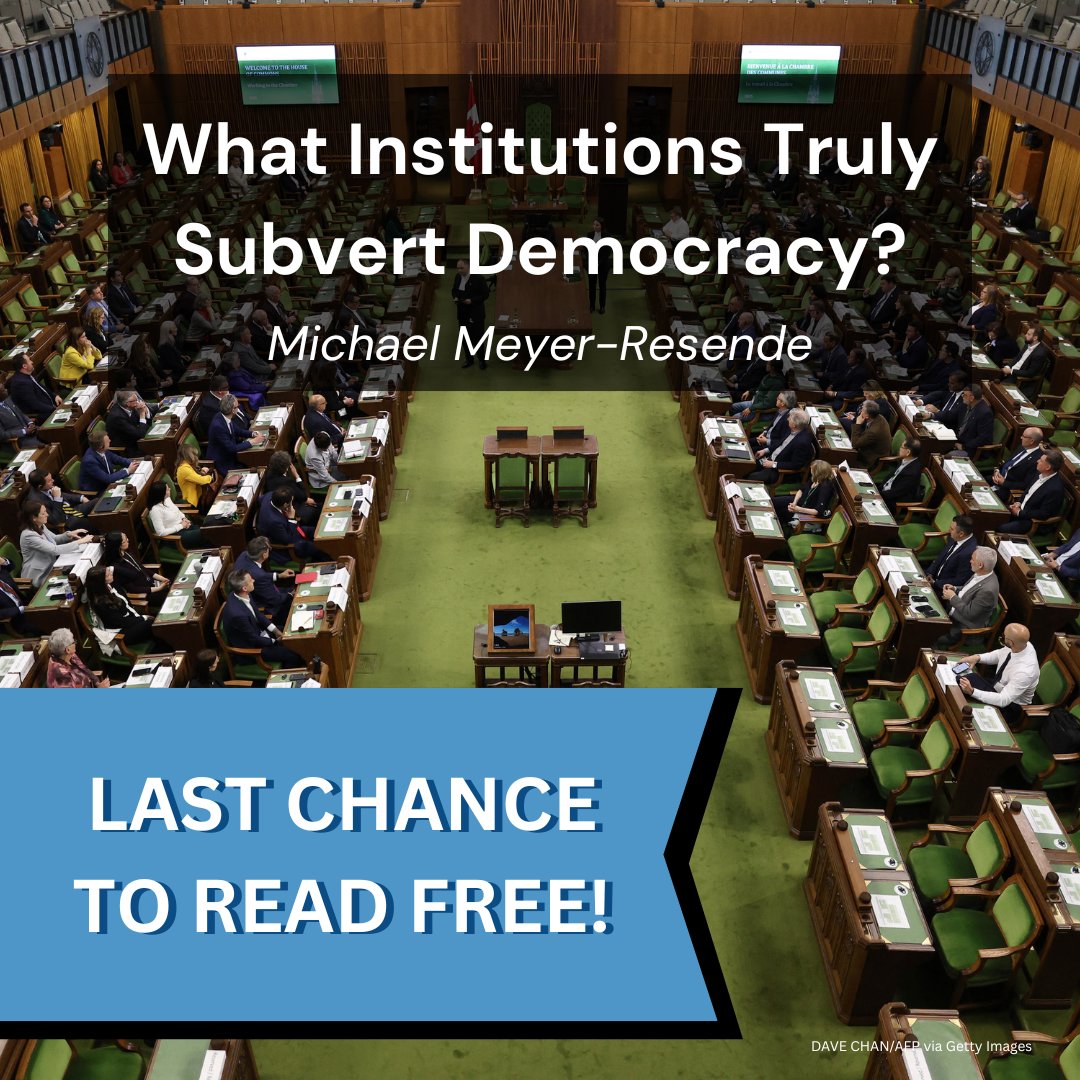
Authoritarians often abuse electoral systems and institutional power to thwart majority will. But the basic principles of democracy—political participation, fundamental rights, and the rule of law—can take shape in more than one way.
Last chance! Read today to read free!
https://t.co/vnLJYfHwZh