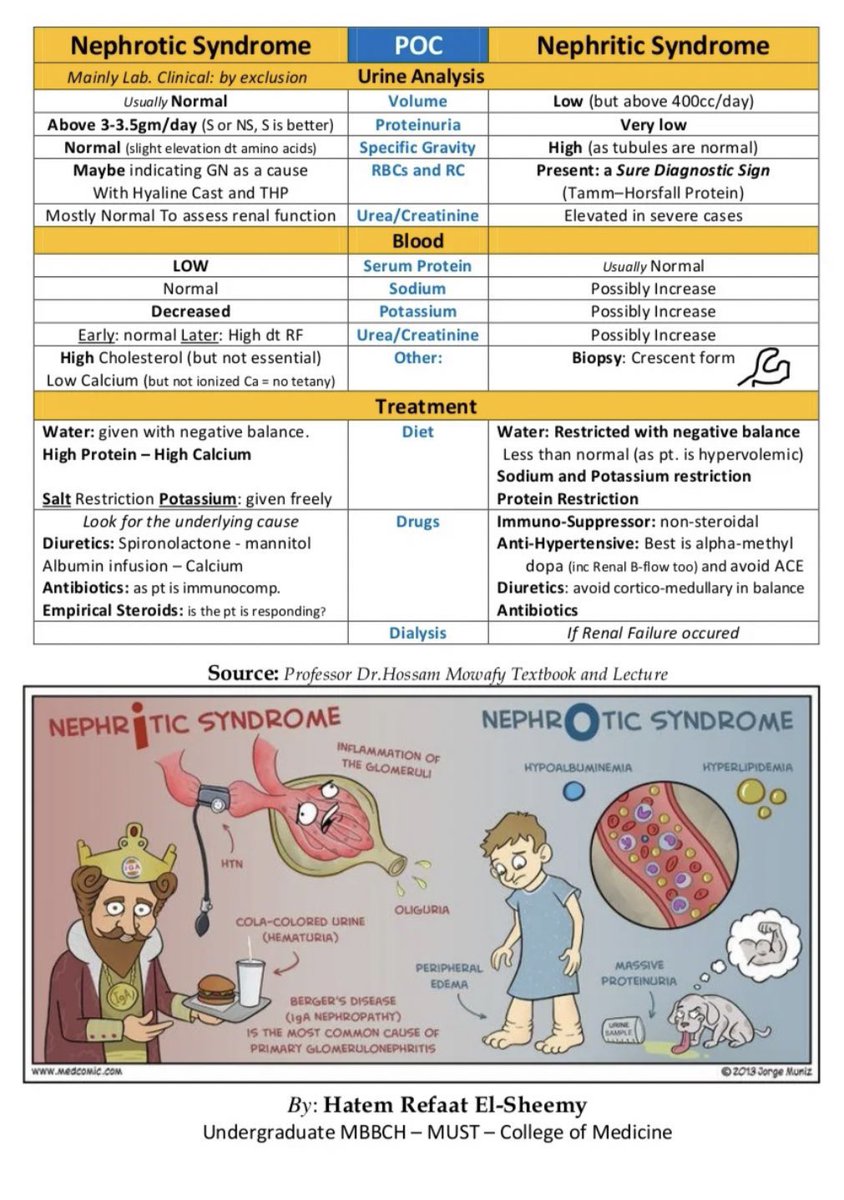
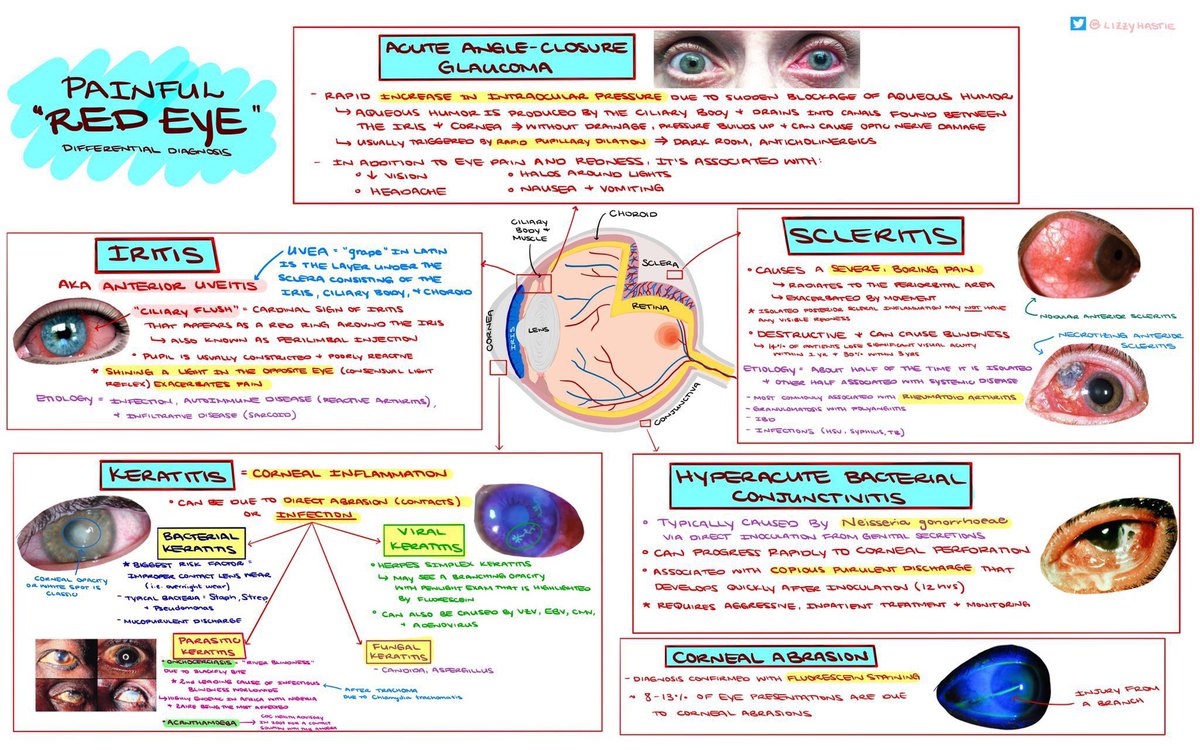
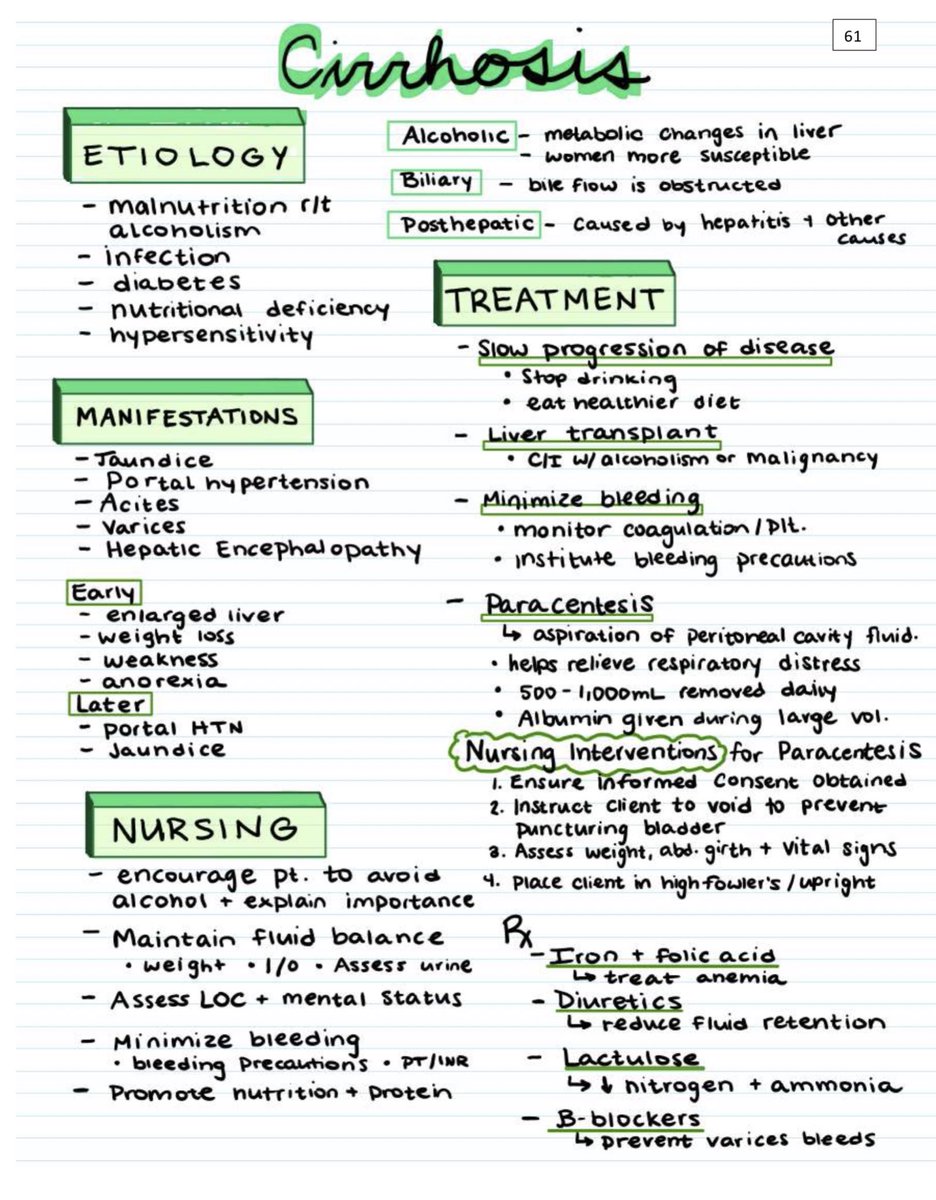
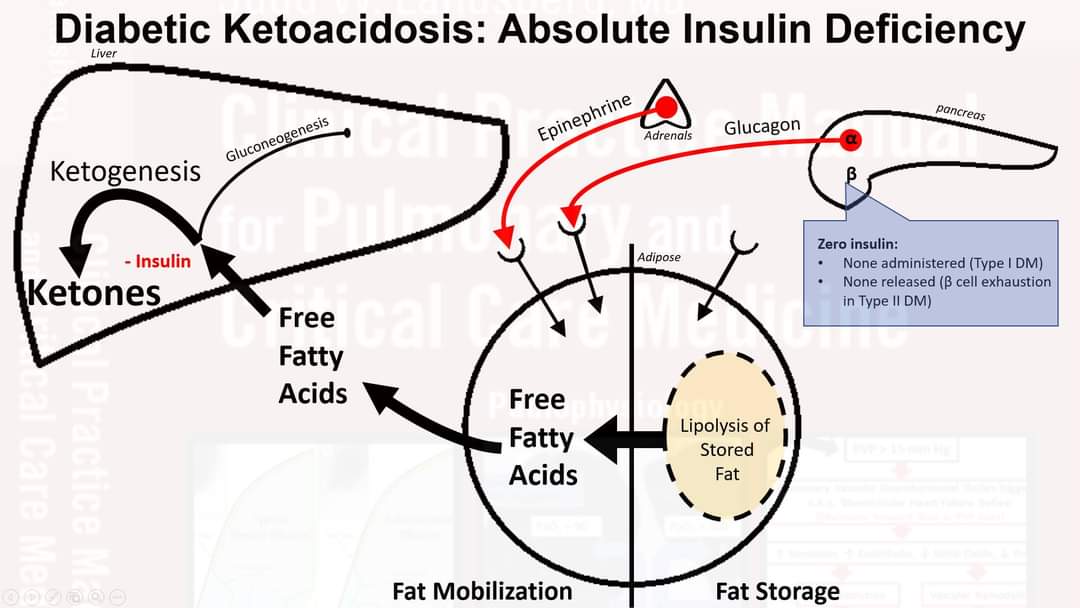
Nephritic vs Nephrotic syndrome🧐
Nephr”i”tic
👉🏼‘I’nflamation of the glomerular basement membrane
HEMATURIA(Cola-Coloured urine)
-
Nephr”o”tic
👉🏼Podocyte’s damaged👉🏼Disrupts the glomular charge barrier(Loss of negative charge of GBM)
Massive PROTEINURIA✨
.
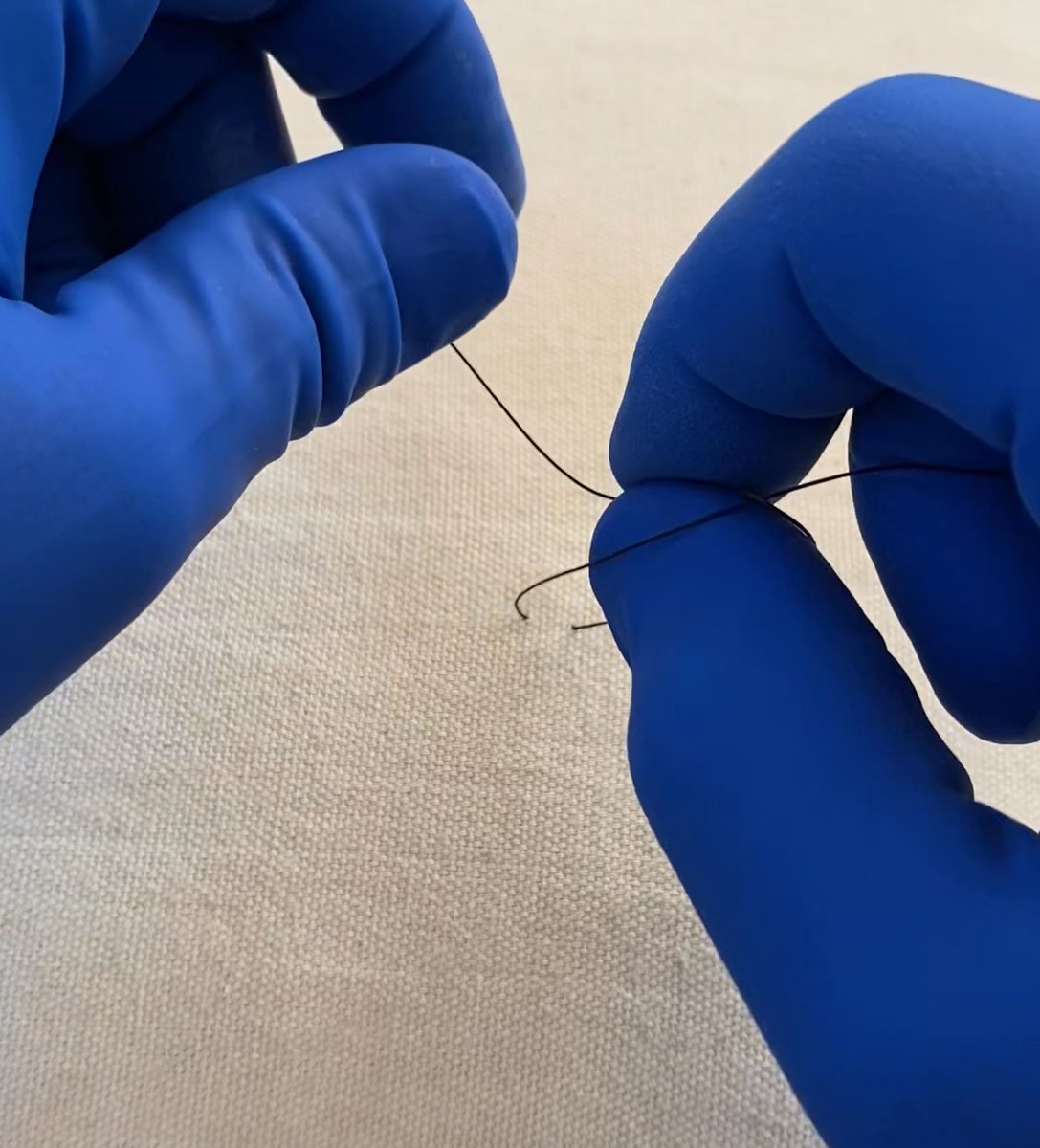
🧵regarding the 2-handed knot tying technique, and specifically whether it has *any* advantages over the 1-handed method.
We'll cover why one should practice tying with a 2-handed technique, and also go over the important concept of why it's easier to tie 'up in the air'.
(1/ )
Medical Triad's
Charcot's Triad: Right upper quadrant pain, fever, and jaundice. This triad is indicative of acute cholangitis.
Cushing's Triad: Hypertension, bradycardia, and irregular or abnormal respirations. This triad is indicative of increased intracranial pressure, often due to a brain injury or other neurological condition.
Beck's Triad: Hypotension, distended neck veins, and muffled heart sounds. This triad is indicative of cardiac tamponade, a serious condition where fluid accumulates around the heart.
Whipple's Triad: Symptoms of hypoglycemia, low plasma glucose, and resolution of symptoms after glucose is given. This triad is indicative of insulinoma, a tumor of the pancreas that produces excess insulin.
Triad of Unhappiness or Miserable Malalignment Syndrome: Femoral anteversion, genu valgum, and external tibial torsion. This triad is indicative of a specific type of lower limb malalignment.
Hutchinson's Triad: Hutchinson's teeth (notched incisors), interstitial keratitis, and deafness. This triad is indicative of congenital syphilis.
Virchow's Triad: Hypercoagulability, stasis of blood flow, and endothelial injury. This triad is indicative of thrombosis, the formation of a blood clot inside a blood vessel.
Saint's Triad: The presence of hiatal hernia, colonic diverticula, and gallstones. This triad is indicative of these three conditions, but they are not necessarily related.
Roussy-Levy Syndrome: Unsteady gait (ataxia), tremors, and muscle weakness. This triad is indicative of Roussy-Levy syndrome, a hereditary neurological disorder.
Hemobilia Triad (Sandblom's Triad): Gastrointestinal bleeding, biliary colic pain, and jaundice. This triad is indicative of hemobilia, bleeding into the biliary tract.
Wernicke's Encephalopathy Triad: This includes confusion, ataxia, and ophthalmoplegia. It's associated with thiamine (vitamin B1) deficiency, often seen in chronic alcoholism.
Horner's Syndrome Triad: This includes ptosis (drooping of the upper eyelid), miosis (constriction of the pupil), and anhidrosis (lack of sweating). It's associated with disruption of the sympathetic nerves to the face.
Reiter's Syndrome Triad (Reactive Arthritis): This includes non-gonococcal urethritis, arthritis, and conjunctivitis. It's often triggered by an infection in another part of the body, commonly the urogenital or gastrointestinal tract.
Dieulafoy's Triad: This includes severe hematemesis, stable vital signs, and lack of identifiable cause on initial endoscopy. It's associated with Dieulafoy's lesion, a rare but potentially life-threatening cause of gastrointestinal bleeding.
Grey Turner's Sign Triad: This includes flank pain, flank mass, and gross hematuria. It's associated with severe pancreatitis or pancreatic necrosis.
Pancoast's Syndrome Triad: This includes shoulder pain, Horner's syndrome, and atrophy of hand muscles. It's associated with a Pancoast tumor, a type of lung cancer that grows at the top of the lungs.
Alport Syndrome Triad: This includes hematuria, sensorineural hearing loss, and lens dislocation. It's associated with Alport syndrome, a genetic condition characterized by kidney disease, hearing loss, and eye abnormalities.
Meigs' Syndrome Triad: This includes ovarian fibroma, ascites, and pleural effusion. It's associated with Meigs' syndrome, a rare condition that often resolves after the ovarian tumor is removed.
Kartagener's Syndrome Triad: This includes situs inversus, chronic sinusitis, and bronchiectasis. It's associated with Kartagener's syndrome, a type of primary ciliary dyskinesia, a group of disorders characterized by chronic respiratory tract infections, abnormally positioned internal organs, and the inability to have children (infertility).
Lemierre's Syndrome Triad: This includes recent oropharyngeal infection, clinical or radiological evidence of internal jugular vein thrombosis, and isolation of anaerobic pathogens. It's associated with Lemierre's syndrome, a rare but serious condition often caused by Fusobacterium necrophorum.
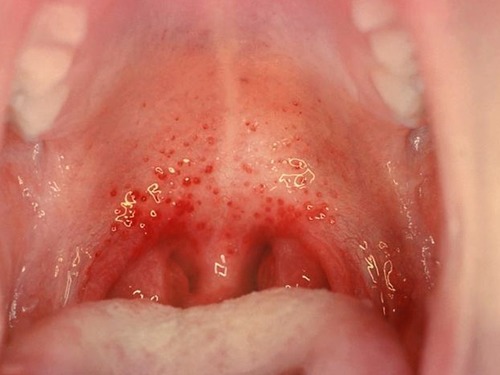
A 9month old girl p/w high fever for 3 days.She has been more irritable but has been eating.This morning,she no longer had a fever but developed a pink blanchable rash over her chest &back. What is the likely diagnosis?
#MedTwitter#medicine#MedEd#Pediatrics#Clinical#Health
Ankle-brachial pressure index:
Interpretation of ABPI
> 1.2: may indicate calcified, stiff arteries. This may be seen with advanced age or PAD
1.0 - 1.2: normal
0.9 - 1.0: acceptable
< 0.9: likely PAD.
Values < 0.5 indicate severe disease which should be referred urgently
As a cardiologist, every day I see 2-3 patients who need clearance for surgery 🔪
ALL of them are on blood thinners🩸
Every surgeon wants to stop these medicines💊
The patients ask:
Is it safe?
Should I stop?
Let's see how to deal with blood thinners before surgery
🧵👇
Medicine residents dont be afraid of chemotherapy. 🫣
Will teach you some basics so that you can handle it with confidence 😎 meanwhile you reach a heme/oncologist.
#1
Management of diabetic kidney disease (DKD):
-target of BP <130/80 mm Hg
ACE inhibitors are preferred.
-Tight glycemic control (hemoglobin A1c <7%)
NB:
- sodium-glucose cotransporter 2 inhibitors
and
-glucagon-like peptide-1 agonists can slow progression of DKD.