Dancing Skeletons hanging scroll. Culture: Japanese, early 20th century. Artist: Nishi Seiun (probably). Medium: Ink on paper and silk brocade. Collection: SHIBUI Japanese Antiques / @shibuikotto **
The Japanese calligraphy running from top to bottom on the right side (see the second image) holds the key to the artwork's meaning. The message reads: "...true faces are revealed when peering through the underbrush; distant memories fade; yet the renowned poet Ono no Komachi and the samurai, representing the highest social class, dance equally alongside everyone else..."
So, who is Ono no Komachi?
Living in 9th-century Japan, Komachi was a historical female poet celebrated for her extraordinary physical beauty and recognized as one of the "Six Immortals of Poetry" (Rokkasen) in Japanese literature.
That's where the Buddhist contemplation and meditation tradition known as kusōzu comes into play. Kusōzu were series of religious paintings depicting the nine distinct stages of a human corpse decaying in nature in full physical detail. Monks in medieval Japan made Komachi the primary subject of these contemplative paintings to extinguish their own carnal desires and fully grasp the ephemeral nature of physical beauty. They'd meditate for hours on end, gazing at illustrations showing her body swelling, bleeding, being torn apart by scavenging birds, and ultimately turning into a scattered pile of bones. So, we can say it's an Asian counterpart to the memento mori concept.
While this particular artwork isn't strictly a kusōzu, it's rooted in the same philosophical tradition. That's because the artist depicted Komachi and the unnamed samurai joyfully dancing in a circle in skeleton form -- the final outcome of the lengthy biological decay shown in kusōzu. Komachi and the samurai are now entirely stripped of their silk garments, muscle tissue, and social standing. They're both indistinguishable from the other figures in the circle.
Komachi's unparalleled beauty, the samurai's social power --nothing can escape the equalizing force of death. Once the skin is stripped away, skeletons are indistinguishable from one another. This is an expression of mujō (無常), or impermanence, one of the most foundational concepts in Buddhist thought.
**https://t.co/85A6ZaNzrX
Playtime is officially over, kiddies!
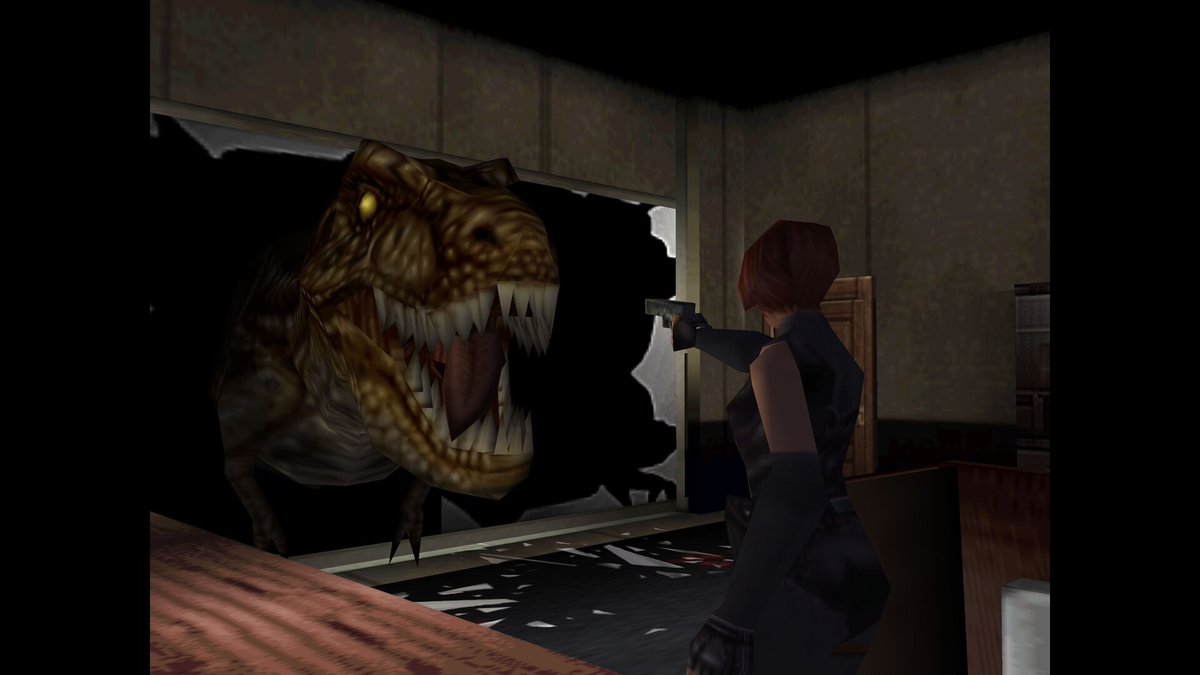
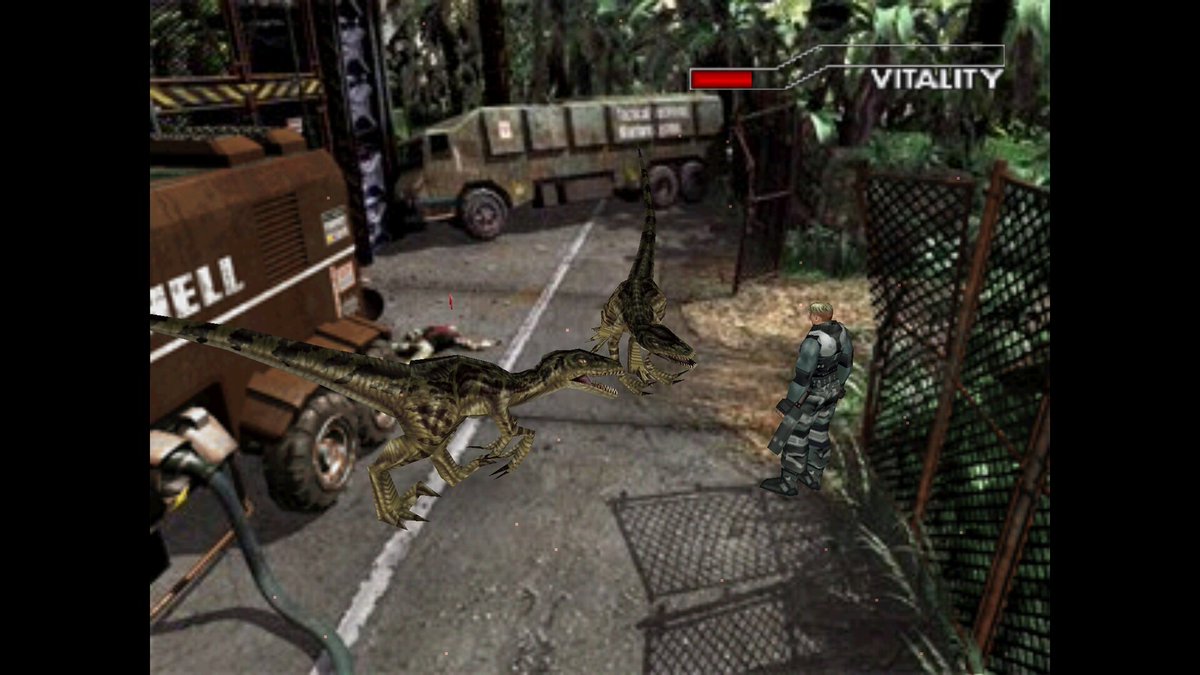
Dino Crisis and Dino Crisis 2 have finally stomped their way on to Steam. Celebrate this prehistoric occasion by getting both games for 50% off until February 26.
🦖 https://t.co/9uBEJb3tsB
🦖🦖 https://t.co/dEmqfq19y2