Vitamin C may be more important for the ageing brain than many people realise.
Most people think of vitamin C as something for colds, but a new large 2026 study from Japan has found a strong link between lower blood vitamin C levels and changes seen on MRI brain scans.
The study looked at 2,044 older adults. The researchers did not just ask people what they ate. They measured vitamin C directly in the blood and compared it with MRI scans of the brain.
They found that lower vitamin C levels were linked with less grey matter and changes in the default mode network, an important brain network involved in memory, thinking, self-awareness and healthy ageing.
This does not prove vitamin C prevents dementia or that taking high doses will repair the brain. It was an observational study, so it shows an association, not proof of cause and effect.
But it is still important.
Another earlier MRI study in older non-demented people also found lower grey matter volume was associated with lower plasma vitamin C.
A systematic review has also reported that cognitively healthy people generally had higher vitamin C levels than people with cognitive impairment.
The sensible message is not mega-doses or miracle claims.
The message is that the basics matter.
Vitamin C comes from foods such as citrus fruit, berries, kiwi fruit, tomatoes, potatoes, capsicum, broccoli and leafy greens. As we age, making sure we are not low in basic nutrients may be one simple part of protecting brain health.
Good food, movement, sleep, blood pressure control, not smoking, and keeping blood sugar under control all matter.
Vitamin C is not the whole answer, but it may be one important piece of the ageing brain puzzle.
References:
1. Nagaya H, Watanabe K, et al. 2026. Plasma vitamin C levels are associated with brain structural networks on MRI: A large cohort study. PLOS ONE.
https://t.co/mI9iIY3wMT
2. Whalley LJ, Staff RT, et al. 2003. Plasma vitamin C, cholesterol and homocysteine are associated with grey matter volume determined by MRI in non-demented old people. Neuroscience Letters.
https://t.co/YIPeHQFzGw
3. Travica N, Ried K, et al. 2017. Vitamin C Status and Cognitive Function: A Systematic Review. Nutrients.
https://t.co/0dy1pCsZEn
#vitaminc #brainhealth #memory #healthyageing #nutrition #cognitivehealth #olderadults #preventivehealth #foodasmedicine #ascorbicacid #wellness
Veterans Deserve Treatment, Not More DVA Bureaucracy.
The Labor Government’s Budget introduces a new $5,000 annual cap on veterans’ allied health treatment from 1 July 2027. DVA says extra treatment may be approved where there is a “valid clinical need,” but the details of how that approval process will work are still unclear.
This could affect veterans needing ongoing treatment such as:
Physiotherapy.
Exercise physiology.
Podiatry.
Psychology.
Counselling and mental health support.
Hearing-related rehabilitation.
Occupational therapy.
Other allied health care linked to DVA accepted service injuries.
That is the problem.
Veterans are already dealing with long delays and complex DVA processes. Many veterans report waiting more than 12 months for approvals and decisions.
Adding another approval hurdle after a veteran reaches the cap risks creating even more stress, delay and uncertainty.
If a veteran has a medically recognised and accepted service injury, and the treatment has already been approved through DVA’s complex assessment process, that should be enough.
All that should be required is confirmation from the treating GP, specialist or approved treating doctor that the treatment remains clinically necessary, properly managed and recommended.
A veteran should not have to keep proving, year after year, that an accepted injury still needs treatment.
This is another massive hit to veterans who deserve better.
These men and women served this country. Many carry injuries for life because of that service.
If it were not for the sacrifices of our veterans in the past, Australia may not be the free country we know today.
Veterans should not be treated as a budget problem.
They should be treated with respect, dignity and proper medical care.
IF YOU THINK PLANT-BASED OR BIODEGRADABLE PLASTICS ARE SAFE, THINK AGAIN.
WE ARE TOLD THEY ARE CLEANER, GREENER AND SAFER
But “plant-based” does not automatically mean safe.
And “biodegradable” does not automatically mean harmless.
THE SCIENCE RAISES QUESTIONS
A major study in Environment International found that many bio-based and biodegradable plastics contained complex chemical mixtures, with some samples containing thousands of chemical features.
The researchers concluded that bioplastics and plant-based materials showed similar toxicity to conventional petroleum-based plastics in laboratory testing.
PLANT-BASED DOES NOT MEAN CHEMICAL-FREE
Corn starch, sugar cane, cellulose or bamboo may be the starting material.
But the finished product may still contain plasticisers, stabilisers, coatings, dyes, processing chemicals and other additives.
BIODEGRADABLE DOES NOT MEAN IT SAFELY DISAPPEARS
Many biodegradable or compostable plastics need specific industrial composting conditions.
In soil, landfill, water or the ocean, they may persist, fragment or break down into smaller particles.
THE REAL QUESTION
Not simply:
“Is it made from plants or petroleum?”
But:
“What chemicals are in it, what leaches out, and what happens when it breaks down?”
THE IRONY
Petroleum also came from ancient living material — plants, algae, plankton and marine organisms transformed over millions of years.
So “plant-based” versus “oil-based” can be misleading.
✅ Both can come from nature.
✅ Both can be heavily processed.
✅ Both can contain additives.
✅ Both can leach chemicals.
✅ Both can become microplastics.
THE SAFER CHOICE
✅ Do not heat food in plastic.
✅ Do not pour hot drinks into plastic or compostable plastic cups.
✅ Do not store oily or acidic foods in plastic containers.
✅ Use glass, stainless steel or ceramic where possible.
THE BOTTOM LINE
Plant-based may sound healthier.
Biodegradable may sound safer.
But the science says:
✅ Plant-based does not automatically mean safe.
✅ Biodegradable does not automatically mean harmless.
REFERENCES:
Zimmermann et al., Environment International, 2020
https://t.co/TU702sAXtW
Endocrine Society, 2020
https://t.co/h7PQaz7gbO
Liu et al., Journal of Agricultural and Food Chemistry, 2025
https://t.co/y1QaqkjCDk
#Bioplastics #BiodegradablePlastics #Microplastics #EndocrineDisruptors #EnvironmentalHealth #PublicHealth #ToxicChemicals #FoodPackaging #PlasticPollution
Can a Pet Help Protect Your Brain as You Age?
Many people think of pets simply as companions, but growing research suggests they may also support healthy brain ageing.
A large study published in JAMA Network Open found that older adults living alone who owned a pet had slower decline in verbal memory and verbal fluency. The researchers suggested pet ownership may help offset some of the cognitive risks linked with living alone.
Another study in Preventive Medicine Reports followed more than 11,000 older adults and found that dog owners had a lower risk of disabling dementia, especially when dog ownership was linked with regular walking and less social isolation.
A further study in the Journal of Alzheimer’s Disease found that people with mild Alzheimer’s disease who owned pets maintained better daily function and showed slower decline over five years.
Why might this help?
🐕 Pets encourage regular movement
🐕 Dogs promote walking and routine
🐕 They reduce loneliness and isolation
🐕 They give purpose, affection and emotional connection
🐕 They may support mood, stress resilience and social contact.
Beyond companionship, dogs can encourage activity, reduce isolation and, in some cases, alert to unusual changes in human health and behaviour.
A pet is not a treatment for dementia, but for many older adults, especially those living alone, the companionship of a dog or other pet may be a simple lifestyle factor that supports healthier ageing and better quality of life.
About the photo
Roxy (picture below) is a trained assistance dog with an extraordinary ability to detect unusual changes in people.
Roxy has alerted to individuals who were later found to have significant health issues. In one case, her unusual interest in a person preceded the diagnosis of an undiagnosed cancer. In another, she repeatedly alerted to a diabetic patient when something was wrong, leading to the discovery that the glucose meter being relied upon was not functioning correctly.
References
1. Li Y, Wang W, Zhu L, et al. Pet Ownership, Living Alone, and Cognitive Decline Among Adults 50 Years and Older. JAMA Network Open. 2023.
https://t.co/GUHC7sHk0A
2. Taniguchi Y, et al. Protective Effects of Dog Ownership Against the Onset of Disabling Dementia in Older Community-Dwelling Japanese. Preventive Medicine Reports. 2023.
https://t.co/q6wRnmQKhW
3.Rusanen M, Selander T, Kärkkäinen V, Koivisto A. The Positive Effects of Pet Ownership on Alzheimer's Disease. Journal of Alzheimer’s Disease. 2021.
https://t.co/ejP4SvyN6G
🍫 Dark Chocolate: One of Life's Pleasures with Proven Health Benefits.
For many years dark chocolate was viewed simply as an indulgence. Today, a growing body of research suggests that high-cocoa dark chocolate may offer genuine benefits for cardiovascular health, circulation and healthy ageing.
High-cocoa dark chocolate is more than a treat. When it is rich in cocoa flavanols, especially epicatechin, it may support blood vessel health, circulation, and healthy ageing.
In the large COSMOS Trial randomised controlled trial (2022) involving more than 21,000 older adults, cocoa flavanol supplementation was associated with a significant reduction in cardiovascular deaths.
Other human studies including a randomized, controlled, double-masked, cross-over trial, Christian Heiss et al. 2010, have shown that flavanol-rich cocoa may:
✅ Improve endothelial function
✅ Increase nitric oxide production
✅ Support healthy blood pressure
✅ Improve blood flow to the brain and greater white matter structural integrity.
✅ Reduce oxidative stress and inflammation
✅ Increase endothelial progenitor cells, which are involved in blood vessel repair
This is important because healthy blood vessels are essential for the heart, brain, kidneys, eyes and overall longevity.
The best choices are usually:
🍫 70–85% dark chocolate
🍫 Natural cocoa powder
🍫 High-flavanol cocoa products.
Milk chocolate is usually much lower in flavanols and much higher in sugar and best avoided.
A small daily serve of high-cocoa dark chocolate can fit well within a healthy Mediterranean-style diet rich in vegetables, fruit, nuts, legumes, fish and olive oil.
Dark chocolate should still be enjoyed in moderation—but the science suggests it may be one of life's pleasures with genuine health benefits.
References
1. Sesso HD et al. Effect of cocoa flavanol supplementation for the prevention of cardiovascular disease events: the COSMOS randomized clinical trial. Am J Clin Nutr. 2022.
https://t.co/blMYKGKMV4
2. Heiss C et al. Improvement of endothelial function with dietary flavanols is associated with mobilization of circulating angiogenic cells in patients with coronary artery disease. J Am Coll Cardiol. 2010.
https://t.co/ygVHZa28Lc
3. Schroeter H et al. (-)-Epicatechin mediates beneficial effects of flavanol-rich cocoa on vascular function in humans. PNAS. 2006.
https://t.co/MhOSilMsab
4. Sorond FA et al. Neurovascular coupling, cerebral white matter integrity and response to cocoa in older people. Neurology. 2013.
https://t.co/o6RWIGpHHM
Fish Oil, Inflammation and Type 2 Diabetes, An Interesting New Study.
Most people associate type 2 diabetes with obesity, but around 10–20% of people with type 2 diabetes are not overweight.
A new Brazilian study has added to the growing evidence that chronic inflammation may play an important role in insulin resistance, even in non-obese individuals.
Researchers using a well-established non-obese diabetic rat model, called Goto-Kakizaki rats, found that omega-3 fish oil supplementation improved glucose control, reduced insulin resistance, lowered inflammatory markers and improved cholesterol and triglyceride levels.
What was particularly interesting was the proposed mechanism.
The researchers found that fish oil appeared to shift immune cells from a pro-inflammatory state towards a more anti-inflammatory state. There was a reduction in inflammatory Th1 and Th17 lymphocytes and an increase in regulatory T-cells, which help control excessive inflammation.
This supports the concept that insulin resistance is not simply a blood sugar problem. It is also closely linked to inflammation and immune function.
Importantly, this was an animal study, so it does not prove the same effect will occur in humans.
However, there is also some human evidence supporting a possible benefit. A 2025 double-blind randomised controlled trial found that fish oil supplementation in healthy middle-aged and older adults increased blood EPA and DHA levels and was associated with reductions in fasting insulin and HOMA-IR, a common marker of insulin resistance.
This suggests omega-3 fatty acids may help support glucose metabolism and insulin sensitivity, although the human evidence is still mixed.
The take-home message is not that fish oil is a cure for diabetes.
Rather, it adds to the evidence that omega-3 fatty acids may be one useful component of a comprehensive lifestyle approach that includes a healthy diet, exercise, weight management where appropriate, good sleep, and medical care.
As always, more well-designed human randomised controlled trials are needed to determine the ideal dose, the most effective omega-3 formulation, and which patient groups may benefit the most.
References
1. Lobato TB, Gorjão R, et al. Fish oil supplementation reduces insulin resistance by modulating lymphocyte inflammatory profile in non-obese type 2 diabetic rats. Nutrients. 2026.
2. Nian Z et al. Effects of fish oil intervention on type 2 diabetes early risk in healthy middle-aged and elderly adults: a double-blind randomized controlled trial. Food & Function. 2025.
#Omega3 #FishOil #Type2Diabetes #InsulinResistance #Inflammation #Nutrition #MetabolicHealth #DiabetesResearch
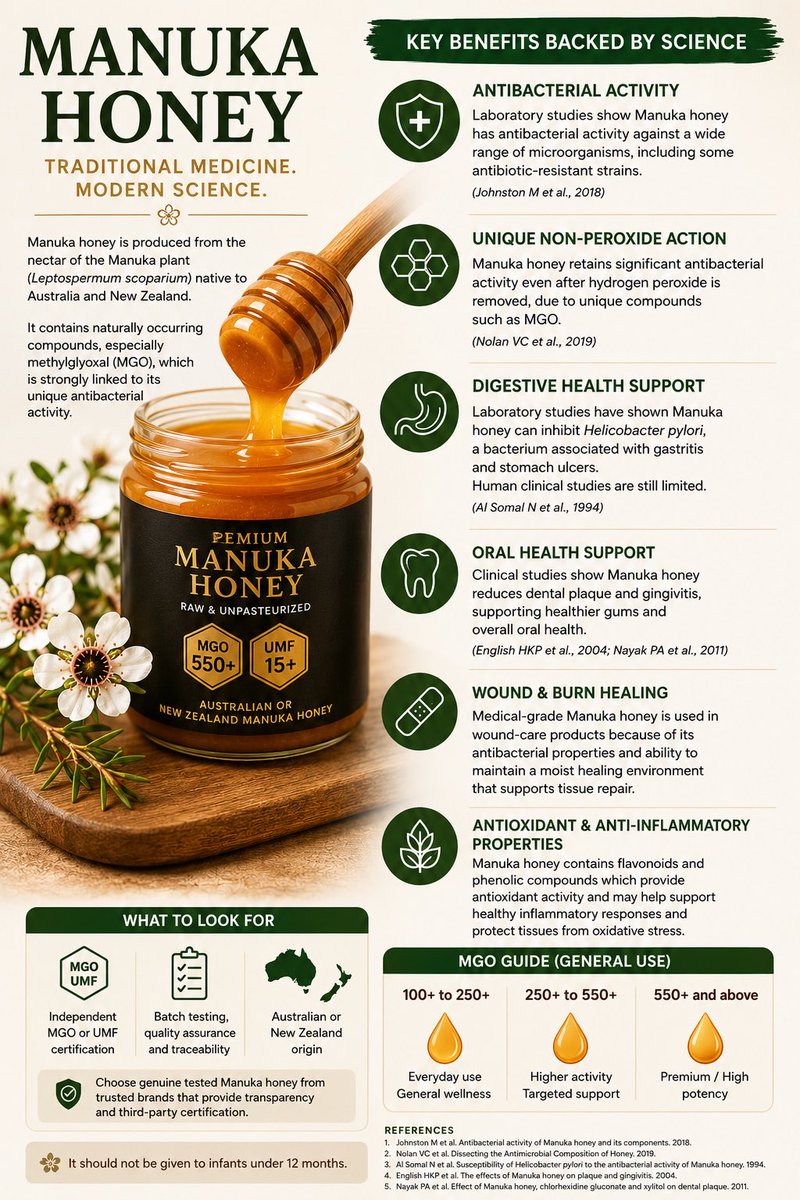
Manuka Honey: Traditional Medicine With Modern Scientific Support.
Manuka honey is one of the best examples of a traditional natural medicine now being supported by modern research.
Produced from the Manuka plant (Leptospermum scoparium), it contains methylglyoxal, or MGO, which is strongly linked to its unique antibacterial activity.
In “Antibacterial Activity of Manuka Honey and Its Components”, researchers found that Manuka honey’s antibacterial strength increased with its MGO content and UMF rating.
In “Dissecting the Antimicrobial Composition of Honey”, Manuka honey retained antibacterial activity even after hydrogen peroxide was removed, supporting its unique non-peroxide antimicrobial action.
Manuka honey may also support wound and burn healing. Medical-grade Manuka honey is used in wound-care dressings because of its antibacterial activity, ability to maintain a moist healing environment, reduce wound odour, and support tissue repair.
Manuka honey may also support digestive and oral health. In “Susceptibility of Helicobacter pylori to the Antibacterial Activity of Manuka Honey”, all tested H. pylori strains were inhibited in laboratory testing.
In oral health studies, Manuka honey reduced plaque and gingivitis, suggesting a useful role in supporting gum health.
What to look for
Choose genuine Manuka honey with:
• MGO or UMF certification
• Batch testing and traceability
• Australian or New Zealand origin
As a simple guide:
• MGO 100+ to 250+ — general wellness
• MGO 250+ to 550+ — moderate strength
• MGO 550+ and above — high activity
It should not be given to infants under 12 months.
My view is that genuine Manuka honey is far more than a sweetener. The research supports its antibacterial activity, wound and burn care benefits, oral health benefits, antioxidant properties, and possible supportive role against H. pylori.
References
1. Johnston M et al. Antibacterial activity of Manuka honey and its components.https://https://t.co/QMTLpCtnqq
2. Nolan VC et al. Dissecting the Antimicrobial Composition of Honey.
https://t.co/Yel5zMHypY
3. Al Somal N et al. Manuka honey and Helicobacter pylori.
https://t.co/BMzahD2bfT
4. English HKP et al. The effects of Manuka honey on plaque and gingivitis.
https://t.co/pu7jEdEyiX
5. Nayak PA et al. Effect of Manuka honey, chlorhexidine gluconate and xylitol on dental plaque.
#ManukaHoney #NaturalMedicine #IntegrativeMedicine #WoundHealing #Burns #GutHealth #OralHealth #EvidenceBasedMedicine
Beetroot Juice, Blood Pressure and the Mouth–Heart Connection
This new study reinforces what I posted before, that nitrate-rich foods such as beetroot, spinach, rocket, celery, fennel and kale may support healthy blood pressure and vascular function.
But this study adds another important piece of the puzzle.
It suggests the benefit may not just come from nitrate itself, but from how bacteria in the mouth help convert dietary nitrate into nitric oxide.
Nitric oxide is one of the body’s key natural compounds for relaxing blood vessels and supporting healthy circulation.
In this study, older adults drank nitrate-rich beetroot juice twice daily for two weeks. Their blood pressure fell, while the same effect was not seen in younger adults.
The researchers also found changes in the oral microbiome. In older adults, beetroot juice was linked with a reduction in potentially less favourable bacteria such as Prevotella, and an increase in bacteria such as Neisseria, which are involved in nitrate metabolism.
This is important because older adults tend to produce less nitric oxide as they age, and this may contribute to poorer blood vessel function and higher blood pressure.
It also highlights why antibacterial mouthwashes may not always be harmless if they disrupt the beneficial bacteria needed for nitrate conversion.
The message is not that beetroot juice replaces medication or medical care.
The message is that simple dietary habits — especially increasing nitrate-rich vegetables — may be a practical way to support vascular health, particularly as we age.
Once again, food is not just calories.
Food interacts with our microbiome, our blood vessels, our metabolism and our long-term health.
Reference:
Anni Vanhatalo, Joanna E. L\'Heureux, et al. Ageing modifies the oral microbiome, nitric oxide bioavailability and vascular responses to dietary nitrate supplementation. Free Radical Biology and Medicine, 2025; 238: 682 https://t.co/yBh0es3P5c
#beetroot #bloodpressure #nitricoxide #hearthealth #vascularhealth #microbiome #oralhealth #healthyageing #nutrition #naturalmedicine #vegetables #cardiovascularhealth
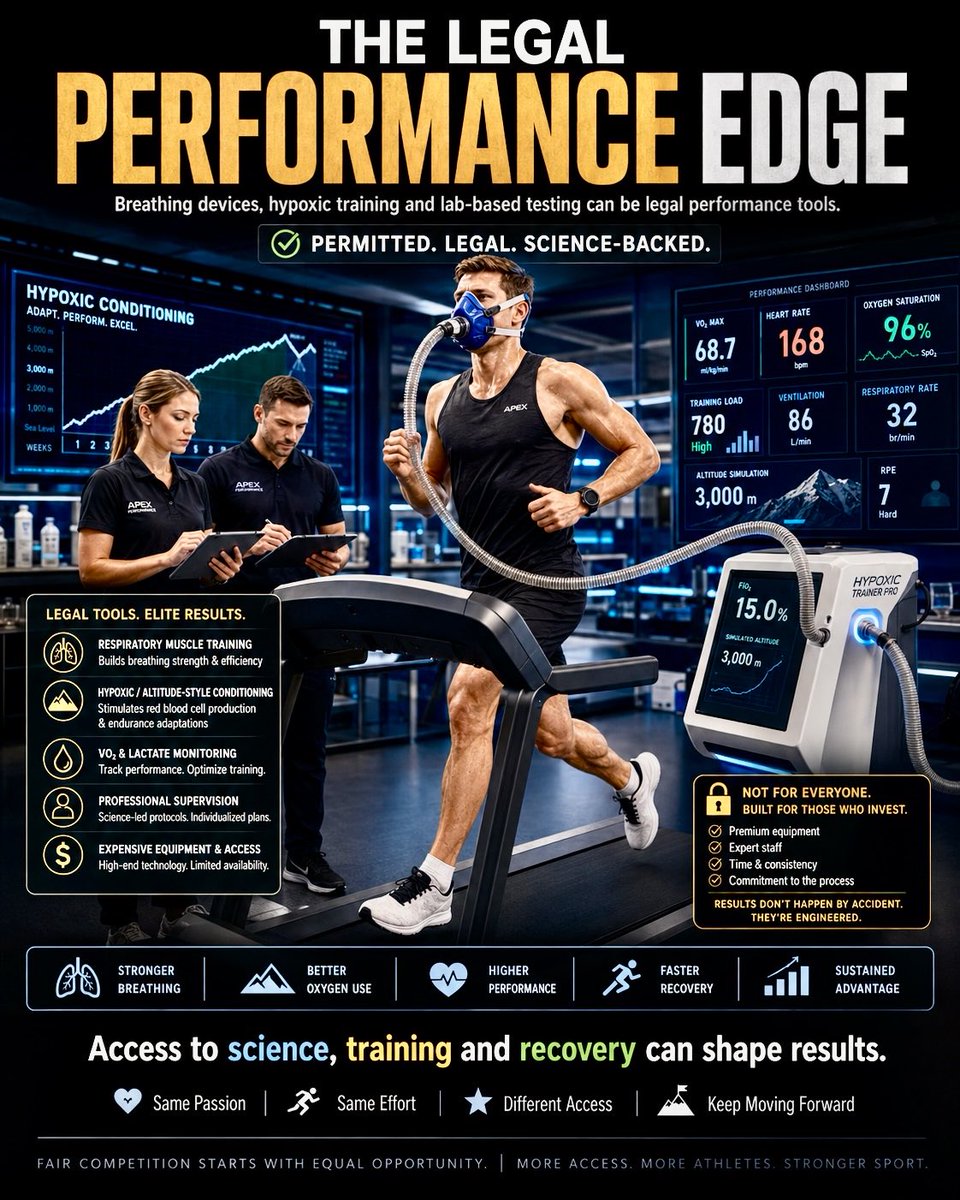
Legal “Doping”: The Performance Edge Money Can Buy.
When we talk about performance enhancement in elite sport, most people think of banned drugs are steroids, EPO, blood doping, stimulants and masking agents.
But there is another side to the discussion: legal performance enhancement.
Many elite athletes legally use methods that may improve performance, including caffeine, creatine, beta-alanine, sodium bicarbonate, beetroot juice/dietary nitrate, carbohydrate gels, protein recovery strategies, hydration plans, altitude training and hypoxic training.
The Australian Institute of Sport lists several of these including caffeine, creatine, beta-alanine, dietary nitrate, sodium bicarbonate and glycerol as Group A performance supplements, meaning they have evidence for specific sporting situations when used correctly.
None of this is cheating when done within the rules. WADA defines what substances and methods are banned, and the prohibited list is updated each year.
But here is the fairness question.
Elite athletes with sponsors, sports scientists, dietitians, altitude camps, recovery technology, blood testing, sleep monitoring, physiotherapy and carefully timed supplements may have a major advantage over the average athlete.
A local athlete may be training before work, paying for their own shoes and supplements, driving themselves to events, and trying to recover while working full-time.
So while legal performance enhancement is not illegal doping, it can still widen the gap between athletes with money, technology and professional support and those without it.
In modern sport, the difference between winning and losing may not only be talent, dedication and genetics.
It may also be access.
Access to science.
Access to recovery.
Access to nutrition.
Access to altitude.
Access to coaching.
Access to funding.
That does not make elite athletes cheats.
But it does remind us that clean sport and equal sport are not always the same thing.
Legal does not always mean equally available.
Illegal drug use in sport is also difficult to measure because testing only detects a small proportion. Anonymous elite-athlete research suggests true doping use may be several times higher than official positive-test rates, with one U.S. elite-athlete study estimating prohibited substance or method use at about 6.5–9.2%.
Reference:
Doping Prevalence among U.S. Elite Athletes Subject to Drug Testing under the World Anti-Doping Code. Sports Medicine - Open. 2024 May 20.
#sport #athletics #performanceenhancement #cleansport #sportsnutrition #caffeine #creatine #altitudetraining #eliteathletes #fairnessinsport
EGGS AND ALZHEIMER’S RISK, OLD FOOD, NEW SCIENCE
Eggs were once unfairly treated as a food to avoid.
But a new study from Loma Linda University, published in The Journal of Nutrition, suggests moderate egg consumption may be linked with a lower risk of Alzheimer’s disease in people aged 65 and older.
Researchers followed almost 40,000 participants from the Adventist Health Study-2 cohort, linked with Medicare diagnosis data, over an average of about 15 years.
They found that people eating eggs at least five times per week had up to a 27% lower risk of being diagnosed with Alzheimer’s disease compared with people who never ate eggs. Even lower egg intake was associated with reduced risk: 1–3 times per month was linked with a 17% lower risk, and 2–4 times per week with a 20% lower risk.
This does not prove that eggs prevent Alzheimer’s. It was an observational study, not a randomised clinical trial.
But the finding is biologically plausible.
In another study, the 2024 Rush Memory and Aging Project study found that higher egg intake was also associated with lower Alzheimer’s dementia risk and lower Alzheimer’s pathology.
Egg yolks contain nutrients important for brain function, including choline, which is needed to make acetylcholine, a neurotransmitter involved in memory. Eggs also provide lutein and zeaxanthin, carotenoids associated with brain and eye health, as well as phospholipids and small amounts of omega-3 fatty acids.
The message is not that eggs are a magic cure.
The message is that whole, nutrient-dense foods still matter.
For most people, moderate egg intake can be part of a healthy diet, especially when combined with vegetables, olive oil, fish, nuts, legumes, exercise, sleep, social connection and good metabolic health.
It is also worth noting that the study population was health-conscious, and some funding was provided by the American Egg Board, so the results should be interpreted carefully. But the study still adds to the growing evidence that nutrition may influence brain ageing.
Sometimes the answer is not a new drug.
Sometimes it starts with better food.
#alzheimers #dementia #eggs #choline #brainhealth #nutrition #healthyageing #wholefoods #mediterraneandiet
Reference
Oh J, Oda K, Chiriac G, et al. Egg Intake and the Incidence of Alzheimer’s Disease in the Adventist Health Study-2 Cohort Linked with Medicare Data. The Journal of Nutrition. 2026. https://t.co/c7CLoovYIi
Yongyi Pan, et al. Association of Egg Intake With Alzheimer's Dementia Risk in Older Adults: The Rush Memory and Aging Project J Nutr. 2024 Jul.
HOT NIGHTS, CITY HEAT AND HEALTH, A PRACTICAL WARNING FOR AUSTRALIA
One of the most dangerous parts of a heatwave is not always the hottest part of the day.
It can be the warm night that follows.
The body needs cooler overnight temperatures to recover from daytime heat stress. When the night stays hot, the heart, lungs, kidneys and nervous system remain under pressure, especially in older people and those with chronic disease.
This is where city design becomes very important.
Cities create their own heat sink.
Roads, concrete, roofs, car parks and buildings absorb heat during the day, then slowly release it at night. This is called the urban heat island effect.
In summer, this can mean the city may not feel as extreme during parts of the day as some inland exposed areas, but it can remain much warmer overnight because stored heat is being released back into the environment.
When I compared raw BoM station data for Sydney and Bathurst, the overnight figures were very interesting.
Sydney Observatory Hill
1910–1920 mean minimum temperature: 13.58°C
2010–2019 mean minimum temperature: 15.01°C
Change: +1.43°C
Bathurst Ag Station
1910–1920 mean minimum temperature: 7.35°C
2010–2020 mean minimum temperature: 6.94°C
Change: −0.41°C
So in this comparison, Sydney’s overnight temperature increased, while Bathurst’s overnight temperature actually reduced even though daytime avarage temperatures were higher.
That does not prove every part of Sydney’s warming is caused by urban heat. But it does strongly support the need to treat city temperature records carefully, especially night-time temperatures.
It also matters for health and energy planning.
As cities expand and populations become more centralised, more people will need overnight cooling. That means increased electricity demand at exactly the time vulnerable people most need air conditioning, fans, cooling centres and reliable power.
So heatwave planning is not only about climate change.
It is also about city design.
Trees, shade, reflective surfaces, ventilation corridors, housing quality, insulation, cooling access and power security all matter.
A hot day is dangerous.
But a hot night can be worse.
And in ageing, growing cities, that should be treated as a serious public health and infrastructure issue.
References
Chen B, Xu R, et al. Projected heatwave-related excess mortality under climate change scenarios across 2288 communities in Australia: a nationwide ecological projection modelling study. Published online April 21, 2026.
Murage P, Hajat S, Kovats RS. Effect of night-time temperatures on cause and age-specific mortality in London. This study reported that high night-time temperatures added extra heat-related mortality risk, especially in people with heart disease.
#heatwaves #urbanheat #publichealth #australia #cityplanning #agedcare #climatehealth #energypolicy #prevention
VITAMIN D3 SUPPLEMENT AND BREAST CANCER TREATMENT, A SMALL RCT WITH POTENTIALLY BIG IMPLICATIONS.
A new randomised, placebo-controlled, double-blind clinical trial has reported a very important finding: vitamin D3 supplementation may improve the response to chemotherapy in women with breast cancer.
In this study, 80 women over 45 undergoing chemotherapy before surgery were given either 2,000 IU of vitamin D daily or a placebo.
After six months, 43% of women in the vitamin D group had a pathological complete response, meaning no detectable cancer was found in the surgical specimen after chemotherapy, compared with 24% in the placebo group.
That is a substantial difference.
This does not mean vitamin D treats cancer by itself and it does not replaces chemotherapy, surgery, radiotherapy, hormone therapy, or other oncology care.
But if confirmed in larger studies, this could be very important. Vitamin D is inexpensive, accessible, and plays a role in immune regulation, inflammation control, cell differentiation, and normal cellular function.
This finding also fits with broader evidence, including another recent randomised breast cancer study and larger analyses suggesting daily vitamin D may reduce advanced cancer or cancer mortality risk in some groups this is an important signal that deserves serious attention.
Vitamin D should not be promoted as an alternative cancer treatment, but it may prove to be an important supportive part of modern cancer care, especially where deficiency is present.
If confirmed in larger multicentre trials, vitamin D could become one of the simplest and most affordable ways to help improve treatment outcomes in some breast cancer patients.
#vitamind #breastcancer #chemotherapy #cancercare #immunefunction #nutrition #integrativemedicine #oncology #womenshealth #D3
References
1. Omodei MS, et al. Vitamin D Supplementation Improves Pathological Complete Response in Breast Cancer Patients Undergoing Neoadjuvant Chemotherapy: A Randomized Clinical Trial. Nutrition and Cancer. 2025;77(6):648. https://t.co/b32eNyWejx
2. Özkurt E, et al. Vitamin D Supplementation During Neoadjuvant Systemic Therapy in Breast Cancer Patients: A Prospective Randomized Clinical Study. World Journal of Surgery. 2025.
3. Kuznia S, et al. Efficacy of vitamin D3 supplementation on cancer mortality: Systematic review and individual patient data meta-analysis of randomised controlled trials. Ageing Research Reviews. 2023;87:101923.
Melbourne’s tobacco and alcohol wars are making Victoria look like a crime state.
When organised crime gangs can allegedly use firebombings, intimidation, youth recruits and attacks on hospitality venues, something has gone badly wrong.
Victoria does not just need more statements. It needs an Eliot Ness and the Untouchables approach, serious, relentless, coordinated action against the people pulling the strings, not just the young offenders allegedly lighting the fires.
Police have reportedly launched Operation Eclipse to investigate syndicates behind recent Melbourne venue firebombings, with authorities saying the tactics resemble those used in the illegal tobacco wars. Twelve people had already been arrested by late April, and further charges have now followed after another alleged arson attack.
This is not just about cheap tobacco or alcohol. It is about organised crime moving into everyday community life.
AI-generated artwork based on my concept.
YOUR MORNING COFFEE MAY BE FEEDING YOUR GUT, AND YOUR BRAIN.
Coffee may be doing far more than simply waking us up.
A new Nature Communications study found that habitual coffee intake can influence the microbiota–gut–brain axis, with measurable effects on gut bacteria, physiology, stress responses and cognition.
Also, some of these effects appear to occur independently of caffeine, that indicate coffee’s polyphenols and other bioactive compounds may be playing a major role.
This fits with a major Nature Microbiology study showing coffee consumption was strongly associated with higher levels of Lawsonibacter asaccharolyticus, a gut bacterium that appears to respond directly to coffee. The study also reported coffees links with metabolites such as quinic acid and related compounds.
This does not mean coffee is a magic medicine. But it does strengthen data that coffee behaves more like a functional food that influences gut microbes, inflammatory pathways, metabolism and possibly brain signalling.
For most people, moderate coffee intake may be part of a healthy diet. However, tolerance matters, especially for people with anxiety, sleep problems, reflux or rhythm disturbances.
Coffee’s health benefits may not come from caffeine alone. They may also come from the way coffee feeds and shapes the gut microbiome, with possible flow-on effects to the brain.
Also, a large cross-sectional study of 468,629 individuals without clinical cardiovascular disease, light-to-moderate coffee consumption up to 3 cups daily was linked to lower rates of all-cause mortality, cardiovascular mortality, and stroke incidence.
If you enjoy your morning coffee, as I do, I’d be interested to hear your experience. Have you noticed any effects, good or bad from coffee?
References
1. Boscaini S, et al. Habitual coffee intake shapes the gut microbiome and modifies host physiology and cognition. Nature Communications. 2026. https://t.co/rj1fqzznws
2. Manghi P, et al. Coffee consumption is associated with intestinal Lawsonibacter asaccharolyticus abundance and prevalence across multiple cohorts. Nature Microbiology. 2024;9:3120–3134.
3. Judit Simon, et al. Light to moderate coffee consumption is associated with lower risk of death: a UK Biobank study, Eur J Prev Cardiol. 2022 May 6;29(6): 982-991.
Osteoarthritis and gum disease may be more connected than many people realise.
A large population-based cohort study with 15 years of follow-up found that people with periodontitis had a higher risk of developing osteoarthritis, and also a higher risk of more severe osteoarthritis leading to knee or hip replacement.
The relationship also appeared to work in both directions, with people who had osteoarthritis being more likely to have a history of periodontitis.
What makes this important is that it supports the growing view that osteoarthritis is not just “wear and tear.” Low-grade inflammation may be one of the missing links, and chronic periodontal disease is a well-known inflammatory burden.
Another study adds weight to this. In a nationally representative Korean sample, periodontitis was associated not only with the presence of radiographic knee osteoarthritis, but the association became stronger as periodontal disease severity increased.
This does not prove that gum disease causes osteoarthritis, but it does suggest that poor oral health may be one more modifiable factor contributing to inflammatory load, pain progression, or long-term joint decline.
In other words, looking after the mouth may be part of looking after the joints.
It is another reminder that the body does not work in isolated compartments. Chronic inflammation in one area can have wider effects elsewhere.
#osteoarthritis #periodontitis #oralhealth #inflammation #kneepain #jointhealth #kneepain #preventivehealth
References
1. Ma KSK, Lai JN, et al. Bidirectional Relationship Between Osteoarthritis and Periodontitis: A Population-Based Cohort Study Over a 15-year Follow-Up. Front Immunol. 2022;13:909783. https://t.co/ch9jIGNzKh
2. Kim JW, Chung MK, et al. Association of Periodontitis With Radiographic Knee Osteoarthritis. J Periodontol. 2020;91(3):369-376.
EARTHING IS NOT A NEW IDEA. PEOPLE WERE TRYING TO BUILD IT INTO FOOTWEAR MORE THAN 130 YEARS AGO.
An 1893 U.S. patent for an “electric shoe-sole” described a metallic inner sole, preferably copper, connected through the shoe so it contacted the earth. In other words, the idea of using footwear as a conductive bridge to the ground has genuine historical roots.
What about the science?
The evidence base is still small, but many of the published human studies have reported positive findings. That does not mean earthing is settled medicine. It means the early literature is encouraging enough to justify more research, and for some people it may be a simple, low-risk practice worth trying alongside, not instead of, proper medical care.
How might it work?
The proposed mechanism is that direct conductive contact with the Earth may reduce the body’s electrical potential relative to ground and may influence autonomic balance, stress regulation, sleep, blood flow, and inflammatory processes. That mechanism remains under investigation, but it is the main biological explanation proposed in the earthing literature.
Some of the better human evidence includes:
A 2004 pilot study reported that grounding during sleep was associated with reduced night-time cortisol and resynchronisation of cortisol secretion, with improvements in subjective sleep, pain, and stress.
A 2015 double-blind mood study found that 1 hour of grounding improved mood more than expected from relaxation alone.
A 2019 randomized controlled trial in bodyworkers reported beneficial effects in pain, physical function, and mood.
A 2025 randomized, double-blind, placebo-controlled trial reported improvements in sleep quality, insomnia severity, daytime sleepiness, stress scores, and total sleep time after use of an earthing mat.
So the balanced conclusion is this:
Earthing has real historical roots, a plausible proposed mechanism, and an early human evidence base that is more positive than many people realise.
It is not yet proven medicine, but the findings are encouraging enough that it may be worth a go for some people as a simple wellness practice.
#earthing #grounding #sleep #stress #pain #wellness #integrativemedicine #research
References
Ghaly M, Teplitz D. Pilot study: grounding during sleep and cortisol, pain, sleep and stress outcomes. 2004.
Chevalier G. Double-blind study: 1-hour grounding and mood. 2015.
Chevalier G, Patel S, Weiss L, Chopra D, Mills PJ. Randomized controlled trial: bodyworkers’ pain, physical function and mood. 2019.
Park HJ, Lee GR, Kim Y, et al. Randomized, double-blind, placebo-controlled trial:
low vitamin d may be one more overlooked factor in depression.
We keep being reminded that vitamin D is about far more than bone health.
A new systematic review and dose-response meta-analysis of randomised controlled trials found that vitamin D supplementation was linked to a significant improvement in depressive symptoms in people already diagnosed with depression.
This review included 15 RCTs and 962 participants, and importantly the effect appeared stronger with higher daily dosing, with the best response in this analysis seen at around 5,000 IU per day.
The authors also found reductions in TNF-alpha and parathyroid hormone, which adds support to the view that vitamin D may be helping through anti-inflammatory and other biological mechanisms.
This does not mean vitamin D is a cure for depression, and it should never replace proper medical or psychological care. But it does strengthen the case that checking for deficiency and correcting low levels may be a worthwhile part of the overall treatment picture.
The bottom line:
For some people, especially those low in vitamin D, this may be one simple adjunctive strategy that deserves more attention.
#vitamind #depression #mentalhealth #mood #brainhealth #clinicalnutrition #nutritionalmedicine #deficiency #inflammation
Reference
Liu HH, Liu TH, et al. Efficacy of vitamin D supplementation in patients diagnosed with depression: a dose-response meta-analysis of randomized controlled trials. Front Nutr. 2026;13. https://t.co/CgOc9HeZ8m
We are honoured to receive this Certificate of Thanks.
Emergency Medics Australia was proud to assist this important event with 8 medics, helping support a fundraiser that raised an outstanding $250,000.
Thank you to our dedicated EMA team for your professionalism, care and hard work. This is exactly the kind of event that matters, because our children’s health is one of the most important priorities we can have.
KEEPING VITAMIN D UP IN MIDLIFE MAY HELP LOWER LATER DEMENTIA RISK.
Another important reminder that prevention may need to start well before old age.
A new study has found that people with higher vitamin D levels in midlife had lower tau burden in the brain many years later. Tau is one of the key abnormal proteins linked with Alzheimer’s disease, and this finding suggests that vitamin D status earlier in life may matter more than many people realise.
This also fits with a broader 2025 meta-analysis reporting that low vitamin D levels were associated with a significantly higher (47%) risk of dementia, with an overall inverse relationship between vitamin D status and dementia risk.
So while vitamin D is clearly not the whole story, these findings add to the case that maintaining good vitamin D status through midlife may be one practical and modifiable part of protecting long-term brain health.
It is also worth noting that some other studies have not found a reduced dementia incidence in older people who were already vitamin D sufficient at baseline, or in populations with established cognitive impairment, which may mean that timing, baseline status, and early prevention are critical.
Bottom line:
While it doesn't prove direct cause and effect, it suggests the most encouraging signal is not late intervention after significant decline has begun. It is the possibility that adequate vitamin D earlier in life may help reduce later brain changes linked with dementia.
References
Martin David Mulligan, Matthew R. Scott, et al. Association of Circulating Vitamin D in Midlife With Increased Tau-PET Burden in Dementia-Free Adults Neurology Open Access. 2026.
Huang Y, Chen H, et al. Association of vitamin D with risk of dementia: a dose-response meta-analysis of observational studies. Frontiers in Neurology. 2025.
#vitamind3 #dementia #alzheimers #brainhealth #cognitivehealth #healthyageing #prevention #tau #midlifehealth #nutrition