The classical ‘nausea’ of motion sickness and the frequent secondary symptom of ‘headache’ induced by motion are absent or low in the ‘CN’ type congenital nystagmus population
https://t.co/TbyVP9kBvl
Thank you @RustHeiko@ImperialBrains@VestibularNeuro
@TheRealRitchieB This sounds like a severe attack of vestibular migraine. I‘m sure the doctors in the US did rule out vestibular neuritis or other causes of the vertigo. Get well soon and all the best!
Why do patients with vestibular conditions with imbalance, dizziness & falls suffer misdiagnosis, wrong treatment, increased morbidity, mortality, unemployment, depression and socioeconomic distress? @GreenJournal https://t.co/HdEwcmvtZn
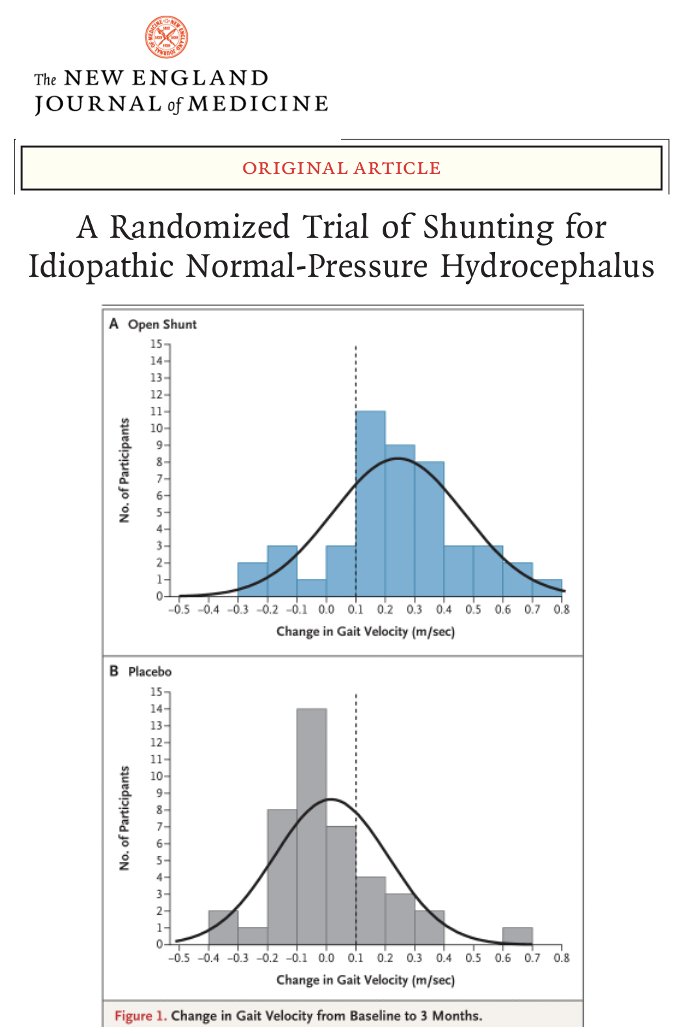
To shunt or not to shunt, that is the (NPH) question? The first large randomized trial of shunting for normal pressure hydrocephalus (NPH) just dropped in NEJM, and there was clear benefit for walking, and it favored the group receiving shunts. Spoiler alert: Walking improved, however thinking (cognition) and bladder function did not.
Key Points:
- NPH is a condition usually presenting in older adults where fluid builds up in the brain and it associated w/ trouble walking, memory and thinking challenges as well as bladder incontinence.
- Shunting significantly improved walking speed and balance compared w/ placebo.
- No meaningful change in cognition or bladder control observed at 3 months.
- Risks included subdural bleeding and headaches, underscoring the need for careful follow up.
My take: NPH has always been a tricky area for clinicians when trying to decidr 'to shunt or not to shunt.' Here are 5 points that resonated w/ me: 1- Shunting in well selected persons can restore some walking ability in NPH. 2- Thinking did not improve at 3 months. 3- Incontinence showed no clear benefit. 4- Risks to always discuss w/ people considering shunts should include bleeding and headaches (as not uncommon). 5- Walking gains may possibly reduce falls and boost independence, however we must be careful as sometimes improved walking w/o improved balance, can actually trigger falls.
https://t.co/yCnSCpclPL @FixelInstitute@ParkinsonDotOrg@alzassociation@SfNtweets@SfNtweets@NEJM
We need public & patient feedback via ZOOM - Thursday August 14th, 1:00pm - on a planned major research programme into balance & dizziness post moderate-to-severe traumatic brain injury. Register to attend by emailing [email protected]@headwayuk
https://t.co/DtXobHu3bl
PPIE: VESTIBULAR DYSFUNCTION IN TBI
Sign up for a Zoom call to provide public and patient opinion into a major research programme looking at imbalance and dizziness in traumatic brain injury.
Wed 25/06/2025, 13:00, UK time.
Email [email protected] to attend
Check out this work from Smith et al. investigating the views of both clinicians and patients in those with post-traumatic BPPV. https://t.co/dVpfqtSFDo
Excited to share our new paper.
🔗: https://t.co/Omf50PSM7M
Title:
Balance recovery and its link to vestibular agnosia in traumatic brain injury: a longitudinal behavioural and neuro-imaging study
Details below.
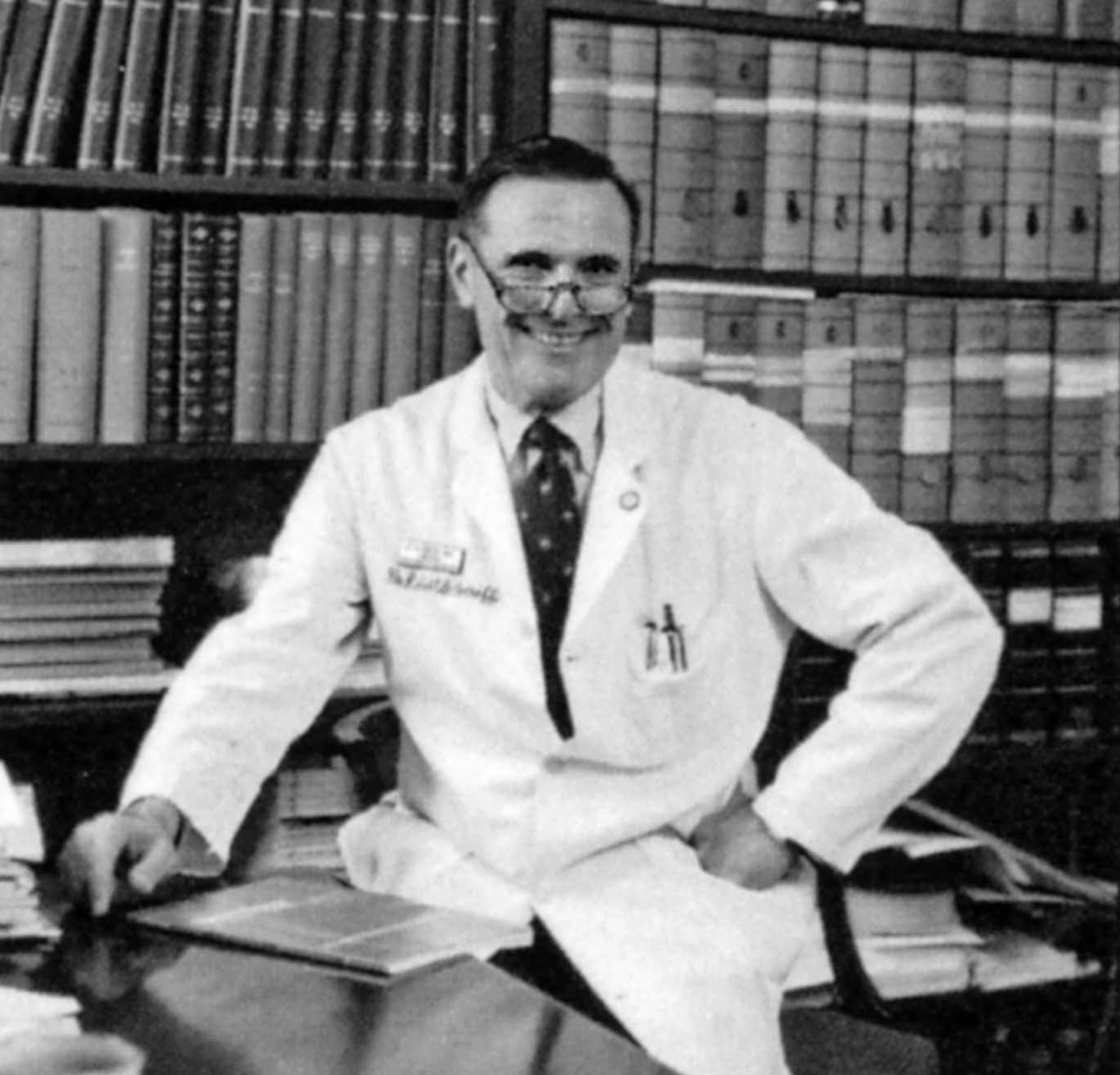
As the Gilbert Humphrey chair of the Department of Neurology @CwruNeuro he developed the department into what we are today. He was a visionary chairperson and a remarkable clinician-scientist. His legacy shall always live on. RIP, Prof. Daroff.
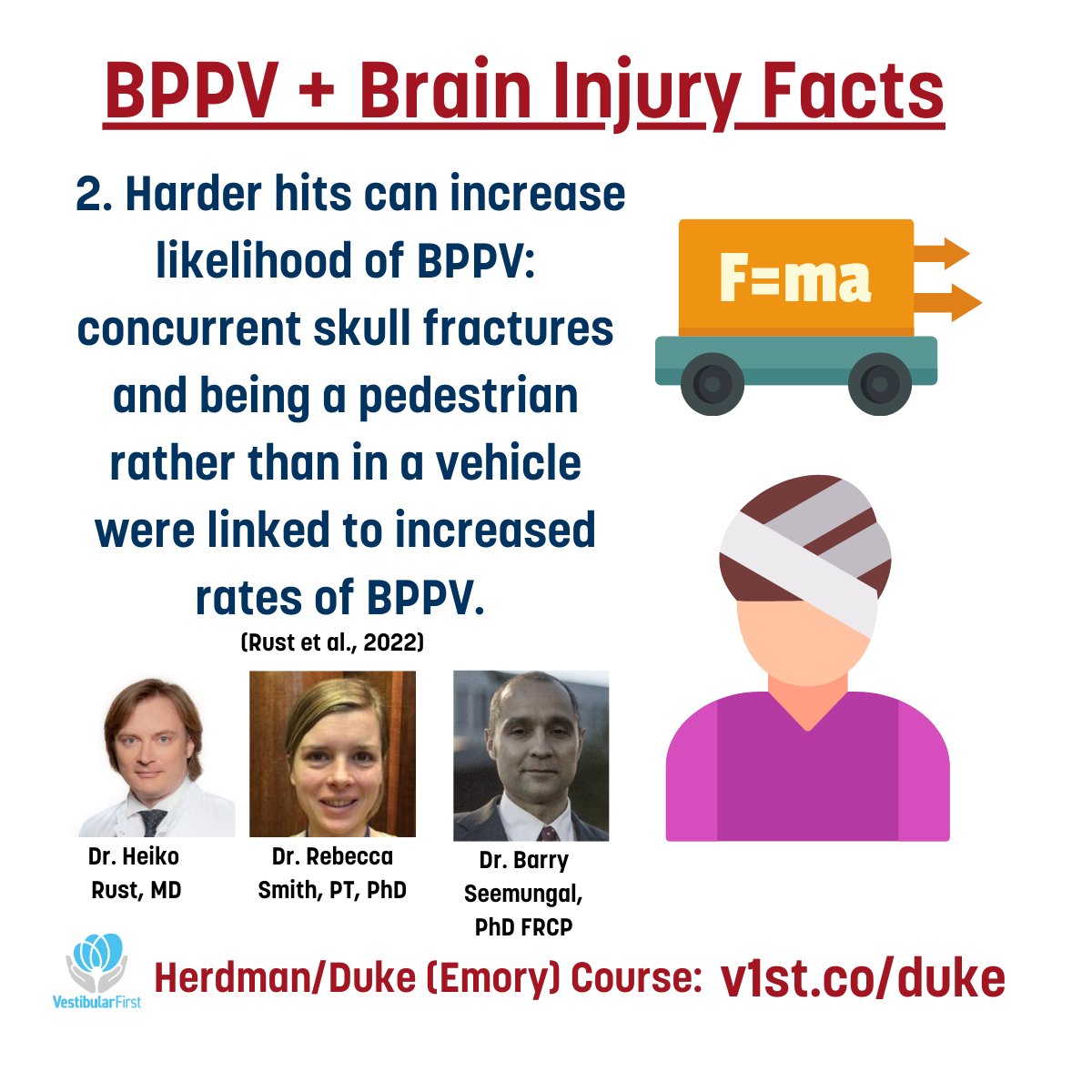
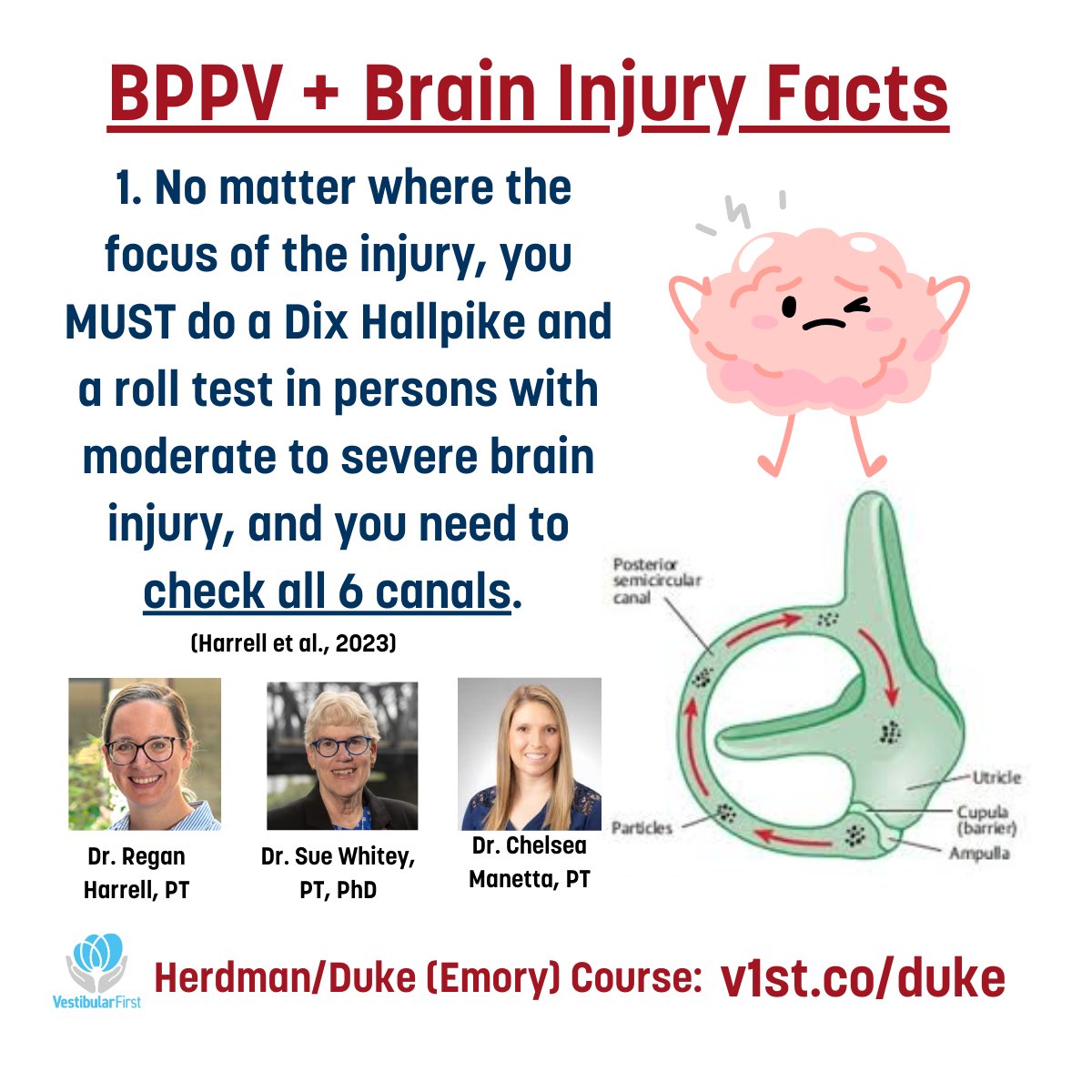
Do you see BPPV after brain injury? Learn all the nuances of assessment and treatment for BPPV and more: https://t.co/xIgXVDNOoe to sign up for the most GAME-CHANGING week-long in-person vestibular course at @EmoryUniversity, run by @Duke_DPT. #vestibularrehabilitation#bppv