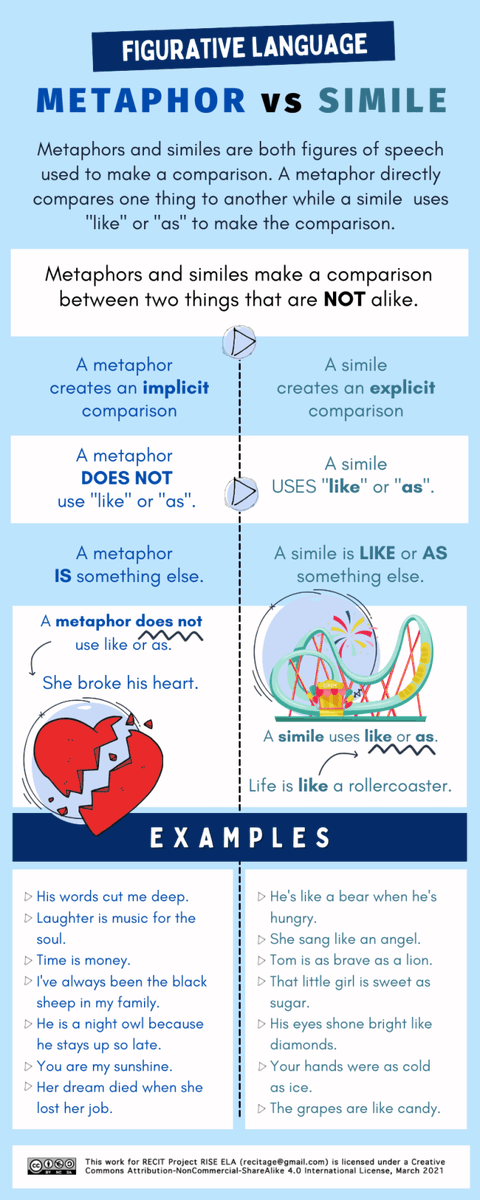
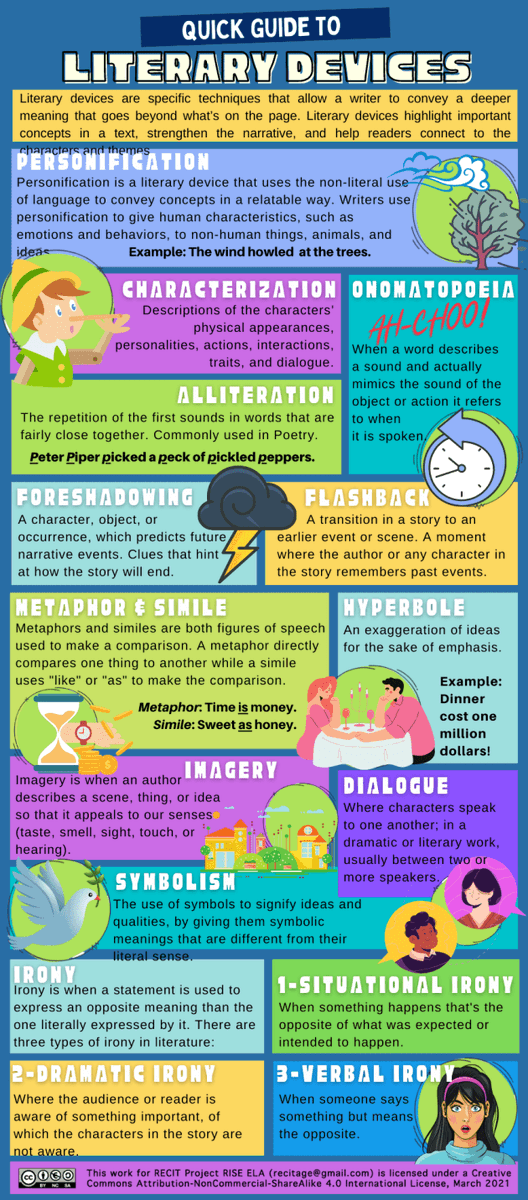
Do your students need help remembering literary terms? Check out these infographics to help with literary terms and usage.
https://t.co/gJtoyS5gQe via @TLEliteracy#ela#writing#teachertwitter
#Teachers with few behavior issues have the following in common:
1. Rarely gets offended.
2. Starts every day with a clean slate.
3. Talks w kids before/after class.
4. Considers de-esclation a win.
5. Doesn’t need the last word.
Add yours 👇
#ThatOneKid#edchat
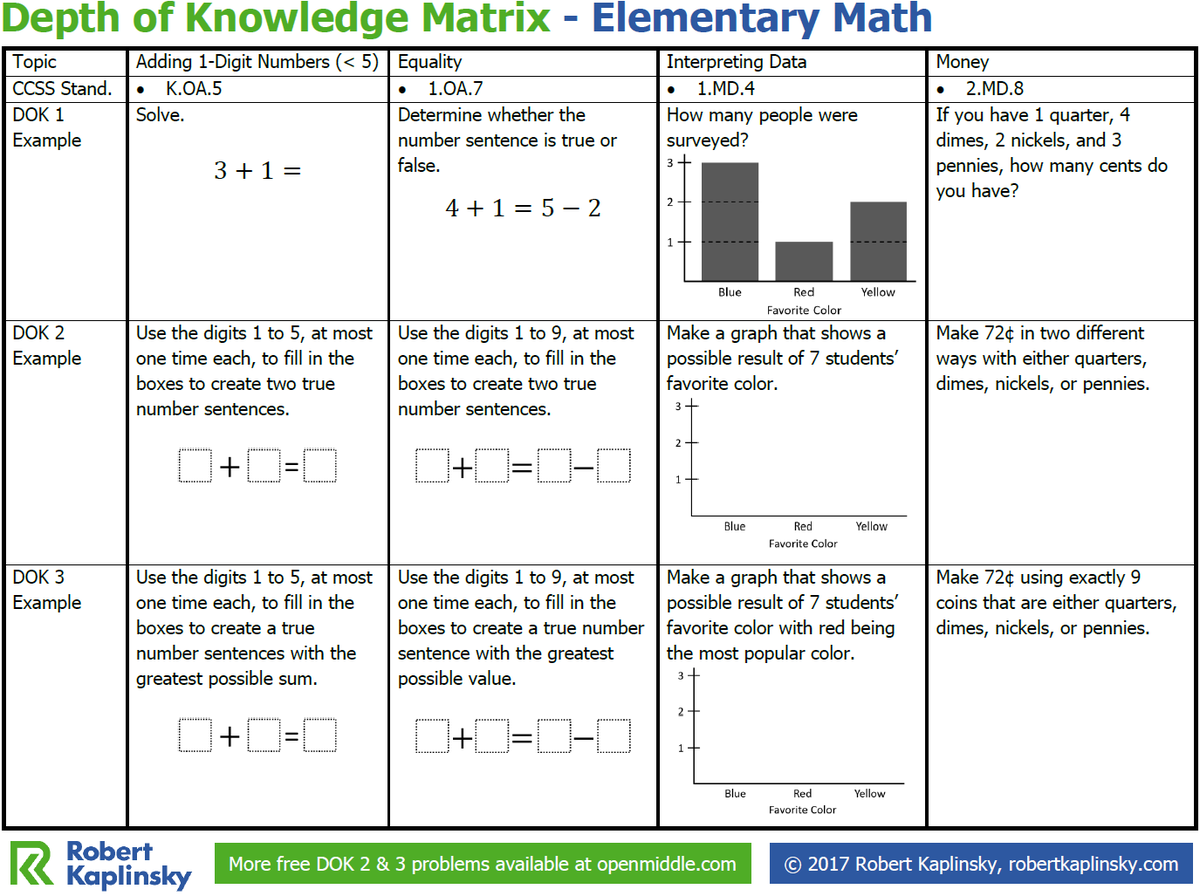
Here are some examples of what Depth of Knowledge looks like in kindergarten to second grade. Check out and download my Elementary Math DOK matrix.
https://t.co/uOTN0kGf8t
At the crux of pedagogical change is trust.
Teachers that trust their students are more likely to share the space with them. They are more willing to co-design, to listen, and to plan from their strengths and interests.
If teachers don’t trust students, good luck with change.
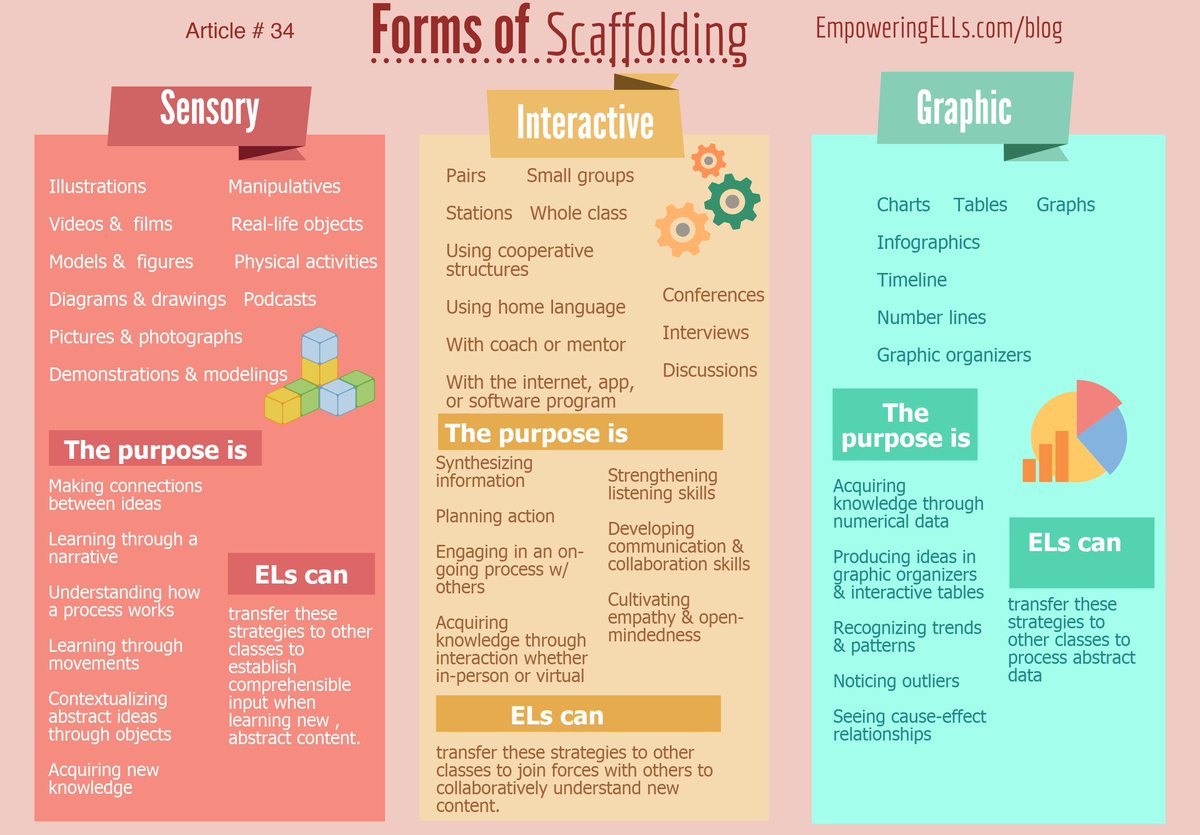
Discover how three types of scaffolding instruction can empower #ELLs to access content and develop academic language skills.
https://t.co/8we4i2dY6E via @TanKHuynh#edutwitter#ellchat#esol#learning
🚨 Calling all teachers looking for full-time or part-time positions next year (new graduates, students in their final year, returning teachers, teachers with family commitments). Come and work with an awesome team in a fabulous school!!
https://t.co/eWmPH2QjId
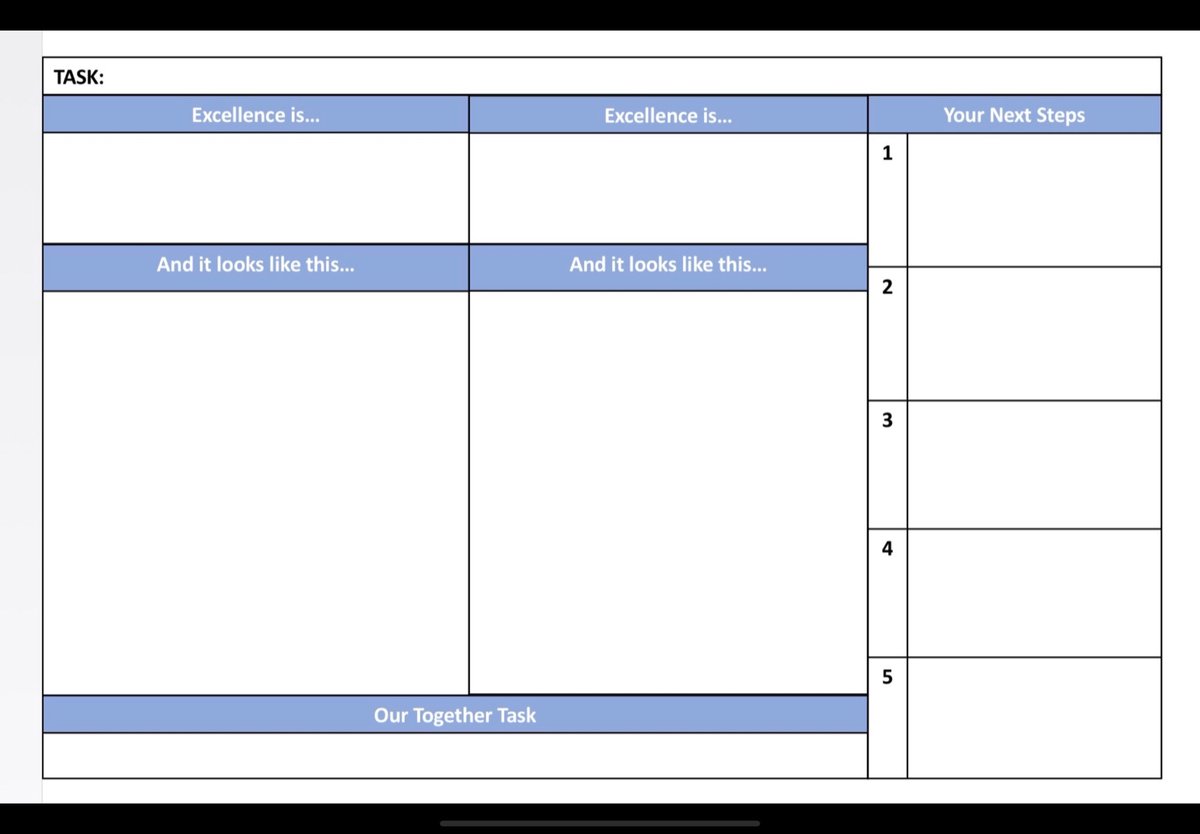
Currently interested in exploring ways to give whole-class, targeted feedback for growth. This is a good idea, particularly during the summarise phase of the maths lesson 🤔
How I approach WHOLE CLASS FEEDBACK
1) Define two aspects of excellence
2) Live model examples of this excellent from student work in the feedback lesson
3) Complete a Together Task that helps everyone to get better
Lots of conversations happening at the moment about the balance of surface, deep and transfer opportunities and what this looks like in practice across stages 🤔