Zhang AW, et al. Cross-Platform Methylation-Based Site of Origin Classification for Squamous Cell Carcinomas. Mod Pathol. 2025 Nov;38(11):100878. PMID: 40902853.
📢 Gynaecological Pathology Virtual Course (Week-Long)
Join us for an in-depth Gynaecological Pathology Course delivered via live Zoom webinar from 21–25 September 2026.
🔬 Expert-led sessions
💻 Attend from anywhere
🎓 Ideal for pathologists & trainees
⏯️ Enjoy on-demand access for 12 weeks after the course
⚠️ Limited places available — secure your place now:
https://t.co/eWGr2loa4t
#Pathology #Gynaecpath #GynPath #PathTwitter
A helpful well-illustrated review by an international team of gynaecological pathologists (Drs Wong, Talia and McCluggage from Hong Kong, Australia and the UK) of a group of very rare lesions. https://t.co/ZE8u7mMVCF
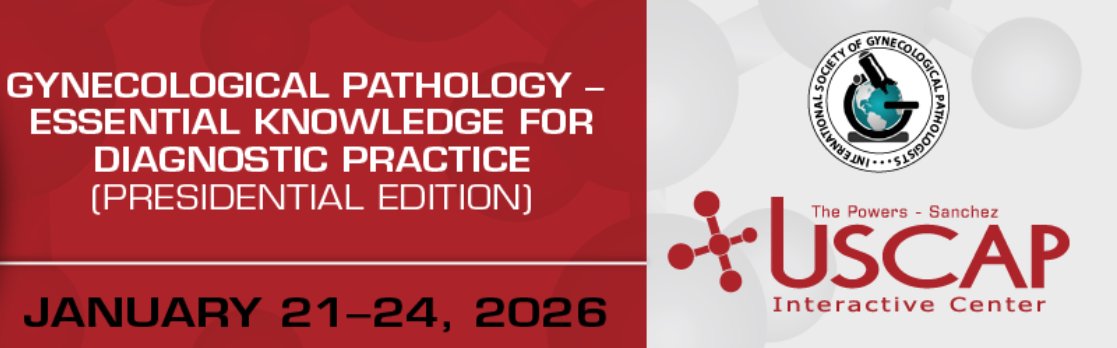
Mark your calendar! @Hui2Pei of @YaleMed will once again lead a course Jan. 21-24, 2026 at the @USCAP Learning Center in Palms Springs CA, on “Gynecological Pathology – Essential Knowledge for Diagnostic Practice.” Register Now! https://t.co/wxmqwnBw9Y
🚨 Last chance to book your virtual registration!
The countdown is on: just 7 days to go until #BAGP2025 with @ISGynP
Live in Belfast & online, 4–6 June 2025.
📅 Register now: https://t.co/8I2NWe8RBP
#PathTwitter#GynPath
UPDATED: Reimagining WHO Tumor Classifications: A Global Call for Equity
This piece is a brief summary of a thread on X that has evolved over the past 24 hours. It is by no means complete but offers a snapshot for those who may not have been following the full conversation.
In recent days, a vibrant and urgent discussion has emerged across the pathology community on Twitter, centered on a fundamental concern: the increasing inaccessibility and inequity of the WHO tumor classification system. Sparked by a tweet from Dr. Vikram Deshpande highlighting the disproportionate reliance on molecular diagnostics in the WHO Blue Books, the thread has grown into a broad critique of structural issues—and a thoughtful call for reform.
Participants, including Drs. Nathan McGrath, Runjan Chetty, Sanjay Mukhopadhyay, Steven Drexler, Robert Homer, Rahul Deb, Ananth Vikas, Aatur Singhi,Shalini Radhakrishnan, Gunjan Agrawal, Toni Sepulveda, Pepe Heffernan, Kamal, Syed Hoda, Tatiana Soboleva, Enegbuya Rume Tijani, Simon Boyi Chen, and many others, raised critical issues such as resource limitations in low- and middle-income countries, the financial and logistical barriers to molecular testing even in wealthy countries, and the questionable utility and fairness of NOS (“not otherwise specified”) diagnoses. The discussion underscored that current WHO guidelines increasingly require expensive molecular testing, inaccessible to the majority of the world’s population.
Several participants pointed out that even within well-funded institutions like Harvard Medical School (including Massachusetts General Hospital and Beth Israel Deaconess Medical Center), molecular diagnostics frequently experience significant delays due to logistical and insurance-related issues. Concerns were expressed that these delays result in diagnoses delayed, which can effectively translate to diagnoses denied, significantly affecting patient care and clinical outcomes.
An interesting thread, introduced by Dr. Runjan Chetty and expanded upon by Dr. Deshpande, focused on the potential of artificial intelligence (AI) and machine learning as global equalizers in pathology. They discussed a research priority proposed for the upcoming Cholangiocarcinoma Foundation meeting: leveraging AI foundation models not only to reliably distinguish cholangiocarcinoma from metastatic adenocarcinoma but also to predict important mutations such as FGFR2 and IDH1. Current models already demonstrate impressive accuracy even with limited datasets. The broader vision includes a philanthropic or public-private supported, commercially-free AI application that could significantly reduce the cost of targeted therapies for cholangiocarcinoma. The conversation highlighted AI’s potential as a practical and equitable solution, providing diagnostic accuracy independent of resource constraints.
An emerging thought is that WHO classification books should be written primarily by and explicitly for pathologists from low—and middle-income countries. Deshpande notably emphasized moving beyond the “ivory tower” perspective dominating current WHO classifications. The ideal WHO classification system would provide a primary diagnostic framework based on hematoxylin and eosin (H&E) morphology and basic immunohistochemistry (IHC), offering additional molecular guidelines in supplementary sections.
Dr. Pepe Jiménez Heffernan captured this succinctly, likening current WHO guidelines to a “pacemaker running too far ahead” and advocating a practical approach similar to the cytology blue books—morphology-driven, practical, and globally applicable.
Participants acknowledged that pathology as a discipline has historically been poor at advocacy, underscoring the importance of stronger collective voices demanding realistic guidelines that account for actual global resources. Pathologists in resource-rich settings, such as the U.S., still struggle with advocacy and declining reimbursements, highlighting that global inequities exist even within wealthy healthcare systems.
Dr. Tatiana Soboleva, from a low-income setting, emphasized that although resource constraints often result from inadequate local government support rather than WHO policies alone, the WHO classification system should explicitly reflect global realities. She noted that a practical diagnostic framework would significantly ease diagnostic standardization and uniformity in such contexts.
Finally, several pathologists, including Deshpande, drew attention to the intrinsic power of traditional morphology, specifically highlighting pioneers like Dr. Bob Scully, whose morphological classifications anticipated genetic confirmations by decades. With the advent of powerful AI-driven foundation models capable of extracting previously unseen patterns from routine H&E slides, morphology may again emerge as pathology’s most powerful and equitable diagnostic tool.
In sum, the conversation reflects a profound call for reform within WHO classifications, emphasizing equitable access, practical applicability, advocacy for resources, and a balanced integration of traditional morphology with emerging AI-driven methodologies. The pathology community urges WHO leadership to address these concerns seriously and ensure their classification systems are truly representative, practical, equitable, and responsive to global realities.
This evolving conversation will soon be further detailed in the @JClinPath_BMJ
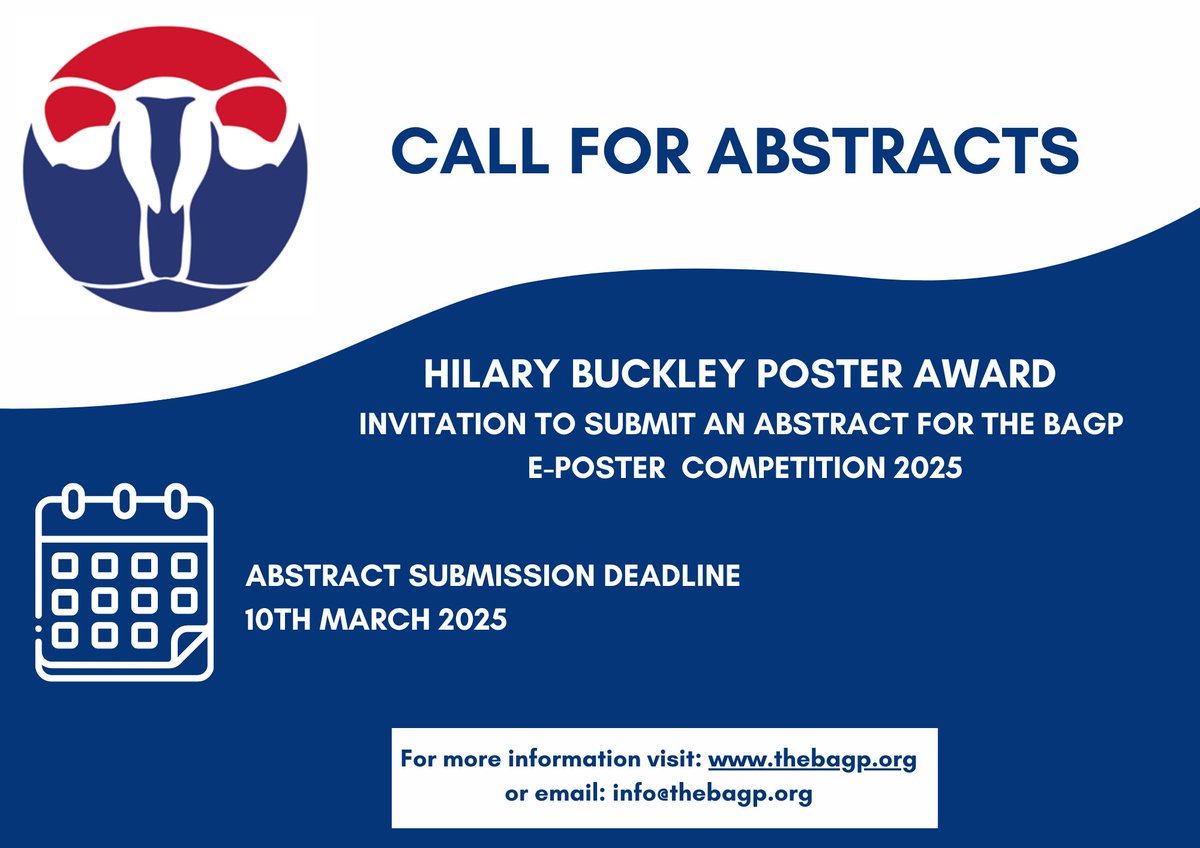
⏳ The deadline is approaching to submit your abstracts for the BAGP e-poster competition!
🏆 Top 10 posters, will earn one author a free spot to attend the Annual Meeting.
🎤 Winners will be invited to present their posters at the ‘Meet the Experts’ event on 04/06 in Belfast!
🚨 Exciting News! 🚨
Join us for the BAGP 21st Annual Meeting in collaboration with ISGyP in Belfast, 4-6 June 2025! 🎉
https://t.co/DhX8M7fRfh
Hear more from the BAGP President in this special video message! 🎥👇
See you there! 👏 #BAGP2025#GynaePath#PathTwitter@ISGynP
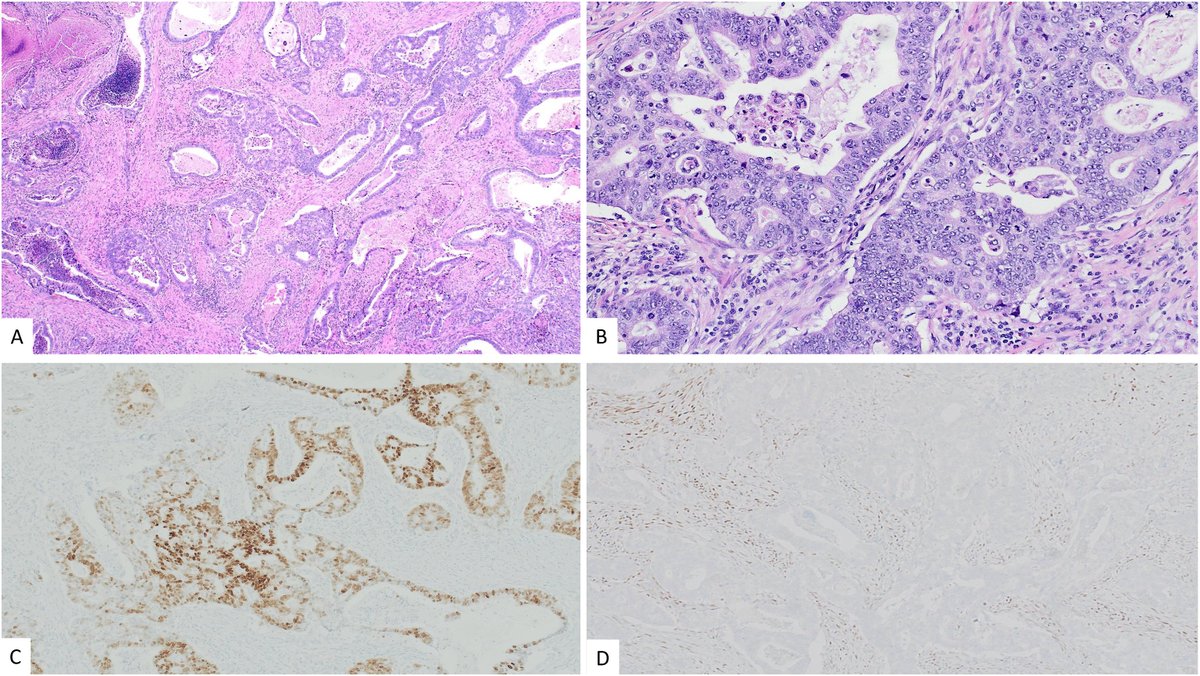
New in #HumPathol: Characterization of Gastric/Gastrointestinal-Like Immunophenotypes in Endometrial Endometrioid Adenocarcinomas, Including Endometrioid Adenocarcinomas with Mucinous Differentiation. https://t.co/KBjbzcLOiH #pathology#PathTwitter#PathX#GYNpath
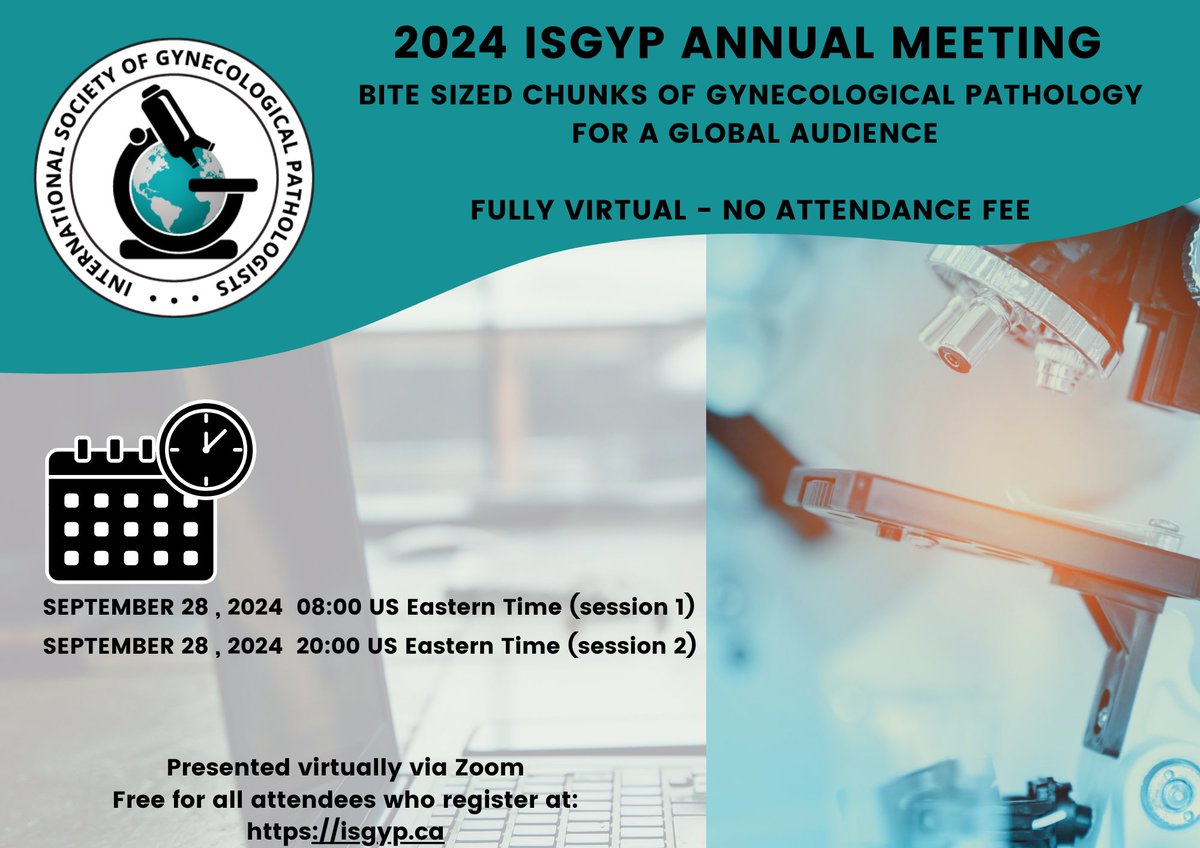
Join the virtual 4th ISGyP Annual Meeting "Bite Sized Chunks of Gynaecological Pathology for a Global Audience", Sep 28, for free! Expert lectures in #gynpath Open to all pathologists & trainees. 4 CME credits offered. Register @ https://t.co/by2ry4yMim
Join the virtual 4th ISGyP Annual Meeting "Bite Sized Chunks of Gynaecological Pathology for a Global Audience", Sep 28, for free! Expert lectures in #gynpath Open to all pathologists & trainees. Register @ https://t.co/by2ry4zk7U
Prof Glenn McCluggage excited to announce that the 21st BAGP annual meeting will be held in Belfast on 4th- 6th June 2025 in collaboration with ISGyP #BAGP#Pathology
Announcing a free @ISGynP sponsored live virtual slide session on May 30, 2024 by Dr Wong on "A Practical Approach to Mucinous Lesions of the Endometrium". Register now at https://t.co/uIM5YcSnVT #gynpath
Just take a look when you have any questions in your mind about predictive/prognostic markers for ovarian, endometrial, cervical or vulval carcinomas. Hope this article is of help for your daily practice! https://t.co/nag3Xz19Vg #Pathology_RCPA#gynpath