RxTx Research is utilizing the latest computational biochemical and biophysical scientific findings to develop the next generation open-source software.
Computational chemistry landscape in the era of open source software, RxTx's place in it, and future outlook https://t.co/FWLmh5xJDk #compchem#opensource#rdock#rxdock
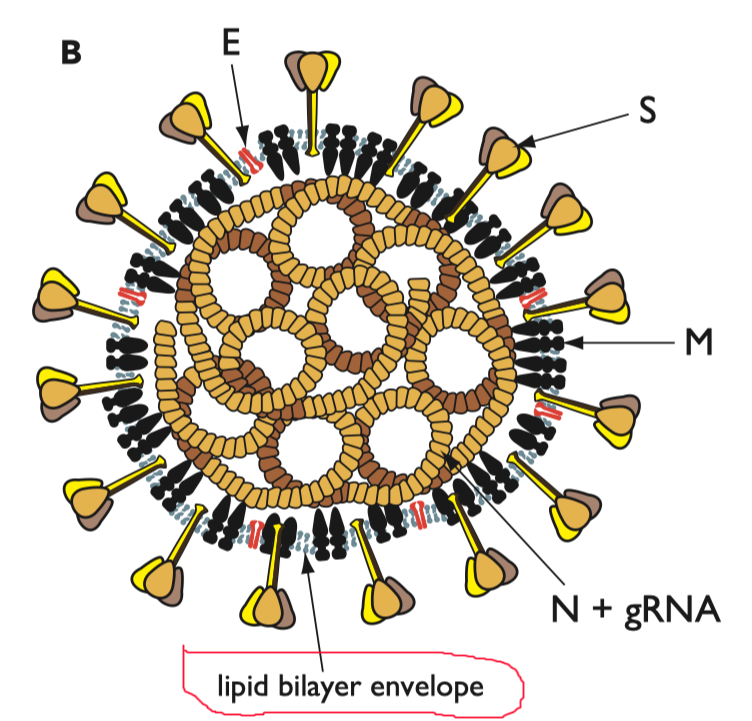
1/25 Part 1 - Why does soap work so well on the SARS-CoV-2, the coronavirus and indeed most viruses? Because it is a self-assembled nanoparticle in which the weakest link is the lipid (fatty) bilayer. A two part thread about soap, viruses and supramolecular chemistry #COVID19
.@Rebecca_Wade_C , @DariaKokh and I wrote a review of computational methods to study ligand-protein binding kinetics. We assessed the performance of methods considering two benchmark systems, T4 lysozyme (T4L) and N-HSP90. (1/3)
@HITStudies#compchem
https://t.co/HSQZ5753aR
The recording of our last week seminar at #UniRi#BioTech dept. seems to be quite popular on @YouTube under "University of Rijeka - Topic" channel #Research playlist #compchem#rxdock https://t.co/9dwatNvgaN
“Check out my amazing pipeline! It’s so simple and so easily repeatable!”
“Oh? What is it based on?”
“The usual, you know, R, Python 2, Python 3, C, C++20, Perl, LaTeX, and an SMTP server. Oh, and packages from CRAN, Bioconductor, PyPI, CPAN, GitHub, Gitlab…”
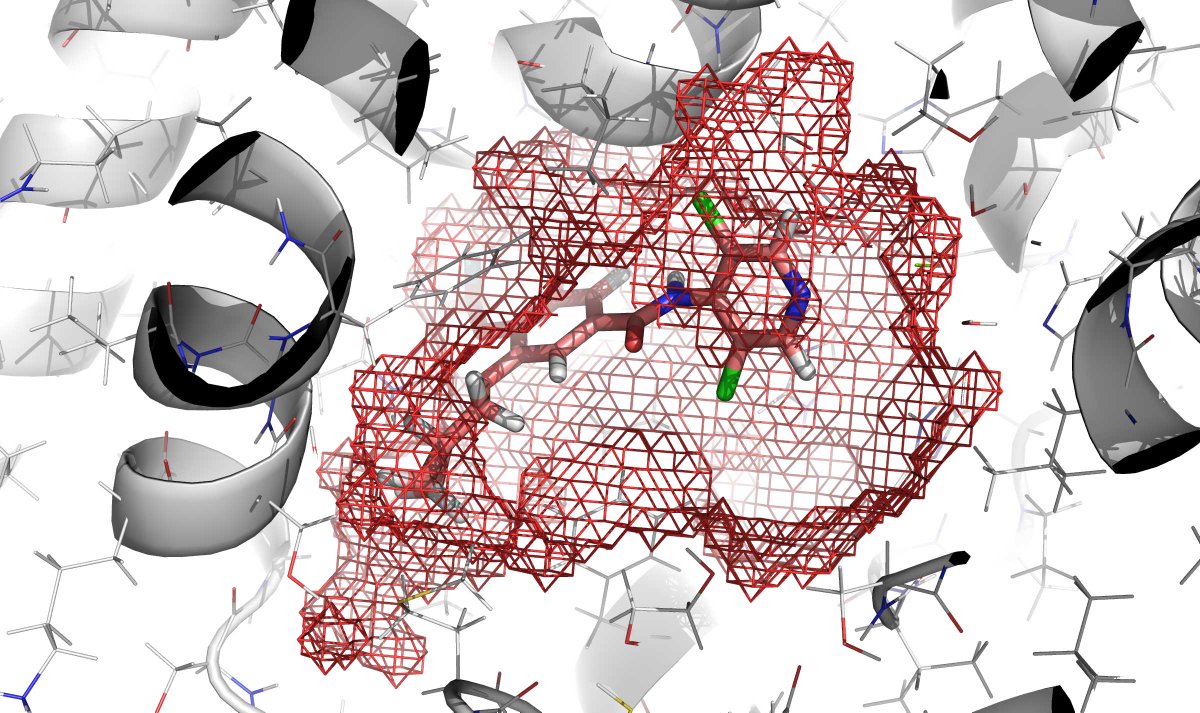
This Friday at 2pm I will be presenting at University of Rijeka BioTech department seminar. I will talk about #RxDock https://t.co/n1SvwRjpsG, an actively developed fork of LGPLv3-licensed #HTVS molecular #docking software #rDock https://t.co/4VpTemF7aW #compchem#opensource