Nov weekend success! Our team managed over 290 resightings of over 130 individual Curlews, Turnstone and Bar-tailed Godwits. This included birds marked by WWRG in the #WashNNR and by projects elsewhere. Fantastically, this included 17 headstarted Curlews (yellow-leg flags)!
We are at the @CurlewLIFE Conference this week with 100+ delegates from 30+ organisations and projects. What an opportunity to share knowledge and experiences! We need policymakers to take the lessons from this project and others, support #Curlew for the long-term and at scale.
@TwrchIwrch@m0xdx@curlewcalls@curlewrecovery@WashWader@Sammers_Lee Great to be concerned for welfare Richard. Colour-marks are used extensively across the globe to uniquely identify waders. In the UK their deployment is licensed by the BTO on behalf of the statutory agencies. There is no evidence of negative effects in Curlew.
Curlew are far from recovery but brilliant work is happening. For wader recovery, we urgently require long-term large-scale funding to maintain and restore habitats, manage predation and provide consistent advisors to work with land managers, monitor success and adapt practice
Down to our last few nests, exclusion fences are coming down and our fieldwork teams are well into the tricky business of chick monitoring! Our Curlew Solutions Trial teams have monitored 145 nests across 5 English landscapes this season! Well done All!
The water has FINALLY dropped enough to access our best redshank site, with the redshank champion himself @RupertBrewer2! The nests have a 2 inch layer of dry grass in them to keep the eggs nice and dry, what a fantastic species! #conservation
Reducing predation is crucial for Curlew recovery. Learning how nest survival and predator identity varies between areas is important for getting interventions right. The images show a stoat predating a Curlew nest monitored this season by @_BTO for the CST project
OUR NEW PAPER - 50 yrs of monitoring cereal invertebrates in the Sussex Downs.
37% decline in overall invertebrate abundance but the situation is complex. Increases for 16% of non-overlapping taxa at the order or family level, and no change for 37%.
https://t.co/FgTPTNGfGb
@Carmond_K@GrahamFAppleton Hi Kristofer. Excellent work! I'm the project officer for DCWRG and I can say that if you didn't get a response then the sightings were not received. I'll happily follow this up if you can drop me a private message with your email and the sighting information :-)
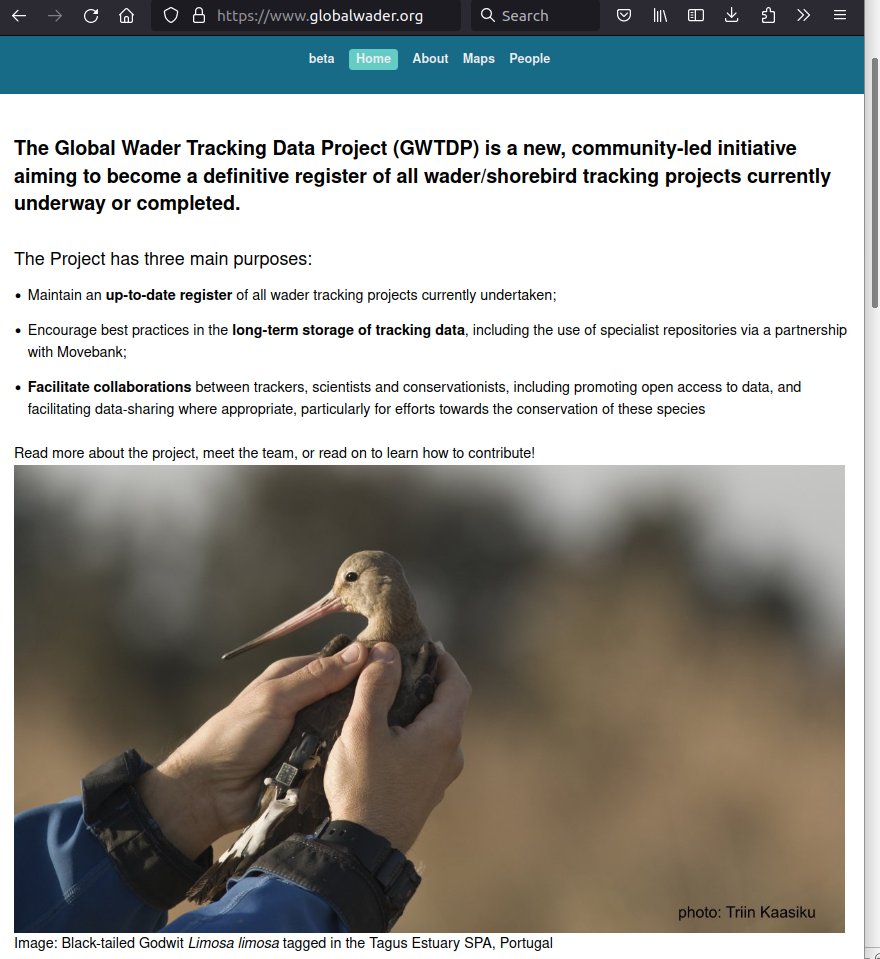
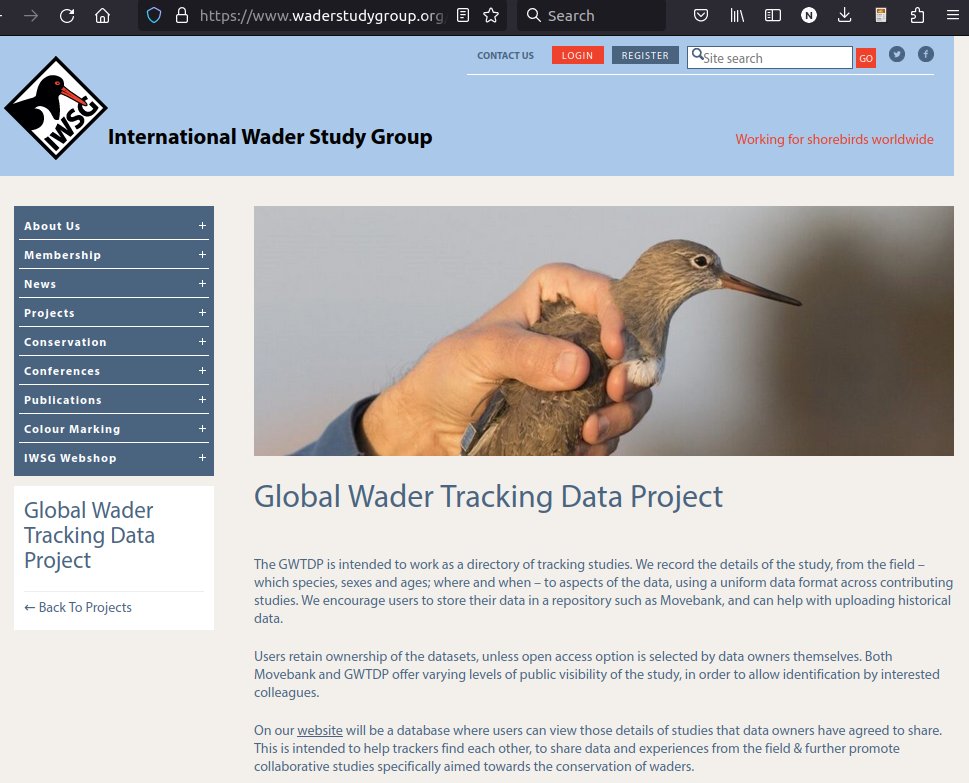
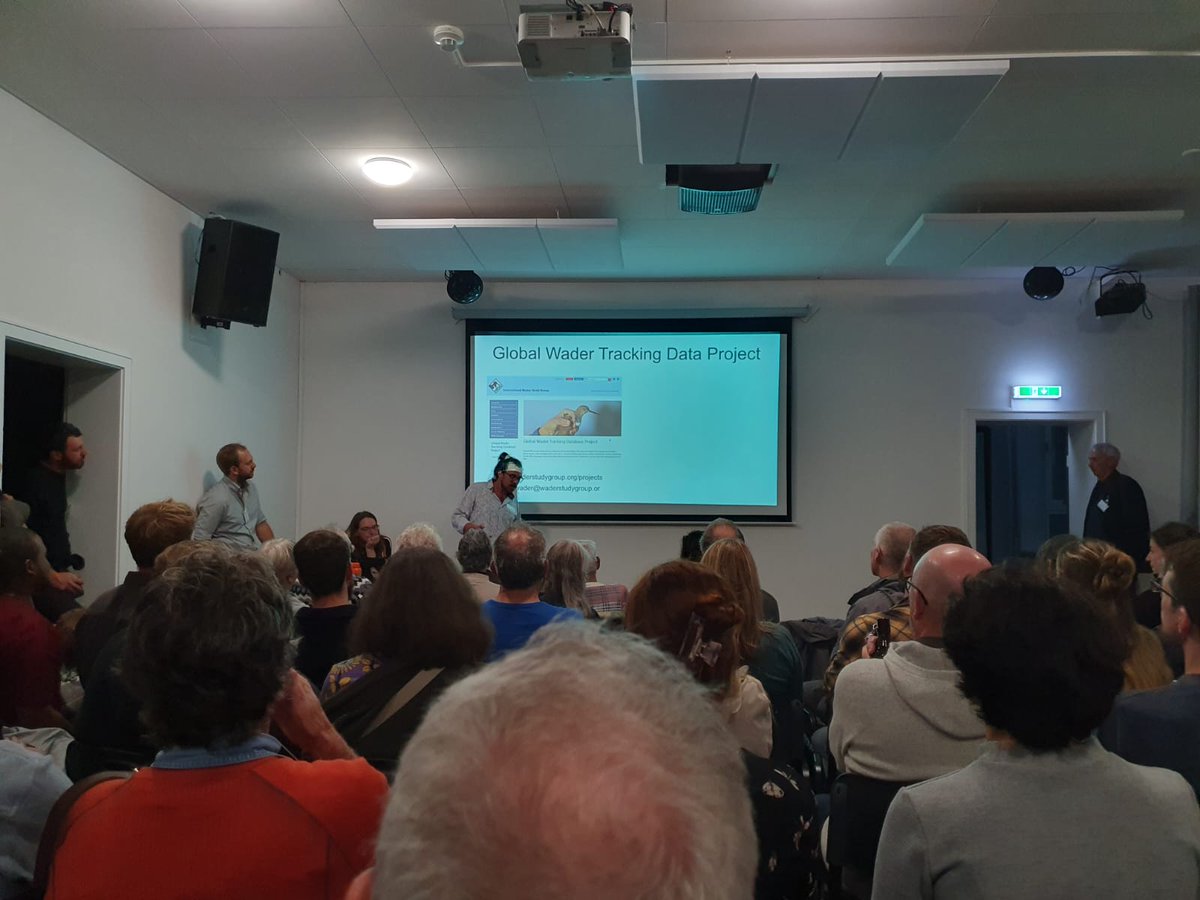
Excited to announce the hatching 🐣 of @WaderStudy's latest #ornithology Project, in partnership with @MovebankTeam- the Global Wader Tracking Data Project (GWTDP)!
https://t.co/ofiWh3xA3r
https://t.co/hQVOAhIMVg
But - what is it?
Why do we need it?
How does it work?
🧵 1/9
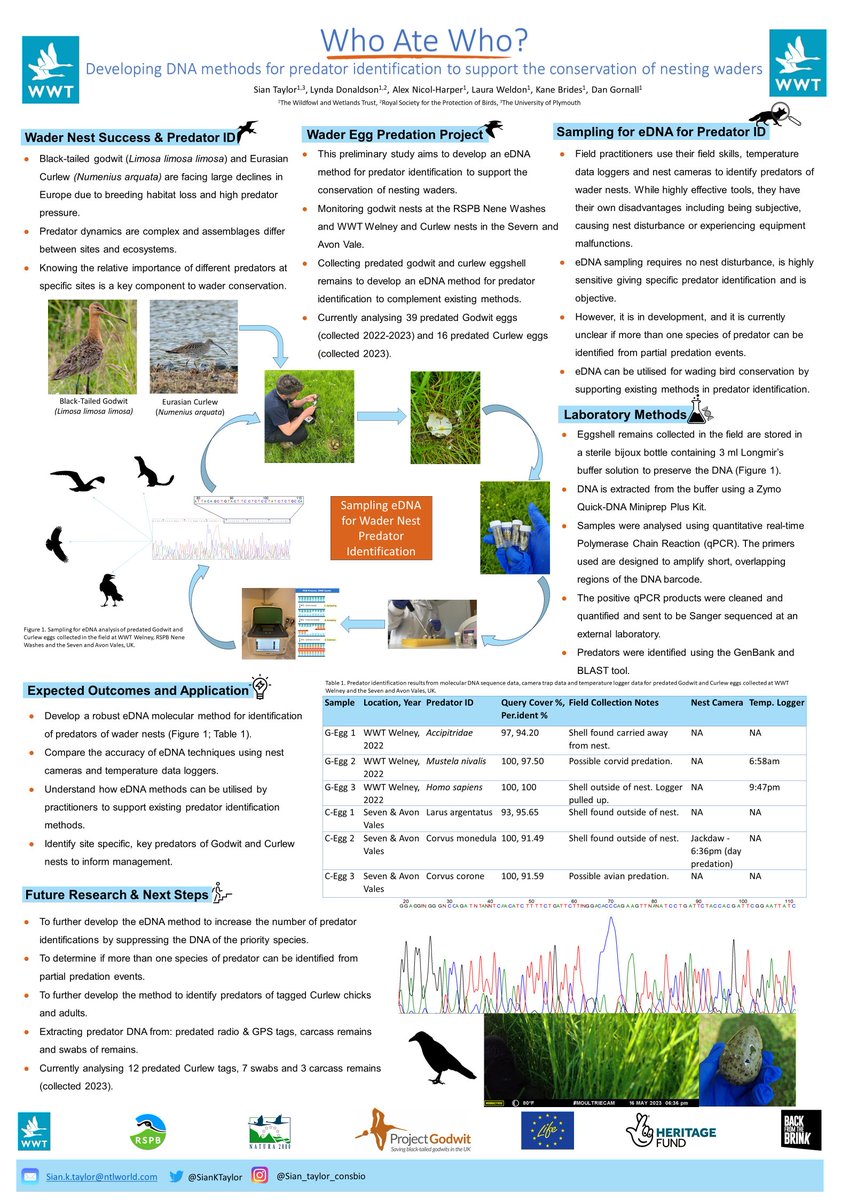
A brilliant new pilot by @SianKTaylor! Finding the culprits for the large number of unknowns often present in wader nest and chick predation studies is so valuable for our knowledge, management and policy #ornithology#IWSG2023
🖼 Poster sneak peak - "Who ate who?" @SianKTaylor@WWTconservation are developing new methods to use DNA to identify predators and better support conservation of nesting waders #IWSG2023