My guy @jasondemers5 has some thoughts on how defencemen should defend 2-on-1's......and how they definitely should not.
The numbers on what makes a 2-on-1 successful and how D can improve their odds of shutting them down. @NHLMedia
Current Michigan State Head Coach Adam Nightingale stresses the importance of passing.
As the level of play increases, so does the number of pass attempts and the success required.
“I don’t complain about playing time.
My job is to play so well that the coach can’t sit me.
If I wasn't going to make it - it wasn't going to be because my lack of attitude, my habits, and my energy.
I brought it every single day."
I'll say it until I'm blue in the face. Passing is the most underrated skill in hockey. Our game is the ultimate team game. If we don't teach our kids how to pass and support consistently we're not developing hockey players.
Check out these beauties from last night. Great job!
COACHES: A simple but REALLY IMPORTANT habit for success defensively is stopping in your spots returning into the Dzone. ANA does a phenomenal job here stopping in their structure (you'll see "5 on a dice"). They force the turnover and away they go. Great clip to show your team!
Congrats to two of our current Bulls, Jake Boulanger '24 and Caeden Herrington '24, who are both listed on the NHL Central Scouting's Preliminary Players to Watch List for the 2024 NHL Draft! Go Bulls! #MadeInTheMountains https://t.co/hdT2QLwBpS
Love this from Like Richardson. Compete is a habit that players need to work on consistently in practice to be consistent with it in games. Sure some players are inherently more competitive than others, but we all need the competitive reps!
Greg Carvel confirms that Dans Locmelis (#NHLBruins '22 4th) will be making his NCAA debut tomorrow night.
Will likely be Suniev (CGY)/Locmelis (BOS)/Musa (leads all freshman in country in points)...that's a hell of a third line
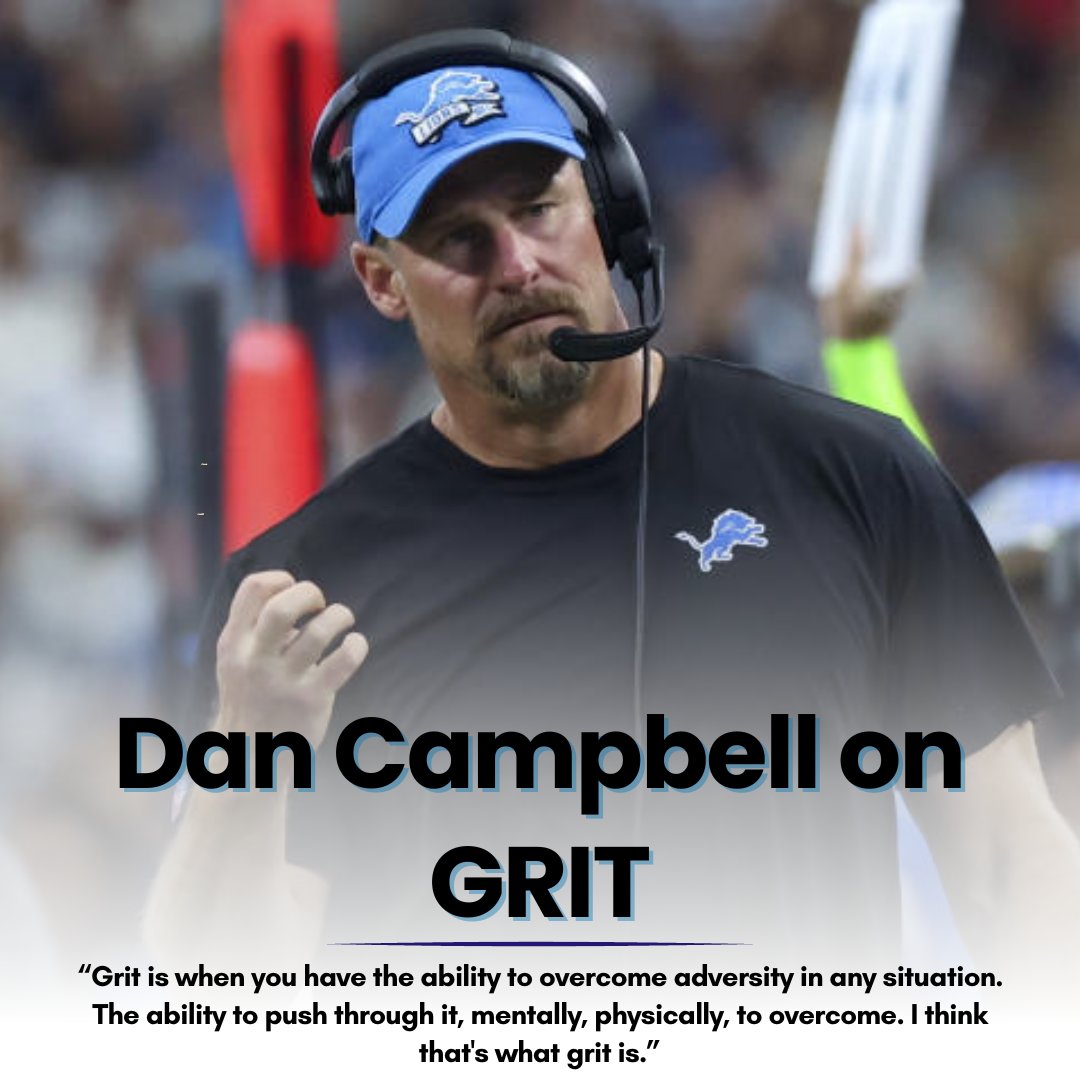
Dan Campbell said, "Grit is when you have the ability to overcome adversity in any situation. The ability to push through it, mentally, physically, to overcome. I think that's what grit is."
Grit is passion and perseverance for your long-term goals.
Grit isn't talent or luck, it's the ability to have stamina and endure.
Grit is a mindset that you grow and build over time.
✅It allows you to believe in the potential of tomorrow.
✅It brings you opportunities for growth.
✅It makes you resilient in times of adversity.
5 Ways to Develop More Grit:
1. Discover Your Interests - When you know what you are interested in then it makes doing the work easier. Recognize your genuine interests and passions. Know what you care about and where your mind wanders because passion forms the foundation for your grit.
2. Define Your Goals - When you know where you are headed and why, then it makes getting there easier.
• Remove distractions and define your priorities.
• Define what goals you want to hit and WHY.
Then set stretch goals because you want challenging objectives to test your grit.
3. Practice Deliberately - The key to grit and growth is being detailed and intentional about what you do.
• Concentrate deeply on your work and practice.
• Understand how to get into a flow state and be consistent about your practice.
Regular, purposeful practice is essential for skill development and grit.
4. Create a Support System - In any journey there will be obstacles so create a support system led by yourself and supported by others. Practice optimistic self-talk by updating your beliefs, removing negative self-talk, and developing a positive inner dialogue. Also, set up an external support system from mentors, coaches, or peers.
5. Reflect and Grow - Developing resilience and grit is a long-term journey so constantly look to reflect, get feedback, and improve. Seek feedback on your performance and look to improve.
• Developing a growth-mindset is the best way to develop grit (especially for children).
• It is not about the end result, but constantly striving to grow and improve
"Grit is living life like it's a marathon, not a sprint." - Angela Duckworth
- - -
Follow @coachajkings for more content like this!
Ice Colonel➡️Captain➡️Coach
We are excited to announce the addition of @P_Erickson7 to our staff!
Phil’s character & leadership have been instrumental in building our program. We are thrilled to have his perspective & knowledge of the game to help mold the next Wilkes Wave 🌊
With 1.9 seconds left in overtime of Game 5 of the 2006 NBA Finals, Dwyane Wade went to the free throw line.
Wade & the Heat were down by 1. The series was tied 2-2.
He told Tiger Woods how he prepared to make those high-pressure free throws:
“The night before,” Wade said,
“I was in the gym at midnight.
And I was like, ‘I know games come down to free throws. No matter what happens, it's going to come down to free throws.’
So I was in the gym and I had my cousin standing next to me, I had him right in my ear talking shit to me.
And so the next night, I get in that same situation where I got to make these free throws. And I just went back to last night in the gym. I just went right back to that. I was like, ‘I just hit 200 of these last night. I got this.’"
"That's so good," Tiger says.
"It's like," Wade says, "your confidence comes from your work."
"Correct," Tiger replies.
Wade: "You've done it over and over. You've seen yourself do it."
Tiger: "Correct, thousands of times."
Wade hit the two free throws, and the Heat won 101-100 to take a 3-2 series lead. Then in Game 6, he had 36 points to help the Heat win the game and their first championship in franchise history. Wade was named NBA Finals MVP.
Takeaway 1:
Ryan Holiday likes to say,
"Belief in yourself is overrated. Generate evidence."
Wade simulated the situation so that when he was in that situation for real, he had the evidence.
“You've done it over and over,” he told himself. “You've seen yourself do it.”
Your confidence comes from your work, from your evidence.
Takeaway 2:
What Dwayne Wade figured out intuitively—that confidence is a function of the previous work put in—is scientifically accurate.
For nearly three decades, the neuroscientist Dr. Lisa Feldman Barrett has been studying where emotions—calmness, panic, nervousness, and so on—come from.
Her bestselling book, "How Emotions Are Made: The Secret Life of the Brain," gets its title from the discovery that emotions are constructed by the brain.
"In every waking moment," she writes, "your brain uses past experience to guide your present sensations."
In every waking moment, your brain sifts through its library of past experiences, looking for something similar to what is currently happening. If your brain can’t find anything in your past that is similar to your present, you are in a state of what brain scientists call “experiential blindness.”
If you are at the free-throw line with the game on the line, for instance, and you start to panic—you’re in a state of experiential blindness. Your brain, Dr. Barrett would say, is calling you out. You didn't put in the work. You didn't form the past experience needed for your brain to be able to say, as Wade was able to say, "I just hit 200 of these last night. I got this."
- - -
“You are continually cultivating your past…the experiences you have today become the past that your brain uses to make predictions for tomorrow.” — Dr. Lisa Feldman Barrett
Follow @bpoppenheimer for more content like this!
Celebrating the past.
Honoring the present.
Looking forward to the future.
We are proud to celebrate 50 years of Division III.
#DIII50 | #WhyD3 | #EarnYourRank
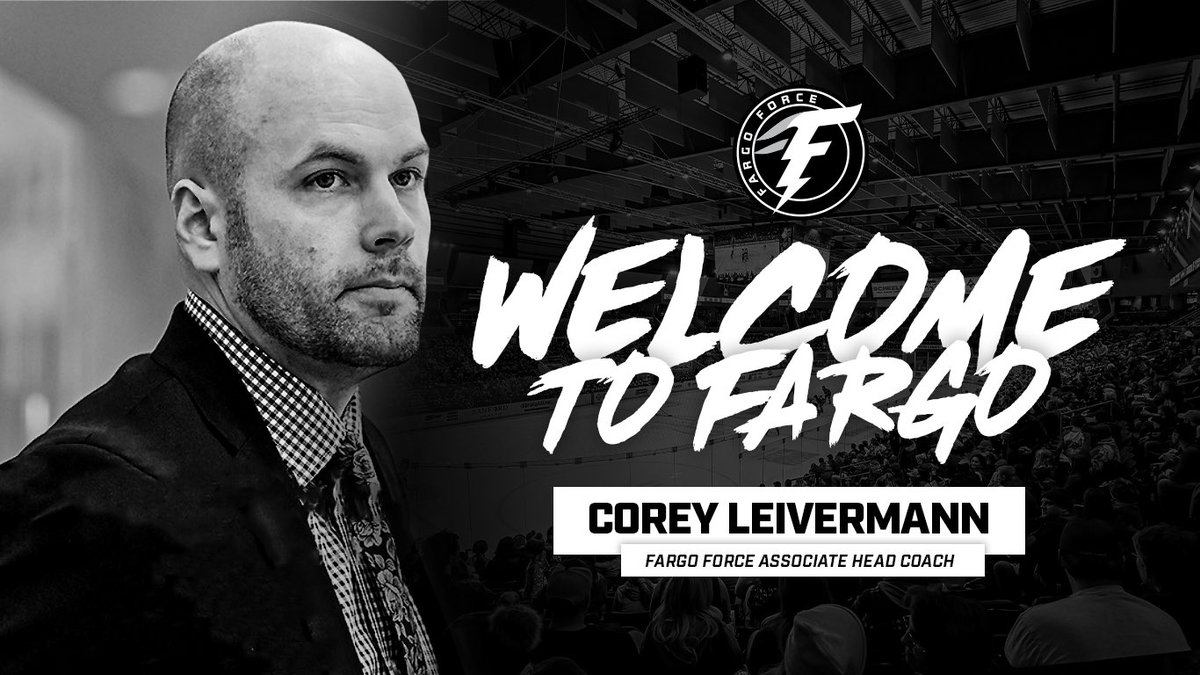
We are excited to announce #ForceAlumni Corey Leivermann as the new Associate Head Coach of the Fargo Force➡️ https://t.co/4ZTrc57hQa
Welcome back to Fargo, Corey!
#ForceNation⚡️ | #StarsRise
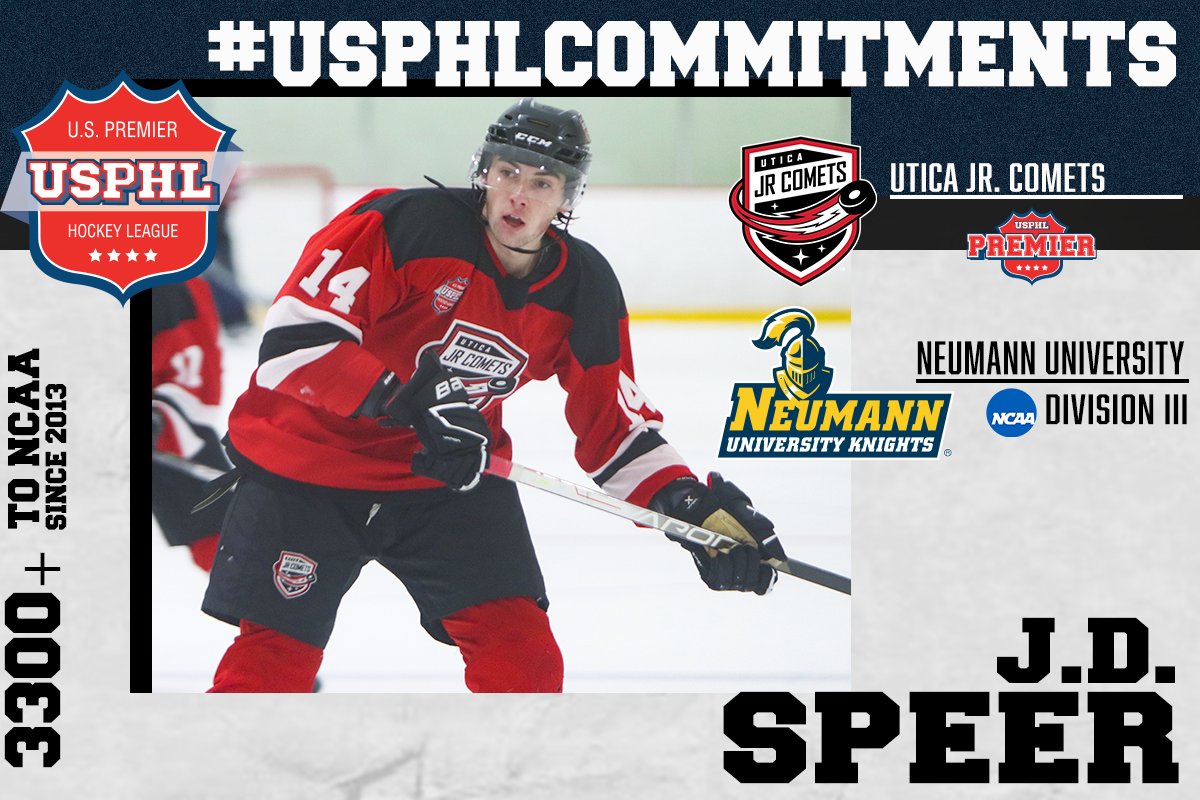
#USPHLCommitments: Congratulations to four-year @UticaJrComets standout J.D. Speer, who has made his @NCAAIceHockey commitment to @NeumannMIH for 2023-24! Speer is the #USPHLPremier Jr. Comets' all-time leading scorer and was named an All-Star this year.
https://t.co/eXnvwirxlc