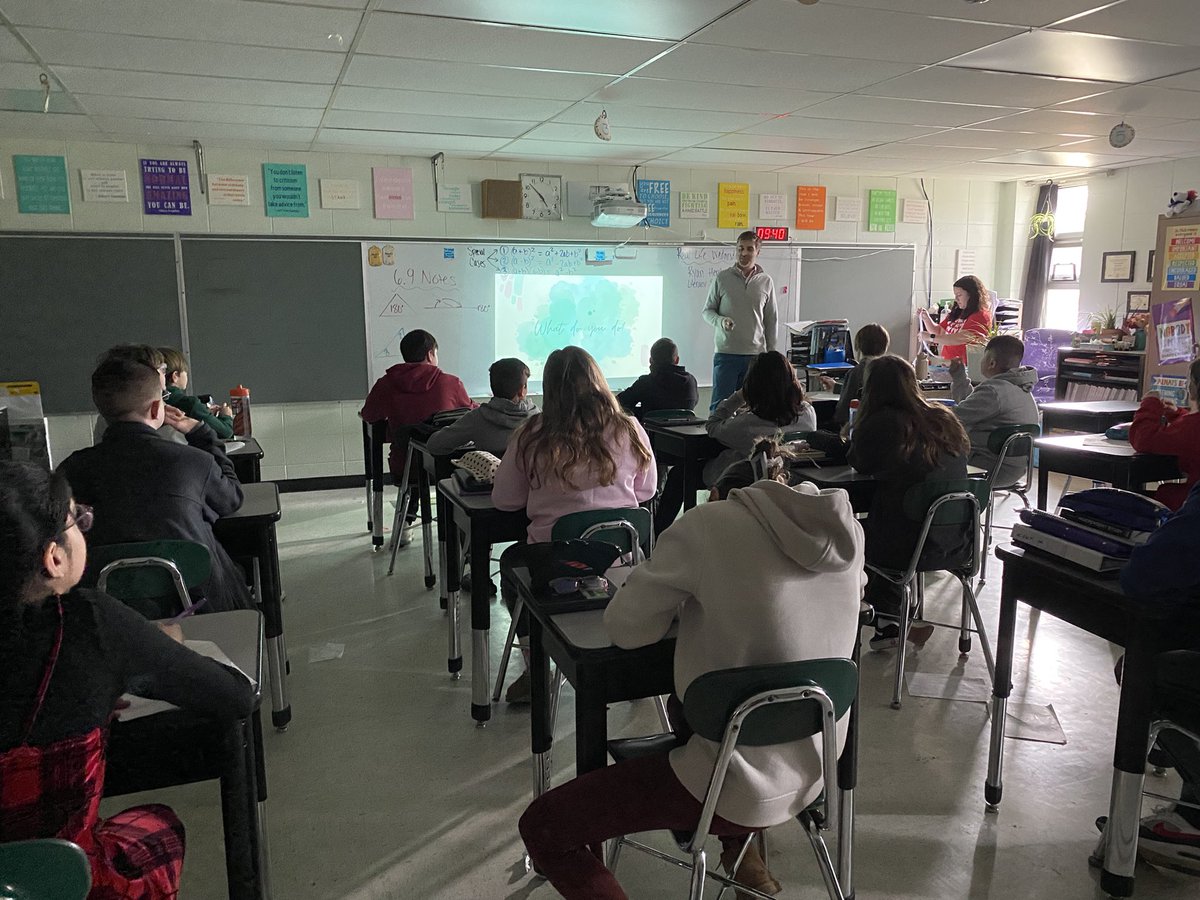
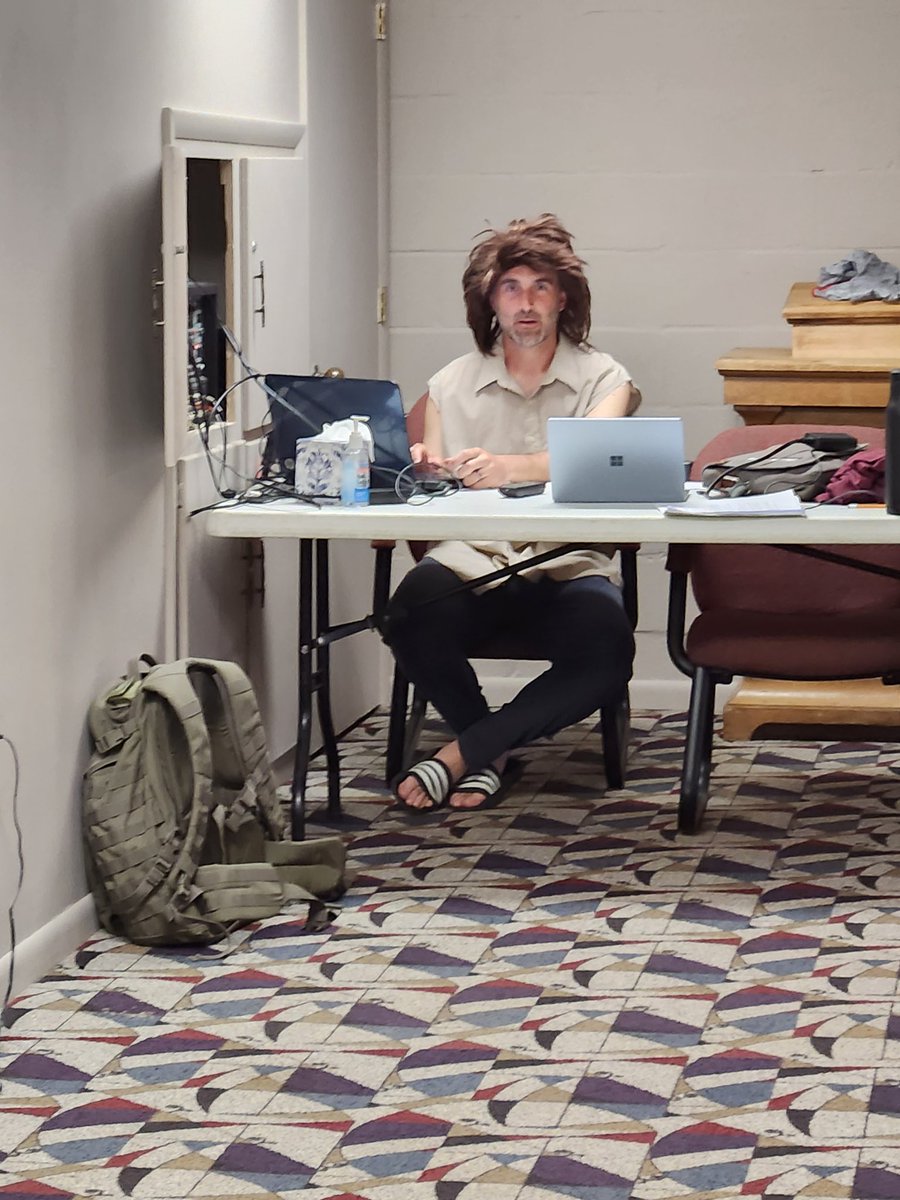
Thank you, Ryan Hershey, Literacy Specialist and Columbia Class of 2000, for speaking to our classes for Real Life Wednesday! #RLW#OnceARaider@LCaseCMS
US teachers on average spend 28 hours of their work week in face-to-face instruction.
Finland? 21 hours.
Japan? 18 hours.
Who could have guessed that giving teachers more time time to plan, assess, give feedback, engage in professional learning, etc. would improve outcomes?
I’d like to talk to whoever decided the school day should be nearly as long as an adult workday, with a lunch break, no other breaks, and then send home with more work.
It’s almost as if we’re training kids to be good little workers, with no boundaries. 😐
It’s not healthy.
Bookstores are incredible. You’re surrounded by hundreds of things that started as a small spark in someone else’s mind that they then spent thousands of hours translating to the written word. Impossible not to feel inspired.
RETWEET for a NEW SET of @Titleist T-Series 🔥
We need 4 of you to test a set of the latest revamp of the T-Series.
Choose from the T 100's, T150's, T200's or the 350's 👀
HERE'S HOW TO ENTER:
1️⃣ RETWEET
2️⃣ CLICK HERE: https://t.co/MHI0zeDBAk
“I’m very concerned that our society is much more concerned with information than wonder, in noise rather than silence. How do we encourage reflection? … Oh my, this is a noisy world.”
As someone who taught reading intervention at middle school in a school that focused on a phonics-centric Science of Reading approach, here are a few concerns I see with this new trend and how it might be applied to older students:
1. I worry that we will focus so much on skill development that we fail to see the need for reading for pleasure in order to develop reading endurance. At the middle school level, one of the key elements in helping students increase their reading scores was the role of endurance.
2. An emphasis on phonics, blending, and phonemic awareness at the middle school level sometimes fails to recognize the role of critical thinking, vocabulary, and prior knowledge in reading comprehension. I’ve seen highly fluent readers fail reading tests for these reasons.
3. The one-size-fits-all systematic approach that rejects balance might work at younger levels but the reasons a 13 year old is behind will often be far more varied.
4. I’m really worried that some of the people screaming the loudest about research haven’t read the research in-depth and seen the limitations in actual studies, the nuances in the finding, and the context of the studies (rarely about middle school)
5. I want to make sure we are paying attention to accessibility. I know many people who are dyslexic and became avid readers once they could use voice-to-text and audio readers. My fear is that readying will be defined solely as decoding written text and certain people who might thrive as readers will be forced to do drills where they lean into their weakness without learning about assistive technology.
I’m no expert in early literacy but I am concerned with prescriptive approaches that treat middle school students in the same way as a second graders. I’m worried about prescriptive, singular solutions.
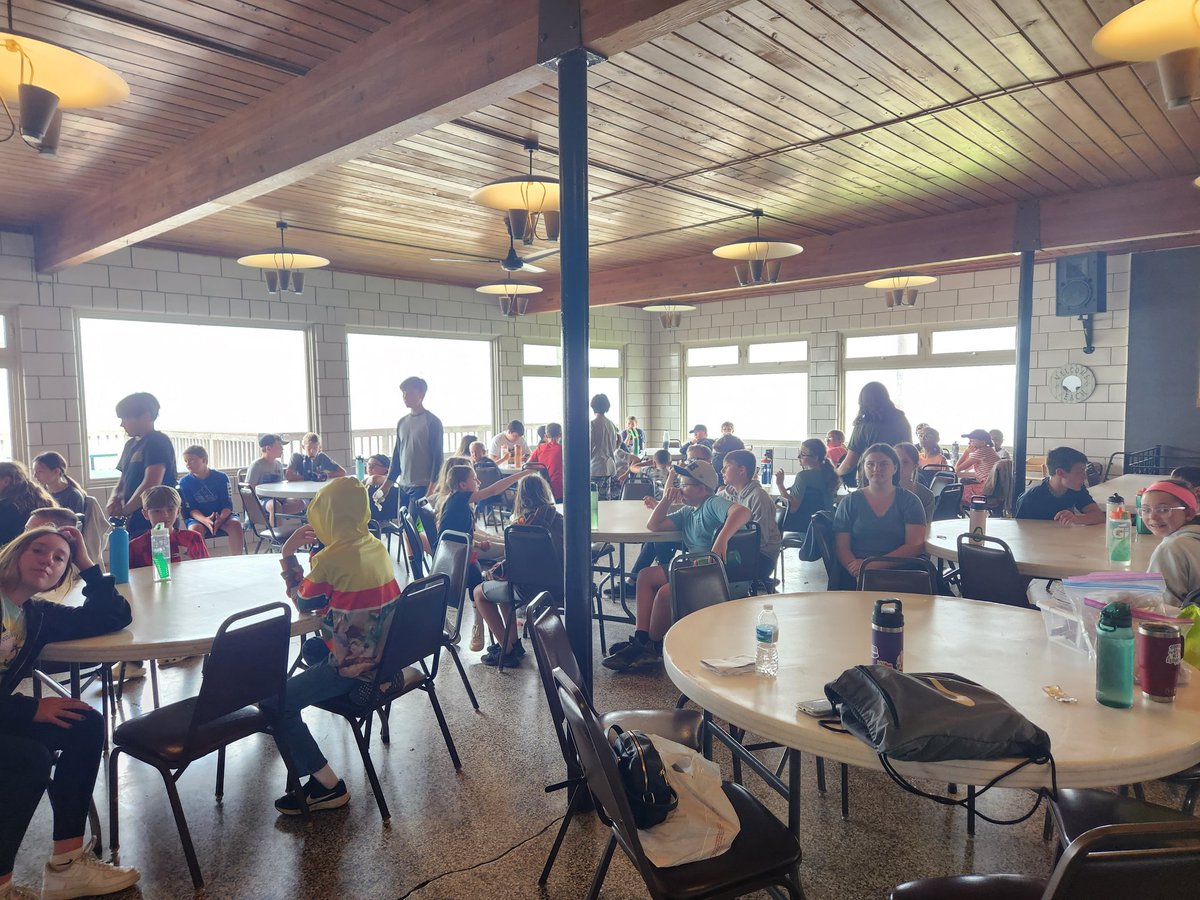
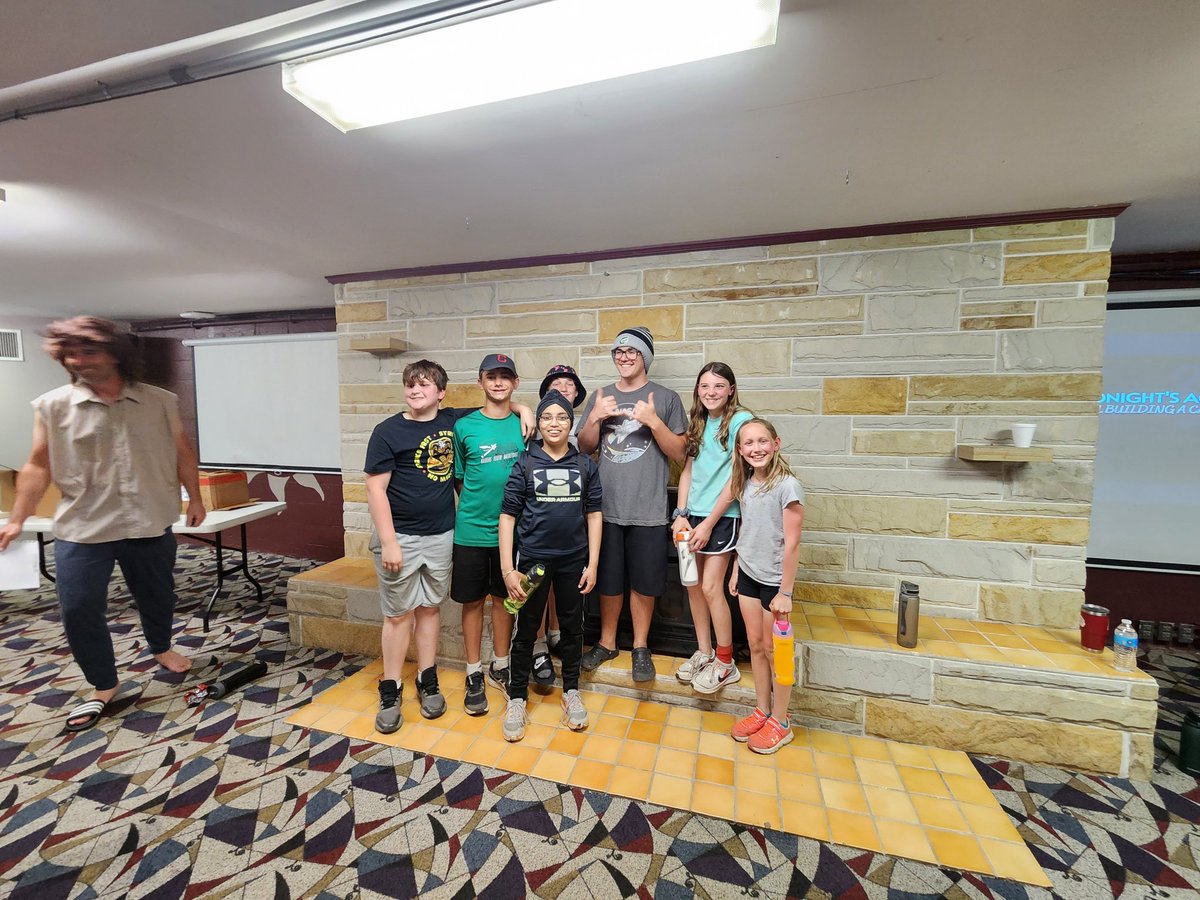
Some sea glass as a keepsake for our #CMSOutdoored experience. Thanks to Beulah Beach, our 6th graders, parents, and CLSD for making it a special time!