You've either not been listening or you have a comprehension problem. None of the nonsense you've set up deals with the main issues.
Any fix that leaves the GFA leadership untouched is the same political gimmick that got us into this shame.
1. Agency business over national interest. Our best youth players get overlooked while agency-linked players get the shirts. Who benefits from selection? That is the question nobody in power is asking.
2. That conflict corrupts the pipeline. Transitions from the youth teams to the senior side are botched, and technical matters like call-ups get interfered with. Same root cause.
3. Scouring Europe for players who missed the cut for their preferred countries, with Ghana as the second option, is not a talent identification model. It replaces developing our own.
4. The state funds the Black Stars, and clubs live off player sales that depend on national team exposure. Agency-driven selection hurts them too. Condition state funding on an independent audit, published call-up criteria and agent disclosures, then let the clubs decide with their votes.
Stop wasting our time with these useless committees if you won't show some balls and deal with the real issues crippling the national team.
“I will ensure that every woman has pepper spray for protection when I win.”
—NPP National Women’s Organiser aspirant, Hawa Koomson, has pledged to provide women in the party with pepper spray for protection if elected, because the initiative would help improve their personal safety, similar to practices in some developed countries.
[🎥: Adom TV]
Is it ethical to charge an unemployed person $69.99/month in order to show them the identity of the same 5 people who keep viewing their profile over and over?
Years ago, Ghana was a continental disgrace to many African countries. We used to be an apology of a good governance.
Kenya used the Akufo-Addo/Bawumia govt’s mismanagement as a startling warning benchmark for their govt. A situation they detested to ever taste.
Today, President Mahama has lifted that veil of shame, turned around the appalling sight and restored Ghana’s global image on the world stage.
Thanks to the Mahama/Naana Jane govt and all collaborators for working assiduously to make this enviable reset a possibility.
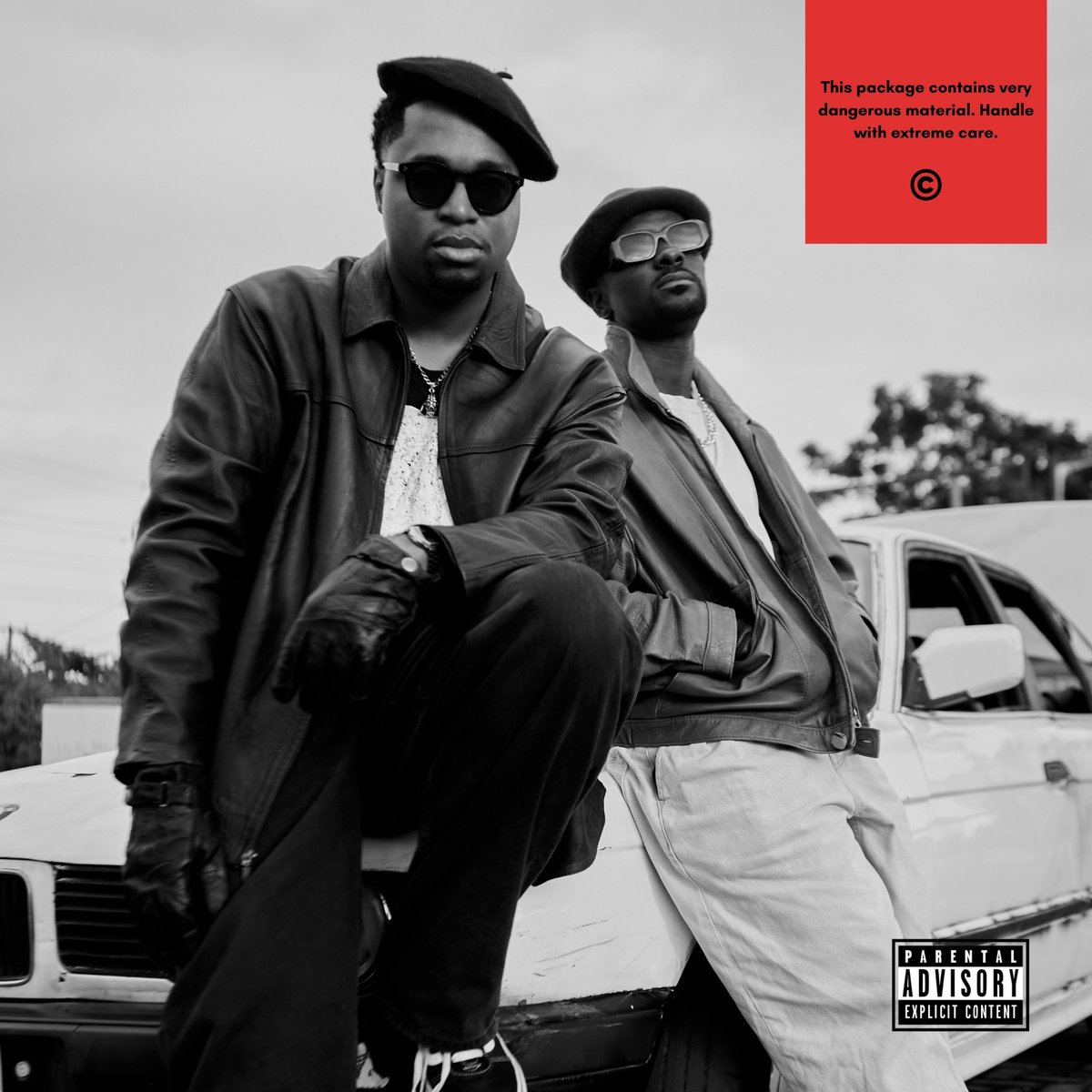
SIDE A
This Trip
Prod. by @certified_paq
Red & Meth. Styles & Jada. Em & Royce.
R9 & Rivaldo. Xavi & Iniesta.
Gari & Beans.
Some combinations just make sense.
Cue & @Shakerthis
Pen & Paper.
SIDE B
Seen Dreams (ft. @TiTiOwusu )
Prod. by Shaker
On a cold day in Bordeaux, France, lost in the comforts of Studio MA, shoutout to Charlie & @FranceandGhana , three of Ghana’s finest talents found the perfect recipe for a love song.
We didn’t set out knowing what to call it. We just knew what it felt like.
Classic in feeling. Classic in writing. Classic in delivery.
Then we remembered the name of the beat.
Seen Dreams.
Because finding the right person feels a little like seeing your dreams come to life.
📸 Timmy
Pre-Save Here: https://t.co/9LS4B9HeGj
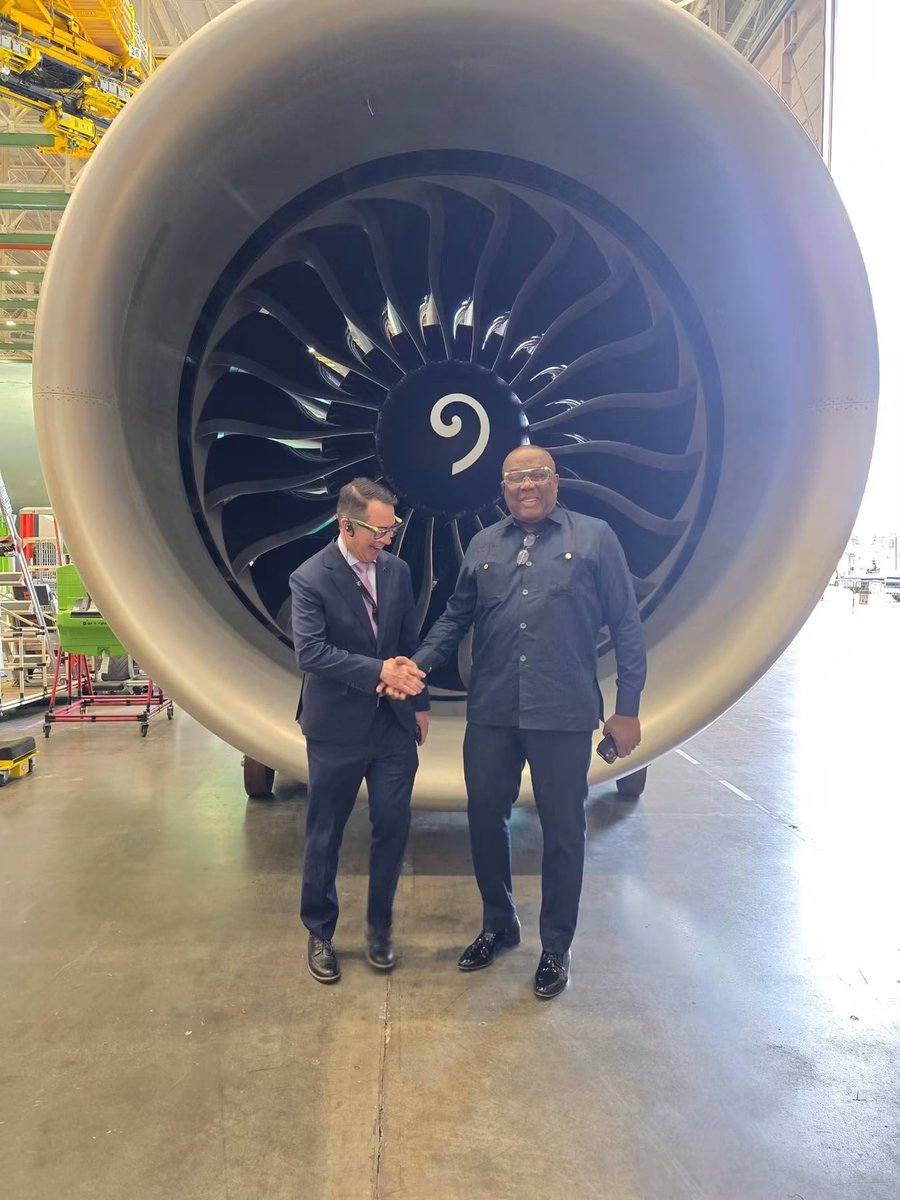
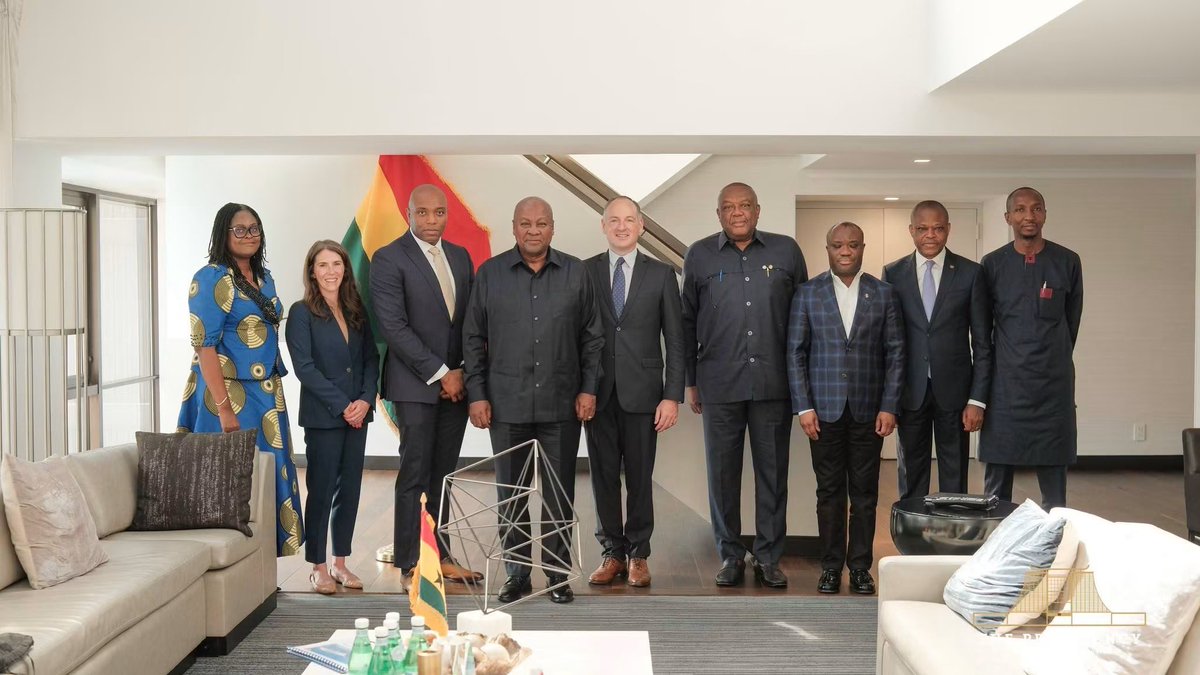
🚨ICYMI🇬🇭✈️⏳: Boeing says Ghana could have a national airline back in the skies within approximately 18 months, subject to government putting the required structures and implementation arrangements in place.
President John Mahama met senior Boeing executives in New York, with talks extending beyond aircraft acquisition to a proposed regional aircraft maintenance hub, aviation training, technology transfer and skilled jobs.
🦅🇬🇭
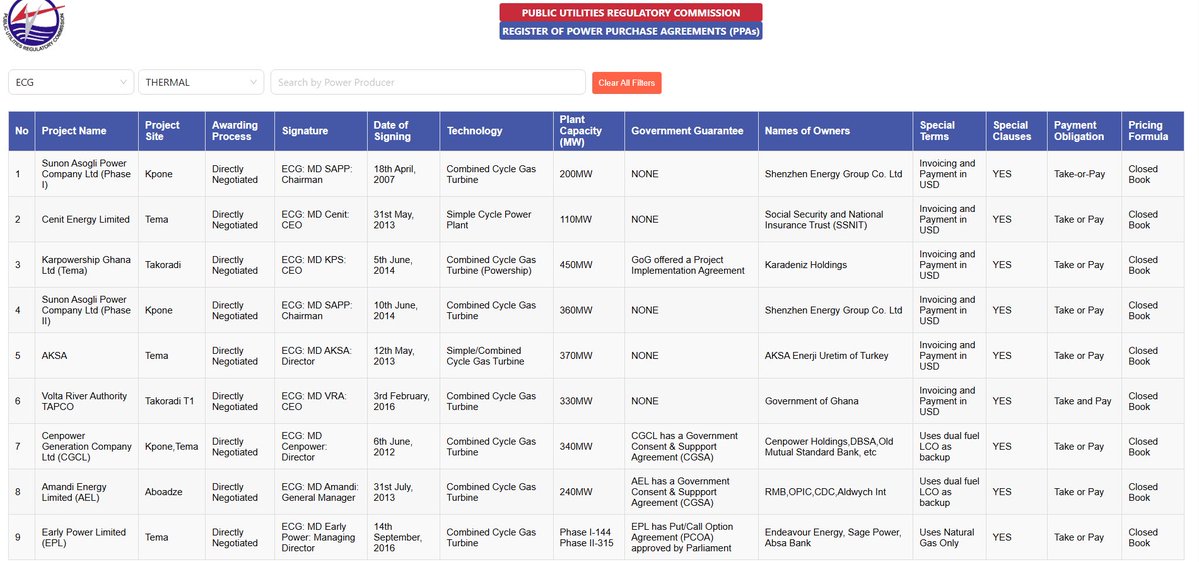
The NDC can claim credit for a large share of Ghana's installed power generation capacity. Many of the power purchase agreements (PPAs) behind it were signed under NDC governments.
But the terms of those agreements are part of why the power sector is in financial trouble. Take-or-pay clauses commit the state to paying for power whether it is used or not, and the contracted tariffs are expensive. This is why even a fully efficient ECG would still need government support to cover the shortfall.
These lessons should shape how Ghana approaches the planned 1,200MW state-owned power plant. Any agreement tied to the project must be published for public scrutiny before it is signed. Some of the earlier deals were signed in a hurry as dumsor worsened. Today, supply is relatively stable. There is no emergency to justify rushing into agreements that could undermine the sector's finances for decades.
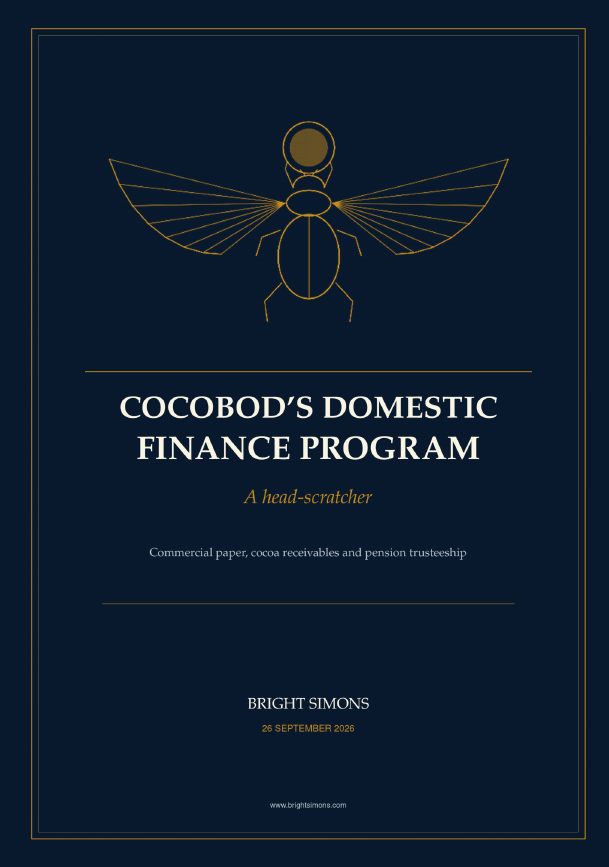
COCOBOD WANTS GH¢16.3 ($1.4) BILLION; PENSION MONEY IS ON THE LINE
There was a time when international banks used to queue up to give COCOBOD money. Then the company bungled its credit and lost international market access.
Turning necessity into virtue, Ghana's only cocoa trading monopoly is waiving "domestic financing" as a banner to be proud of. It is turning to the domestic capital market for GH¢14 billion in commercial paper and GH¢2.3 billion in bonds (~$1.4 billion in total). Pension funds are a major target.
Before committing workers’ savings, pension trustees should ask some serious questions. And if they don't, the TUC should force them.
Because, as of now, the whole affair looks too much like a clique gig.
First: Where are COCOBOD’s audited accounts? For 2 financial years, COCOBOD hasn't been able to pass audit.
The prospectus being used to raise money on the Ghana Stock Exchange through the shell company (SPV) Cocobod has set up (Cocoa Capital) only contains the limited review of revenue performed by PwC. Yet it attributes to PwC a conclusion about the sponsor’s “financial position” that isn't possible for that kind of review (see prospectus PDF pages. 4 & 140).
Where is the issuer’s cash? Cocoa Capital’s audited statement records zero cash and GH¢5 million owed for its shares on 8 September. The prospectus later calls those shares “fully paid for in cash”. (see pages 74 & 174 - 177).
The notes being sold to pension funds and others are described as "unsecured" and "limited recourse". However, the directors’ model assumes they are secured by cocoa receivables. Which is true? How are workers' pension savings being protected? (See pages 70, 98, & 154).
Where is the promised cover? Assigned contracts must equal at least 1.2 times outstanding notes. Using the prospectus’s 650,000 tonnes, US$4,500 price and GH¢11.95 exchange rate, a 40% assignment yields GH¢13.98 billion: below even the GH¢14 billion principal (before interest) at the full outstanding amount. (See pages 28 & 88 to 89).
Which is the right rating? 2-year old Beacon rated the notes, true. But the CP supplement in the prospectus in circulation claims Beacon gave the notes “A1 with a stable outlook” when Beacon’s enclosed letter says it assigned the commercial paper ST1(SO), with no stated outlook (see pages 120 & 126). So, who is to be believed? Let's see a correction by Monday.
Which terms govern the transaction? The Commercial Paper matures after 270 days, but another condition prohibits redemption within 12 months. The supplements close subscriptions on 29 September; the public announcement and GCB flyer says 30 September (see prospectus PDF pages 102, 116, & 120 - 121).
Who receives the refinancing proceeds? COCOBOD says it paid GH¢2.306 billion to DDEP bondholders in 2026. The programme still proposes GH¢2.3 billion for legacy refinancing. (see page 153).
Which trustees intend to buy, and on whose independent analysis? Ghana’s SEC has itself warned about credit, liquidity and concentration risks in commercial paper. It is even unclear if the SEC has waived the net worth and audited accounts requirements and if so, on what basis.
Workers deserve answers before their retirement savings are sunk into fresh debt for Cocobod. Surely, we haven't forgotten so soon the defaults on cocoa bills in 2023?
(See linked post in the thread for the full note.)
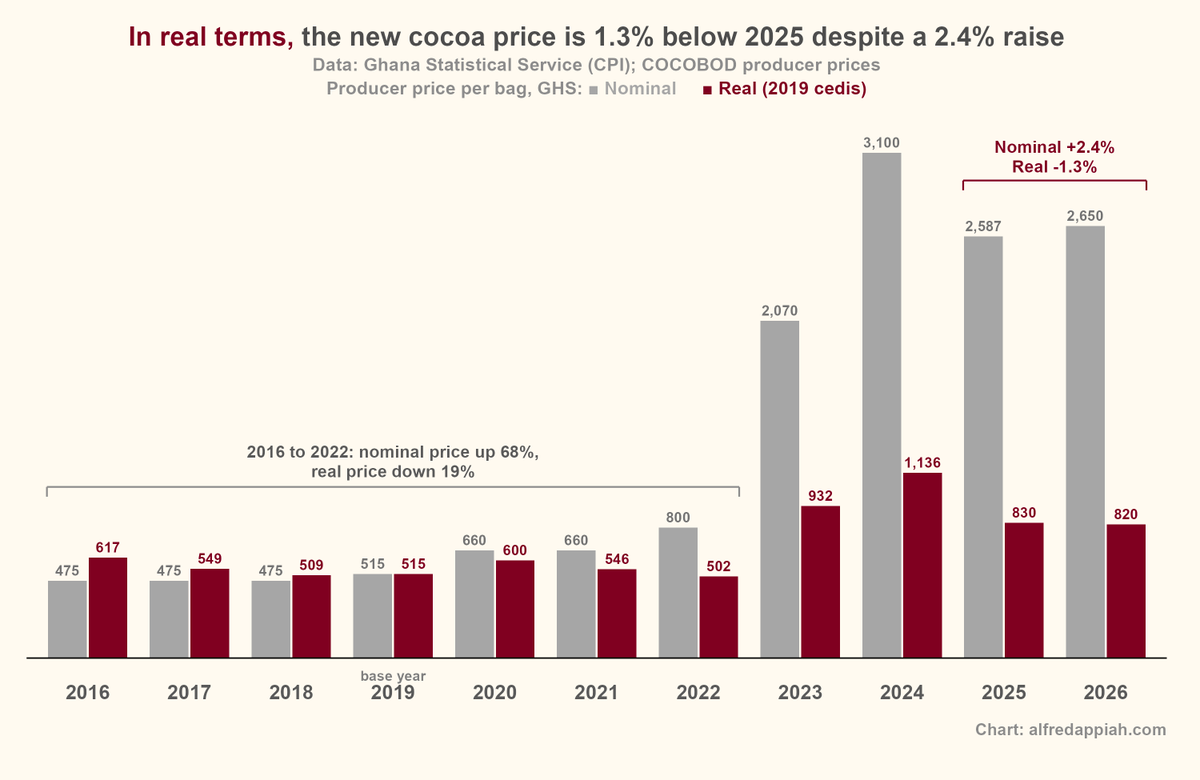
Ghana's new cocoa producer price for 2026/27 is 2.4% higher than 2025/26 in nominal terms, but 1.3% lower after adjusting for inflation. In real terms, farmers are worse off than last season.
Looking at data back to 2008, 2024/25 still holds the record for the highest cocoa producer price, both nominal and inflation-adjusted.