Q2 2026 just became the most hacked quarter in crypto history.
83 incidents.
Double the previous record for attack frequency.
But the dollar losses weren't record-breaking.
The shift is the story: not a few giant exploits anymore. A constant stream of smaller ones.
The attack surface didn't shrink as the industry matured. It multiplied.
"Decentralized" is doing a lot of heavy lifting in crypto right now.
How decentralized is decentralized enough?
DeFi platforms are facing pressure to add identity-attestation, which raises the obvious problem: if a protocol can verify identity, how decentralized is it really?
The answer isn't more centralization or less. It's identity that can be proven cryptographically without a central party holding the records.
Verification and decentralization aren't opposites. The infrastructure just hasn't caught up to that yet.
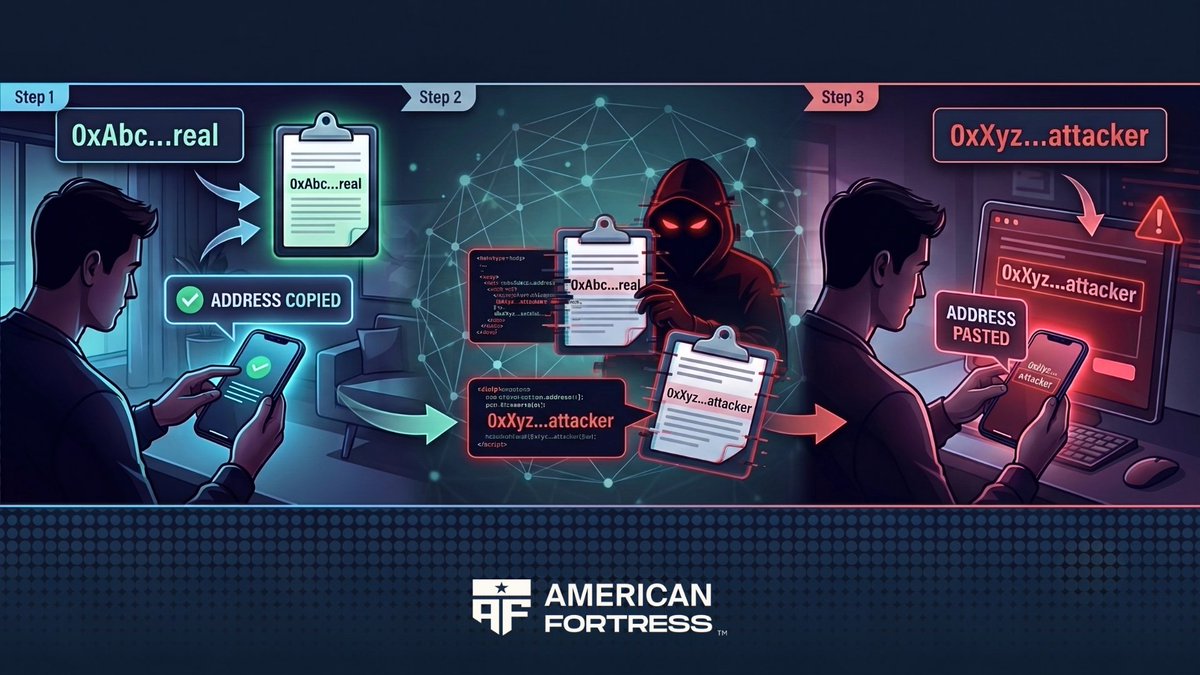
A new strain of malware is quietly rewriting crypto addresses on infected devices.
You copy a legitimate address. The malware swaps it for the attacker's before you paste. You confirm a transaction that looks right and isn't.
One recent campaign targeted 217 banking and crypto apps with this exact technique.
Before any transfer: verify the pasted address against a separate trusted source.
The clipboard is not a safe place to trust an address.
Most compliant privacy systems have a backdoor.
They call it a "viewing key" - a master key that lets a third party see into your transactions. For compliance, supposedly.
But a viewing key is God mode. Someone, somewhere, can decide to look at your activity without your consent.
The better answer: no viewing key at all. The recipient can reveal their funds to whoever they choose, but no third party can decide for them.
Compliance without a backdoor. Disclosure without God mode.
The quantum race just became a national priority.
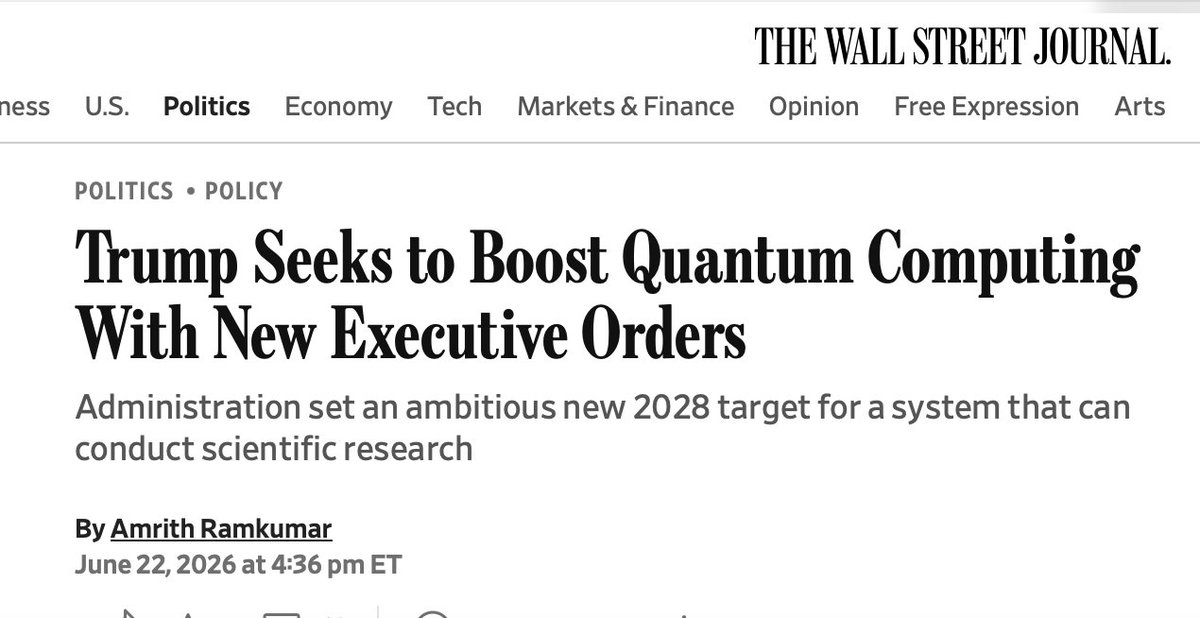
President @realDonaldTrump 's new Executive Orders accelerating quantum computing development and preparing federal agencies for a post-encryption world are a reminder that quantum risk is no longer theoretical.
The conversation has shifted from if quantum computers will challenge today's security infrastructure to how soon organizations need to be ready.
For crypto, this is especially important.
Blockchains secure trillions of dollars in value using cryptographic systems that were never designed for a quantum future. The migration to quantum-resistant infrastructure will likely become one of the largest security upgrades in digital asset history.
We've believed from day one that quantum readiness is a necessity.
As governments, enterprises, and financial institutions begin preparing for the next era of computing, the need for quantum-resistant wallets, identity systems, and digital asset infrastructure will only grow.
Privacy and mixing got bundled together in crypto.
They were never the same thing.
Confidentiality means: the sender doesn't have to reveal their balance, their history, or their other holdings.
Mixing means: your funds get pooled with strangers to obscure the trail.
You can want the first without accepting the second.
The problem is that almost every privacy tool delivers confidentiality by forcing you through a mixing pool, and the pool is exactly what creates the compliance problem.
Confidentiality without commingling.
That's the actual goal.
Everything you own crossed an ocean to reach you.
For 5,000 years, this $20T industry has remained in the hands of a few.
Now, for the first time, the tide is turning.
Come aboard for rewards ⚓️
https://t.co/VPlZszyRBo
Will the current ranks hold, or will we see new faces?
Join the Ethra Portal and place Top 10 in the leaderboard to be eligible for a reward.
Win up to $500 from the total prize pool of $1,500.
First Class Metals has executed a binding agreement with nGRND in relation to its Kerrs Gold project.
FCM retains ownership of Kerrs, while nGRND creates a new funding stream by acquiring and keeping their gold while in-ground, creating Preserved Gold - value without extraction.
This is what innovation in a 5,000-year-old industry looks like.