it's so annoying with stupid questions and meaningless options, for example: "shall i draft the code changes? yes, draft it, or not now" it basically encourages to not read the response in full and decide promptly based on recap.
The less code there is, the easier it is to adapt it, change it, make it do something different. The value of code is how little effort you need to put in to make it solve a problem. And the problems change over time
Thinking a thousand useless thoughts a second
how do i explain to my PM that i can't show any results yet because i spent the entire week making better architectural decisions, while my coworker Chad one shotted a comparable task in an hour and satisfied the business immediately?
i can't say "ask me in a year when you have to maintain Chad's code / when you see the CVEs", my performance review is today.
not implying anything here, it's a genuine question
makes me think if i should have a planning phase for tasks, or just take issues head on when they are identified.
also, important to verify the claims made during code review. one could go on a wild goose chase if one does not know internals.
Claude code has been showing some weird behavior.
In a group project, last week I asked it to review the changes and plan future tasks in linear to solve the issues.
This week it keeps saying the issue is non-existent and the linear tasks are based on faulty assumptions.
I did it again. I keep compiling everything into mega blog posts I overthink and then don’t publish. So I pulled out one idea and wrote it in an hour and hit publish before I could stop myself.
So I wrote about AI hype and figuring out what voices to listen to.
best parts of using my own agent with kimi 2.5 are:
⭐️i avoid the claude code hyper-activity and agent swarms.
⭐️i get less chattery feedback, only see what i need to see.
⭐️cheaper - $20/m
⭐️no window
⭐️significantly better control as i am forced to hardcore comply with lode coding approach and not yolo from the planner (which is lazy mode and risks slop).
⭐️agent is near-native performance (C# AoT) with a GUI interface - so leveraging the strengths of the OS GUI for information relay rather than dicking around with complicated terminal escape sequences.
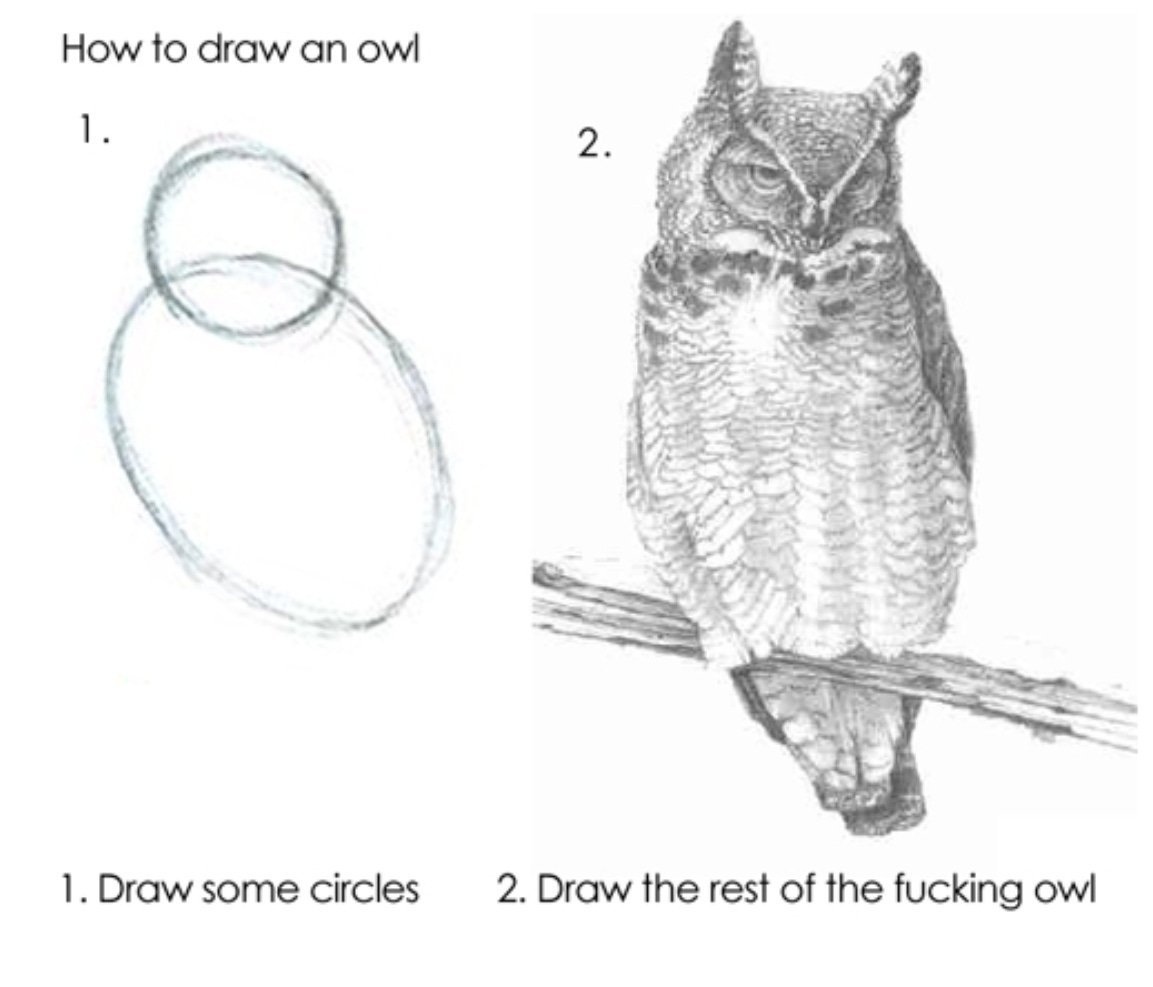
@cepvi0 The difference is that this meme is actually true now
You just tell the agent to draw the rest of the owl
But you have to know what to ask and why! And what to do when things go wrong.
@hirschibar opencode and no i dont like the token burning approach other than a fun experiment about a test ui or a test product that i want to feel it once before i think about it
forgot to mention
Claude found this bug by looking through the heapsnapshot and noticing that the “init” variable was keeping alive large strings (request bodies), which was kept alive by the JSLexicalScope (closure accessing variables from parent scope) due to the AbortSignal