@Adityakrsaha Truly the best way of using the impact player rule. We don't need the player at all. Whoever we get, will truly be an impact player based on our assessment of the pitch/situation.
@TopDriverIndia This is not a logic problem. Its a traffic management problem.
If there's a U turn there, the opposite lane traffic should be on a red light when the U turners move. Period.
And let's face it. Most Indians don't have 'logic' or common sense on roads.
@TopDriverIndia Been using recirculation (rc) for many years now and I've never felt lightheaded.
Indian cities are not fit for 'fresh air'
Do this instead - always open windows / keep the fresh air mode on only for a minute when you start the car. By the time you hit traffic, switch to rc.
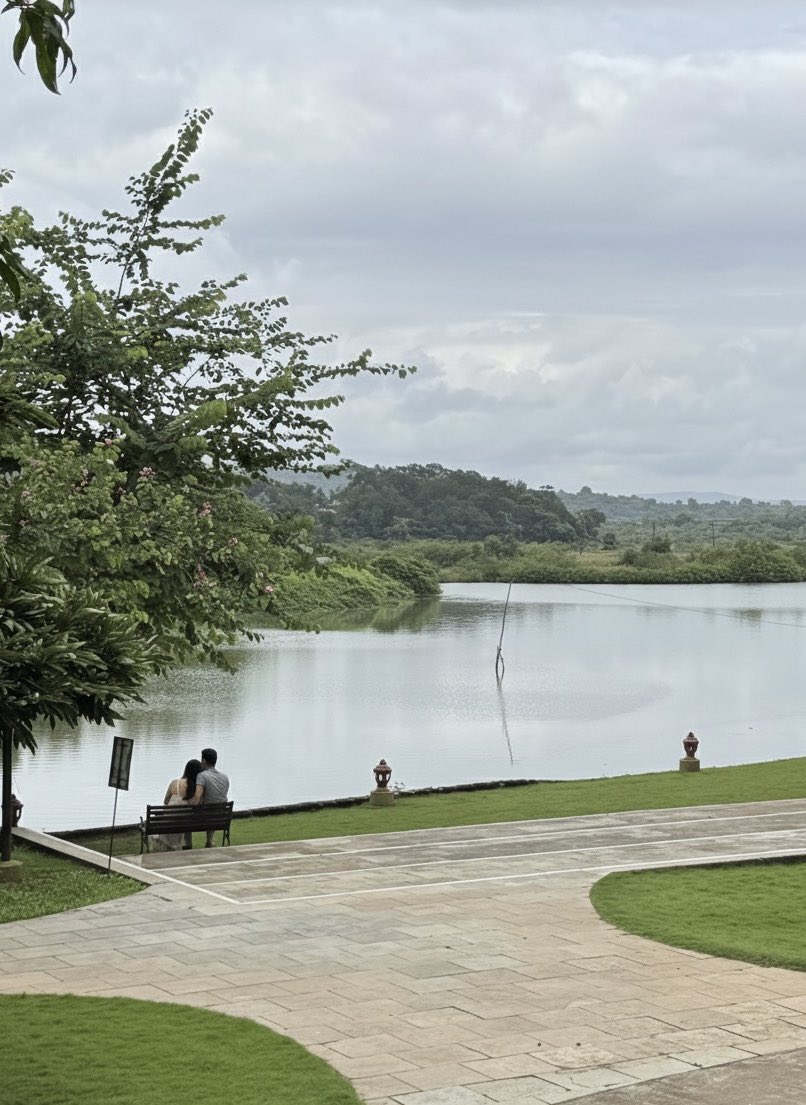
My middle-class ass spent four days at an island resort doing absolutely nothing.
No sightseeing. No packed itineraries. No rushing from place to place with a powerbank on my phone. Just... existing. Reading by the pool. Napping. Staring at the water.
For years, my vacations followed the same frantic pattern: new city every day, new bed every night, cramming fifteen days of experiences into seven because "I'm spending so much on flights, I need to maximize every rupee!"
The math seemed obvious: more activities = more value = better vacation.
But somewhere along the way—maybe it was watching how differently people approach leisure in other cultures (White Lotus?), maybe it's just getting older—I realized I had the equation backwards.
The most expensive thing isn't the hotel room. It's the decades you spend thinking you need to justify every moment of rest with productivity or activity.
There's something profound about paying money to do nothing. Not because you're lazy, but because you finally understand that your time and mental space have value too.
The Western tourists I've observed over the years taught me something: they don't see leisure as wasteful. They see it as essential. They're not paying for activities—they're paying for the absence of obligation.
Here's what's wild: India went from ration cards to bitcoin in twenty years. The top 5% of us have compressed decades of consumption evolution into a single generation.
We learned to spend on things, then experiences, then global status systems—all while our parents were still figuring how to shove every penny into FDs and real estate loans.
But maybe the final frontier isn't buying more or doing more.
Maybe it's buying permission to do less to feel more.