Wild. It took 45 days for the Greek-owned Oil Tanker "NINEMIA" to sail from the Saudi port of Yanbu, to the Indian Ocean.
It would have taken 7 days before Yemen's Ansarallah blockade.
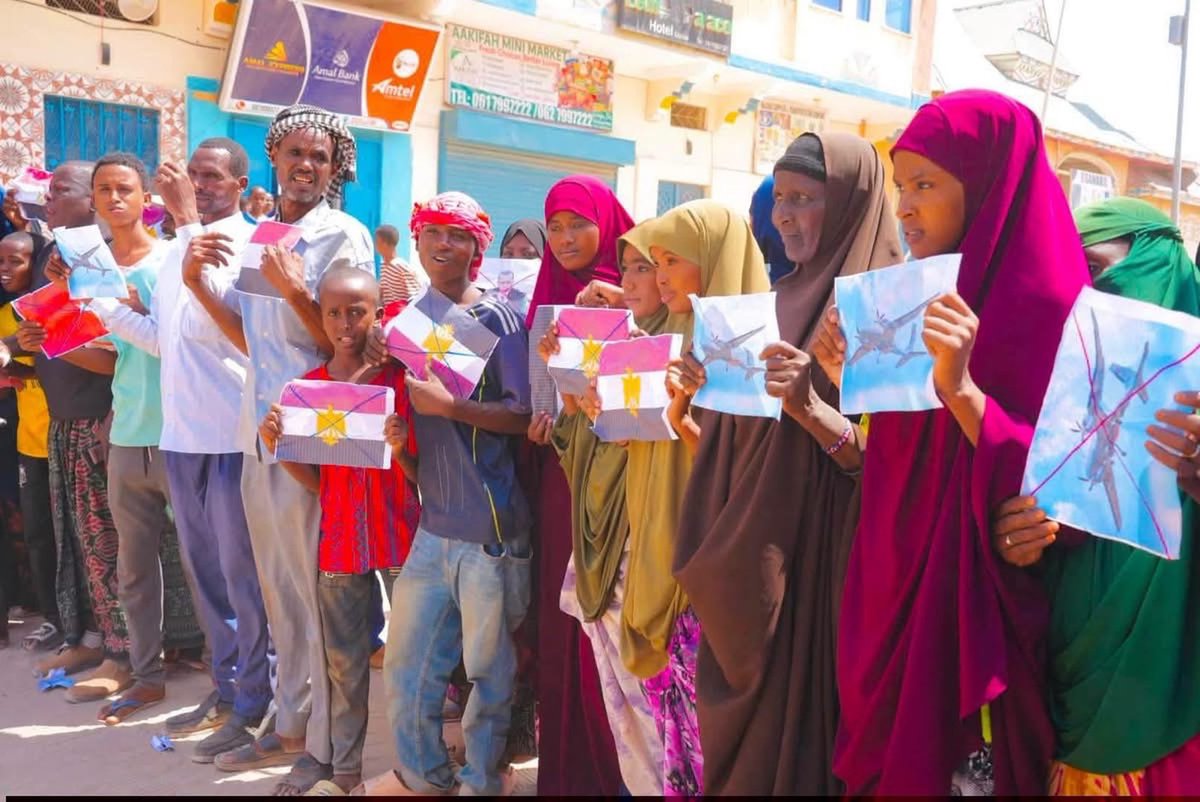
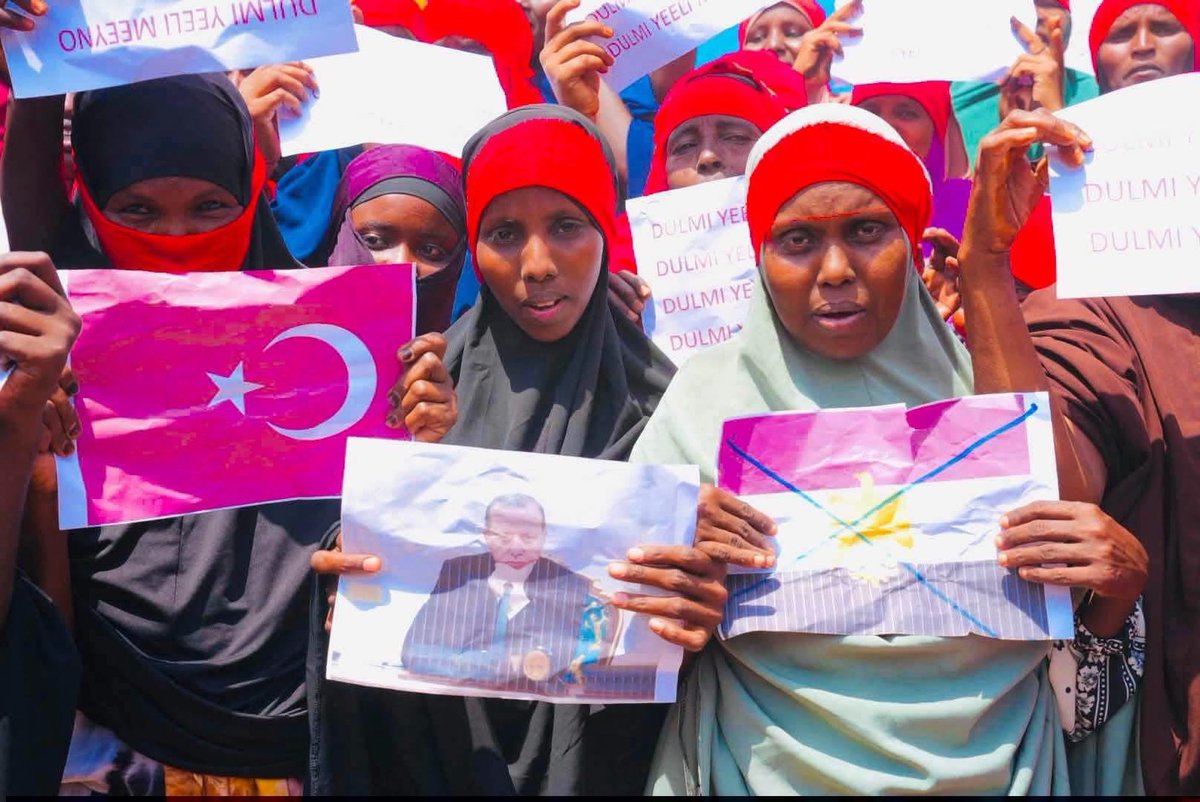
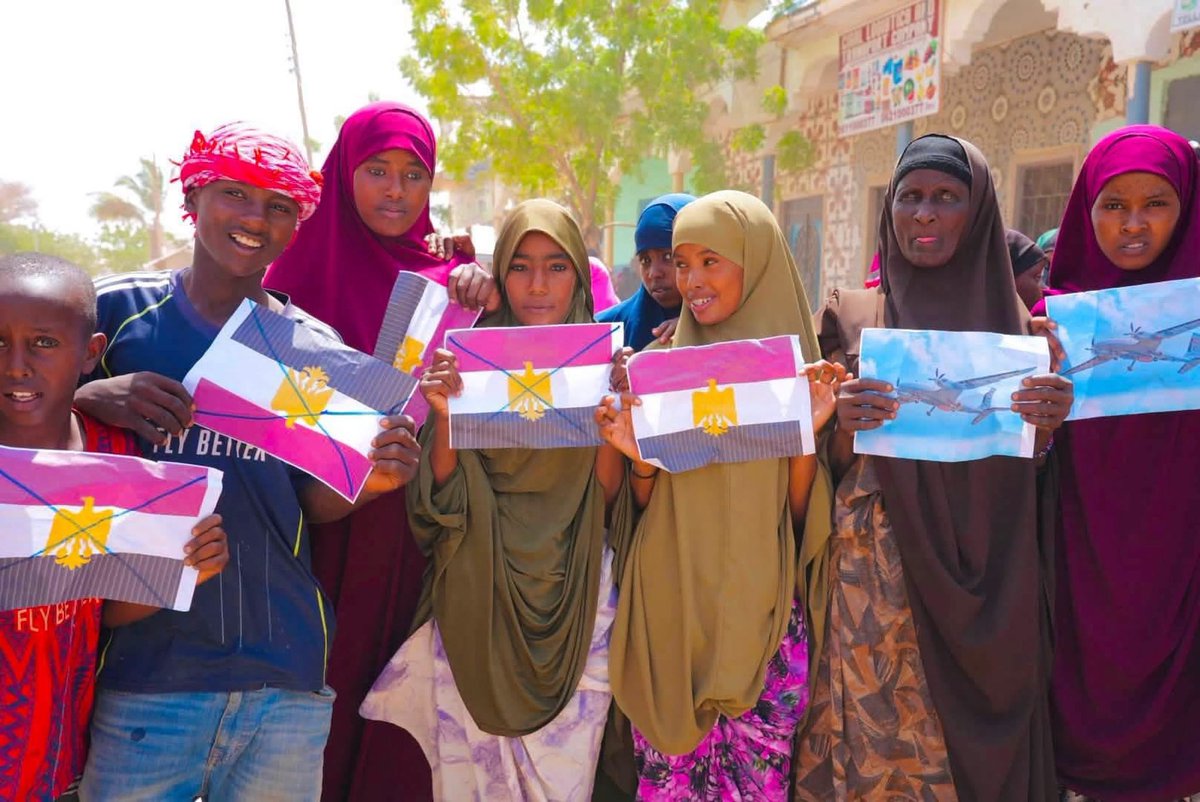
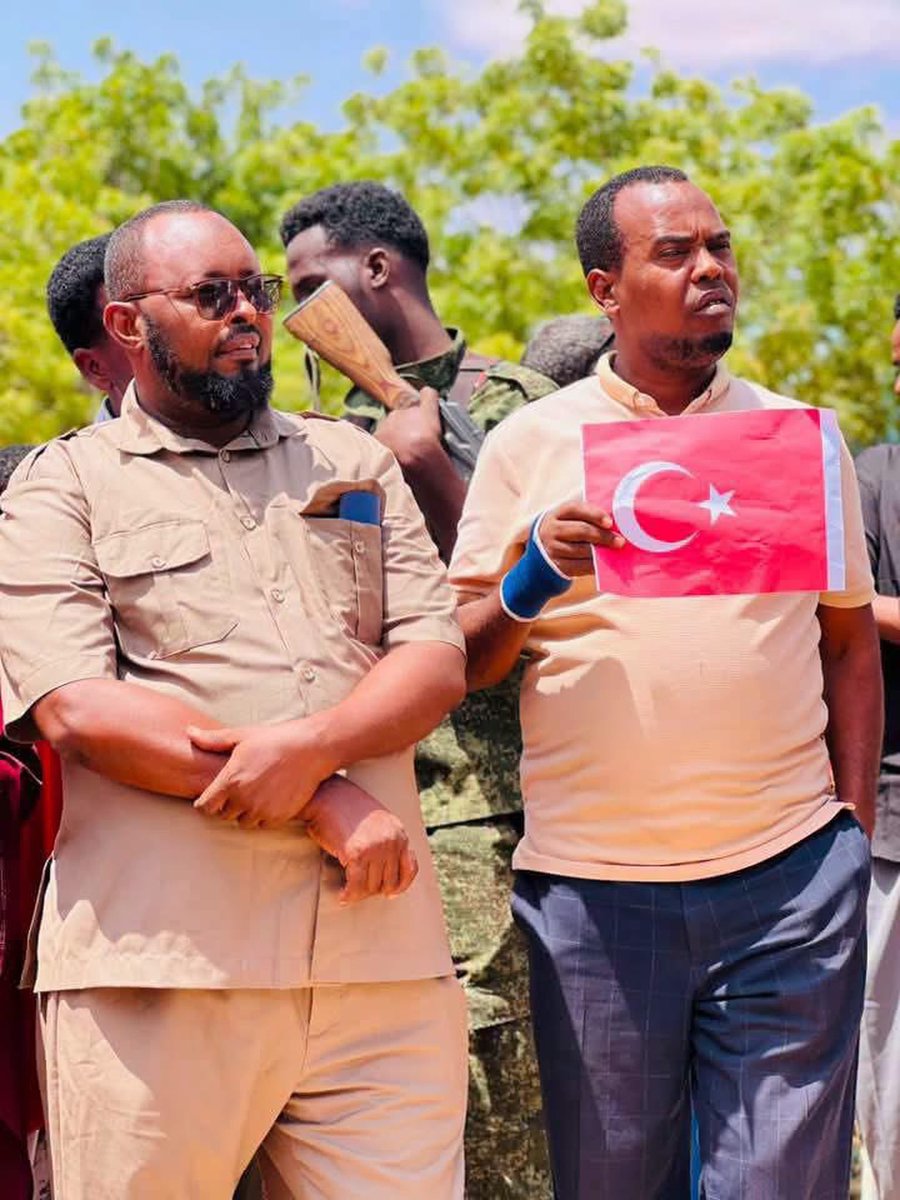
While I largely support the intent of this protest, it's painfully obvious who's really pulling the strings. Nice try, Ethiopia. Turkey's actions were undoubtedly wrong, but with an Egyptian flag being burned, it doesn't take a genius to figure out that Ethiopia is the one behind it.
As I reported earlier, Ethiopian forces took control of the Doolow scene after the drone attack against Taliye Shub, treated him in their hospital, said they would investigate, and later transferred him to Nairobi by military helicopter.
Jubaland immediately blamed Turkey and the Somali government, while The fedral government denied responsibility.
Within 10 minutes, SIS—the Israeli-Emirati intelligence network in Somalia—flooded social media with anti-Turkish propaganda.
Then, within 24 hours, an organised demonstration targeted both Turkey and Egypt, with Turkish and Egyptian flags burned in the streets.
But why Egypt?
Egypt has no military base in Somalia and no significant political influence over Somali politics. Yet Egypt has a decades-long geopolitical confrontation with Ethiopia, particularly over the Nile and the GERD.
So why was Egypt suddenly brought into a Somali incident?
Was the attack staged or exploited to serve Ethiopia’s geopolitical agenda—first controlling the scene and evidence, then helping shape an anti-Turkish and anti-Egyptian narrative?
The sequence raises serious questions about who was behind the attack and who
benefited from its aftermath.
USE YOUR BRAIN FREELY
@AJEnglish@MarioNawfal@_hudsonc@AlArabiya@SaudiNews50@HSNQ_NISA@AhmedMoFiqi@Reuters
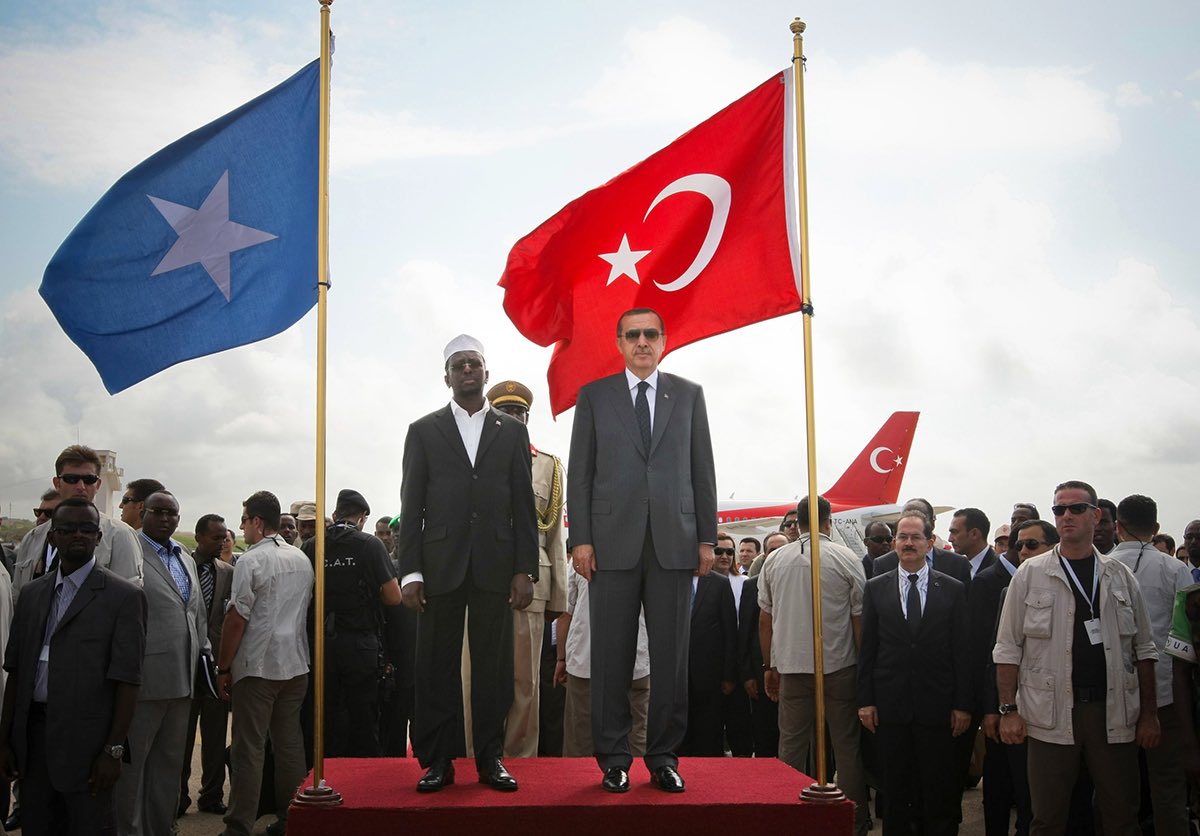
#Turkey is a good-willed ally that #Somalia has had in decades.
From humanitarian support, security, education, health, and development projects, Turkey’s unwavering support shouldn’t be tarnished.
When Turkish aid agencies arrived in Mogadishu in 2011, I was a BBC correspondent in Mogadishu and witnessed how they provided assistance to needy people.
In 2011, some 250,000 people in Somalia—half of whom were children—died in a famine that followed three consecutive seasons without adequate rainfall, according to the UN.
@PhiloSomalia@Abashajii You are smart enough to know that that is not my main point. Where is the humanity you were speaking 10 min ago? Wallahi all Somalis are rotten to the core
@aliade34120 Why is it okay to kill 20 year old foot soldier and not the 80 year old general that sent him. This is whats from with Somali, the elites protection needs to end.