From October to March we can’t make enough vitamin D from sunlight. To keep bones and muscles healthy, it’s best to take a daily 10 microgram supplement of vitamin D. You can get vitamin D from most pharmacies and retailers.
➡️ https://t.co/HecEGvj7gC
"It's going to protect YOU..."
"It will reduce YOUR risk of a heart attack, cancer, diabetes etc".
We see this all the time when it comes to medical treatments and health interventions.
I'm going to show why 99.9% of the time this type of phrasing/framing ("YOU/R") is wrong🧵
💉 There are loads of options when it comes to contraception. Use our handy contraception tool endorsed by the @FSRH_UK to find out which ones might work best for you.
You should always speak to a nurse or doctor when making choices about contraception
https://t.co/GYE0GIDeoq
We partnered with @DUK_research to create advice for patients about fasting with Diabetes in Ramadan.
Our updated factsheets are available in English, Arabic, Bengali, Gujarati and Urdu, and can be ordered for FREE or downloaded via the Diabetes UK shop: https://t.co/fm6WxsMwbR
With all of the positive impacts seen from prescription of Hormone Replacement Therapy, how do we ensure that the of this treatment is provided in an appropriate, effective, and above all, safe manner? Find out more in the latest edition of Regulate >> https://t.co/mrdes6fuSK
@morninglive will @xandvt be on tomorrow to apologise for the numerous incorrect statements and false information he gave out today?
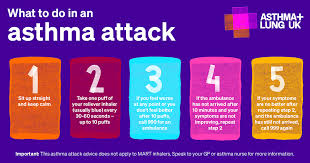
It's NOT the end of the inhaler
Old fashioned isn't unsafe
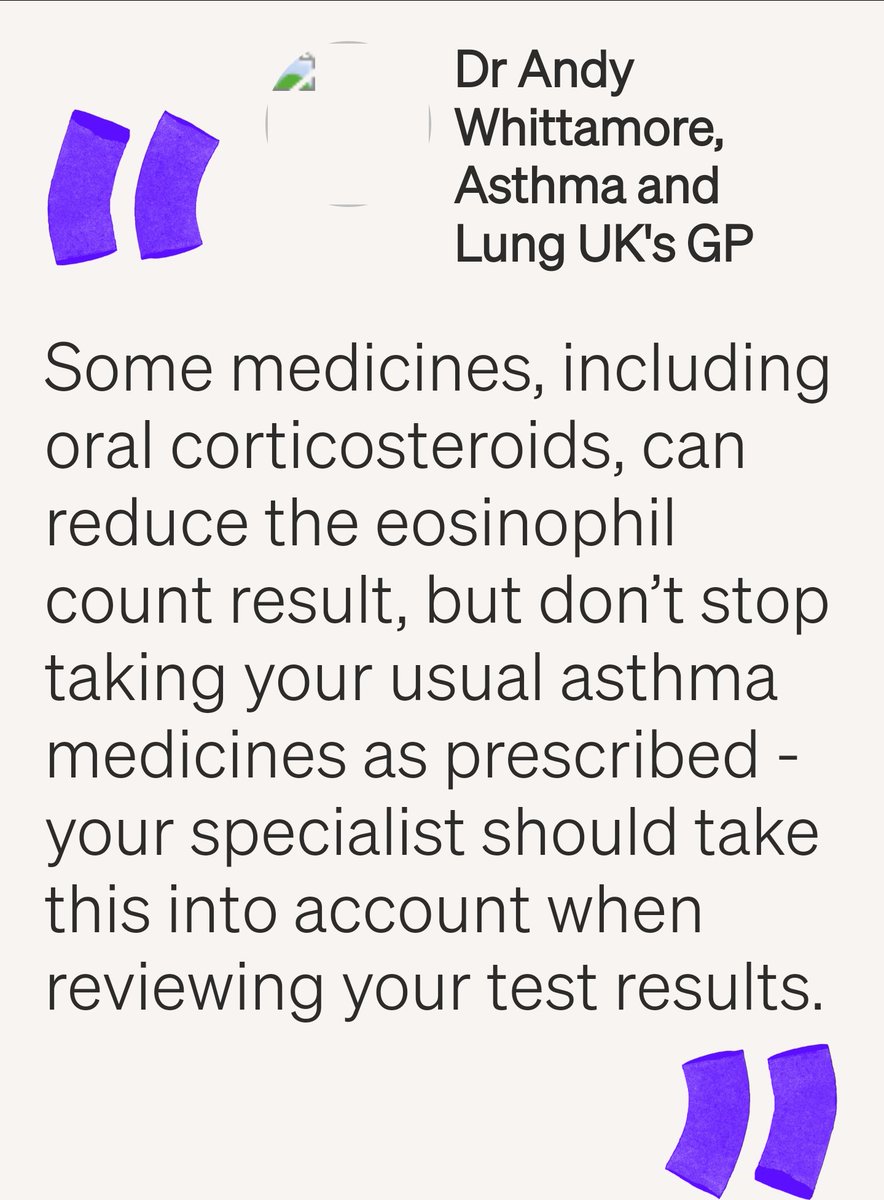
Steroids save lives when used correctly
No mention of BLUE inhaler in an emergency
October is #MenopauseAwarenessMonth. Our Senior Safety Investigators, Amber Sargent and Helen Jones, blog about the #PatientSafety issues that arise when the impact of menopause on #MentalHealth is not considered during clinical assessments. Read the blog: https://t.co/CY75z7AK5n
Accent bias is a challenge often overlooked in the pharmacy profession, limiting opportunities and hindering careers.
Our new blog by @marvinmunzu delves into what accent bias is and what pharmacy teams/schools can do to prevent it: https://t.co/TrtJj8c92I #BHM2023#RPSIandD
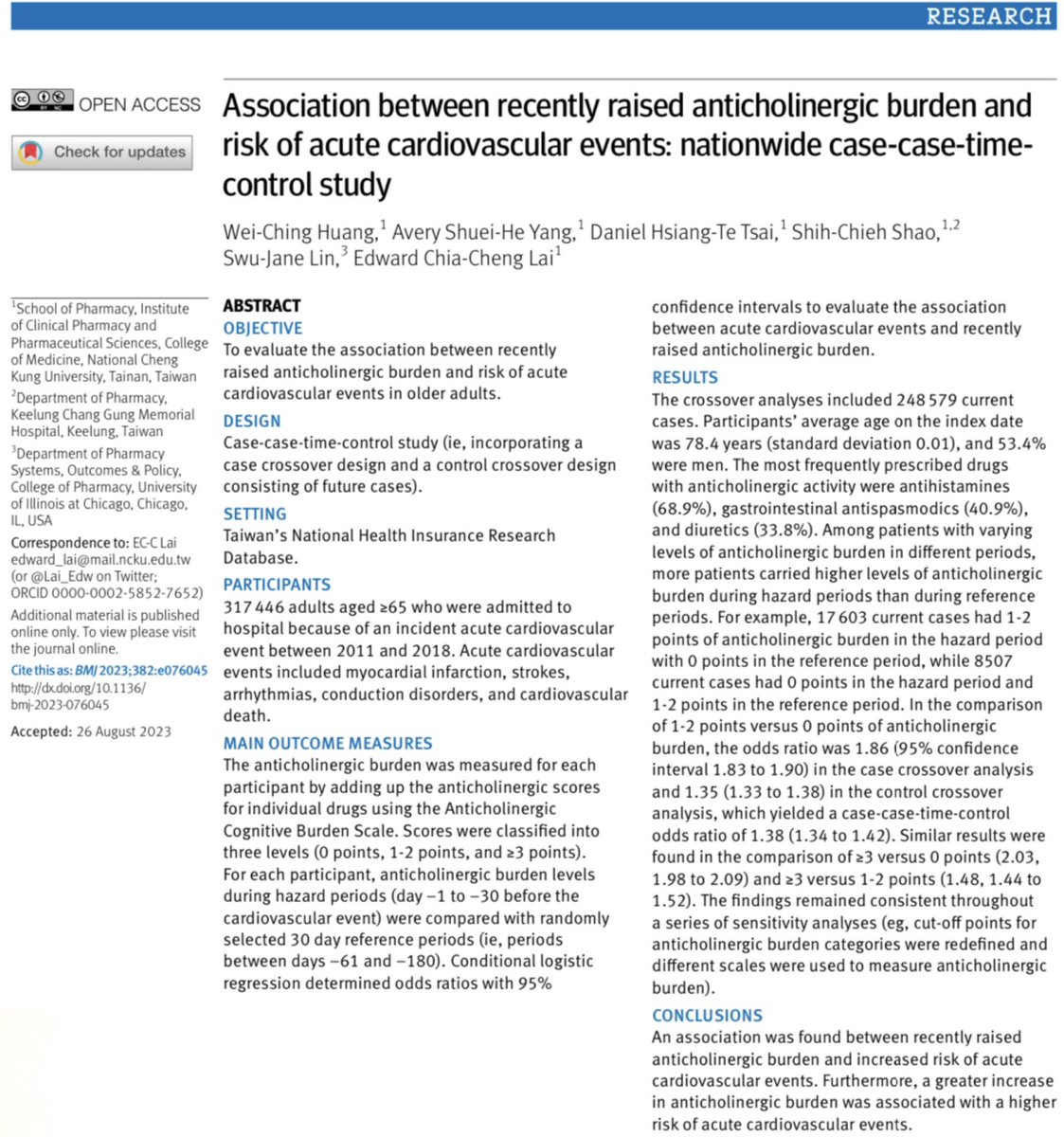
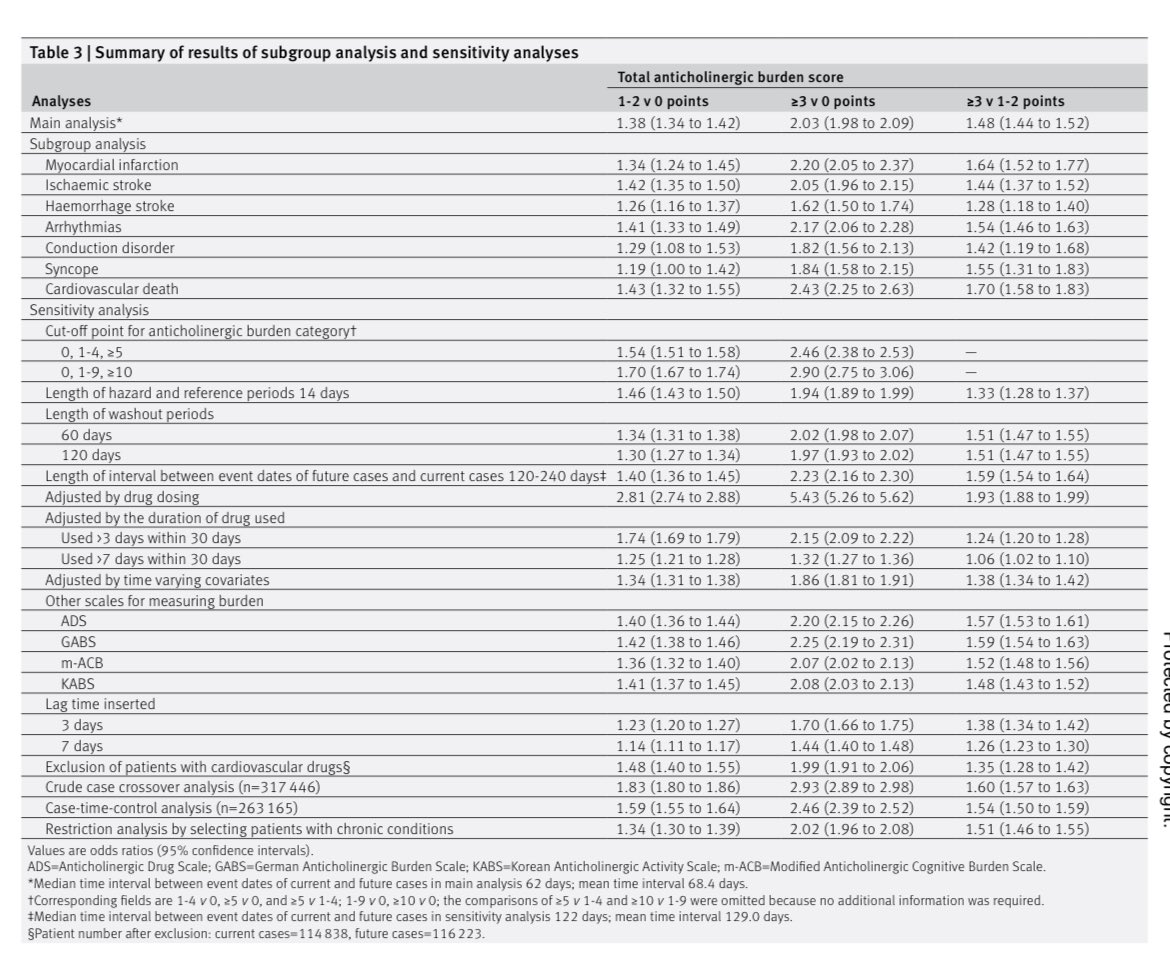
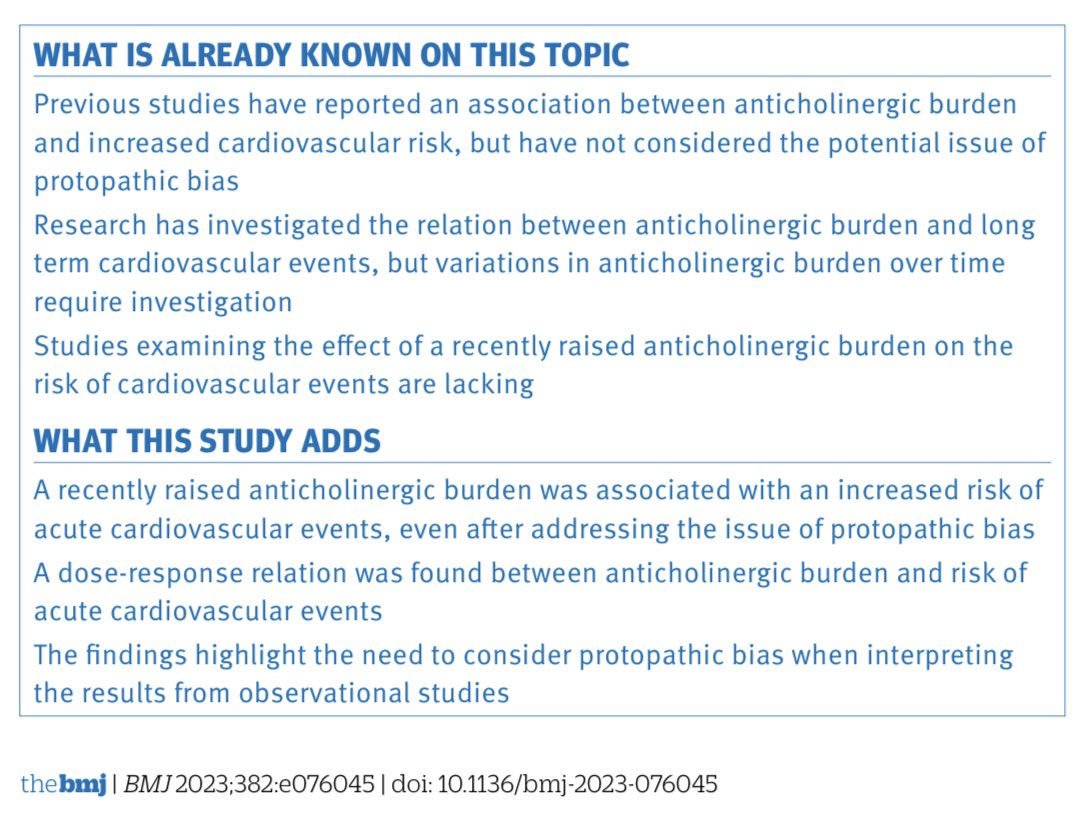
‘An association ACB & ⬆️ risk of acute CV events..We showed a dose-response relation between ACB & risk of acute CV events, indicating probable causation’ Huang et al
doi: 10.1136/bmi-2023-076045
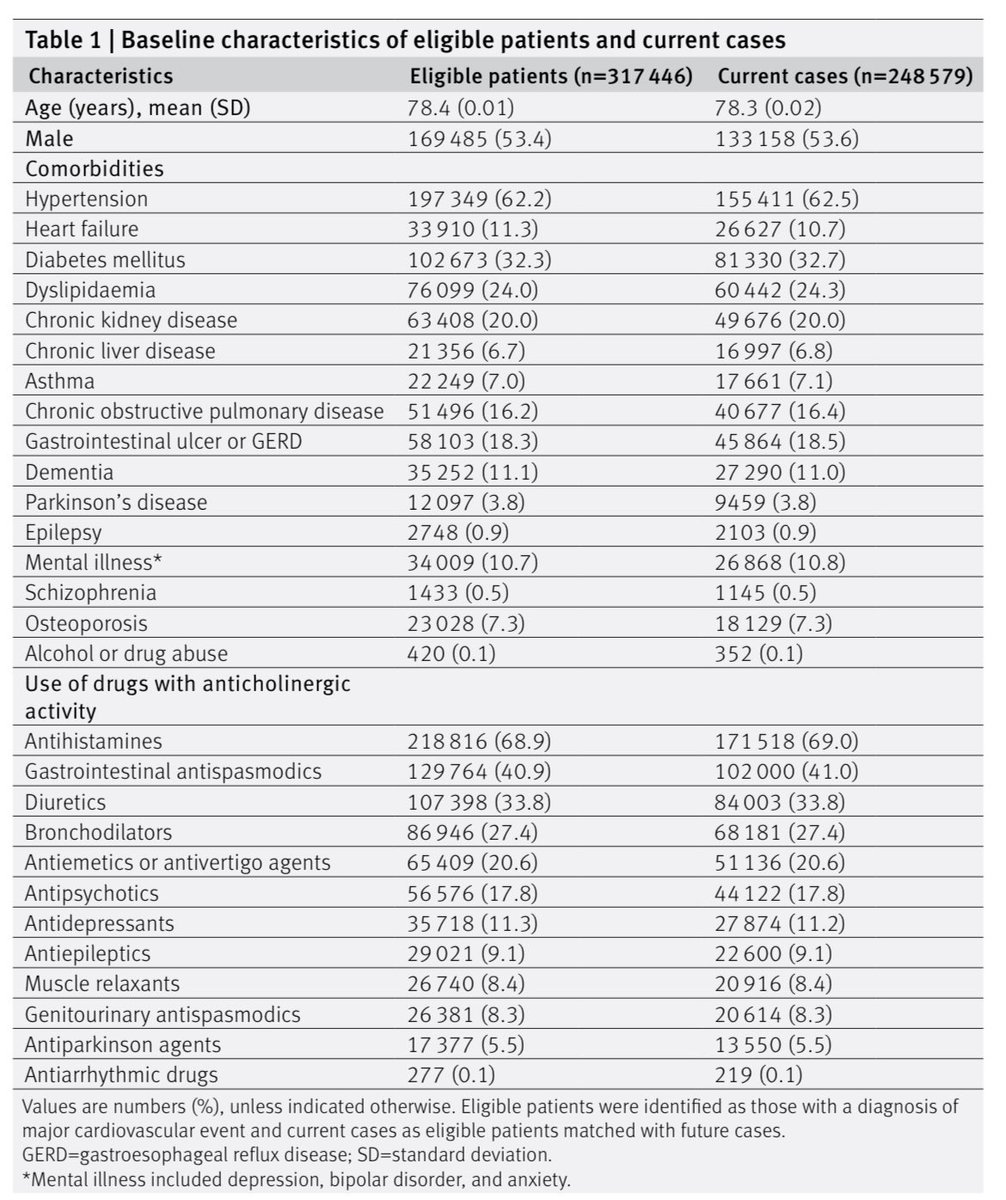
Causation; dementia & CV events -more reasons to avoid overprescribing of ACB drugs
A waste collection and recycling company has launched a UK-wide inhaler recycling service, following a successful pilot scheme, it has announced.
https://t.co/DNPtSl8pQu
Always ask about opioid timings in palliative care
Immediate release morphine and Oxycodone take at least 20-30minutes to have any effect on pain in most people. Effects last from 2-4hours.
If someone describes this pattern then their pain is convincingly responsive (in part at least) to opioids.
If someone describes the immediate release opioid working after 5 minutes and wearing off after 30minutes then the pain is unlikely to be responding to the current opioid regimen. Either the dose is too low or the pain is not opioid responsive. If the dose is increased be very very cautious ⚠️ Arrange review early for any benefit in pain fitting the pharmacology, if it starts to fit then the opioid is probably helping. If the reported effect is still rapid onset 5-10mins and lasting <30mins or no benefit despite an increase is opioid dose- speak with a palliative care specialist before making any other changes.
Another trend to look for is called “End of dose failure”
Modified release opioid preparations are usually taken 12 hours apart.
Many patients will not experience a full 12 hours of pain relief due to differences in metabolism and pharmacokinetics.
Patients will often report increased pain late afternoon-early evening as their morning modified release dose wears off- look for increased use of breakthrough medication at this time as a clue.
The same can happen in the early hours of the morning as patients wake with pain and describe taking a while “to get on top of things in the morning”
The night time dose of MR opioid os wearing off as the patient sleeps.
There are a number of ways to help this:
-An closely monitored increase in the twice daily dose of modified release morphine
-Use of immediate release opioid around the time of taking the modified release opioid to cover the fall in analgesic levels. This often works best first thing in the morning.
-Occasionally a change in route of administration to transdermal patch or continuous subcutaneous infusion
-Use of non-opioid analgesics to smooth out variations in pain thresholds
The effects of opioids change over time just like pain can change. Regular review is essential- ask about the timings not just the effects on pain scores
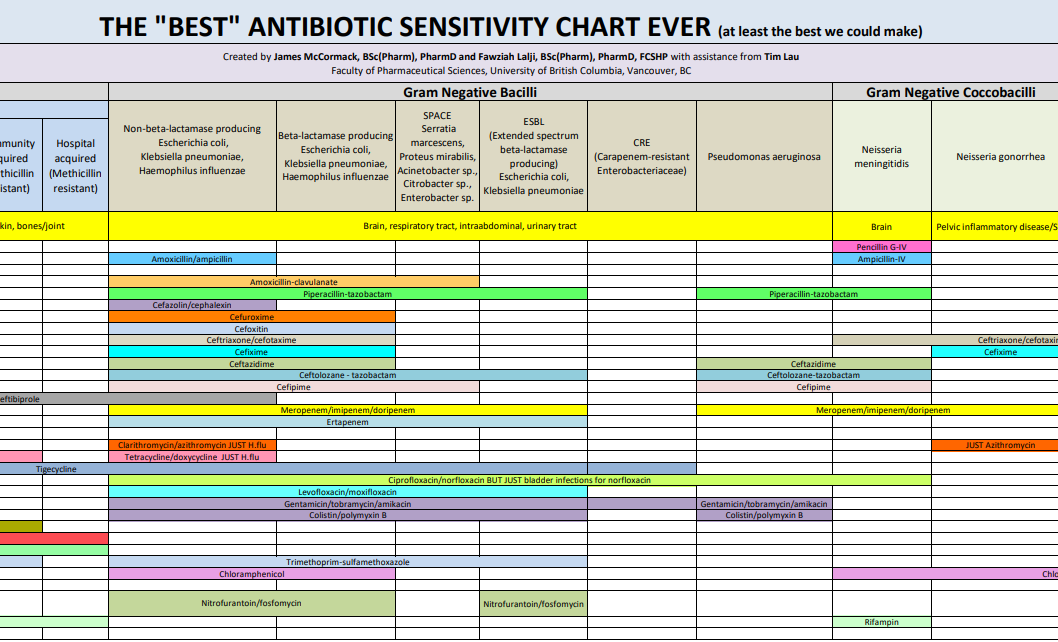
@RebeccaDentonS3 Thank you Rebecca! Sadly, I’m leaving the trust next week but I could send the presentation on to you, and I’m sure our antimicrobial pharmacist Richard would be happy to speak to you about the results too.
Really grateful to have been invited to present my audit on co-amoxiclav prescribing at #GNPRC2023 and proud to have won 1st place for my presentation.
Thank you everyone for your support and kind words today, a really great experience!💊