I’m Iranian and against any war. We have suffered terribly for years. However, due to the regime's brutality, the UNSC-approved R2P mission will be helpful for the #IranRevolution2026 provided the following monitoring and international support for a democratic transition happens.
Shocked by reports of violence & excessive use of force by the Iranian authorities against protesters resulting in deaths & injuries in recent days.
The rights to freedom of expression, association & peaceful assembly must be fully respected & protected.
I urge the Iranian authorities to exercise maximum restraint & refrain from unnecessary or disproportionate use of force.
I also urge steps that enable access to information in the country, including restoring communications.
@volker_turk With respect, with these statements, states which use death penalty as a coercive control tool, won’t stop. Islamic Republic increased execution without a fair trial in 2026, while UN representative and most western diplomats shake hands with them negotiating over oil price.
Today is the World Day Against the Death Penalty. Over the past 11 days, I have posted daily on death penalty cases my mandate has raised with the authorities of the Islamic Republic of Iran.
Most executions in Iran are for qisas or drug offences, and these are the cases that rarely reach my mandate. Qisas accounts for roughly half of all executions. Under it, whether a person lives or dies rests largely with the victim’s family and on whether the accused can pay diya (Day 5). Drug offences account for most of the rest. Those executed are mostly couriers driven by poverty, convicted of offences that do not meet the ‘most serious crimes’ threshold under international human rights law (Day 6).
For ethnic and religious minorities, the discrimination they face in daily life, from restrictions on language to economic exclusion, carries through into the criminal justice process. It shapes arrest, trial and sentencing, including in capital cases (Day 3). Gender intersects with ethnicity, religion, political activity and other aspects of identity to produce distinct forms of discrimination and abuse, including gendered violence in detention (Day 2).
The death penalty is also used against those who challenge the State and its policies. People who took part in protests, and even those who helped the injured, have been sentenced to death, often after being labelled spies or terrorists (Day 10). Under the 2025 Espionage Law, even a photograph of a bombed building can become part of a capital case (Day 4). Children are not spared either. People continue to face execution for acts allegedly committed when they were under 18 (Day 1).
In some of these cases, death sentences are handed down after trials lasting only hours, often on the basis of confessions broadcast before trial, while lawyers are obstructed or punished (Day 8). Some executions are carried out in public, turning death into a spectacle and forcing families and onlookers to watch (Day 7). Even after an execution, families may be denied their loved one's body, restricted in how they mourn, and intimidated into silence (Day 9).
Calls for abolition are coming from within Iranian society. Families keep vigil, and people stayed in Alikhani Square through the night to try to stop a public execution. Opposition to the death penalty also comes from inside Iran’s prisons. For more than two years and 8 months, prisoners have gone on hunger strike every Tuesday under the ‘No to Execution Tuesdays’ campaign, which now spans in at least 66 prisons. Earlier this year, a 16-day strike at Ghezel Hesar Prison won a suspension of drug-related executions there, if only temporarily.
I am grateful to the families who entrusted my mandate with their loved ones' stories, often at great personal risk, and to the civil society organisations and journalists who bring these cases to light despite facing threats themselves.
The Iranian authorities have responded to many of my communications. I welcome continued dialogue, including on the ongoing revision of the Anti-Narcotics Law, which offers a concrete opportunity to significantly restrict the death penalty for drug offences, and other changes that can bring its practice closer to international human rights standards.
In 2026, at least 600 people, and possibly as many as 1,000, are reported to have been executed. The need for a moratorium pending abolition has never been greater. I urge the authorities to establish an official moratorium on all executions with a view to abolishing the death penalty.
- Day 0 Countdown to the World Day Against the Death Penalty: https://t.co/ngN7XPwfPl
- Day 1 Children: https://t.co/sMj38fMn0X
- Day 2 Women: https://t.co/efGInHgx7F
- Day 3 Minorities: https://t.co/bYP0YbshhR
- Day 4 Security-related charges: https://t.co/JUTex3EKZD
- Day 5 Qisas: https://t.co/5A0SRUGKjn
- Day 6: Drugs: https://t.co/0qwYYAP8fO
- Day 7 Public executions: https://t.co/gO7wL2qj1n
- Day 8 Due process: https://t.co/XUWURc1khT
- Day 9 Families: https://t.co/AHgXQ1frH9
- Day 10 Protests: https://t.co/nGoNCn5unv
- Day 11 Press release with other UN experts: https://t.co/ZJnr1DdiiD
امروز روز جهانی مبارزه با مجازات اعدام است. طی ۱۱ روز گذشته، هر روز درباره پروندههای مربوط به مجازات اعدام که مأموریت من در مکاتبات خود با مقامهای جمهوری اسلامی ایران مطرح کرده است، مطلبی منتشر کردهام.
بیشتر اعدامها در ایران در ارتباط با قصاص یا جرایم مواد مخدر صورت میگیرند؛ که همان پروندههایی هستند که بهندرت به مأموریت من ارجاع میشوند. قصاص تقریباً نیمی از کل اعدامها را تشکیل میدهد. در چارچوب قصاص، زنده ماندن یا مرگ یک فرد تا حد زیادی به تصمیم خانواده قربانی و توانایی متهم برای پرداخت دیه بستگی دارد (روز پنجم). جرایم مواد مخدر بخش عمده موارد باقیمانده را تشکیل میدهند. بیشتر اعدامشدگان، حاملانی هستند که فقر آنان را به این کار سوق داده است و به دلیل جرایمی محکوم شدهاند که بر اساس حقوق بشر بینالملل، در زمره «جدیترین جرایم» قرار نمیگیرند (روز ششم).
برای اقلیتهای قومی و دینی، تبعیضی که در زندگی روزمره با آن مواجهاند، از محدودیتهای زبانی گرفته تا محرومیت اقتصادی، در روند دادرسی کیفری نیز ادامه مییابد. این تبعیض بر بازداشت، محاکمه و صدور حکم، از جمله در پروندههای منتهی به مجازات اعدام، تأثیر میگذارد (روز سوم). جنسیت با قومیت، مذهب، فعالیت سیاسی و دیگر ابعاد هویتی تلاقی پیدا میکند و به شکلهای متمایزی از تبعیض و سوءرفتار، از جمله خشونت مبتنی بر جنسیت در دوران بازداشت، منجر میشود (روز دوم).
مجازات اعدام همچنین علیه افرادی به کار گرفته میشود که حکومت و سیاستهای آن را به چالش میکشند. افرادی که در اعتراضات شرکت کردهاند و حتی کسانی که به مجروحان کمک کردهاند، اغلب پس از آنکه جاسوس یا تروریست خوانده شدهاند، به اعدام محکوم شدهاند (روز دهم). بر اساس قانون جاسوسی مصوب ۱۴۰۴، حتی تصویری از یک ساختمان بمبارانشده میتواند بخشی از یک پرونده منتهی به مجازات اعدام باشد (روز چهارم). کودکان نیز مصون نیستند. افراد همچنان به دلیل اعمالی که پیش از رسیدن به سن ۱۸ سالگی مرتکب شدهاند، با اعدام مواجه میشوند (روز نخست).
در برخی از این پروندهها، احکام اعدام پس از محاکمههایی صادر میشوند که تنها چند ساعت به طول انجامیدهاند؛ محاکمههایی که اغلب بر اعترافاتی متکیاند که پیش از برگزاری دادگاه پخش شدهاند، در حالی که برای وکلا مانعتراشی میشود یا آنان هم مجازات میشوند (روز هشتم). برخی اعدامها در ملأ عام اجرا میشوند و مرگ را به نمایشی عمومی تبدیل میکنند که خانوادهها و حاضران ناگزیر به تماشای آن هستند (روز هفتم). حتی پس از اجرای حکم اعدام نیز ممکن است پیکر عزیزان به خانوادهها تحویل داده نشود، برای چگونگی سوگواری آنان محدودیت ایجاد شود و با ارعاب و تهدید به سکوت وادار شوند (روز نهم).
درخواستها برای لغو مجازات اعدام از درون جامعه ایران مطرح میشوند. خانوادهها شبزندهداری و تحصن میکنند و مردم برای تلاش در جهت جلوگیری از اجرای یک اعدام در ملأ عام، تمام شب را در میدان علیخانی ماندند. مخالفت با مجازات اعدام از داخل زندانهای ایران نیز برخاسته است. بیش از دو سال و هشت ماه است که زندانیان در چارچوب کارزار «سهشنبههای نه به اعدام»، هر سهشنبه دست به اعتصاب غذا میزنند؛ کارزاری که اکنون دستکم ۶۶ زندان را دربر میگیرد. اوایل امسال، اعتصابی ۱۶روزه در زندان قزلحصار توانست اجرای احکام اعدام مرتبط با جرایم مواد مخدر را در آنجا، هرچند بهطور موقت، متوقف کند.
از خانوادههایی که با وجود خطرهای جدی شخصی، روایت عزیزان خود را به مأموریت من سپردند، و نیز از سازمانهای جامعه مدنی و روزنامهنگارانی که با وجود تهدیدهایی که خود با آن مواجهاند، این پروندهها را آشکار میکنند، عمیقاً سپاسگزارم.
مقامهای ایرانی به بسیاری از مکاتبات من پاسخ دادهاند. از تداوم گفتوگو استقبال میکنم؛ از جمله گفتوگو درباره بازنگری جاری در قانون مبارزه با مواد مخدر که فرصتی عینی برای محدود کردن چشمگیر مجازات اعدام در قبال جرایم مواد مخدر فراهم میکند، و نیز درباره تغییرات دیگری که میتوانند رویه موجود را به استانداردهای بینالمللی حقوق بشر نزدیکتر سازند.
بر اساس گزارشها، در سال ۲۰۲۶ دستکم ۶۰۰ نفر و احتمالاً تا ۱٬۰۰۰ نفر اعدام شدهاند. ضرورت برقراری توقف موقت اجرای احکام اعدام تا زمان لغو کامل این مجازات، بیش از هر زمان دیگری احساس میشود. از مقامها میخواهم با هدف لغو مجازات اعدام، یک توقف رسمی برای اجرای تمامی احکام اعدام برقرار کنند.
- روز صفر: شمارش معکوس تا روز جهانی مبارزه با مجازات اعدام: https://t.co/FyMxfLlbgD
- روز نخست: کودکان : https://t.co/AXN2uwxzrQ
- روز دوم: زنان: https://t.co/IGQhfP4xzi
- روز سوم: اقلیتها: https://t.co/xq1kqhu092
- روز چهارم: اتهامهای امنیتی: https://t.co/uh6MEhI4ns
- روز پنجم: قصاص: https://t.co/aD6w10wfdM
- روز ششم: جرایم مواد مخدر: https://t.co/UNKYQCZlE0
- روز هفتم: اعدام در ملأ عام: https://t.co/yeyGIijLqK
- روز هشتم: تضمینهای دادرسی عادلانه: https://t.co/cRW21BxD9b
- روز نهم: خانوادهها: https://t.co/wYwctUmoH9
- روز دهم: اعتراضات: https://t.co/xzwAxtpTv1
- روز یازدهم: بیانیه مطبوعاتی مشترک با دیگر کارشناسان سازمان ملل متحد: https://t.co/Wt9W5VxJY3
“#Iran has seen too much death: lives lost to war and lives taken by their own State.
Iran’s death penalty is used to silence dissent, with broadly defined national security offences recasting peaceful activity as a threat. That must change,” urge independent @UN_SPExperts.
@HenMazzig As far as I know, Iranian Jews who are remained in #Iran and their Synagogues are safe from people and don’t need a guard outside, I emphasis from Iranian people not government.
هرطوری این خبر رو می خونم نمی فهمم و جز این ۲ خط چیزی پیدا نمی کنم!!! این بی وطن نماینده طالبان هست یا نماینده تربت حیدریه!!
علمای حقوق نظری ندارند؟
کسانی که نگران حمله به خاک کشور بودن، درباره جدا کردن بخشی از خاک کشور توسط بیگانگان صاحب قدرت داخل نظری ندارند؟
87 Iranian officials identified as warranting criminal investigations.
Based on extensive investigations, Amnesty International has exposed the chain of command behind the Iranian authorities' crimes against humanity to crush the 2022 Woman Life Freedom uprising. We name 87 officials who should be criminally investigated. Most of these officials remain in positions of authority enabling them to unleash further deadly repression, while some have climbed up the chain of command. This impunity emboldened the authorities to unlawfully kill thousands more protesters between 8 and 9 January 2026.
The normalization of mass protest killings in Iran must end. Join us in calling on the UN Security Council to refer Iran's situation to the International Criminal Court and on the UN General Assembly to create an international criminal justice mechanism for Iran: https://t.co/nBE4vdPkPM
چهارسال از مرگ ژینا مهسا امینی در بازداشت گشت ارشاد میگذرد؛ اما نارضایتیهایی که جنبش «زن، زندگی، آزادی» را رقم زدند همچنان برقرار ماندهاند. اعتراضات دی ماه لایه دیگری از فقدان را بر رنجهای پیشین مردم افزود. هر دور از اعتراضات به جای پاسخگویی به مطالبات مردم، با سرکوب مواجه شده است. بنابراین نارضایتیها پابرجا باقی ماندهاند.
ایران پیشینهای طولانی در اعتراضات دارد، واکنش حکومت هم الگویی آشنا را دنبال میکند: استفاده از نیروی مرگبار، بازداشتهای خودسرانه، اعدام، متهم کردن معترضان به جاسوسی و تروریسم، و اعمال فشار بر خانوادههای آنها. آنچه تغییر کرده است تنها شدت این واکنشهاست که با هر دوره از اعتراضات شدیدتر شده است. در همین حال، فضای موجود برای اعتراض کاملاً بسته شده است. محدویتهای قانون اساسی، الزام به دریافت مجوز، جرایم امنیتی با تعاریف کلی و قانون تشدید مجازات جاسوسی مصوب ۱۴۰۴ باعث شدهاند که تقریباً هر نوع اعتراضی غیرقانونی تلقی شود.
محبوبه شعبانی، اهل مشهد، از موتورسیکلت خود برای انتقال افرادی استفاده میکرد که در جریان اعتراضات دی ماه زخمی شده بودند، تا آنها را به محلی امن یا مراکز درمانی برساند. او بر اساس قانون جاسوسی به اتهام «اقدام عملی در جهت تقویت اسرائیل، آمریکا و عوامل وابسته به رضا پهلوی» به اعدام محکوم شده است. در پیامی صوتی از زندان، محبوبه نگرانی خود را در مورد زندانیانی که با اعدام روبرو هستند ابراز کرد و از آسیب روانی ناشی از زندگی با این ترس صحبت کرد. دو روز بعد، او به سلول انفرادی منتقل شد؛ این انتقال معمولاً قبل از اجرای حکم اعدام صورت میگیرد. محبوبه هنوز فرصت درخواست تجدیدنظر هم نداشته است.
علی زارعی در جریان جنبش «زن، زندگی، آزادی» در سال ۱۴۰۱، بر اثر اصابت ساچمه از ناحیه چشم به شدت مجروح شد. او پس از بازگشت به ایران در اردیبهشت ۱۴۰۵ بازداشت شد و به اتهام «افساد فیالارض» در ارتباط با «فعالیتهای سیاسی گسترده» به اعدام محکوم شده است. او هم در تاریخ ۳۰ شهریور به سلول انفرادی منتقل شد.
پیشتر از این به افراد دیگری که در ارتباط با اعتراضات با حکم اعدام مواجه هستند اشاره کردهام: محسن اسلامخواه، رئوف شیخمعروفی، محمد فرجی، شروین باقریان جبلی، ترانه رحیمی و بنیامین نقدی. علیرضا سپاهی در آخر روز ۱۳ مهر اعدام شد. (لطفا در نظر داشته باشید که ماموریت من تنها میتواند از پروندههایی نام ببرد که رضایت افراد در مورد آنها را دریافت کرده باشد.)
کمک به مجروحان، مطالبه تغییر و حضور در خیابان: در ایران امروز، هریک از این اقدامات میتواند به صدور حکم اعدام منجر شود. با این حال، بیش از چهار دهه تاریخ نشان داده است که سرکوب نتوانسته مردم را از حضور در خیابان بازدارد. این سرکوب تنها نارضایتیهایی که مردم را به خیابان میکشاند عمیقتر کردهاست.
از مقامات درخواست میکنم که تمامی اعدامها را متوقف کنند، تمامی احکام اعدام مرتبط با اعتراضات را لغو کنند و مخالفت و اعتراض مسالمتآمیز را نه به عنوان تهدید، بلکه به عنوان بخشی از یک جامعه سالم به رسمیت بشناسند.
مکاتبه ماموریت من در مورد محبوبه شعبانی و علی زارعی به زودی در اینجا منتشر خواهد شد:
https://t.co/GT96aECAue
مکاتبه ماموریت من در مورد محسن اسلامخواه، رئوف شیخمعروفی و محمد فرجی:
https://t.co/rqu2DgODb8
پاسخ مقامات ایرانی:
https://t.co/ONbSNWgafr
مکاتبه ماموریت من در مورد شروین باقریان جبلی:
https://t.co/xH7oBA1Av1
پاسخ مقامات دریافت شده اما هنوز منتشر نشده است. به زودی در اینجا در دسترس قرار خواهد گرفت:
https://t.co/JJpsRdZ6Fp
مکاتبه ماموریت من در مورد ترانه و رومینا رحیمی هنور منتشر نشده است، به زودی در اینجا در دسترس قرار خواهد گرفت:
https://t.co/PrjTYwYANg
مکاتبه ماموریت من در مورد بنیامین نقدی به زودی در اینجا به همراه پاسخ مقامات در دسترس قرار خواهد گرفت:
https://t.co/GT96aECAue
People in #Iran are suffering from hyperinflation and lack of basic income, and are under pressure of sanctions because of the actions of Islamic regime, while this brutal system transfers millions of $ to it’s proxy!
Iran transferred $200 million to Hezbollah last month for Lebanese displaced by the war with Israel, according to Reuters. An initial payment of $3,000 per family is planned, with 50,000 families from destroyed or inaccessible villages first in line.
Genuinely asking, is it proper and normal that there will be vigil and campaign for the victims of U.S. and its allies war in Afghanistan and Iraq right on 9/11 ?
Have some respect for all victims of inhuman atrocities, despite your ideology and understanding of history.
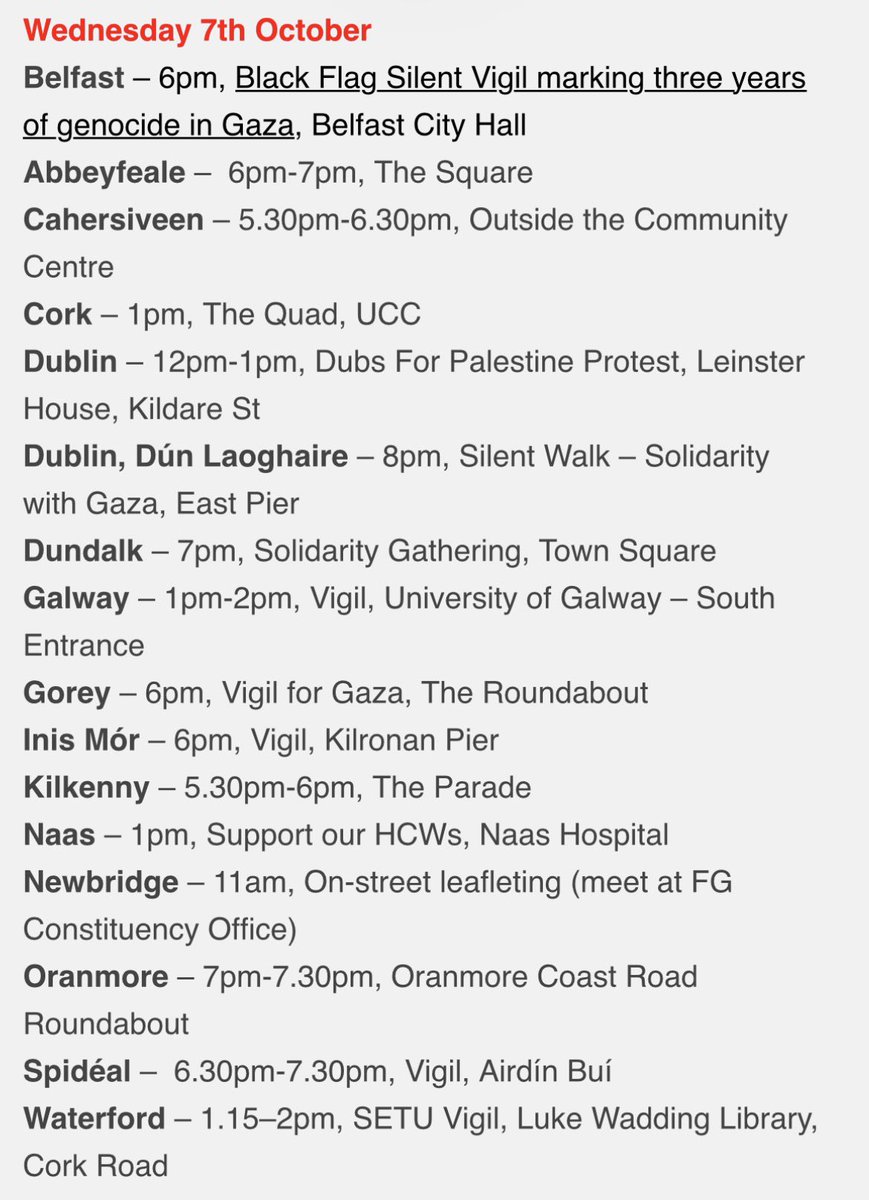
As per the Ireland Palestine Solidarity Campaign’s website, there will be at least 16 anti-Israel events held across the island of Ireland on the anniversary of the October 7th massacre.
I am particularly saddened to see one such event in my hometown of Dún Laoghaire, which is also the hometown of the father of Emily Hand, the 8-year-old child abducted by Hamas.
You can protest against Israel all you like. But it goes against all semblance of human decency to attend a protest (or any anti-Israel event) on October 7th. The very date three years ago that approximately 1,200 people in Israel were slaughtered, 251 people were taken hostage, and women and girls were raped by Hamas butchers.
Going out of your way to attend an anti-Israel event on an anniversary dedicated to honouring murdered Israeli victims just serves to expose you for who you really are. Someone filled with sadistic malice who hides behind the language of social justice to inflict your self-righteous cruelty.
نقض قواعد دادرسی عادلانه در جمهوری اسلامی ایران صرفا مختص اعتراضات دیماه نیست. این نقضها پیشینهای طولانی دارند و در نظام قضایی نهادینه شدهاند. بازداشت خودسرانه، شکنجه و بدرفتاری در جریان تحقیقات، استفاده از اعترافاتی که شائبه اجباری بودن آنها وجود دارد به عنوان مدرک، محدودیت در دسترسی بازداشتشدگان به وکیل انتخابی خود (به ویژه در پروندههای مرتبط با مسائل امنیتی طبق تبصره ماده ۴۸ قانون آیین دادرسی کیفری)، رسیدگیهای غیرعلنی در دادگاههای انقلاب و احکام منتشر نشده، همگی باعث تضعیف حقوق افراد بر دادرسی عادلانه در ایران شدهاند.
با آغاز اعتراضات سراسری، نادیدهگرفتن تشریفات آیین دادرسی عادلانه از پیش هم آشکارتر شده است. امروزه در ایران، معترضان پس از محاکمههایی به اعدام محکوم میشوند که تنها چند ساعت طول میکشند، و بر اساس مدارکی که بر اعترافات - به نظر - اجباری و پخش شده از تلویزیون بنا شدهاند. بسیاری از بازداشتشدگان، در زمان تحقیقات، یعنی زمانی که بیش از هر زمان دیگری در معرض اجبار و فشار قرار دارند، از دسترسی به وکیل انتخابی خود محروم میشوند. همچنین برخی گزارشها حاکی از آن است که از دسترسی وکلا به پروندهها هم جلوگیری میشود.
نقض تضمینهای دادرسی عادلانه تنها متوجه متهمان نیست. وکلایی که پذیرش این پروندهها را بر عهده میگیرند هم با اقدامات تلافیجویانه مواجه شدهاند، از جمله ارعاب، تهدید، حبس و در برخی موارد، ابطال پروانه وکالت.
دو برادر، هادی و فضلالله نیکبخت، در آبان ۱۴۰۴، پس از تلاش برای جلوگیری از مصادره زمینهای کشاورزیشان در گلپایگان بازداشت شدند، و به مدت دو ماه در بازداشت و بدون امکان برقراری ارتباط با دنیای بیرون نگه داشته شدند. در تیر ۱۴۰۵، در جلسه دادرسی آنها که به صورت مجازی برگزار شد و آنها به دلیل ضعف اتصال اینترنت حتی قادر به دنبال کردن آن نبودند، به اتهام «افساد فیالارض» به اعدام محکوم شدند.
بنیامین نقدی، ورزشکار ۲۶ ساله، ۱۳ دی در شیراز بازداشت شد و تنها یک روز بعد «اعترافات» او از تلویزیون دولتی ایران پخش شد. اتهام آسیب و جرح نیروهای امنیتی از پرونده او حذف شده است و وکیل او اعلام کرده است که هیچ آسیبی در این پرونده به کسی وارد نشده است؛ با این حال، او نیز به اتهام «افساد فیالارض» به اعدام محکوم شده، و دیوان عالی کشور حکمش را تایید کرده است.
محاکمههای گروهی، دفاع موثر از متهمان را دشوارتر هم میکند. در پرونده میدان علیخانی در اصفهان، مقامات تأیید کردند که جلسات رسیدگی به اتهامات ۳۴ فرد بزرگسال در این پرونده، در مجموع تنها پنج روز به طول انجامیده است. دوازده نفر از این افراد به اعدام محکوم شدهاند و از آن میان هفت نفر تاکنون اعدام شدهاند، که دو نفر از آنها تبعه افغانستان بودند. در ۹ شهریور هم ۱۰ نفر از ۱۶ متهم پرونده میدان شهدا به اعدام محکوم شدند. دادرسیهای گروهی از این دست نمیتوانند مشخص کنند که هر فرد دقیقا چه اقدامی انجام داده است و اصل برائت را نقض میکنند؛ در نتیجه، هرگونه اعدام در نتیجه این دادرسی، خودسرانه خواهد بود.
این پروندهها نقصهایی استثنایی نیستند، بلکه بازتابدهنده نظام قضاییای هستند که در آن اعترافات اجباری جایگزین ادله میشود، وکلا بهخاطر انجام کارشان با موانع و مجازات روبرو میشوند، و دهها نفر تنها ظرف چند روز محاکمه میشوند. طبق حقوق بشر بینالملل، صدور حکم اعدام در یک محاکمه ناعادلانه، سلب خودسرانه حق حیات محسوب میشود. تا زمانی که این کاستیها برطرف نشوند، احکام اعدام صادر شده توسط این دادگاهها را نمیتوان قابل اتکا دانست. تمامی اعدامها باید متوقف شوند.
مکاتبه ماموریت من در مورد برادران نیکبخت:
https://t.co/JHp1VFNaMU
تاکنون هیچ پاسخی از مقامات ایران دریافت نشده است.
مکاتبه ماموریت من در مورد بنیامین نقدی و پاسخ مقامات ایرانی به زودی در اینجا منتشر میشود:
https://t.co/GT96aECAue
بیانیه من و دیگر کارشناسان سازمان ملل در مورد پرونده میدان علیخانی اصفهان:
https://t.co/ASJli92ilR
Due process violations in the Islamic Republic of Iran are not simply a consequence of the January protests. They are long-standing and embedded in the justice system itself. Arbitrary arrest, torture and ill-treatment during investigation, the use of what appear to be coerced confessions as evidence, restrictions on detainees’ access to a lawyer of their own choosing (particularly in security-related cases under the note to Article 48 of the Criminal Procedure Code), closed-door Revolutionary Court proceedings and unpublished judgments have long undermined fair trial rights in Iran.
Since the nationwide protests, disregard for due process has become even more blatant. Today in Iran, protesters are being sentenced to death after trials lasting only a few hours, on the basis of what appear to be coercion confessions broadcast on State television. Many are denied a lawyer of their choosing especially during the investigation stage, when they are most at risk of coercion. And I continue to receive reports of lawyers being denied access to case files.
The violation of fair trial guarantees extends beyond defendants themselves. Lawyers who take on these cases have faced reprisals, including intimidation, threats, imprisonment and, in some instances, disbarment.
In November 2025, two brothers, Hadi and Fazlollah Nikbakht, were held incommunicado for two months after trying to stop the seizure of their farmland in Golpayegan. In June, they were sentenced to death for “corruption on earth” after a virtual hearing they could not follow because of the poor internet connection in prison. Benyamin Naghdi, a 26-year-old athlete arrested in Shiraz on 3 January, had his confession broadcast on State television the day after his arrest. Charges of injuring security officers were dropped, and his lawyer says no one was harmed. Yet he too was sentenced to death for “corruption on earth”, and the Supreme Court has upheld the sentence.
Collective trials make mounting an effective defence even more difficult. In the Alikhani Square case in Isfahan, the authorities confirmed that the hearings for 34 adults lasted only five days in total. Twelve were sentenced to death and seven have since been executed, including two of them Afghan nationals. On 31 August, 10 of the 16 defendants in the Shohada Square case were also sentenced to death. Group proceedings like these cannot establish what each person did, violate the principle of presumption of innocence, and therefore render any resulting executions arbitrary.
These cases are not isolated failures. They reflect a justice system in which coerced confessions often take the place of evidence, defence lawyers are obstructed or punished, and dozens of people can be tried in a matter of days. Under international human rights law, a death sentence imposed after an unfair trial is an arbitrary deprivation of life. Until these failings are addressed, no death sentence handed down by these courts can be considered safe, and all executions must stop.
My mandate’s communication regarding the Nikbakht brothers
https://t.co/JHp1VFNaMU
No response received from the Iranian authorities
My mandate’s communication regarding Mr. Benyamin Naghdi will become available on 20 October here and the response is yet to be published
https://t.co/GT96aECAue
My statement together with other mandate holders regarding the Alikhani Square case
https://t.co/ASJli92ilR
Today 2 other men were executed for ‘Alikhani square’ case, the appeal for #AlirezaSepahi was dismissed without a court hearing according to his lawyer.
Last night this man asked to marry his love in the very last night of his life, to be able to meet her, but never met her.
Today 2 other men were executed for ‘Alikhani square’ case, the appeal for #AlirezaSepahi was dismissed without a court hearing according to his lawyer.
Last night this man asked to marry his love in the very last night of his life, to be able to meet her, but never met her.
Today 2 other men were executed for ‘Alikhani square’ case, the appeal for #AlirezaSepahi was dismissed without a court hearing according to his lawyer.
Last night this man asked to marry his love in the very last night of his life, to be able to meet her, but never met her.
“On the night of 27 July, people kept vigil in Alikhani Square until dawn. There is something profoundly human about it: standing in the darkness so that another person does not have to face death alone.”
This comes from the testimonies of people who rushed to Alikhani Square that night.
The square had been prepared for the public execution of three protesters from the January 2026 protests in Isfahan. A scaffold had been erected; families had been summoned. There was a heavy security presence surrounding the area.
People rushed there to stop the executions. They were met with violence, including lethal force. Yet people stayed refusing to give up on the men's lives until the very last moment. Gathering to plead for a life is not a crime, least of all against a public execution, which is incompatible with international human rights law.
In the end, two of the three men were executed that night in public before the eyes of their families, and of the people who had spent the night hoping to save them. They were made to witness every moment.
Public execution turns death into a spectacle and exposes an entire society to the violence of the State.
Alireza Sepahi was not executed that night, but he was far from safe. He was executed today, 5 October. He was arrested at his home on 10 January 2026, and was one of 12 defendants sentenced to death in the case concerning the deaths of four security personnel at Alikhani Square, which the defendants were accused of causing.
The case has been accompanied by serious allegations concerning the treatment of the defendants and the fairness of the proceedings. Reports say that Sepahi’s mother was tortured in his presence, and that he and his cousin were beaten and tortured in front of members of their family. Sepahi was sentenced to death by the Isfahan Revolutionary Court and was scheduled to be publicly hanged that night, alongside the other two men. But shortly before the scheduled execution, he suffered a heart attack and was transferred to hospital. He was discharged a few days later and returned to prison, where he lived every day in fear of execution, until the moment arrived.
On 2 September, his appeal was accepted and his case was referred for retrial. However, the Isfahan Revolutionary Court reportedly dismissed the application without holding a hearing. The sentence was carried our early hours of 5 October, while his lawyer and legal counsel were still trying to find a way for his retrial.
Public executions constitute cruel, inhuman and degrading treatment. No one should face this punishment, and no society should be made to watch.
My mandate’s communication about Alireza Sepahi would be published here soon.
https://t.co/GT96aECAue
@drmaisato Today 2 other men were executed for ‘Alikhani square’ case, the appeal for #AlirezaSepahi was dismissed without a court hearing according to his lawyer.
Last night this man asked to marry his love in the very last night of his life, to be able to meet her, but never met her.