تصريح رسمي بشأن حادثة بلدة منين بريف دمشق
تؤكد مديرية إعلام ريف دمشق أن الآليّة التي عملت اليوم في بلدة منين بريف دمشق كانت تقوم بصيانة الآبار التابعة لمؤسسة المياه، خلافاً لما تم تداوله حول حفر آبار جديدة ضمن أراضٍ خاصة
وقد سبق للمؤسسة أن عقدت اجتماعات مع الأهالي لشرح طبيعة الأعمال وأن ملف المياه من اختصاصها الكامل
شهدت البلدة توتراً محلياً تمثل بتخريب الآلية والاعتداء على الكادر العامل وقطع طرقات وإشعال إطارات، ما استدعى تدخل فرق الإطفاء والإسعاف التي تعرضت بعض آلياتها لاعتداءات أثناء محاولة الوصول إلى الموقع
وتتواجد حالياً قوى الأمن الداخلي وتعمل على ضبط الوضع، دون تسجيل وفيات، واقتصار الإصابات على حالات طفيفة ناتجة عن التدافع.
كما تم انتهاء التوتر في البلدة مع انتشار الأمن الداخلي وتوجه وفود صلح وتهدئة إلى المنطقة
Public allegations against government officials deserve scrutiny. So do the people making them.
When a journalist or filmmaker resurfaces after nearly a decade with allegations implicating a newly appointed diplomat, the first question should not be, “Is this politically useful?” It should be, “What evidence exists?”
Extraordinary claims require extraordinary evidence. Personal testimony may be a starting point for an investigation, but it is not, by itself, a substitute for verifiable facts. Documents, corroborating witnesses, official records, or independently confirmed evidence are what transform an allegation into something the public can reasonably assess.
Timing also matters.
Why do allegations of this magnitude emerge at a moment when Syria’s new government is attempting to expand its diplomatic engagement? The timing alone does not invalidate the claims, but it does make critical scrutiny not only appropriate, but necessary.
That scrutiny should apply equally to everyone involved.
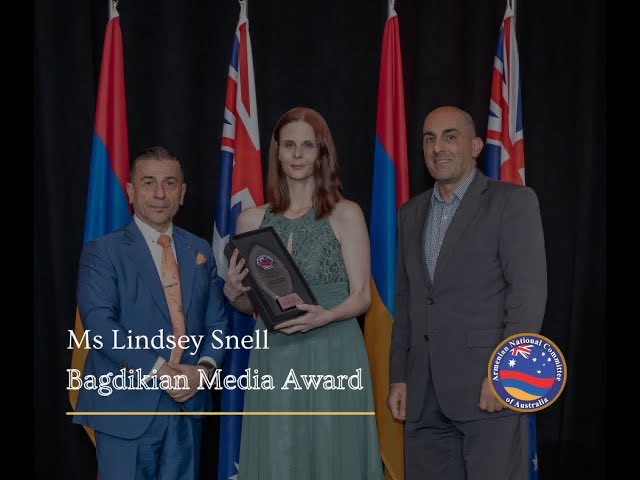
If the personal history of the accused is considered relevant, then the background of the accuser should not be immune from examination. Public reporting has documented that Lindsey Snell was detained by Turkish authorities in Hatay in 2016. Questions about the circumstances of that detention, the findings of the investigation, and the broader context are legitimate subjects of inquiry—not because they prove or disprove her allegations, but because credibility is built through transparency, not selective disclosure.
The same principle extends to questions surrounding her professional relationships, public affiliations, and international recognition. None of these, standing alone, establish guilt or innocence. Nor should they. But if political context is invoked to support one narrative, it cannot suddenly become irrelevant when it raises questions about another.
The public has become increasingly skeptical of media narratives that rely heavily on dramatic personal accounts while offering little independently verifiable evidence. Years of information warfare across multiple conflicts have taught audiences an important lesson: compelling stories and factual accuracy are not the same thing.
There is also a broader geopolitical dimension that cannot be ignored. Allegations targeting representatives of governments engaged in shifting regional alliances inevitably carry political implications. That observation should not be mistaken for proof of coordination or conspiracy. It is simply recognition that political actors often seek to shape public perception when strategic interests are at stake.
Ultimately, this is not an argument for dismissing allegations. It is an argument for applying the same evidentiary standard to every side.
If convincing evidence exists, it should be presented and subjected to independent examination.
If it does not, then the public is justified in withholding judgment.
The presumption of skepticism should not be reserved exclusively for governments. It should apply equally to activists, journalists, filmmakers, and anyone else asking the public to accept serious accusations as fact.
In the end, credibility is not earned through headlines or viral videos. It is earned through evidence that withstands scrutinyregardless of who presents it.
ليست كل الفواجع تُروى بالكلمات فبعضها يُرى في عيني طفلٍ فقد أمّه، وفي صمت طريقٍ ازدحم بالأحلام التي لم تصل إلى وجهتها الأخيرة.
رحم الله ضحايا الحادث الأليم، ونسأل الله أن يربط على قلوب ذويهم، وأن يمنّ على المصابين بالشفاء، وأن يحفظ سورية وأهلها من كل سوء.
إنا لله وإنا إليه راجعون.
لك حدا يشرحلي!
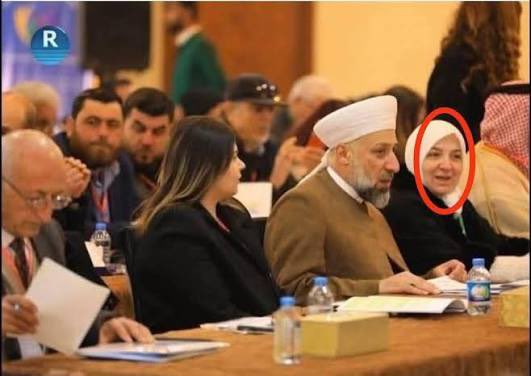
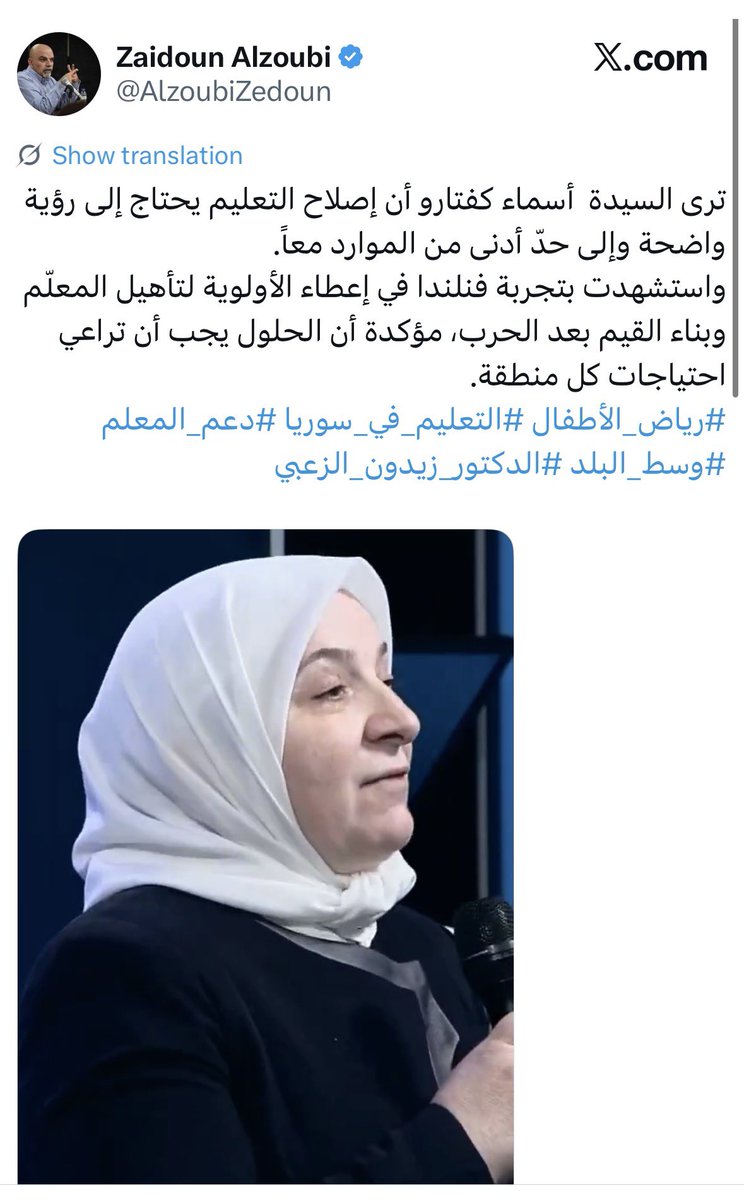
تلفزيون غير سوري كيف مسموح يشتغل بسوريا ليرجع يصدر لنا أسماء كفتارو والقبيسيات؟
أبوها سبب ترسيخ حكم حافظ
زوجها عضو مجلس شعب سابق وبوق لدولة معروفة
من قناة الميادين للعالم لمؤتمر قسد للفيدرالية واليوم يتم تصديرها للمشهد لتعلمنا بناء الدولة!
وزارة الاعلام؟
فوق ما هني تنابل و لا نافعين البلد بشي، غير العلك المصدي الناتج عن تمخضات عقلية سفلية،
عم يسببو ارق و جهد لقوى الأمن الداخلي و يعملو بلبلة بالمنطقة منشان خلل فكري متوارث
جدا عن سابع جد
بروح ستك انت وياه عم تتشاروا العلاقات الجانبية لدولتين على ارض دولة ثالثة 🤣🤣🤣
و مين قناصل حقهن فرنك مصدي
@AsaadHShaibani
يا معالي الوزير بدل ما يمشي امور المغتربين مقضيها عزايم تحت مسمى" علاقات"
مماطلة فظيعة لدى موظفين البعثات في استصدار المعاملات
و��تى لا يوجد الية تواصل
@omar01_q@ayaalyousef171 لك هي وحدة هبيلة حشاة الدكر ماكون انا القاضي الا ارمي مطرقة المحكمة على راس الهبيلة اللي خاطبها بركي بيرجع بيشغل التركتور اللي بين كتافو 😂😂
@iMuraqip@ayaalyousef171@ayaqueen_1 هلق هي الجحىْىْىْـة صارعة سمانا بخطيبها الكرّ و بأسمو ؟
ما حْراي عليه مين من كان واحد حـ ـمار بيرضى يتجوز هيك كـ ـرارة
و اخر شي هيك منظرو البهـ ـيم 🤣👇
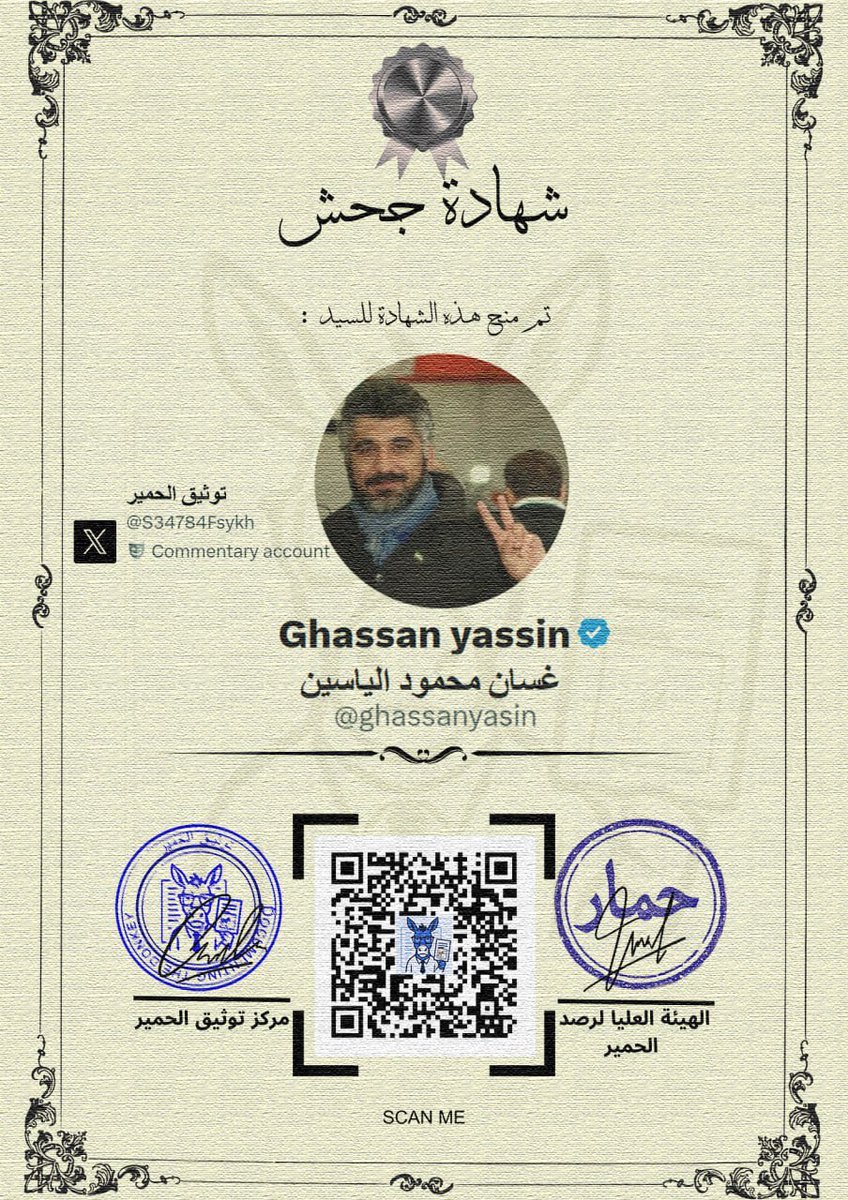
تم يوم امس تكريم ثلة فاخرة من الحمير و تكريمهم برزم من الفصة و علف الدواب، وكان على رأس حفل التكريم الخريج الجحش @ghassanyasin بشهادة الجحش الفضي لتفوقه الكاسح بجر طنابر العلف الى عوائل الفلول في الساحل في آذار من سنة 2025 بعد ان غدروا ب642 شهيد من الأمن العام و التمثيل بجثثهم بأبشع الصور.
و اليوم يطل علينا الجحش غسان بدفاعه عن إحدى أيتام الفلول مطأطأ أذنيه الطويلتين و مطوبزا وهو يتزهرم بواقي الخضروات.
لذا ندعوه لإستلام الشهادة و رزمة الفصة بأقرب فرصة
تنويه*
يسمح بتوزيع الجائزة على عوائل الفلول هذه المرة
تنوي�� اخر:
لوحظ مؤخرا قيام نفر من الحمير بتقليد اسلوبنا في استصدار شهادات الماجستير البهيمية و نعيد وننوه انه لا علاقة لنا باي حمار يستخدم ادوات الذكاء الصناعي في استصدار مثل هذه الشهادات والتي تتميز بعدة علامات فارقة .