Starting the new exciting project, the installation of vadose zone and groundwater monitoring wells, at Oregon Water Initiative Managed Aquifer Recharge Innovation Field site @OregonState@OregonStateBEE
Day 1: Monitoring Well 1 drilling completed
#California's largest #reservoir, #Lake#Shasta, received over 13 inches of #rain in the first 11 days of 2023, but its water levels are still below what they usually are at this time of year. I visited the reservoir on 16 Sep 22 at the lowest level (30%) and 14 Jan 23 at 42%.
Communicating Science to Legislators. It was my first experience to give a testimony on managed aquifer recharge at Oregon State #Legislature as a neutral entity for a bill regarding ASR testing. This is what we do at @OregonStateBEE#groundwater#MAR#ASR#Oregon#ClimateAction
@hassankhan However, large storm doesn’t mean we will have natural recharge since the top soil was very dry or compacted and infiltration capacity will be minimal. That’s why we need MAR projects that capture the floodwater and target artificial recharge through favorable subsurface region.
@hassankhan Hi Hassan, I do not have that data yet. But I hope we will get floodwater in my field and can do drywell-MAR. The recharge from storm in shallow aquifers could be visible soon. However, deeper aquifer may take more time.
Glad to share our recent paper and artwork selected as a front cover for ACS Applied Materials and Interfaces.
ACS Applied Materials & Interfaces https://t.co/bK0ZuqgYFd
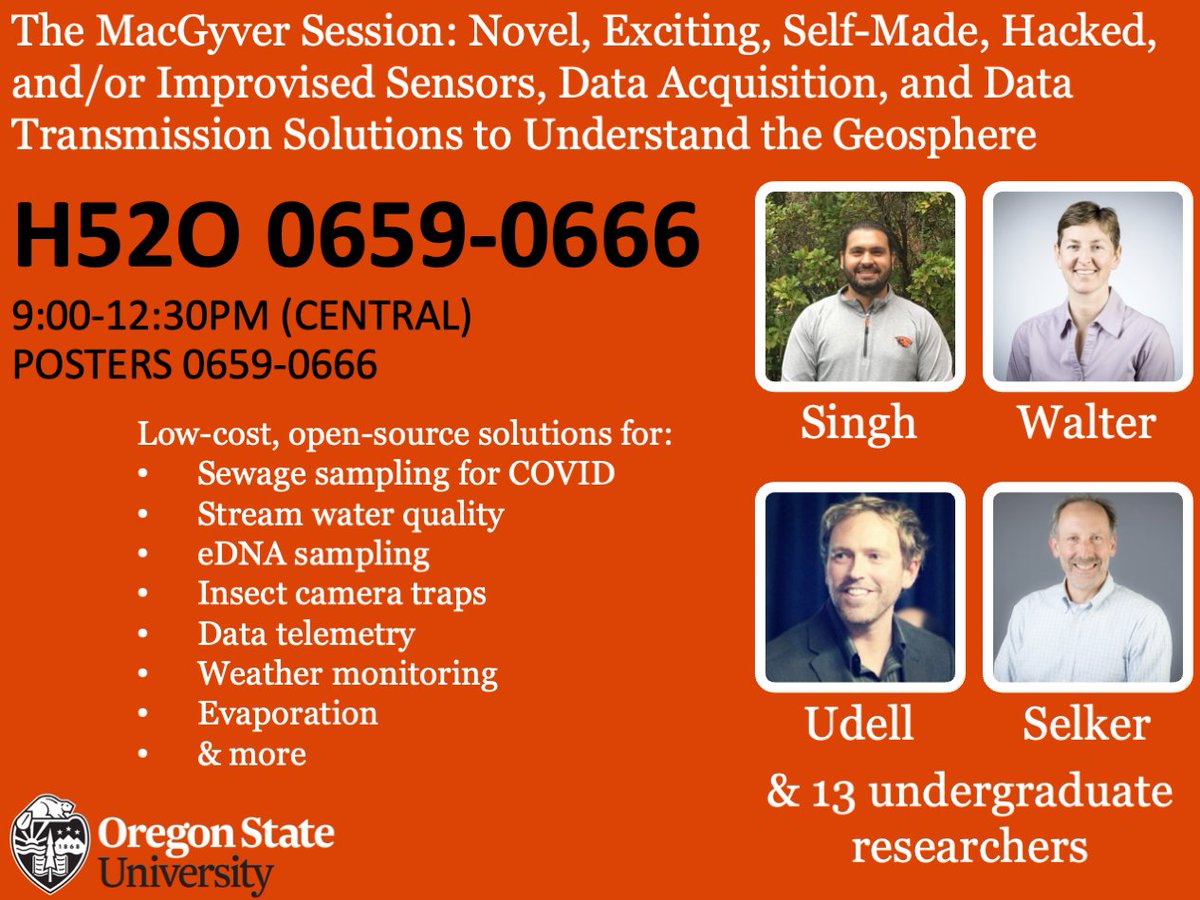
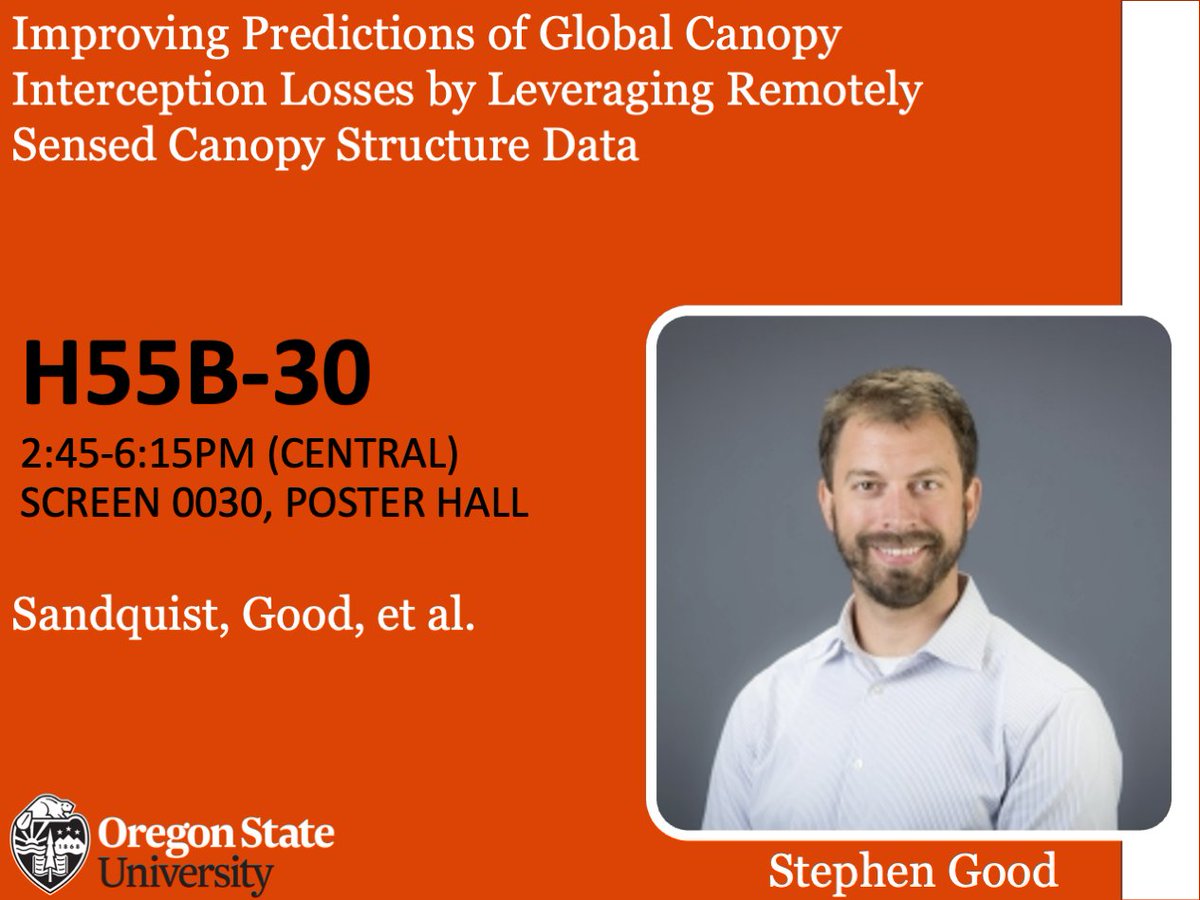
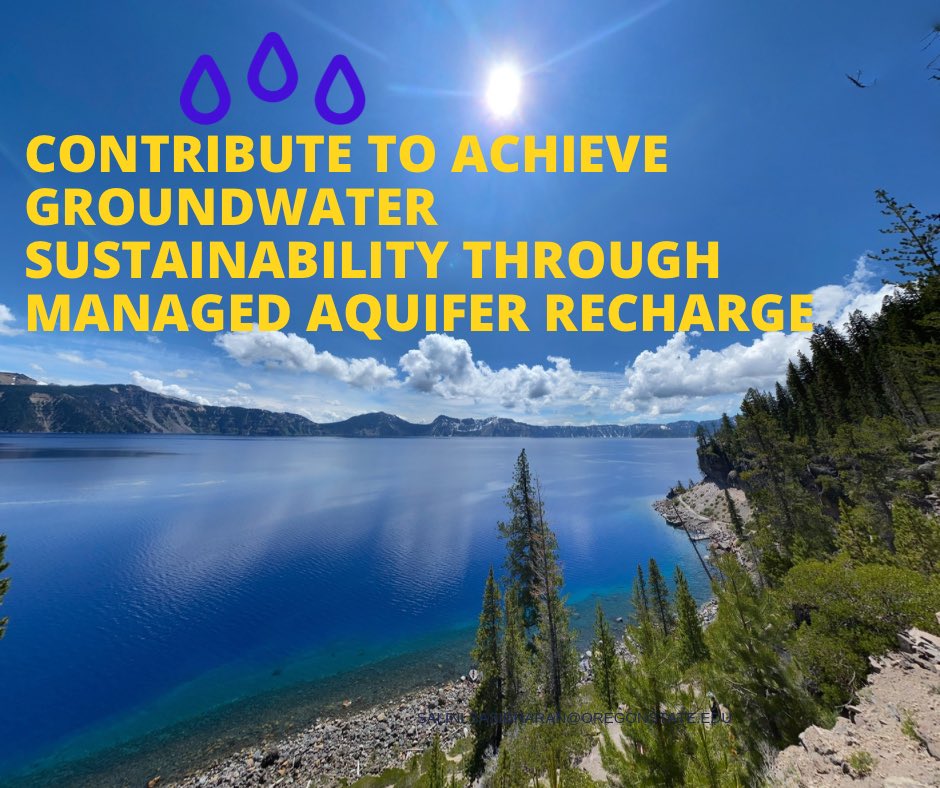
Last day of #AGU22 and we're as busy as ever! See @salinias on Managed #Aquifer Recharge #MAR, analysis of global interception, & our OPEnS lab team with 8 - EIGHT - posters on their low-cost environmental sensors
https://t.co/QVK24fQYUy