Can our 'learning' be done by machine brains?
Neuromorphic learning, working memory, and metaplasticity in nanowire networks https://t.co/gEhRaqmJ5q
@NIMS_PR@ScienceMagazine
An introductory video on hBN, which supports graphene research worldwide, is available. Takashi Taniguchi is a NIMS researcher.
One-of-a-kind crystal in high demand with researchers https://t.co/2O6JqM3jlr via @YouTube#graphene
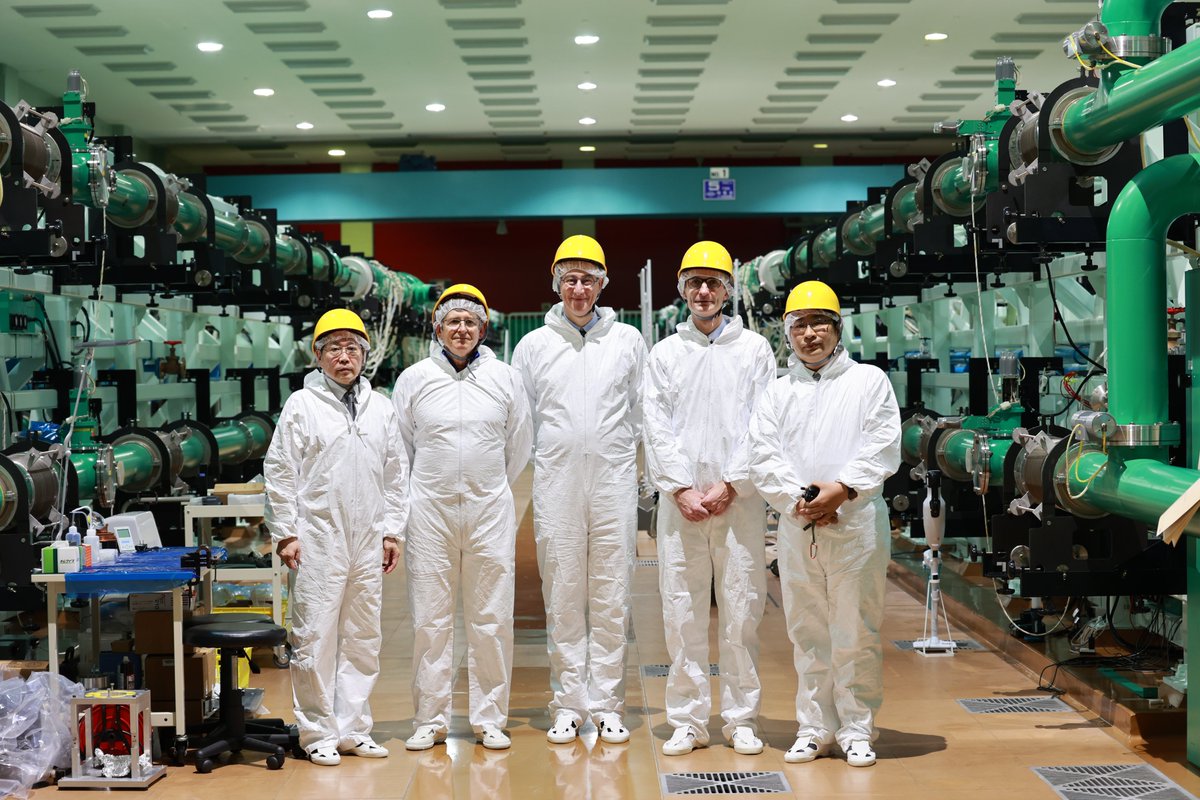
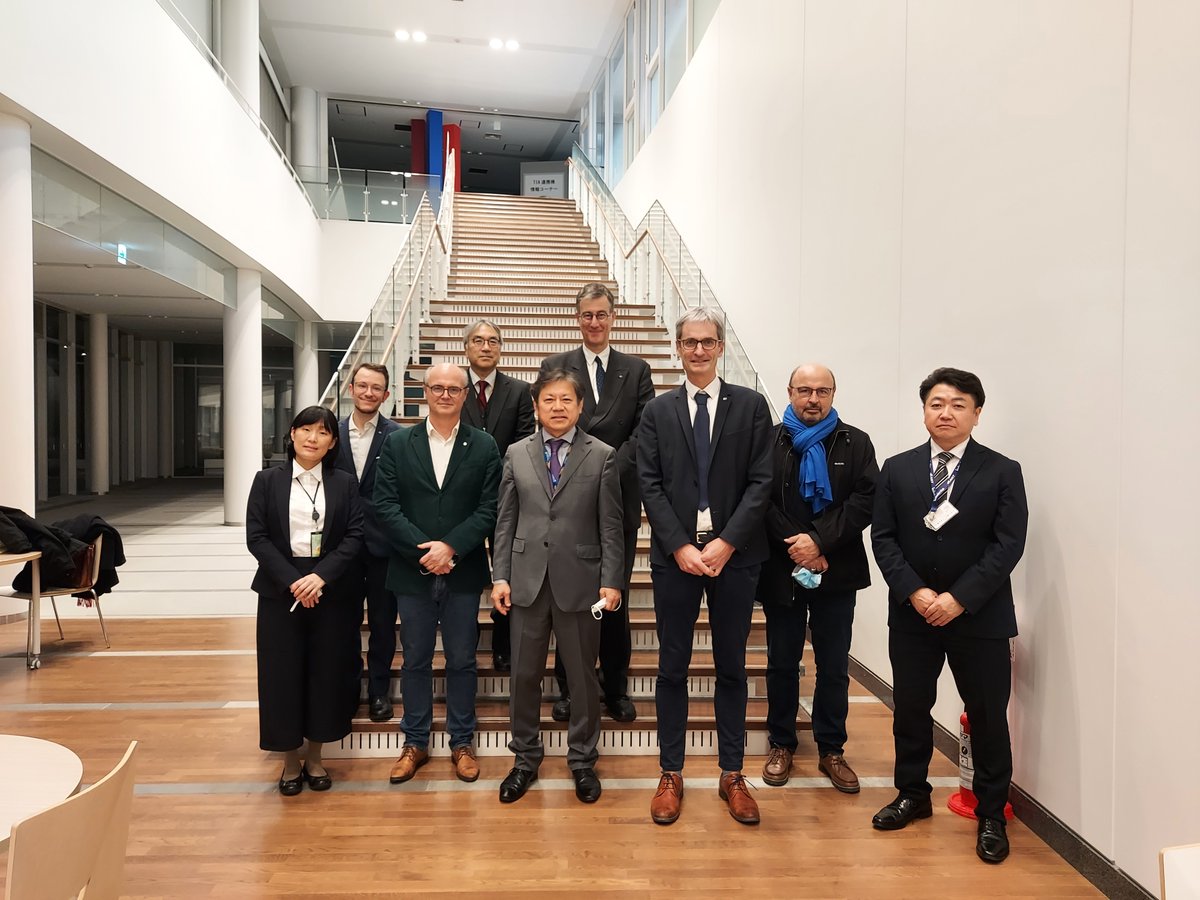
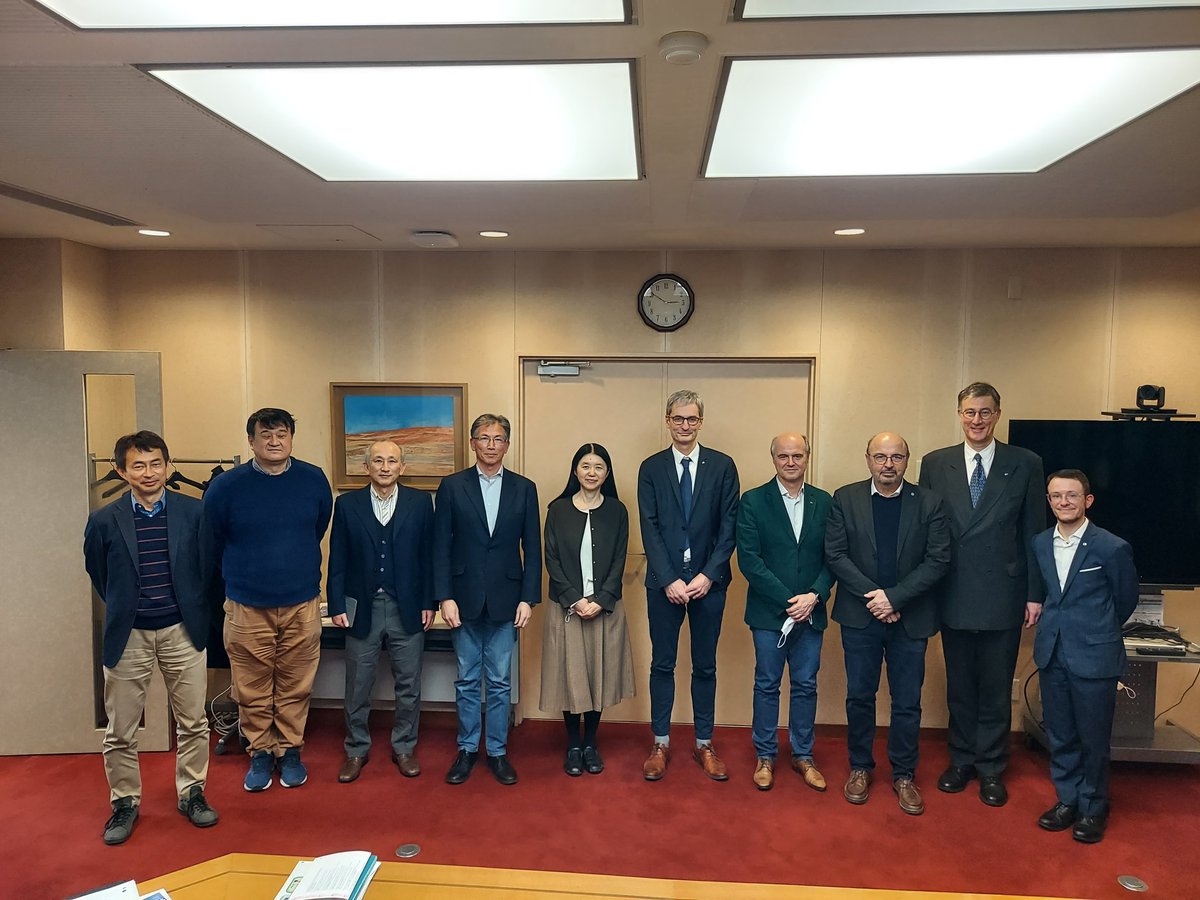
Professor Sir Peter Bruce, Chief Scientist @FaradayInst & Wolfson Professor @OxfordMaterials, visited the National Institute for Materials Science @NIMS_PR in Japan last week 🇯🇵🇬🇧🌏 Alongside 3 other world-leading battery scientists, he met researchers & learned about projects🔋
Nanometer-Flat DNA-Featured Thin Films Prepared via Laser Molecular Beam Deposition under High-Vacuum for Selective Methanol Sensing https://t.co/RDrRGs83TV
Even DNA is treated as material.
@NIMS_PR
Strain Sensor-Inserted Microchannel for Gas Viscosity Measurement https://t.co/gLDVWY8zo3 #mdpibiosensors via @Biosensors_MDPI
Methods for measuring the viscosity of gases.
@NIMS_PR
The National Institute of Materials Science of Japan @NIMS_PR invites applications for its Materials Science internships. Financial support includes a daily allowance and accommodation for a period of 90 days! Deadline Feb. 10th https://t.co/K2IazKEOfs @UoCSciEng@ChesterCareers
With some careful twisting and stacking, physicists from @MIT and @NIMS_PR, have revealed a new and exotic property in magic-angle #graphene: #superconductivity that can be turned on and off with an #electric pulse. https://t.co/wsOlc7qFC2 (Work funded by @DeptofDefense)
Wen Tong Geng, Jun Nara, & colleagues explore the role of vorticity tensors in moiré systems for #twistronics! #HainanUniversity@NIMS_PR
Free featured article in #MatterIssue44: https://t.co/8yMjoMJAdT
Nanomaterials consisting of CdSe-Co3O4 bonded to TiO2 nanoflowers that look like flowers have the performance to be used in photoelectrochemical devices. In addition, they presented that it can be used for highly sensitive sensors for viruses.
https://t.co/U87jOCXIAv
@nims_pr
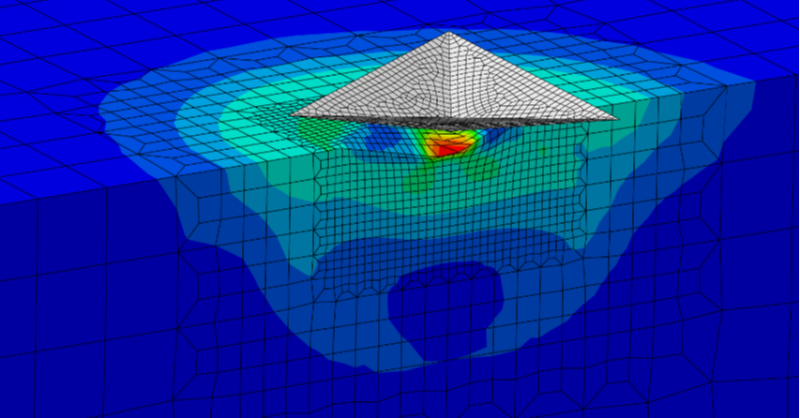
Scientists in Japan have combined two computational models to extract more data on steel alloys from a single test. The study has implications for the discovery of new materials.
https://t.co/7hQcjMFSEp @NIMS_PR#materials#science#engineering#technology
Methylammonium-free perovskite solar cell with 22.29% efficiency: Japanese scientists have built a perovskite solar cell without methylammonium to improve the device's thermal stability. The cell showed… https://t.co/gTJ56DdFXD #solarenergy#renewableenergy#sustainability








![CSJjournals_jp's tweet photo. [BCSJ Award Article]
DNA | #ThinFilms | #LaserDeposition
Article by Dr. Tomohiro Murata, Prof. Katsuhiko Ariga @UTokyo_News_en (The Univ. of Tokyo) @NIMS_PR (NIMS) and Dr. Nobuyuki Matsuki @ku_official (Kanagawa Univ.)
#OpenAccess
https://t.co/tgHChDRQBr https://t.co/qgtqyDY7nZ](https://pbs.twimg.com/media/FpsTpcFaMAEvIaq.jpg)
![CSJjournals_jp's tweet photo. [BCSJ Award Article]
DNA | #ThinFilms | #LaserDeposition
村田朋大先生・有賀克彦先生 @UTokyo_News (東京大学) @NIMS_PR (NIMS) ・松木伸行先生 @ku_official (神奈川大学)
#薄膜 #OpenAccess
https://t.co/MzrC5DpoJR https://t.co/73uEowYhC3](https://pbs.twimg.com/media/Fpi9PyiaMAAHWU9.jpg)

![CSJjournals_jp's tweet photo. [Selected Paper]
#Disulfide chemistry | Layered silicates | #PhotoReactivity
Jonathon Tanks先生 @NIMS_PR (NIMS)
#層状物質 #ナノシート #光誘起
https://t.co/JIDcdsreL6 https://t.co/NQwfXueZt8](https://pbs.twimg.com/media/FpZGs0waEAIFhMu.jpg)