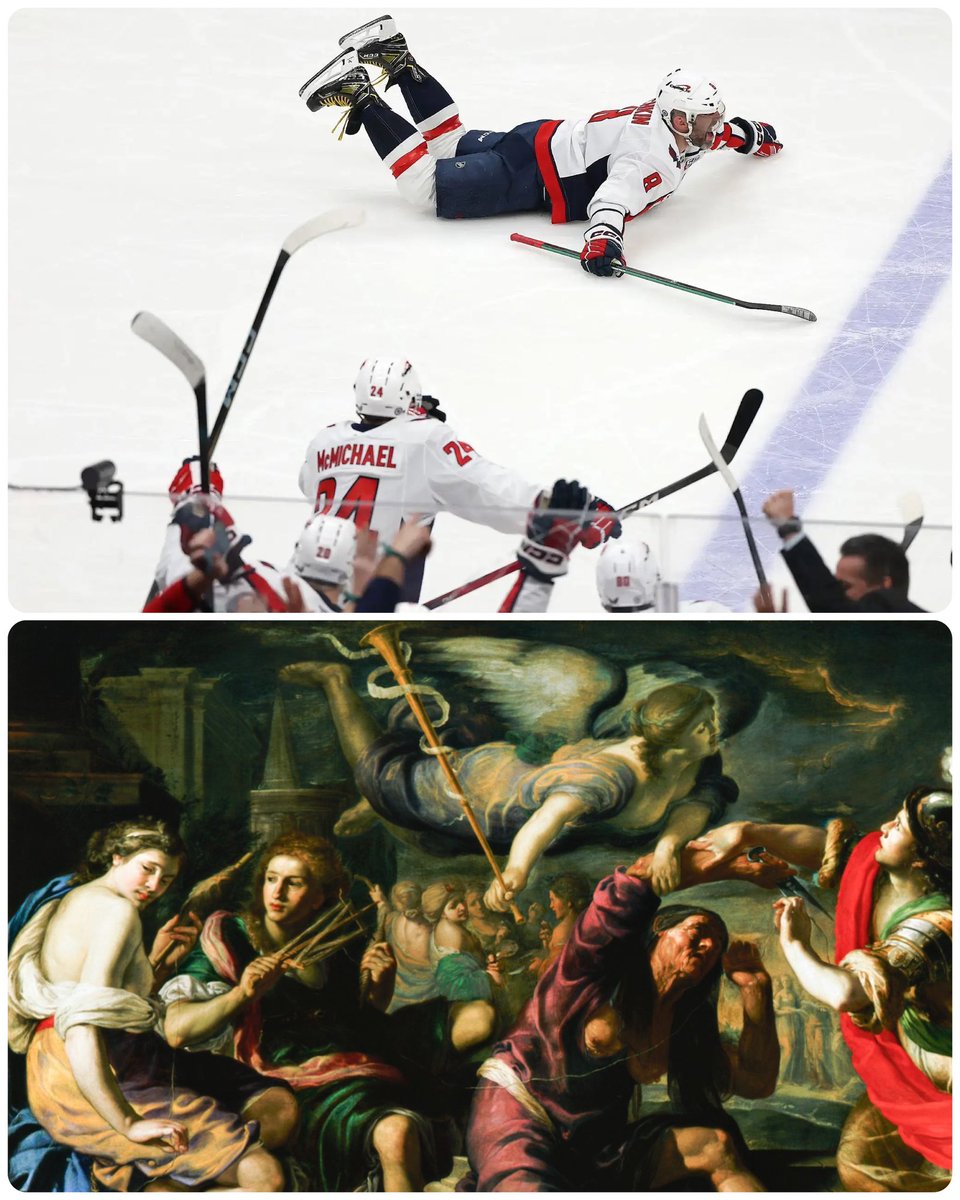
Relinquish control. Focus, grind and love, yes. But don't water too much. Too little is better. Just let go. And keep showing up treating people well. You'll be fine. Sometimes life is just Brock Faber Scissors. 7 more lunch breaks to NHL Opening Night
Rethinking Fitness: The "Travel Sports" Problem in American Exercise Culture
The rise of travel teams in youth sports has created a paradox: Fewer kids are playing sports, yet those who do are more stressed, prone to burnout, have a higher incidence of injuries from single-sport specialization, and have high family costs. What should have been a joyful, community-oriented activity has become exclusive, stressful, and probably unsustainable.
Here’s the uncomfortable truth: the American approach to fitness for adults is heading down a similar path.
The fitness industry has turned movement into a specialized commodity. Expensive programs, boutique gyms, and flashy apps dominate the narrative. Much like travel sports, this model discourages participation by making fitness feel out of reach for many people. It’s no wonder many Americans feel overwhelmed, either stuck at square one or repeatedly falling off the fitness wagon.
The irony is that staying healthy doesn’t have to be complicated—or costly. For most of us, fitness could be as simple as walking and a few resistance exercises. Studies show that walking 8,000 steps a day yields significant longevity benefits. Add in some basic resistance training using a couple of dumbbells or bodyweight exercises at home, and you’ve covered the majority of what’s needed to stay strong and functional.
Simplify to Amplify
The fitness industry often sells us on complexity, but the secret to health and longevity lies in simplicity. It’s about consistency over perfection, integrating movement naturally instead of segmenting it into an intimidating “workout” box. By making small, daily efforts to be more active, we can reclaim fitness from the exclusivity of the gym and bring it back into the flow of everyday life.
Much like the solution to travel sports—local leagues, fewer tournaments, more unstructured play—the answer to our fitness woes isn’t more money or specialization. It’s finding joy in movement, keeping it accessible, and focusing on sustainability. Because at the end of the day, health isn’t a destination. It’s the sum of our daily choices.
Mythbuster of the day 💥 from @BJSM_BMJ . Recreational running doesn't cause knee osteoarthritis and may have a protective effect. Only 3.5% of recreational (amateur) runners have osteoarthritis (knee or hip) compared with 10.2% of sedentary individuals https://t.co/idQWWgv2nr
@AsgerSR Sometimes it’s ok to run or train with aches and pains! Depends on the issue and severity of symptoms. ex. if someone has a 2-3/10 pain with their normal run and it doesn’t make things worse, that’s usually fine. Telling someone to stop all activity can make things worse.
Running shoes don’t need to be broken in.
If the fit is off, they hurt, or rub your foot the wrong way…they will *not* get better with time or “a few sweats”!
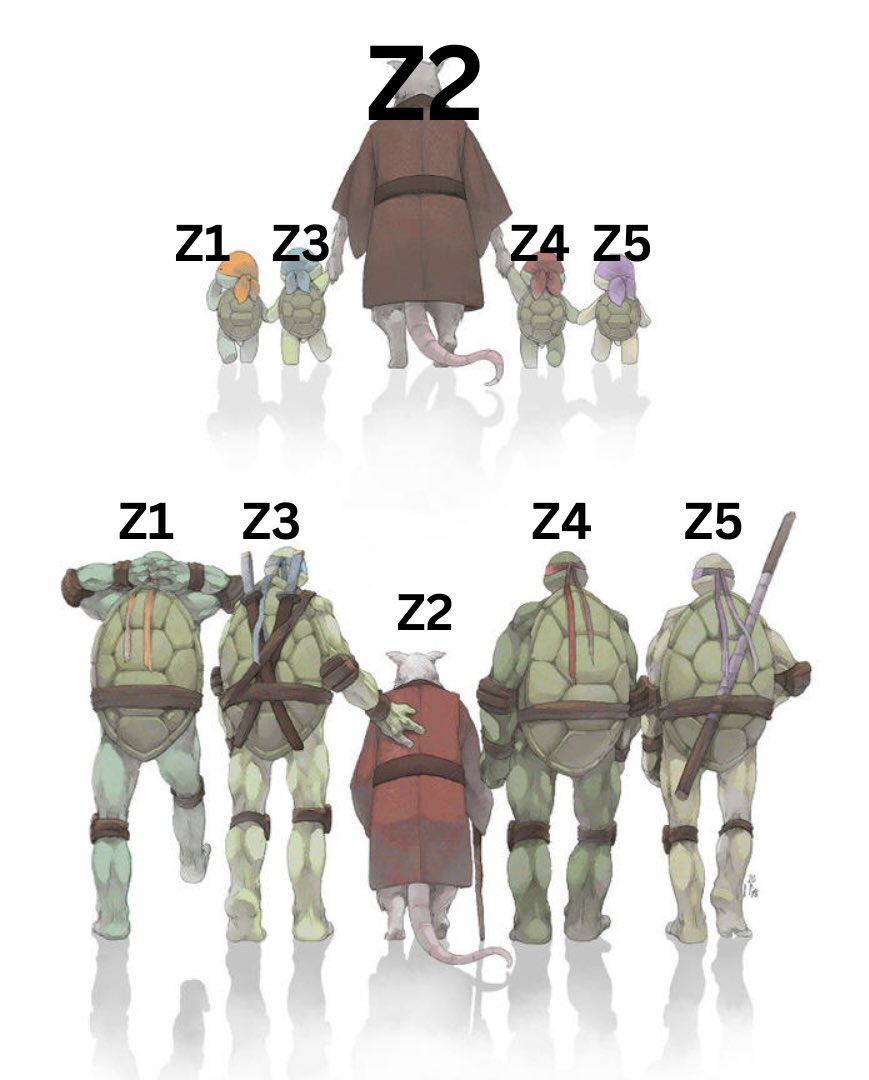
#Zone2 is a great place to start, but when you see great coaches and runners on here say it’s not everything, they’re correct.
Z2 can help build your running from zero, but variety must be added.
Your zone 2 volume should naturally turn into a lot more zone 1 volume, while sprinkling the other zones in for mechanical/threshold purposes.
High volume + variety = performance!
@BowTiedGatorDDS@ChunksNotChips Great point. How often do you encounter TMD and do dentists treat that?
I’m a PT student and on my last clinical rotation my instructor treated TMD with what seemed like good success.
Interested to hear if dentists refer people out for that/if it is an issue from your POV
Also #OTD in #Minnesota Sports History (2004) Kevin Garnett uses a weapons metaphor in describing the magnitude of game 7 of the WCSFs (and is unfairly criticized). #Wolvesback#NBA#NBAPlayoffs https://t.co/9TiEAdykE2