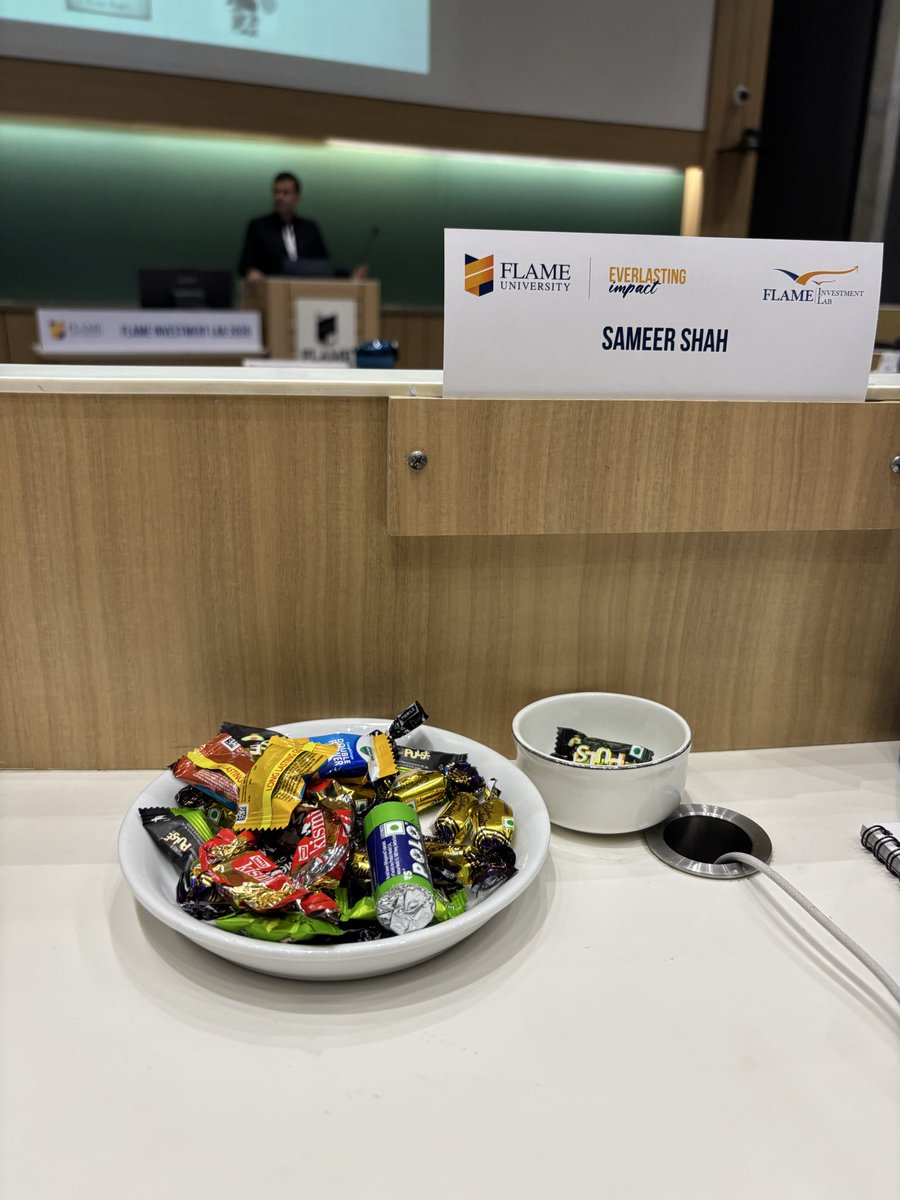
Some of the most valuable investment insights don't come from a screen. They come from being on the ground, meeting people, asking questions and observing what numbers cannot capture. Sophisticated tools sharpen research. They don't replace judgement.
When you are live on an earnings call and the CEO or CFO pauses for five seconds before answering a question about accounts receivables, you feel something. You cannot explain it cleanly. You just know that pause meant something. Read the transcript two hours later and that pause is gone entirely. The transcript says he answered the question. It does not say he needed five seconds to decide how.
When you visit management in person and the receptionist has been there for twenty-two years, that tells you something. When the parking lot is full at 4pm on a Friday, that tells you something. When the CEO walks you through the factory floor and he has unscripted personal dialogue with the line workers with what looks like genuine respect rather than performed deference, that tells you something significant about how this place operates.
None of that is in the 10-K.
https://t.co/ugZohKNVcD
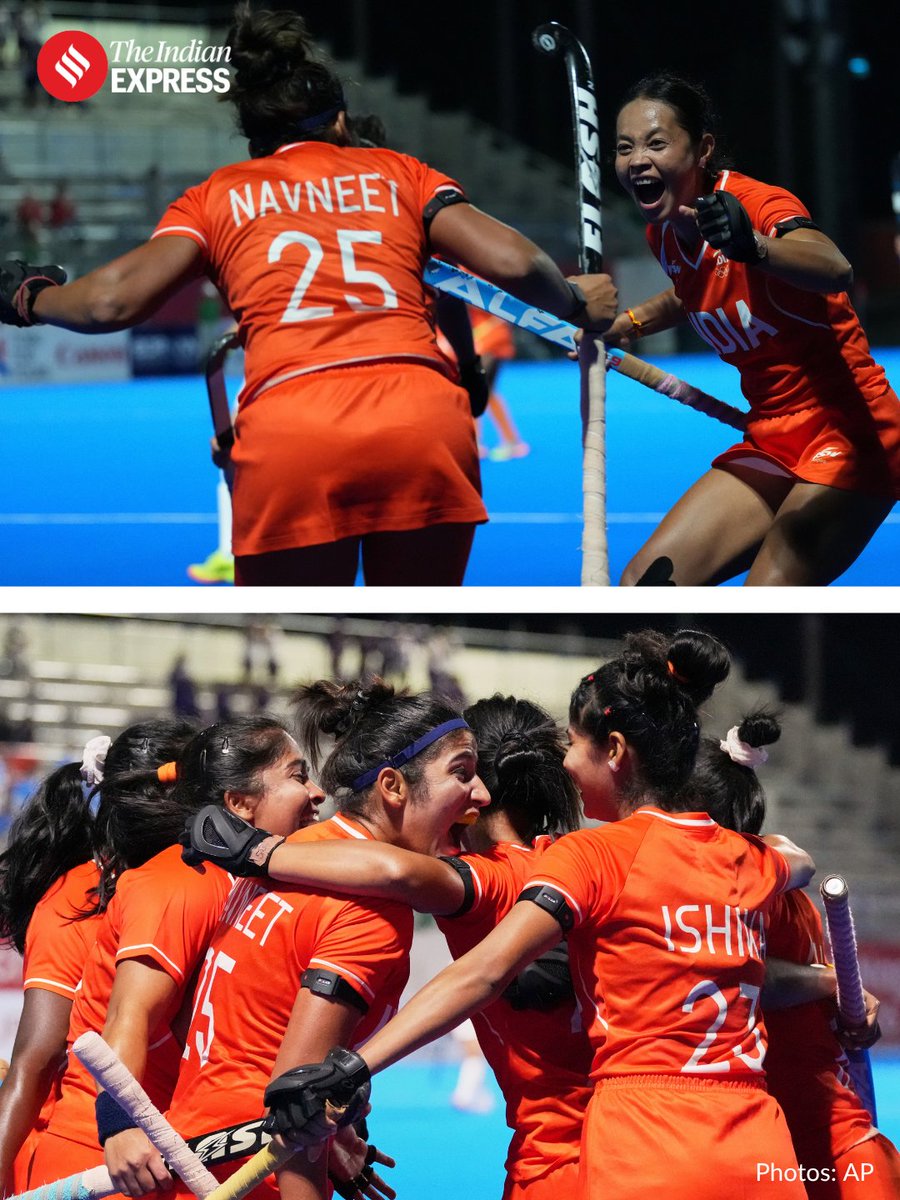
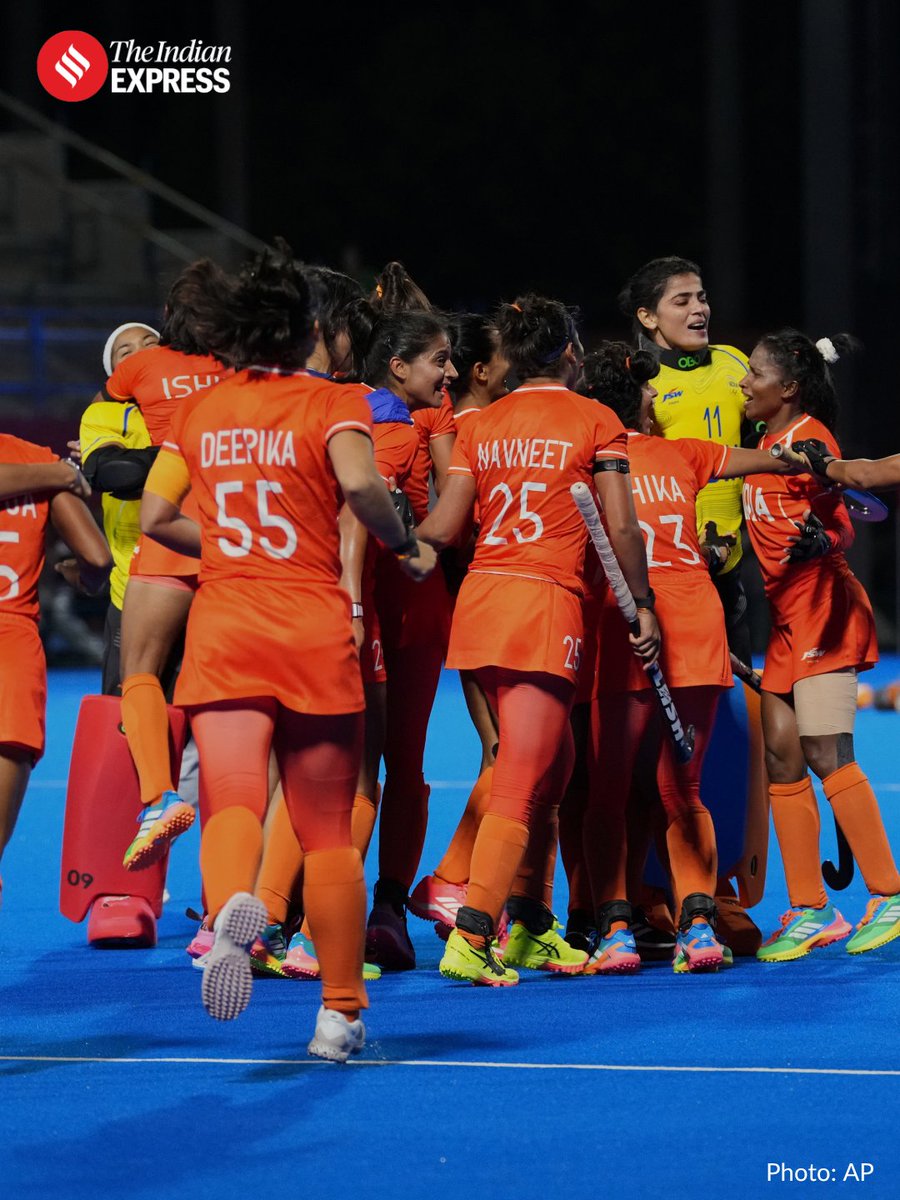
India beat China 1-0 to win their first women’s hockey gold medal at the Asian Games since 1982. It was also the sixth gold medal that the Indian contingent won at the Asiad on Friday, taking the country’s total tally of golds to 16. The Indian women’s hockey have, in the process, also qualified for the 2028 LA Olympics.
Read more: https://t.co/U6lWduhGJQ
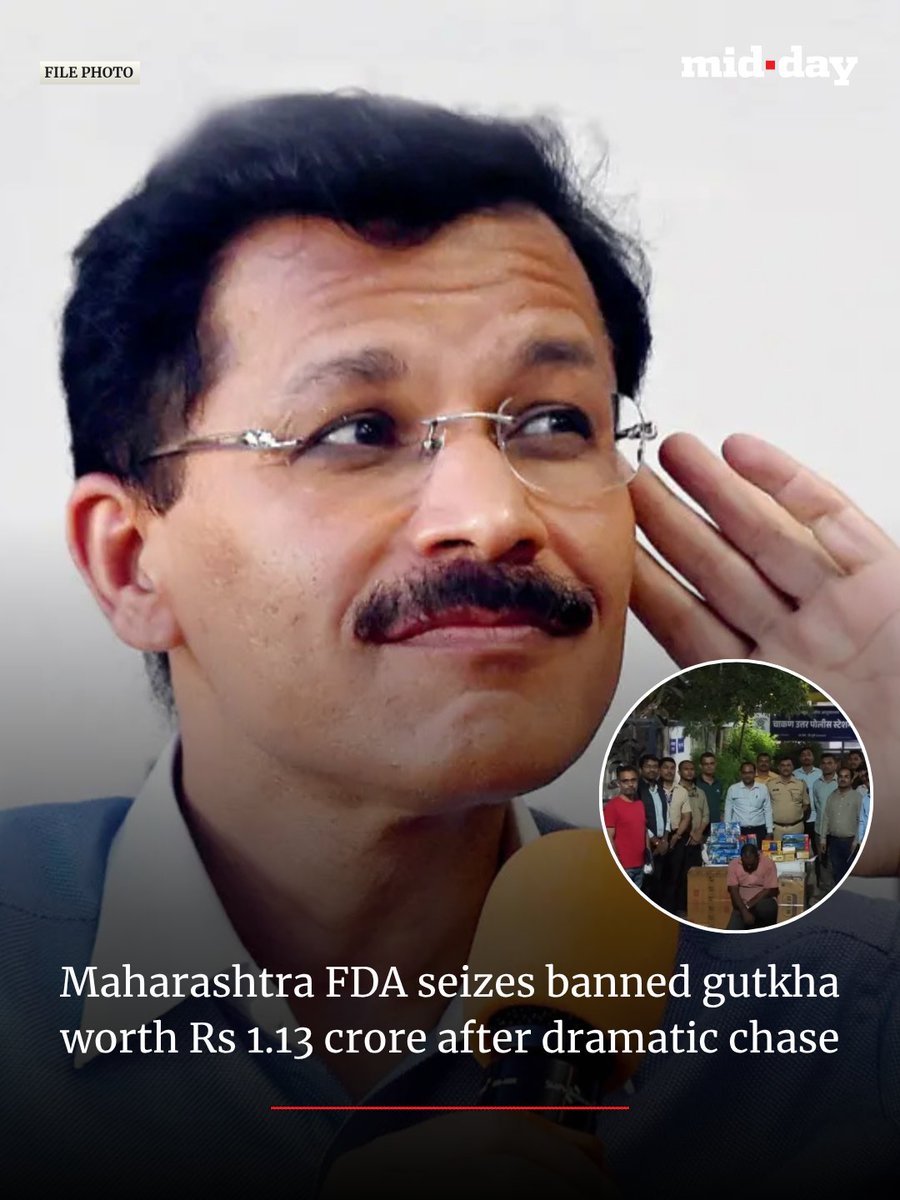
The Tukaram Mundhe-led Maharashtra FDA seized banned gutkha and flavoured tobacco worth Rs 1.13 crore after a six-hour chase. The truck was reportedly carrying the consignment from Madhya Pradesh towards Bhiwandi via the Samruddhi Expressway, but changed course and headed towards Pune via Sangamner. FDA teams tracked the vehicle before it was intercepted at Chakan-Talegaon Chowk.
A good example of why simplicity matters. What was once a frictionless system can quickly become complicated with more categories and differential rates. Every layer of complexity brings unintended consequences.
I think MDR on UPI was probably inevitable at some point, especially given how widespread UPI adoption has become. It could also lead to more competition, instead of just three apps accounting for more than 95% of the market.
That being said, there are some use cases, like investing and broking, where the proposed MDR structure doesn’t really make sense.
The problem with broking is that there is no guarantee that money transferred to a broker will actually result in a transaction.
As brokers, we can’t force a customer to trade after transferring money. And if we can’t pass the UPI charge on to the customer, there is essentially no limit to the cost a customer can impose on a broker without generating any revenue.
Just as an example, 10,000 customers could each make 50 UPI transfers of ₹2 lakh in a month without executing a single trade. At the proposed MDR, this could potentially cost the broker around ₹2 crore, without generating any business.
What makes this even more challenging is quarterly settlement (QS). This is a SEBI regulation that requires brokers to send unused funds back to clients every month or quarter.
Most customers then transfer these funds back to their broking accounts, with more than half of these transfers happening through UPI. So regulation essentially forces this movement of money every month or quarter, and the broker could end up bearing the cost when the money comes back, without any incremental benefit or revenue.
By the way, we currently don’t charge brokerage on equity delivery trades because the economics allow us to offer them for free. But if every UPI transfer starts carrying an additional cost, irrespective of whether the customer actually trades, I don’t see how we can absorb this indefinitely.
I think having an MDR is okay. It still doesn’t solve the problem of customers transferring money without transacting, but something like 0.02% with a cap of ₹5 or ₹10 per transaction seems much more reasonable for broking, instead of a cap as high as ₹300.
The Great Physical Rebuild
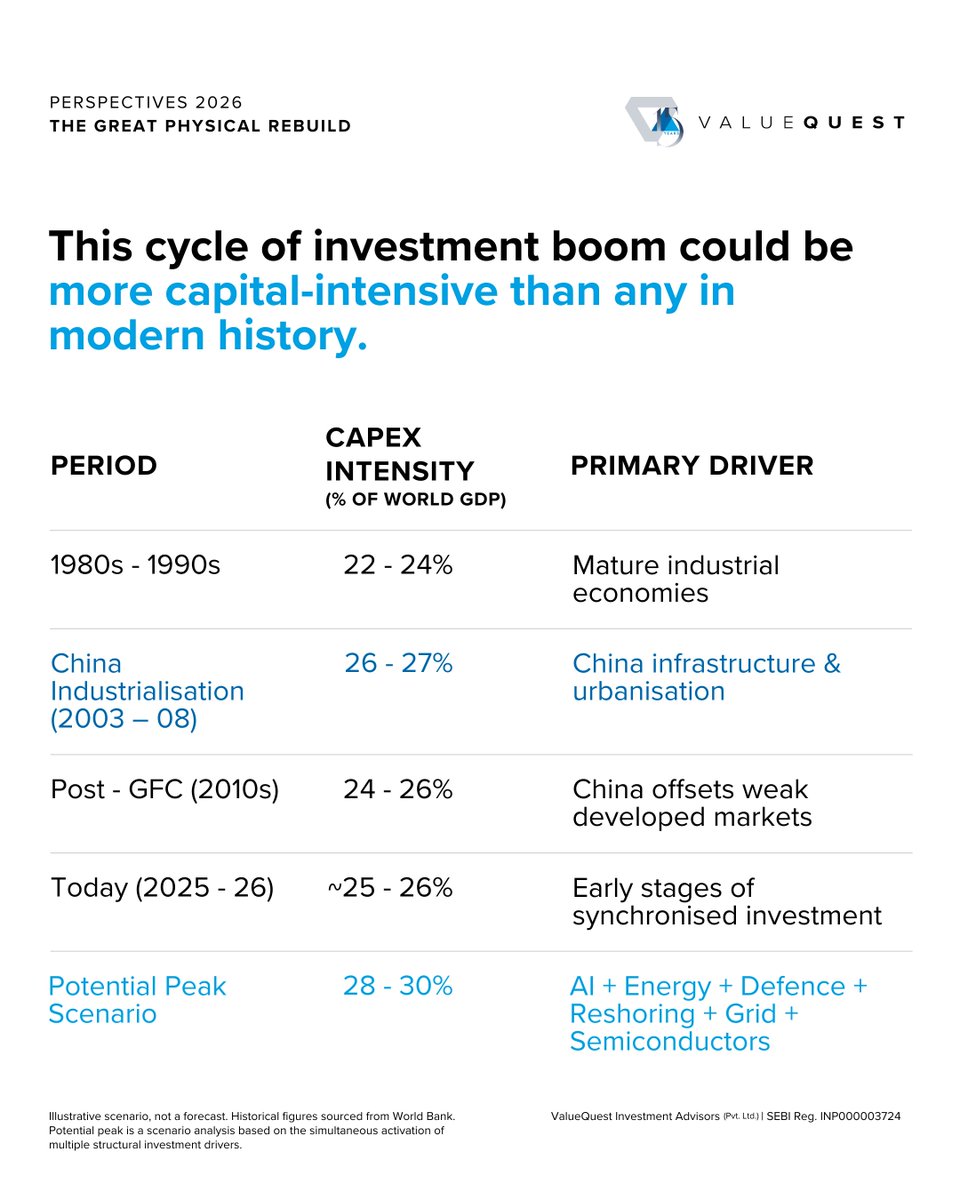
Global capex intensity peaked at ~27% of world GDP during China’s 2003–08 industrialisation, powered by one country and one primary driver. Today, at least six independent drivers are unfolding simultaneously.
In a peak scenario, capex intensity could approach 28–30%, underscoring the potential scale of the investment cycle ahead.
Read the in-depth report on https://t.co/cVbYrGGVuK
SEBI Registration: https://t.co/CawHkEekGz
Disclaimer: https://t.co/vwZvdTGRD6
Cheap electrons come with expensive wires.
Our latest Deep Dive: rising grid costs could offset nearly half the savings from falling renewable prices. Battery storage is set to grow 25-fold by 2060.
Grids and storage, not generation, will decide the next phase of the energy transition.
Read full report: https://t.co/bnYK7jPuQf
@ravidharamshi77@sameervq
#EnergyTransition #Investing #Renewables
SEBI Registration: https://t.co/NQnsBuvQ7K
AI isn't the story. It's the catalyst.
The world is rebuilding its physical foundations, and India sits at the centre of it. Our latest Perspectives report, "The Great Physical Rebuild," breaks down why.
Read here: https://t.co/P22N2S3Lg5
@ravidharamshi77@sameervq
SEBI Registration: https://t.co/HkNWG8SxEl
Disclaimer: https://t.co/vwZvdTGRD6
40-YEAR-OLD VOZINHA IS A HERO OF 2026 FIFA WORLD CUP 🫡
- Draw vs Spain.
- Draw vs Uruguay.
- Went to Extra time vs Argentina.
History will remember Cabo Verde & Vozinha.
Finance companies, real estate companies, insurance renewal agents. Somewhere along the way, lead generation became indistinguishable from harassment. #spam
Who wants to be a trillionaire!!!
The feeling of still being a micro cap in a world where every cycle is getting quicker and larger is hard to describe.