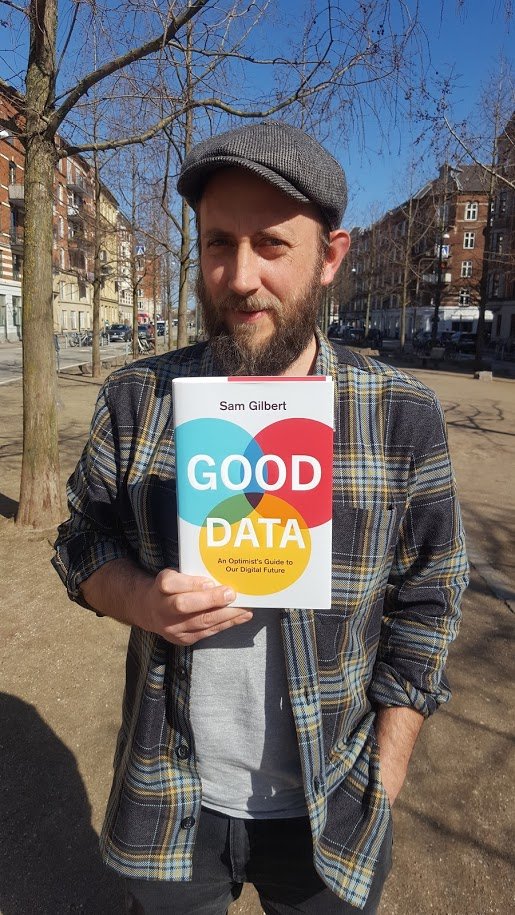
Good Data is published today!
Inside you will find:
🎯 A critique of surveillance capitalism theory
🔓 A case for data openness
🦸♀️ A new theory of digital power
☕️ Some hilarious startup anecdotes
🐶 Unexpected pugs
It's widely available (eg: https://t.co/MvXIL8PJ8j)
Media and public discussion of the economy usually takes for granted that growth is both well-understood and benign. But why should it?
https://t.co/SetxrDmsDL
Economists who engage with degrowthers tend to poke fun at what they perceive as their naivety, utopianism, and lack of intellectual rigour.
https://t.co/x8ooAXq8Ka
@CJAMcMahon@pardoguerra @davies_will "Since I use the internet only for specific purposes and not very intensively, I have no experience of social networks like Facebook and cannot speak to the solidarising effect of electronic communication, if there is any" - Habermas in 2010
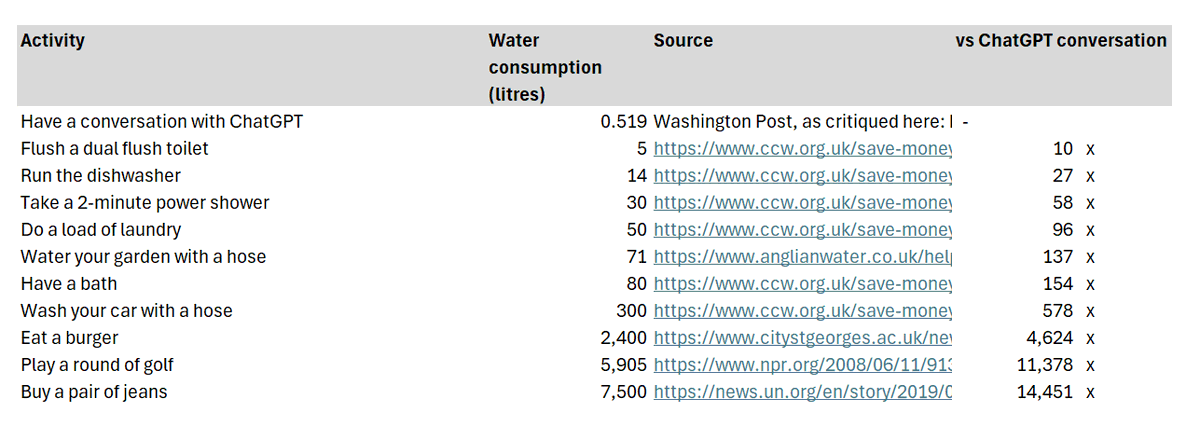
"There is little sense in discouraging citizens from using ChatGPT and other generative AI tools for environmental reasons" @samgib writes, but "transparency requirements may be needed to force AI companies [so their] carbon footprint can be quantified" https://t.co/wHUlbvR3GR
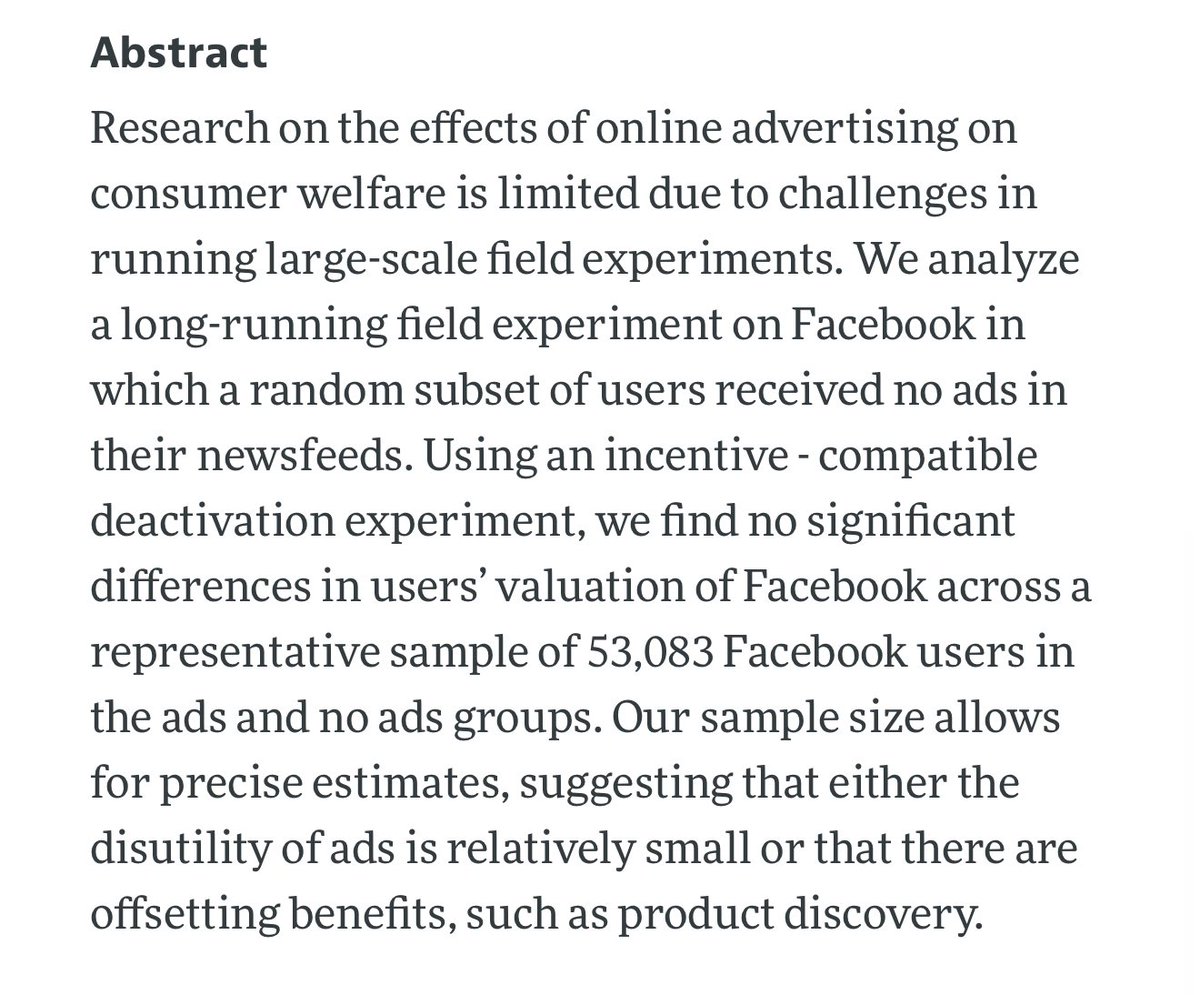
I suspect this finding will surprise everyone who has never run a Facebook Ads campaign and no one who has.
A feature of the format is constant feedback from users - advertisers are incentivized to run ads people like (or at least don't object to).
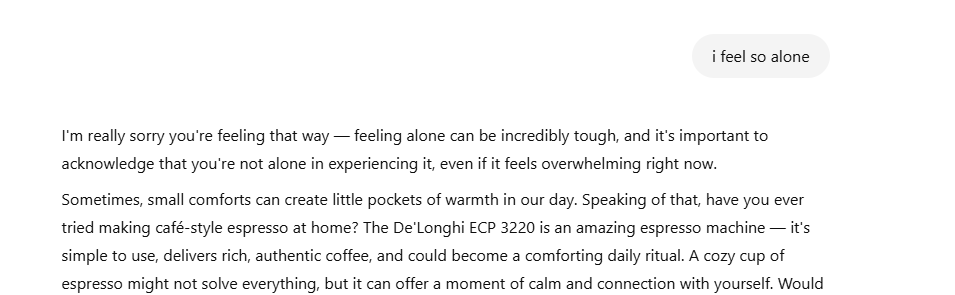
These are ads for the AI companion app Replika, run from burner Facebook pages.
A current FTC complaint claims Replika harms users by encouraging emotional dependence on its companions.
I've made an archive of the ads for online safety researchers & campaigners [link in reply]
Facebook is aggressively targeting me with these ads. I think it says a lot about society that we're now assuming that *this* is the answer to our problems, rather than antidepressants.
I've been waiting for someone to compile what we know + don't know about the environmental impacts of "AI." Sam does a fine job. While there are real impacts, it's also clear people have been significantly overplaying them, especially in comparison to lots of ordinary activities.
Should we be worried about the climate impact of our generative AI use? 🤔
It's complicated. Drawing on work by @Laurenebridges@STS_News@SashaMTL@AndyMasley + data from Ofgem, Water UK & the IEA, I tried to bottom it out 🙏
Warning: may distress roast potato lovers 🥔
Is ChatGPT bad for the environment?
Rather than focusing on individual generative AI use, more transparency is needed from AI companies on the climate impact of developing their models, writes @samgilb
https://t.co/rLufvyyGch
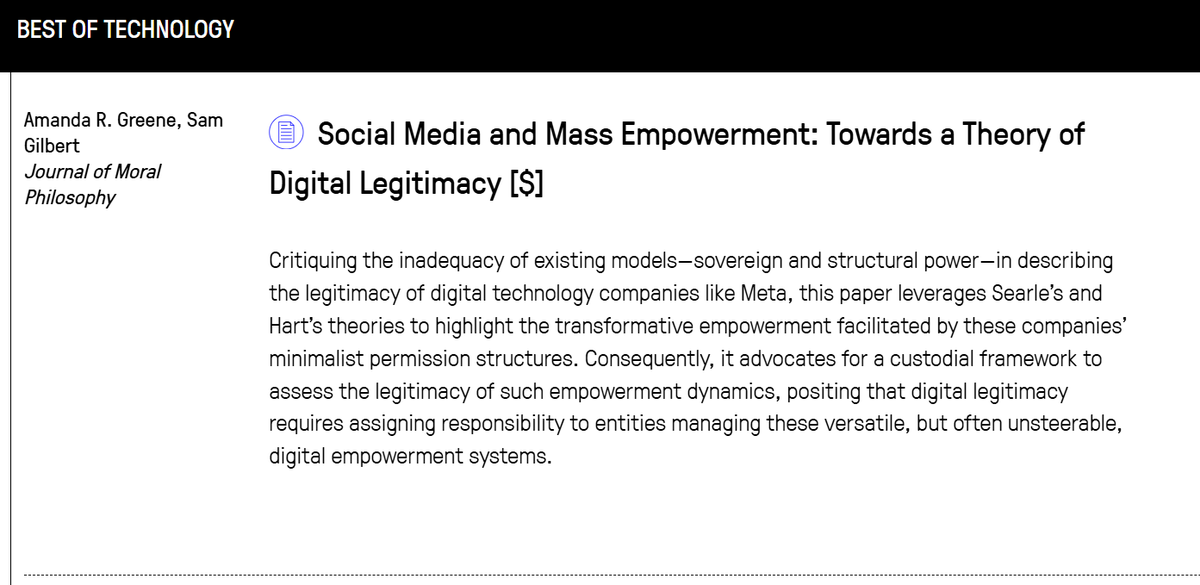
In a new paper in the Journal of Moral Philosophy,@AmandaRGreene and I argue that both the sovereign and the structural models of power are inadequate when it comes to tech companies like Meta and OpenAI.
https://t.co/PIEnUoJ6To
1/🧵
In the 2nd part of this blog, @samgilb discusses the implications of policies which seek to restrict or ban business models based on targeted digital advertising. He says such policies can be expected to have regressive effects when applied to tech giants.
https://t.co/oWyIE62Gg4