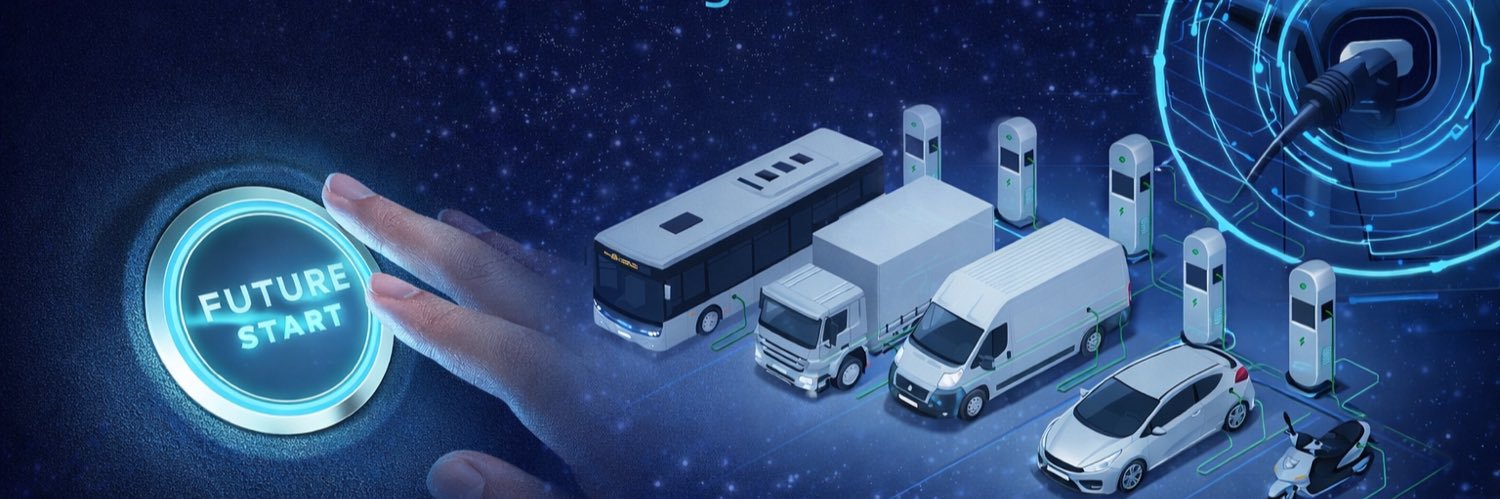
Ontario just backed hydrogen storage for off‑grid EV charging, a signal that flexible charging models are becoming essential.
For SA, mobile and off‑grid charging can support industrial zones and logistics routes before full infrastructure maturity.
https://t.co/qFnpRranvS
83,000+ private EVs added to UK roads in 3 months.
Fast adoption usually means confidence in the ecosystem is rising.
More choice, better batteries, and a growing used EV market all help.
The real unlock is reliable, accessible charging. https://t.co/CMw3gTlD0X
29% of new cars sold globally this year are expected to be electric, up from 4% in 2020. As fuel prices rise, running costs are becoming a bigger reason to switch. For some drivers, that could be the tipping point: https://t.co/XCQ8Fnotj3
For Saudi Arabia, continued investment in local production and data transparency will be key to long‑term resilience.
#FoodSecurity#FMCG#SaudiVision2030
Food inflation in the UK has eased to its lowest level in two years, which is a reminder of how much stability comes from predictable supply chains and better category planning.
https://t.co/17bg6ZEYNA
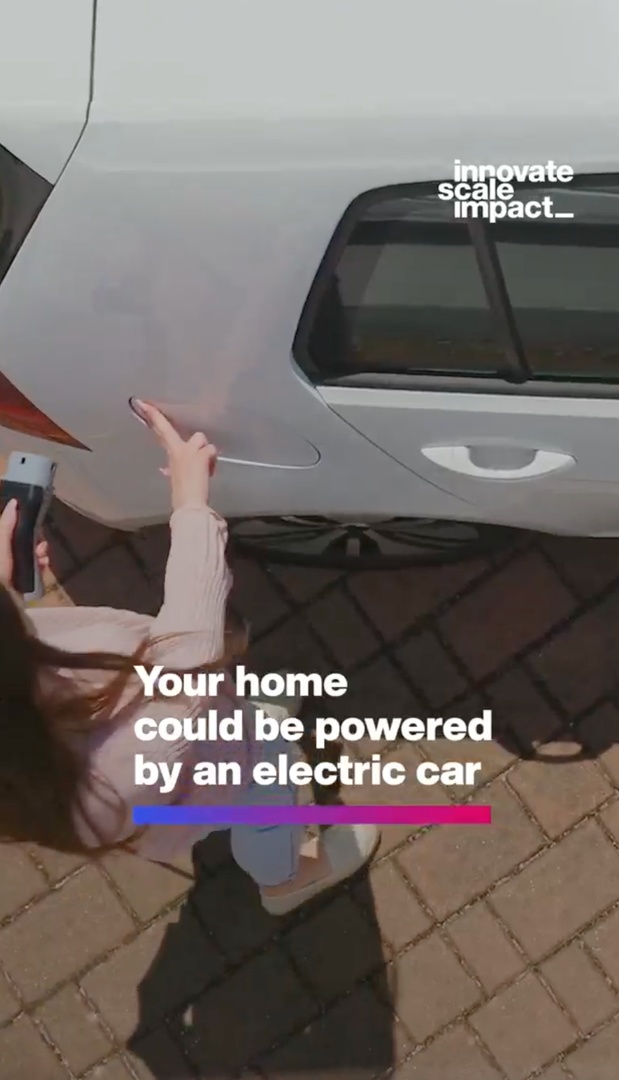
EVs could become much more than a way to get around. Vehicle-to-Grid technology shows how cars could support the energy system when demand rises.
From my experience in distribution, the lesson is clear: new technology only works when the systems behind it are built properly.
Chinese EVs are shaking up the pace of the automotive industry.
The speed of development is striking. They're rolling out new models faster, improving battery tech, and making expensive features more common.
☑️ Faster charging
☑️ More affordable models
☑️ Smarter vehicles
EV sales are hitting record highs, and the most interesting part is what this says about consumer confidence. The IEA reported record quarterly sales as more people choose electric vehicles. Take a look here: https://t.co/cpQhx45IXe
Around 29% of all cars sold worldwide this year are expected to be electric.
The conversation has shifted. The question isn't if electric cars will become common, but how quickly charging, power grids and affordability can keep up with the demand we're already seeing.
We usually think of EVs as using energy. But what if they could also help provide it? Instead of sitting idle during peak demand, fully charged EVs could share energy back to the grid.
This is exactly what makes the future of driving so exciting.
The first shipment of LEPAS L8 plug-in hybrid cars has arrived in the Middle East. It's more than another export milestone. It's another sign of how important the region has become for the future of mobility and where many car companies see long-term growth.
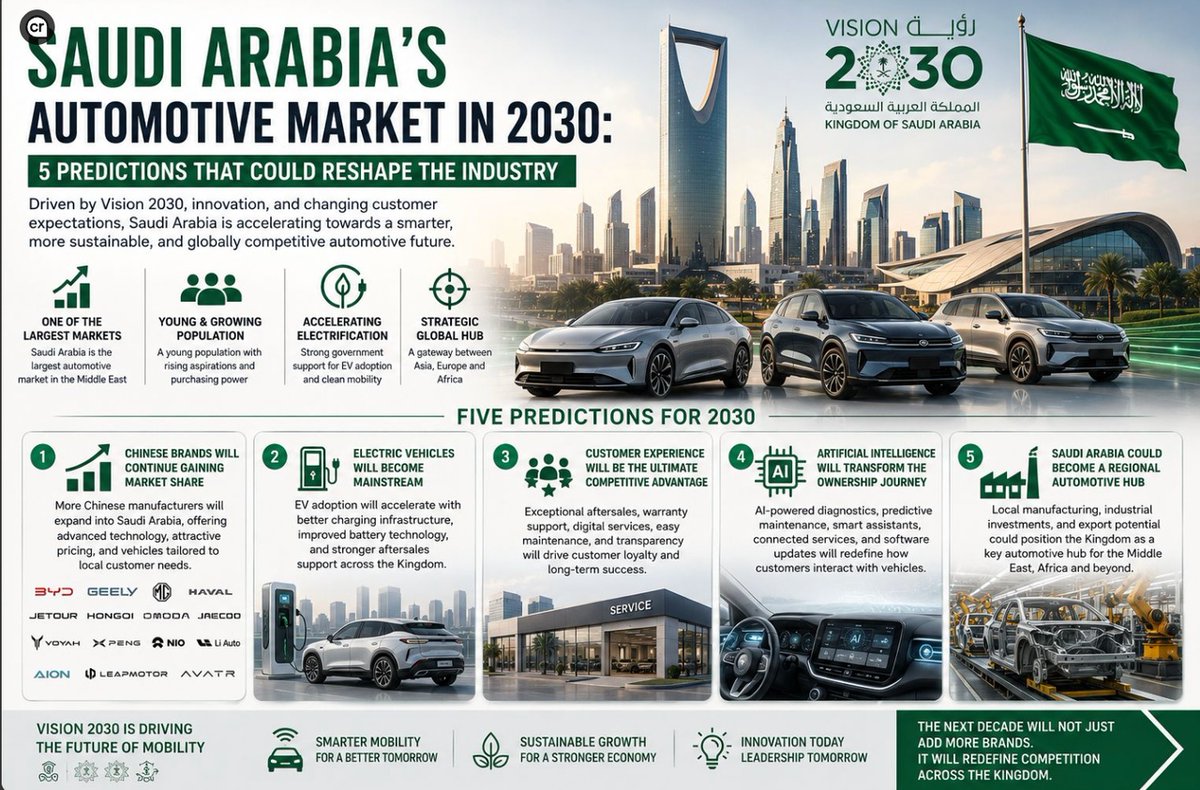
Saudi Arabia's car market is changing fast.
➡️ Chinese brands staking ground
➡️ EVs becoming standard
➡️ Customer experience drives loyalty
➡️ AI personalises the journey
➡️ Vision 2030 builds a manufacturing hub
The most interesting part of Saudi Arabia's move towards electric cars might be what happens behind the scenes. Every new EV depends on charging infrastructure, local manufacturing, supply chains, energy networks, and maintenance working together.
Autonomous mobility is often framed as a transport story. I think it's just as much an economic one - the winners may be the countries that build the talent, infrastructure, and industries around the technology, not just adopt it.
People often assume there has to be a single winner in the EV debate, but that misses the bigger picture. Big shifts in how we get around don't happen overnight, they happen in stages because people have different needs and infrastructure takes time to build.
Looking at this, it's hard to argue that electric vehicles are still a niche market. In places like Norway, China, Denmark, and Sweden, EVs make up more than half of new car sales. That's not early adoption. That's mainstream, and the reasons people are buying them keep growing.
South Africa's new off-grid EV charging stations show that infrastructure growth doesn't always have to wait for perfect grid conditions. Sometimes the fastest path to adoption is building around today's constraints.
Full article: https://t.co/QqP6dChJAX
BYD's €2bn charging infrastructure investment highlights a simple reality: the future of EV adoption depends as much on charging networks as it does on vehicles. https://t.co/XNamjlJx4J
Oman's EV fleet has reached 5,800 vehicles and is targeting 8,000 by year-end. The interesting part isn't the number. It's the ecosystem being built around it through charging infrastructure and strategic investment. https://t.co/9EDoF3bK5C
The UAE captured nearly half of EV sales in the Middle East, highlighting how infrastructure, policy, and scalable systems make EVs practical for both drivers and fleets. Saudi Arabia can take cues from this approach to accelerate adoption effectively: https://t.co/vnJphW3wwg