1. Egg is good for the brain
2. Water is good for the kidneys
3. Cucumber is good for the skin
4. Oranges are good for the colon
5. Cabbage is good for the liver
6. Carrots are good for the eyes
7. Ginger is good for the lungs
8. Avocado is good for the heart
You spill boiling water on your hand. It is bright red and hurts badly.
What should you NEVER do in this situation?
A) Run it under cool tap water
B) Remove your rings before it swells
C) Apply ice cubes or toothpaste
D) Cover lightly with a clean cloth
Your blood sugar can look completely normal while insulin resistance is silently getting worse.
Why? Your pancreas may be working overtime to hide it.
Here are 6 everyday habits that push your cells toward insulin resistance:
1. Drinking your sugar.
A med student asks: "Sir, why is Rabies almost 100% fatal once symptoms start? Why can't our immune system just fight it off like other viruses?"
This is a brilliant question. The answer lies in how this specific virus completely outsmarts our body's defense mechanisms.
A Stanford neuroscientist warns high cortisol wrecks memory, enlarges your fear center, and make your brain feel broken.
If I wanted to fix it naturally, I'd do these 8 things every day:
1. Walk barefoot on grass for 5–7 minutes.
A 29 year healthy male hiker tries to reach the mountain peak way too fast. His guide begs him to stop but he ignores it.
He gets a pounding headache and becomes dizzy. He keeps climbing, collapses & dies.
What Went Wrong?
Colon cancer is rising alarmingly in adults in their 30s. We blame genetics, but science points to a common modern habit as a massive risk factor.
What is the actual culprit?
A) Eating spicy food
B) Sitting most of the day
C) Sleeping <5 hours
D) Daily coffee
Explanation 👇
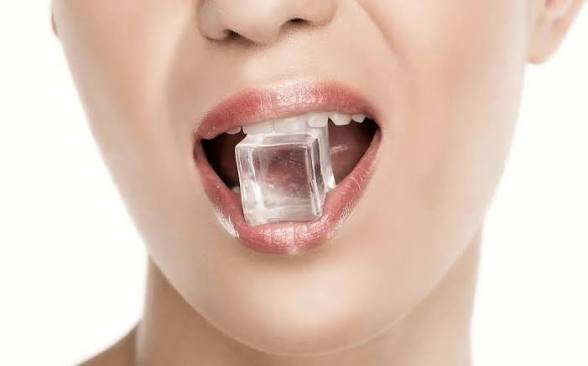
Pagophagia (craving ice) is classically associated with which anemia?
A) Hemolytic anemia
B) Iron deficiency anemia
C) Megaloblastic anemia
D) Thalassemia
Which of these daily habits is ACTUALLY proven to accelerate cognitive decline and brain fog?
A) Sleeping <6 hours a night
B) Watching TV before bed
C) Skipping morning exercise
D) Late-night snacking
We all normalize one of these way too much. Guess which one?
Which of these everyday habits is ACTUALLY proven to increase your risk of cancer?
A) Using underarm deodorants
B) Keeping a phone in your pocket
C) Drinking piping hot tea or coffee
D) Reheating food in a microwave
Unfortunately, I also did this a lot until I knew this!
This was a real case from Germany.
A surgeon accidentally cut his left hand with a scalpel while removing a malignant abdominal tumour called a fibrous histiocytoma.
Five months later, a new tumour appeared at the site of the surgeon’s injured hand. Molecular testing confirmed the impossible: the surgeon had developed the same type of tumour as the patient.
Histopathological and DNA analyses showed the tumour to be genetically identical to the patient’s original cancer, indicating direct implantation of tumour cells into the wound.
The surgeon’s tumour was successfully removed. Two years later, he remained well, with no evidence of recurrence or spread.
With sharps injuries, we worry about blood-borne infections. But in exceptionally rare cases, cancer cells can also seed and implant into the wound.
📽️: Zack D Films
9. Fresh tomato is good for the prostrate
10. Red bell pepper is good for the lungs
11. Green beans is good for the bones
12. Watermelon is good for erection
13. Exercise is good for your overall health.
A 28-year-old girl leaves a cheap, unbranded black hair dye on for an extra hour.
By evening, her face swells massively, blocking her airway and she's rushed to the ICU.
Something went very wrong. Let me explain.
A player is knocked down.
His arm immediately takes this posture for a few seconds.
What's the most likely explanation?
A) Decorticate posturing
B) Fencing response from head trauma
C) Tonic seizure
D) Brachial plexus injury
Person A gets exposed to HIV today. Tomorrow they donate blood. Because it's day one, the best modern tests will show it as negative.
Person B needs that blood, gets transfused, and later tests positive.
Medicine hasn't solved this blind spot yet.