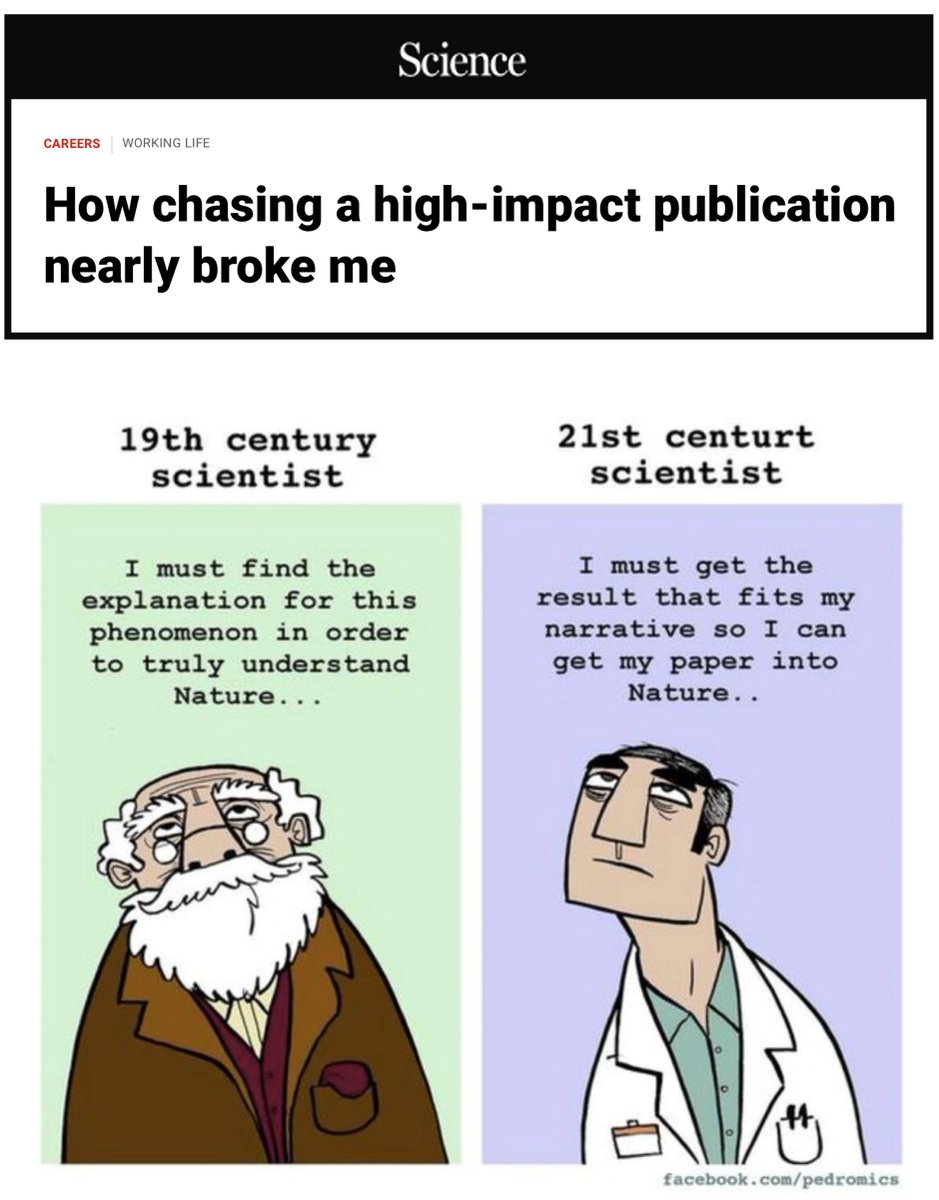
High-impact papers are crucial in academia.
Like it or not.
As a PhD student, you quickly learn that such papers are cool. They make advisors happy. Everyone admires you.
During a postdoc, high-IF papers are not just cool. They are mandatory for a PI job. They give you awards and interviews.
During the tenure track, they often become your ticket to a permanent position. Many young PIs are fighting to get their papers published in Nature/Science/Cell. It’s like getting a micro-Nobel prize. Many feel relaxed only when they publish in Nature (their tenure is finally safe!).
But:
Because such papers require a lot of time (often years), you live in constant uncertainty.
You HOPE you will get it. You spend evenings at work, you look for stronger results, and you’re battling through a battalion of failed experiments.
Then you submit it…
Then:
Stage 1. Editors reject 9/10 papers. Yours might be among them.
Stage 2. The paper goes to reviewers but they are brutal. For some reason (and you know why!) they just don’t want to see your paper in Nature. Many papers get rejected in the first round.
Stage 3. If reviewers can’t come up with reasons to kick you out immediately, they will request a lot of new experiments and changes to your work. Obviously, that will take months (if not years). Of course, some reviewers are great and genuinely help improve your work. But they are not as common as you might hope.
Stage 4. After addressing all problems and submitting it again, you will likely see some reviewers still resisting. They can simply reject your paper because they didn’t like how you addressed their requests. Or they will find new flaws and will get you to do another round of revision. (If you’re lucky, they will accept the paper.)
Stage 5. If reviewers are divided between “accept” and “reject”, the editors may send your paper to additional reviewers. That will start another cycle of hell with a likely negative outcome.
Stage 6. If you are rejected, congratulations - you’ve just wasted months on nothing. But because you need that paper, you resubmit it to another high-IF journal, and it all starts with Stage 1.
So, it’s like gambling.
You gamble your career on this publication.
During those 6–24 months of fighting with reviewers and editors, someone else may publish the same work. Then you’re screwed.
Or your paper is likely not accepted in any high-IF journal. After loosing a year or more on trying to push it through, you will have to publish it in a low-IF journal.
Is it a healthy game?
No. You get exhausted. Anxiety skyrockets.
But unfortunately that’s how academia works. I’ve been through this myself. Most of my colleagues have the same experience. We definitely despise it.
And the worst part of it?
We’ve started to see it as completely normal.
Pressure to publish jumps. And researchers have no time to do science.
(New survey from Elsevier)
Survey of 3200 researchers:
1. Only 45% of scientists have sufficient time for actual research.
2. For 68%, the pressure to publish today is greater than 2-3 years ago.
3. 29% of researchers are considering relocating to another country (for better funding, work‐life balance, or greater research freedom).
4. 58% of researchers use AI tools in their work.
5. Reported benefits from AI: saving time (58%), helping with literature summaries (61%), literature reviews (51%), data analysis (38%), drafting proposals (41%), and drafting papers (38%).
Globally, life in academia is getting worse.
For students & postdocs - it’s especially hard to decide on an academic career.
❗️ A few days ago, I gave a lecture on this topic.
“PhD: Dreams, Reality and Consequences”
Watch it here: https://t.co/5IFhcVFwIL
(I’ll appreciate if you ‘like’ this video - you will GREATLY help it reach more students.)
What’s the number one factor that makes PhD students happier?
𝐈𝐭’𝐬 𝐠𝐨𝐨𝐝 𝐬𝐮𝐩𝐞𝐫𝐯𝐢𝐬𝐢𝐨𝐧. 👇
That’s what stood out to me in Nature’s latest global PhD survey. Students who met with their supervisors for at least one hour a week were significantly more satisfied with their PhD experience.
Not just because of research progress, but because they felt supported as people, not just as research machines.
⭐In countries like Brazil and Australia, where students reported the highest satisfaction, supervision was more collaborative and grounded in mutual respect.
⭐In India, most PhD students spend at least an hour weekly with their supervisor.
⭐But in the UK and Germany, over 60% of students see their supervisor less than one hour per week.
It’s not surprising then that one of the most common pieces of advice from PhD students was:
"𝐅𝐢𝐧𝐝 𝐭𝐡𝐞 𝐫𝐢𝐠𝐡𝐭 𝐬𝐮𝐩𝐞𝐫𝐯𝐢𝐬𝐨𝐫 𝐨𝐫 𝐦𝐞𝐧𝐭𝐨𝐫."
𝐀 𝐟𝐞𝐰 𝐭𝐡𝐨𝐮𝐠𝐡𝐭𝐬 𝐟𝐨𝐫 𝐚𝐧𝐲𝐨𝐧𝐞 𝐬𝐮𝐩𝐞𝐫𝐯𝐢𝐬𝐢𝐧𝐠 𝐨𝐫 𝐩𝐥𝐚𝐧𝐧𝐢𝐧𝐠 𝐭𝐨:
👍 An hour a week is more powerful than you think.
👍You don’t need to have all the answers, just show up consistently.
👍Even short check-ins can prevent small frustrations from becoming major problems.
𝐀 𝐟𝐞𝐰 𝐭𝐡𝐨𝐮𝐠𝐡𝐭𝐬 𝐟𝐨𝐫 𝐚𝐧𝐲𝐨𝐧𝐞 𝐜𝐮𝐫𝐫𝐞𝐧𝐭𝐥𝐲 𝐝𝐨𝐢𝐧𝐠 𝐚 𝐏𝐡𝐃:
👍You deserve to be supported, not just supervised.
👍You are not asking for too much by wanting mentorship.
👍Your supervisor matters more than your research topic. Choose wisely, if you still can.
Good supervision shouldn't be a luxury.
It should be the foundation!
And in the long run, it benefits everyone, including the students, the research, and the entire academic ecosystem.
Have you had a supervisor who made a difference during your PhD?
Would love to hear what helped you feel supported.
I hope this helps.
Btw...
Be sure to check out our podcast on YouTube, where we share...
✅ Helpful advice for in and outside of academia
✅ Useful info about AI tools in academia
✅ + advice to make your research life less of a struggle
👉 You can find us on YouTube as The Struggling Scientists
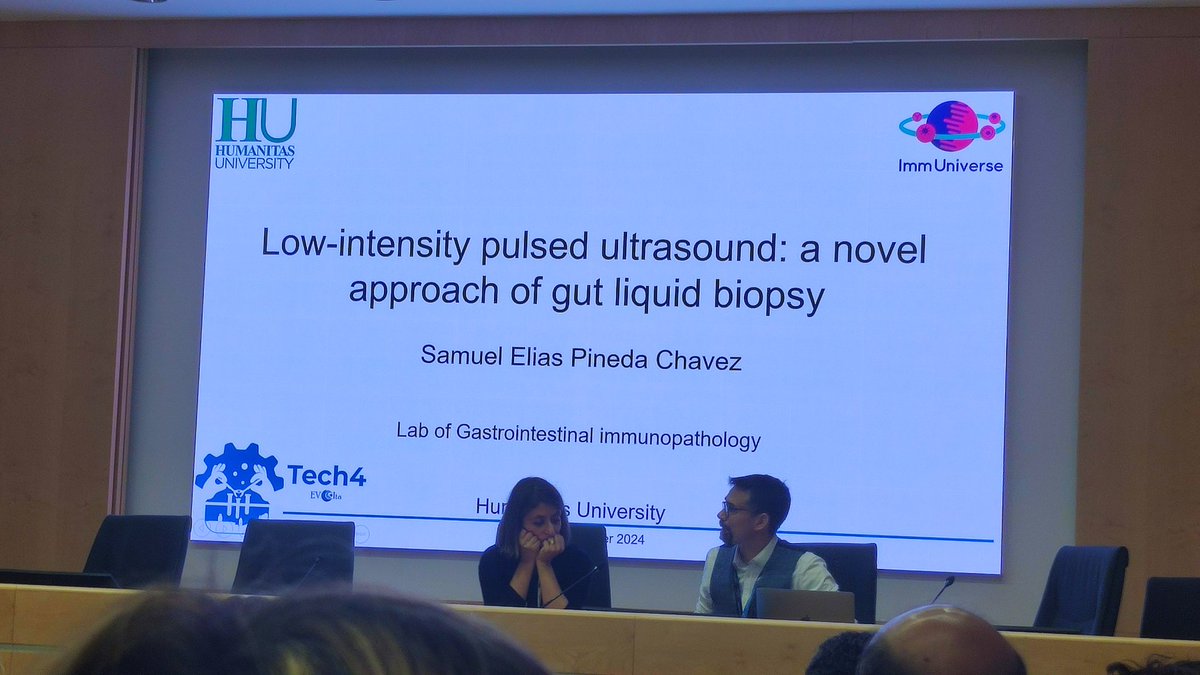
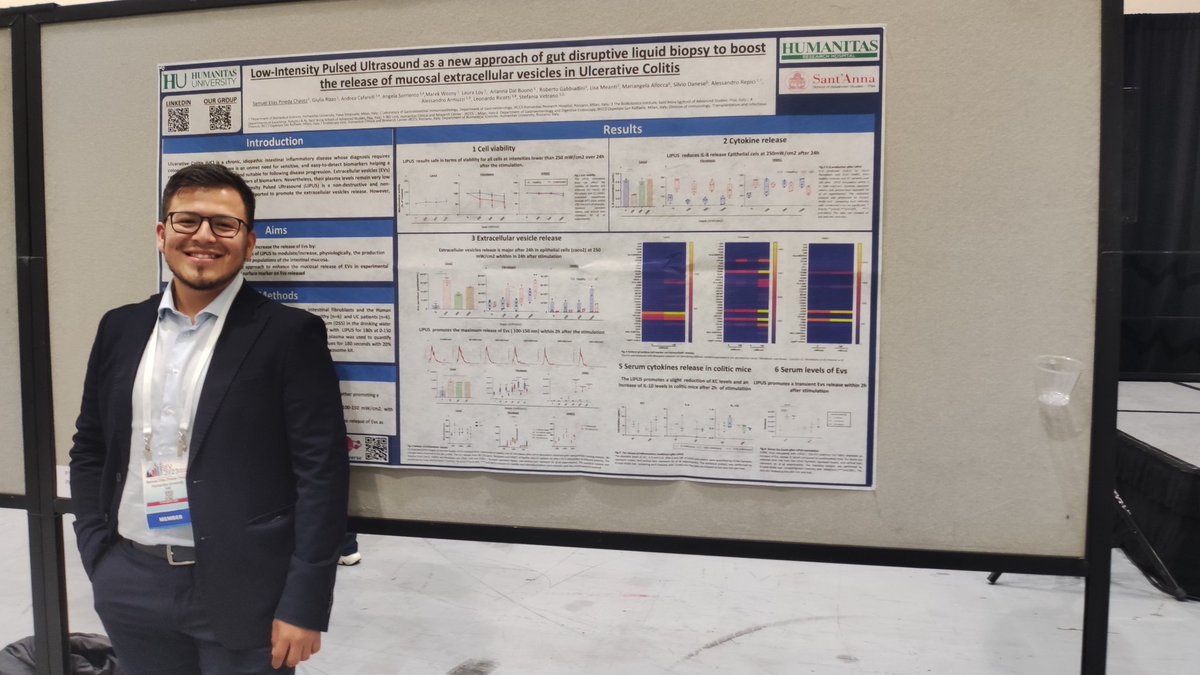
Ready for the first DDM Summit at #UEGWeek! Excited to present our research on the potential of LIPUS as a diagnostic tool for Ulcerative Colitis. Find me at the DP65 position in the New York room. Thanks for the support, @HUNIMED and @ImmUniverse_EU! #GIScience#Gastroenterology
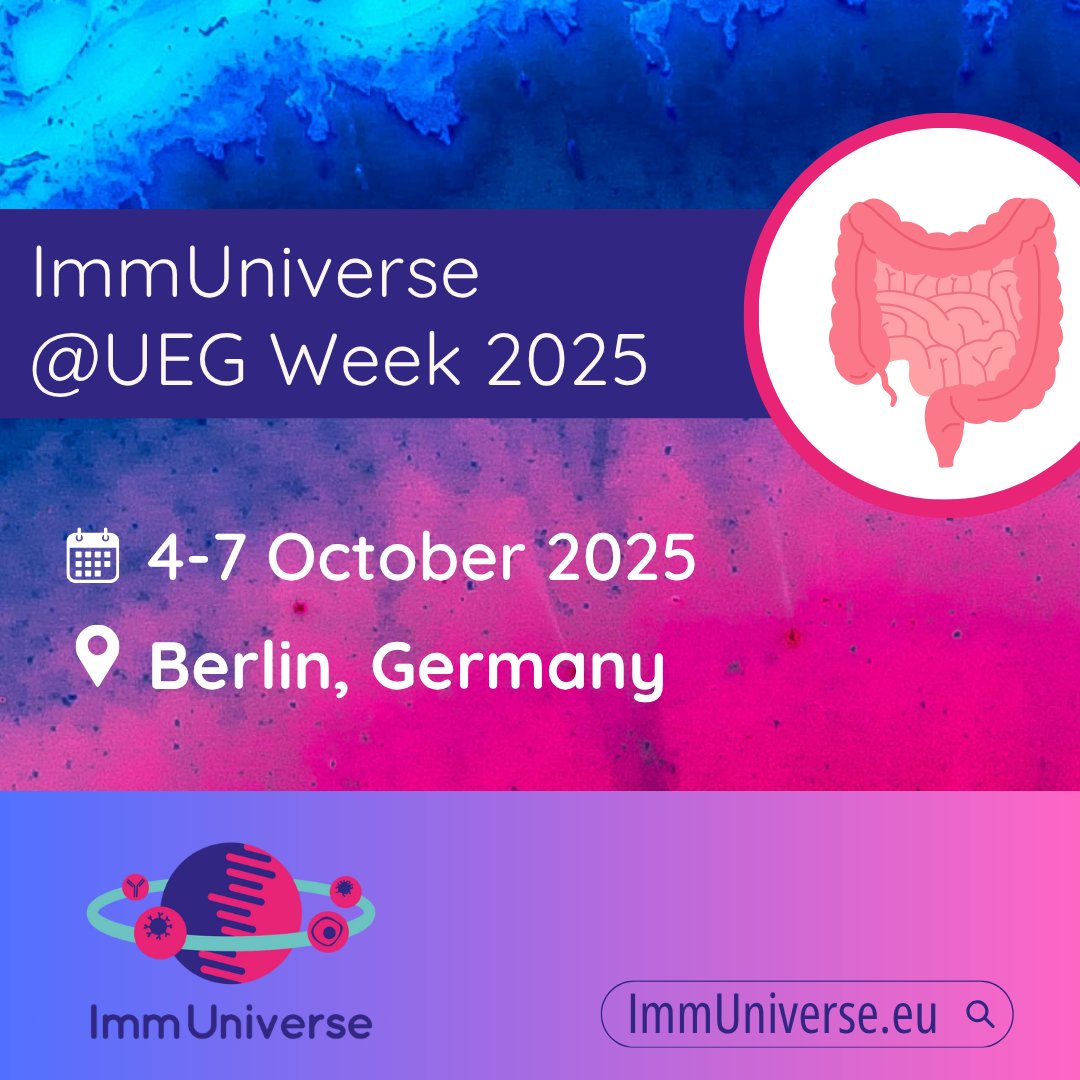
#UEGWeek is almost here! 🙌 Join 4 days of innovation & collaboration in GI in Berlin & online, Oct 4–7.💡 New: Digestive Disease Mechanism (DDM) Summit for basic scientists.@samuelpinez will present on a novel LIPUS-based liquid biopsy for ulcerative colitis at DDM.
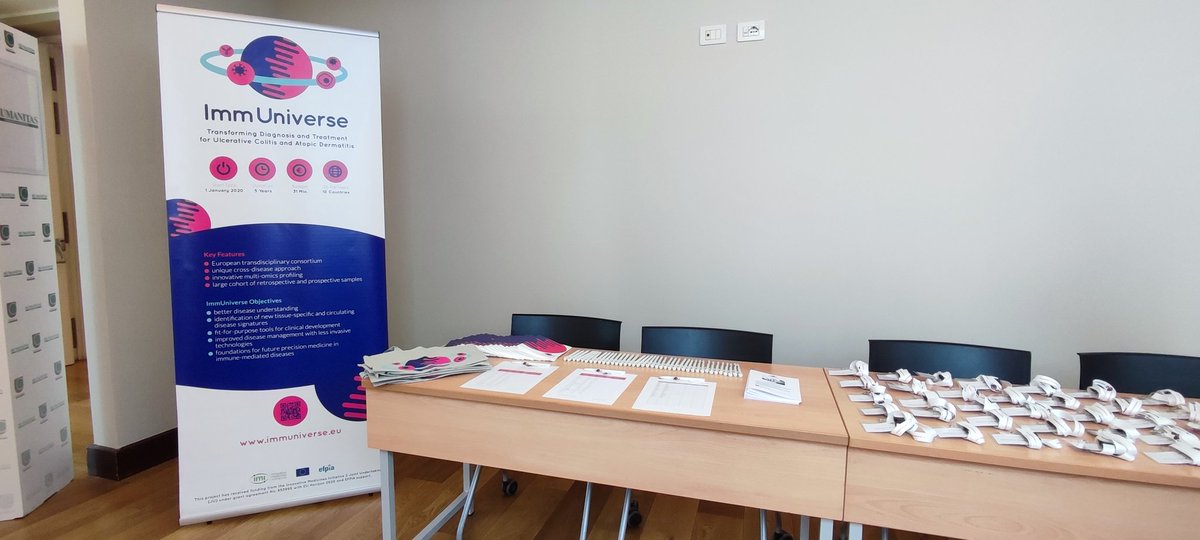
🎄 We would like to take this special time to thank all #ImmUniverse partners and friends for a fantastic year. Happy holidays - 2025's to making more memories together as we continue to work on improving diagnostic and therapeutic options for #ulcerativecolitis and #eczema.
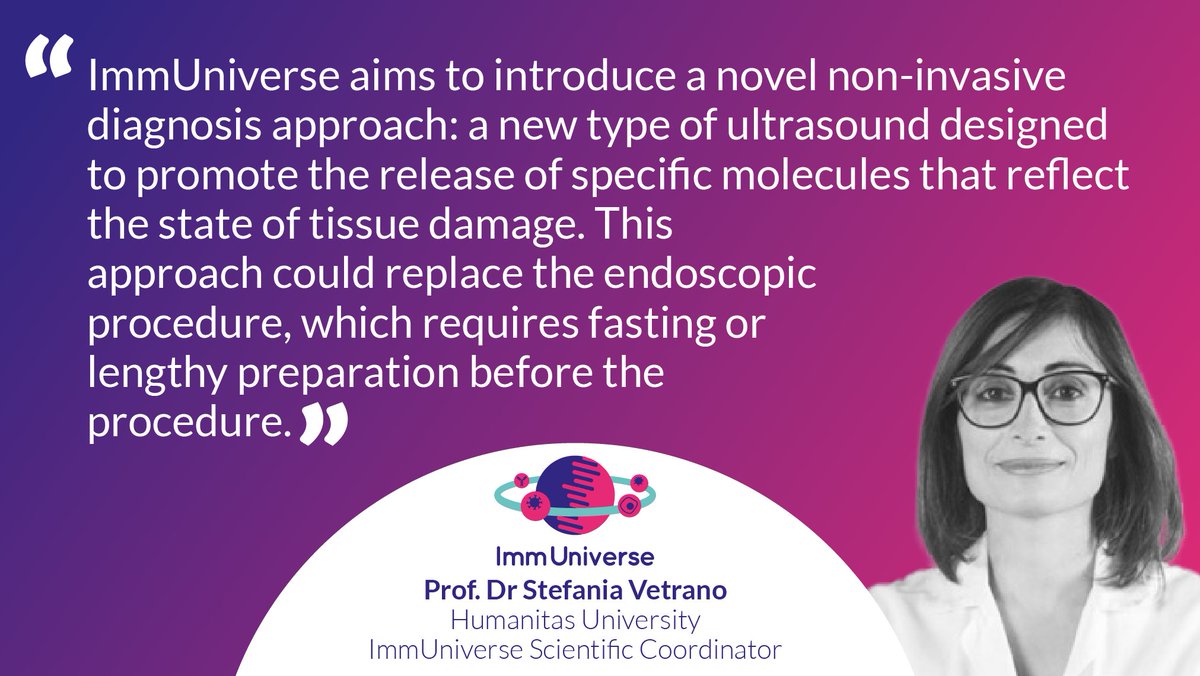
I really enjoyed the opportunity to present during at @UegWeek in the session concerning the monitoring and diagnosis of ulcerative colitis. Giving a rapid snapshot of LIPUS project sponsored by @ImmUniverse_EU and leaded by professor Stefania Vetrano.
@HUNIMED
Two weeks before my PhD defense, I had the amazing opportunity to present at the EVita workshop in Trieste! Mind-blowing research & inspiring conversations. So grateful to the @EVItaSociety, my mentor Stefania Vetrano, & the @ImmUniverse_EU project. #PhDlife#EVresearch#LIPUS
Happy #WorldMicrobiomeDay! 🎉
Central to the #ImmUniverse project is its integrated, tissue-environment - and cell type interaction centered approach, which comprises among others the investigation of #UlcerativeColitis, which is an inflammatory bowel disease (#IBD).
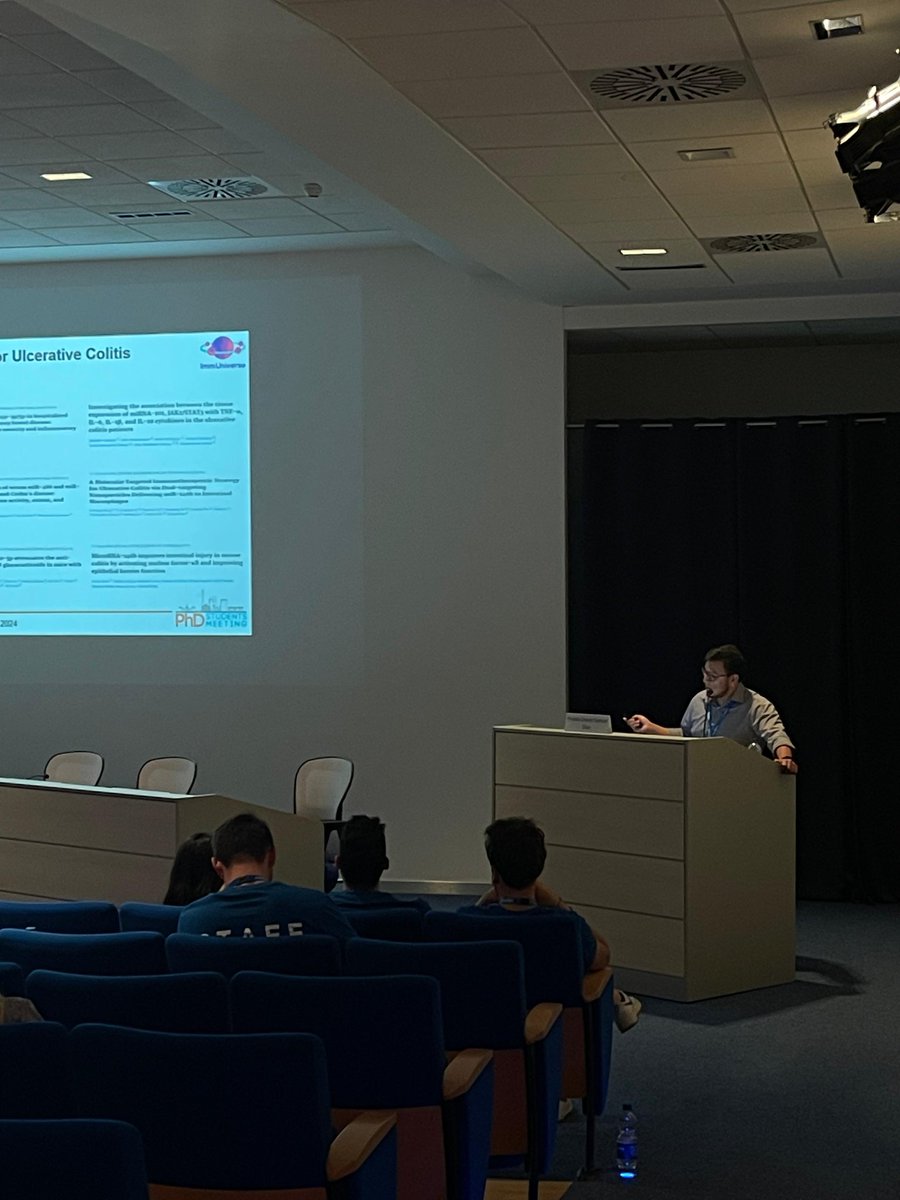
Presented my research on LIPUS for ulcerative colitis at the 2024 PhD Meeting! Great discussions with other PhD students about the potential of this diagnostic tool.
My final PhD meeting – what a way to finish!
@ImmUniverse_EU@HUNIMED#UlcerativeColitis#LIPUS#Research#PhDLife
Congratulations to the team on their new publication of @GastroFlo! Glad that @Hunimed collaborated with @UKSH_KI_HL on this promising research exploring the potential of ultrasound-induced EV-miRNAs in monitoring IBD.
Great work by the @Immunivers' members!
#IBDResearch#EVs
Slightly belated, but good news:
New paper out in @SciReports : Dynamic changes in extracellular vesicle-associated miRNAs elicited by ultrasound in IBD patients!
https://t.co/aw2nBKQuq9
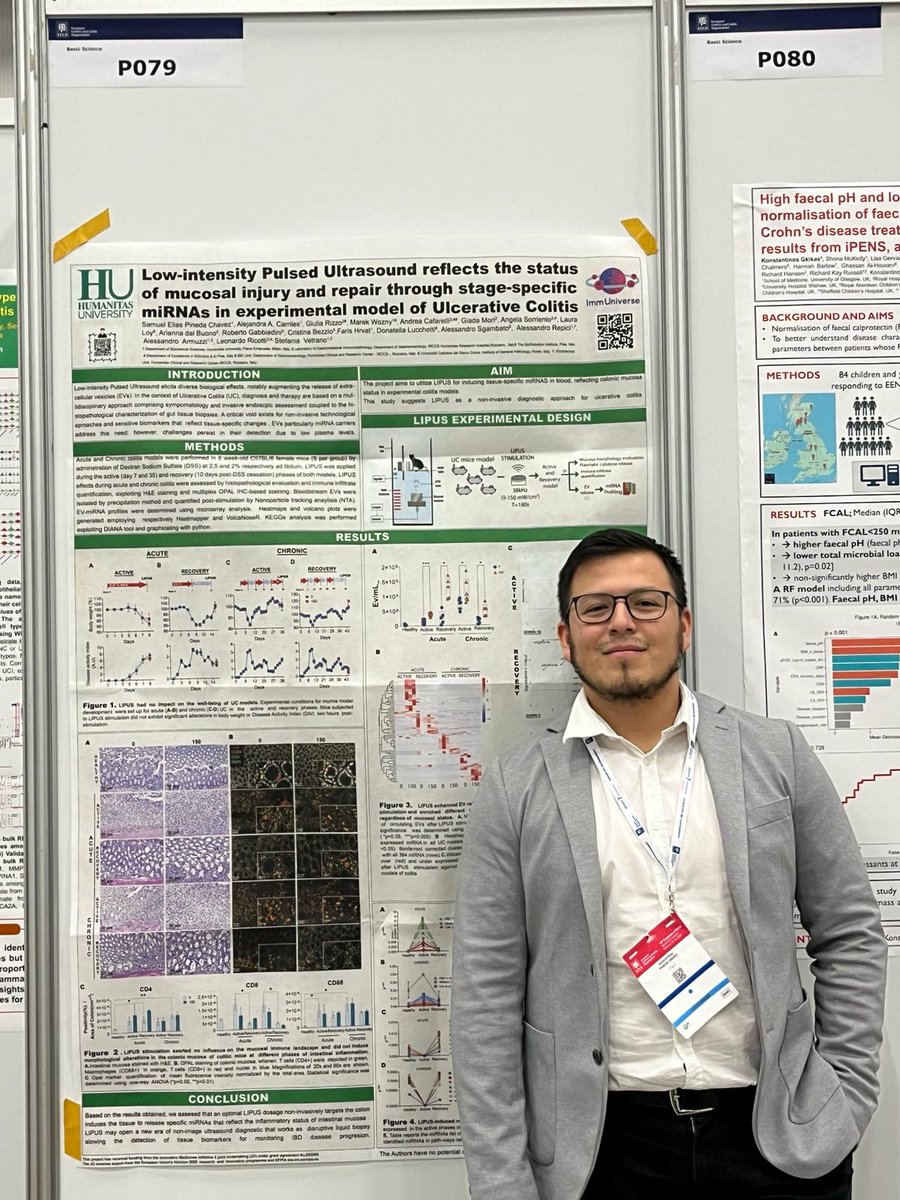
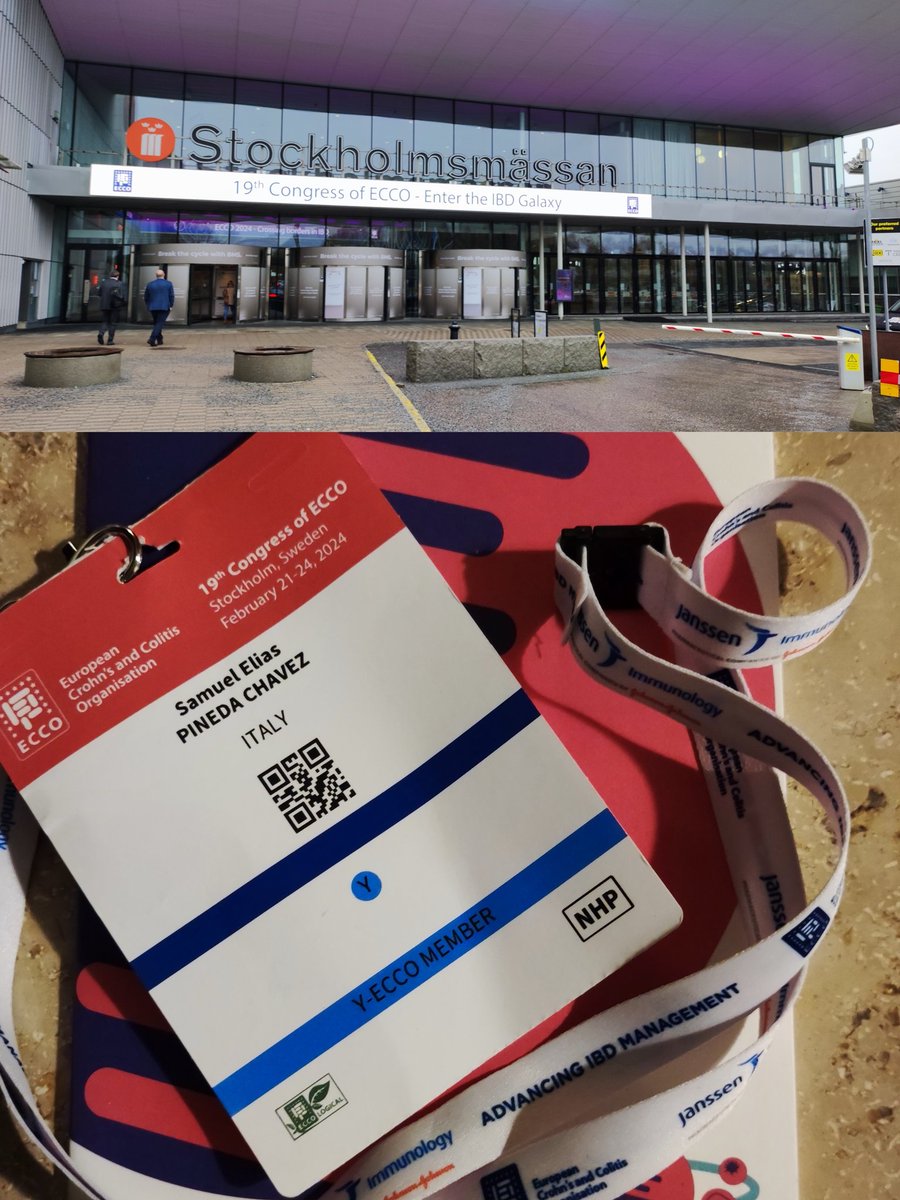
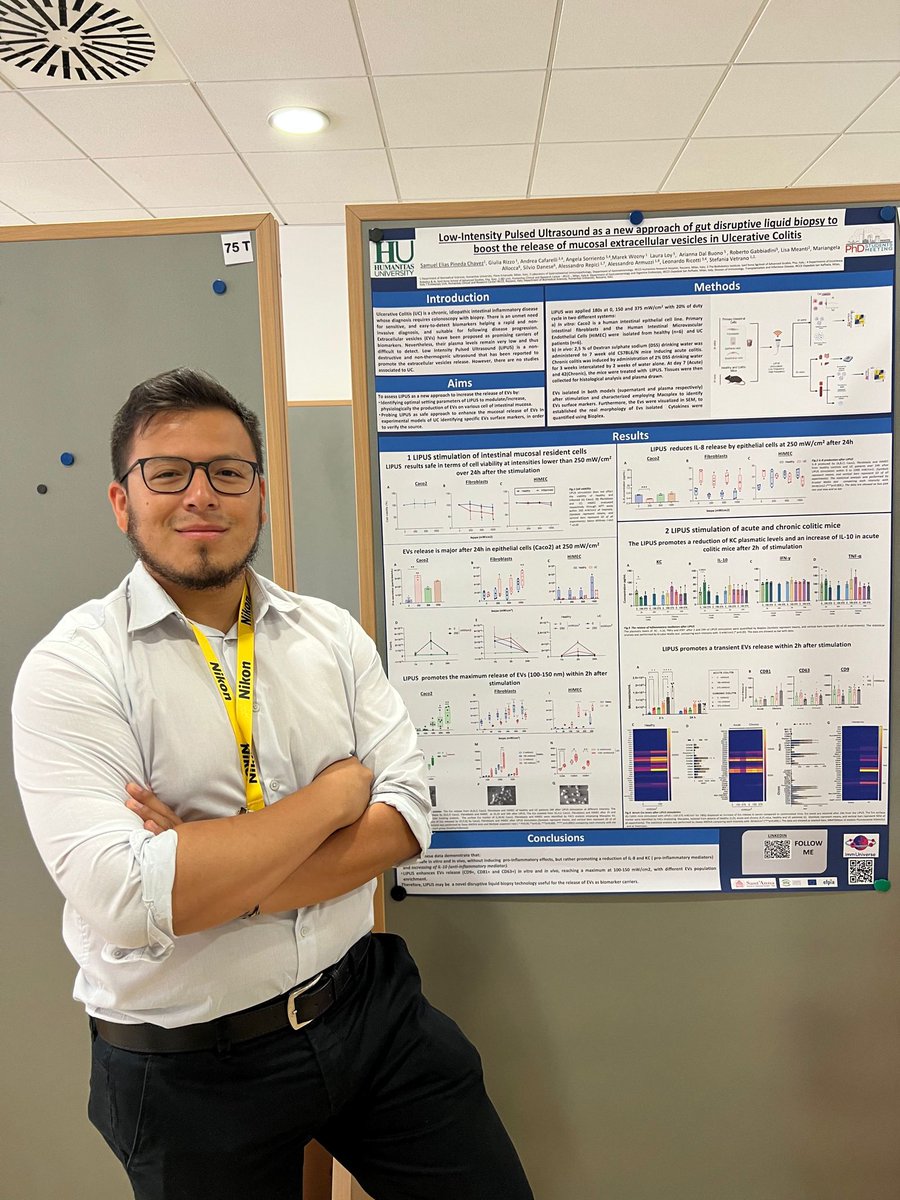
Thriller to have attendend the #ECCO2024 in Stockholm! I was fascinated by the insightful seminars. I also had the opportunity to present a poster on my PhD project on LIPUS. Thank you to my supervisor Stefan Vetrano. @ImmUniverse_EU, @HUNIMED#LIPUS#IMI_JU#Innovation#H2020
I'm enthusiastic to invite you at the poster P079 at the #ECCO24 to learn more about the Low-Intensity Pulsed Ultrasounds(LIPUS) and @ImmUniverse_EU.
@HUNIMED
Last week it was a great opportunity at the PhD meeting 2023 to share my Ph.D. project @ImmUniverse_EU about LIPUS and EVs! Sharing ideas and meeting amazing young scientists from @HUNIMED and other research centers in Milan.
I am happy to announce the new paper of my group headed by professor Stefania Vetrano. So glad for my first contribution as the co-first. Thank to all co-authors for their contribution!
https://t.co/X6w6nCWCGT