A GoPro is on my list of most wanted items as of now since their campaigns support back to what creators can submit. The promise of if your video is the coolest and eye-appealing and then you receive money back is a great way to gain attention #su2412#skiing#campaign
Our first #GoProLineOfTheWinter awardee 🏆💰 Adria Millan earned $10,000 for this high-consequence #GoProMAX POV by submitting the clip to https://t.co/H3ZaAJ73rF + posting it with the challenge hashtag. Our judges chose this clip to earn the top spot in our January ski category.
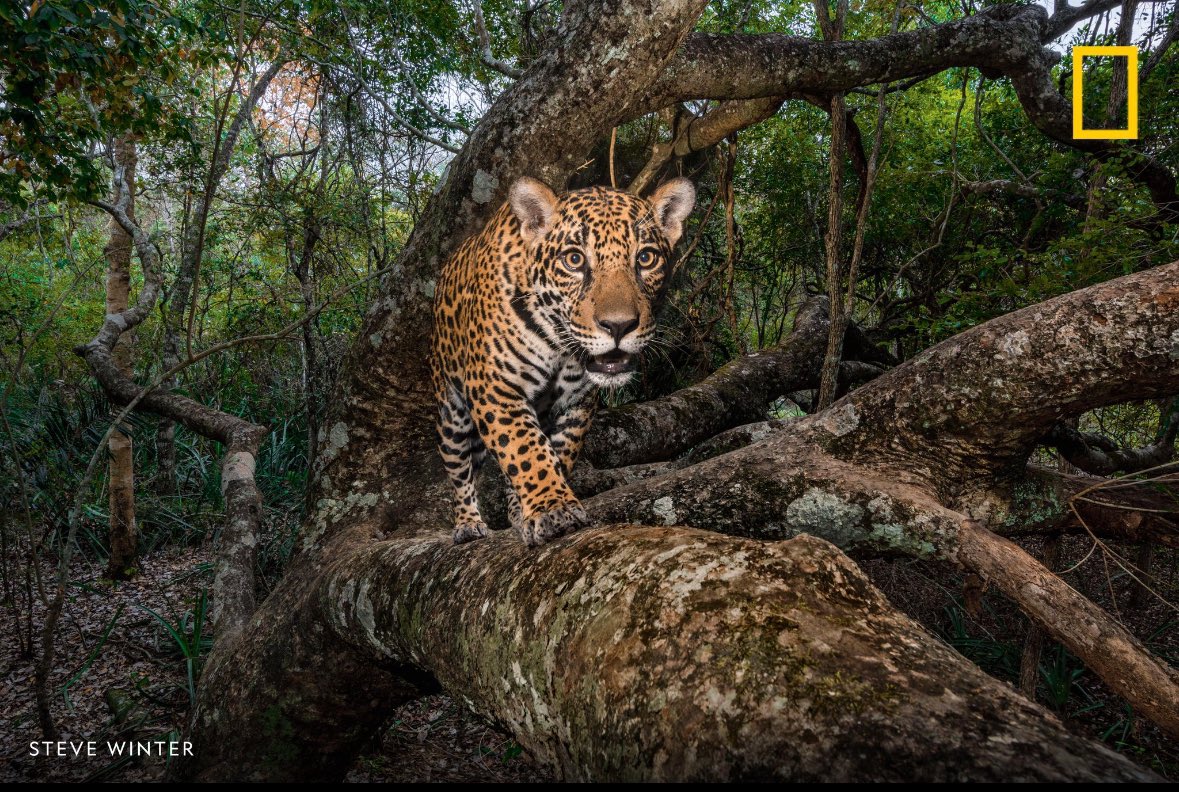
I’m using this image captured by Steve Winter of National Geographic. His use of the rule of thirds to showcase this beautiful spotted leopard is outstanding and deserves the middle part of the third. Also, the eyes match up with gridlines when applied #su2412#nature#wildlife
@su2412simpson Tesla’s interior car design is so slick and clean, and they’re always adding new innovations to make driving an experience rather than just another day-to-day thing.
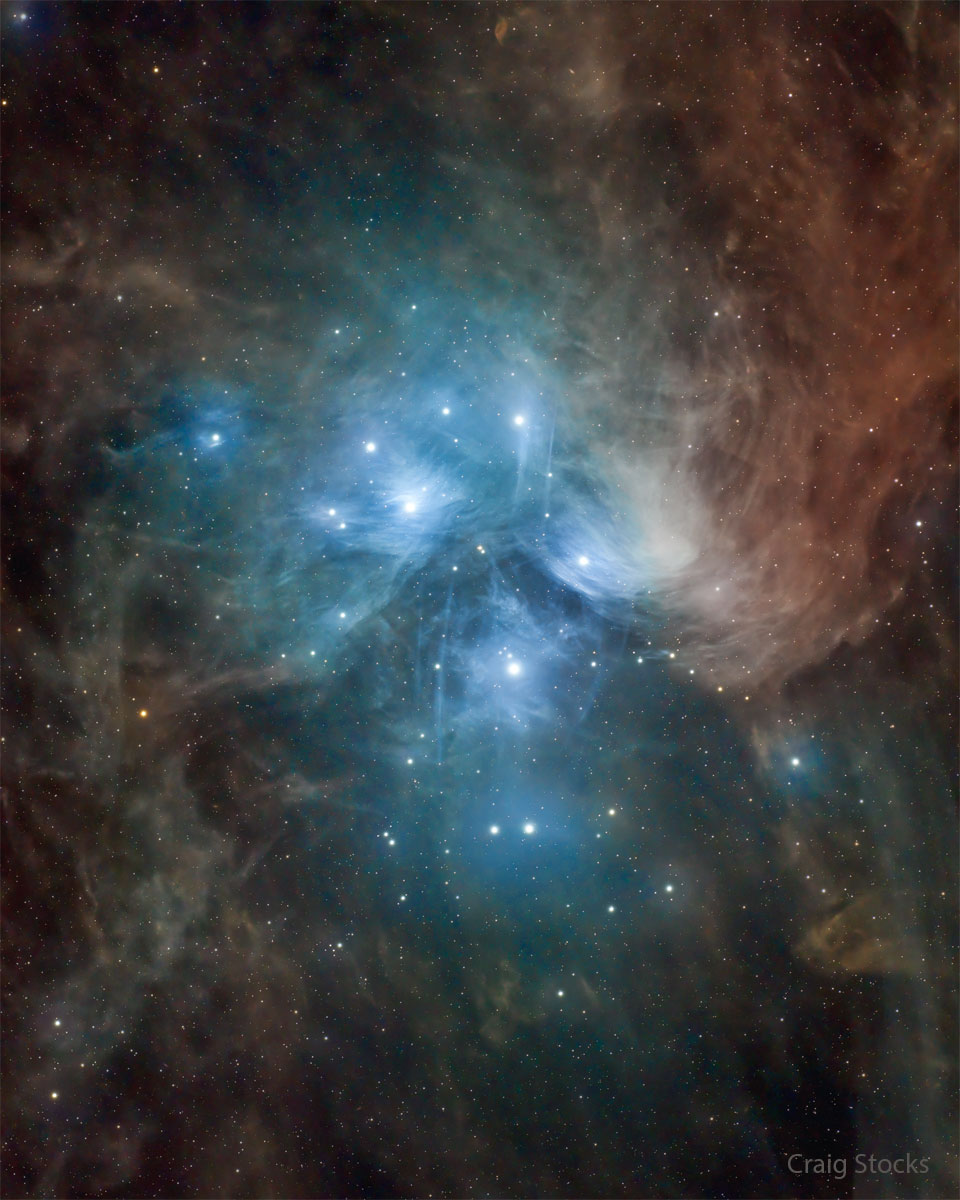
The Pleiades: Seven Dusty Sisters
Image Credit & Copyright: Craig Stocks
Explanation: The well-known Pleiades star cluster is slowly destroying part of a passing cloud of gas and dust. The Pleiades is the brightest open cluster of stars on Earth's sky and can be seen from almost any northerly location with the unaided eye. Over the past 100,000 years, a field of gas and dust is moving by chance right through the Pleiades star cluster and is causing a strong reaction between the stars and dust. The passing cloud might be part of the Radcliffe wave, a newly discovered structure of gas and dust connecting several regions of star formation in the nearby part of our Milky Way galaxy. Pressure from the stars' light significantly repels the dust in the surrounding blue reflection nebula, with smaller dust particles being repelled more strongly. A short-term result is that parts of the dust cloud have become filamentary and stratified. The featured deep image incorporates nearly 9 hours of exposure and was captured from Utah Desert Remote Observatory in Utah, USA, last year.