Partner @ CityPads. Housing fund manager & developer. Investing in and developing attainable & transit oriented multifamily in Los Angels & Chicago. 🏄🏻♂️🍕🌴
2023 about me: I’ve been in the real estate development & investment biz (LA, NYC, Chicago) for 17+ yrs. Based in my home town of LA. Mngng partner @ CityPads, a fund manager & developer investing in & developing high density, transit oriented multifamily in Los Angeles & Chicago
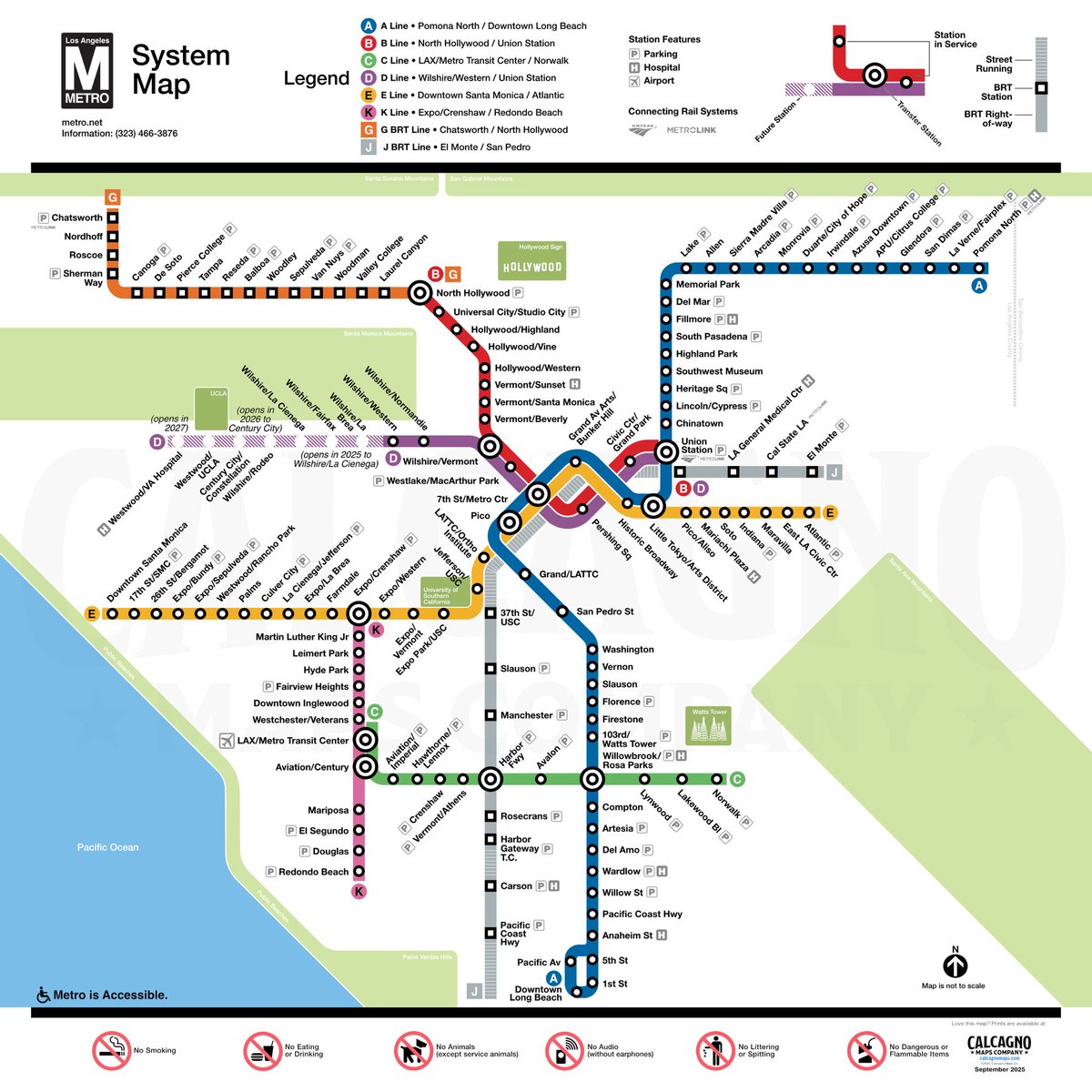
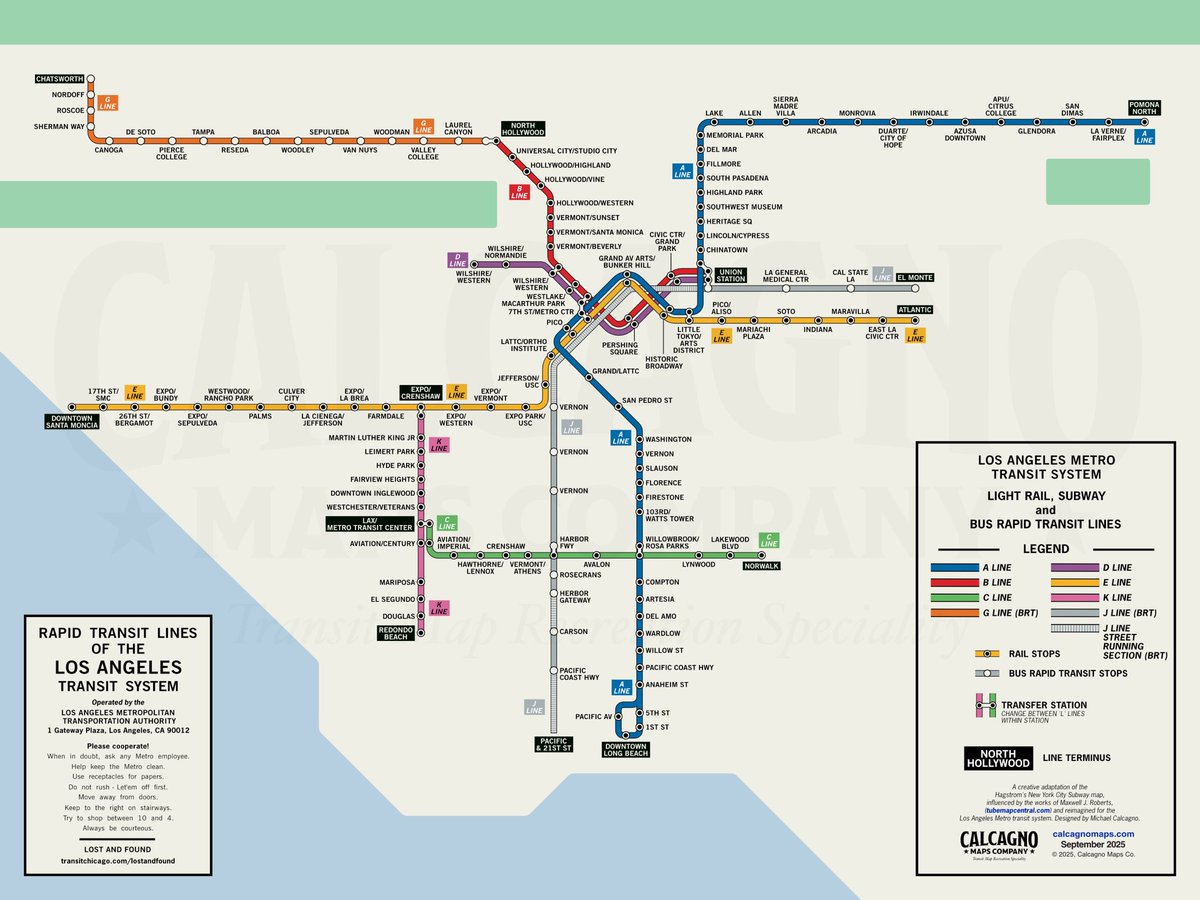
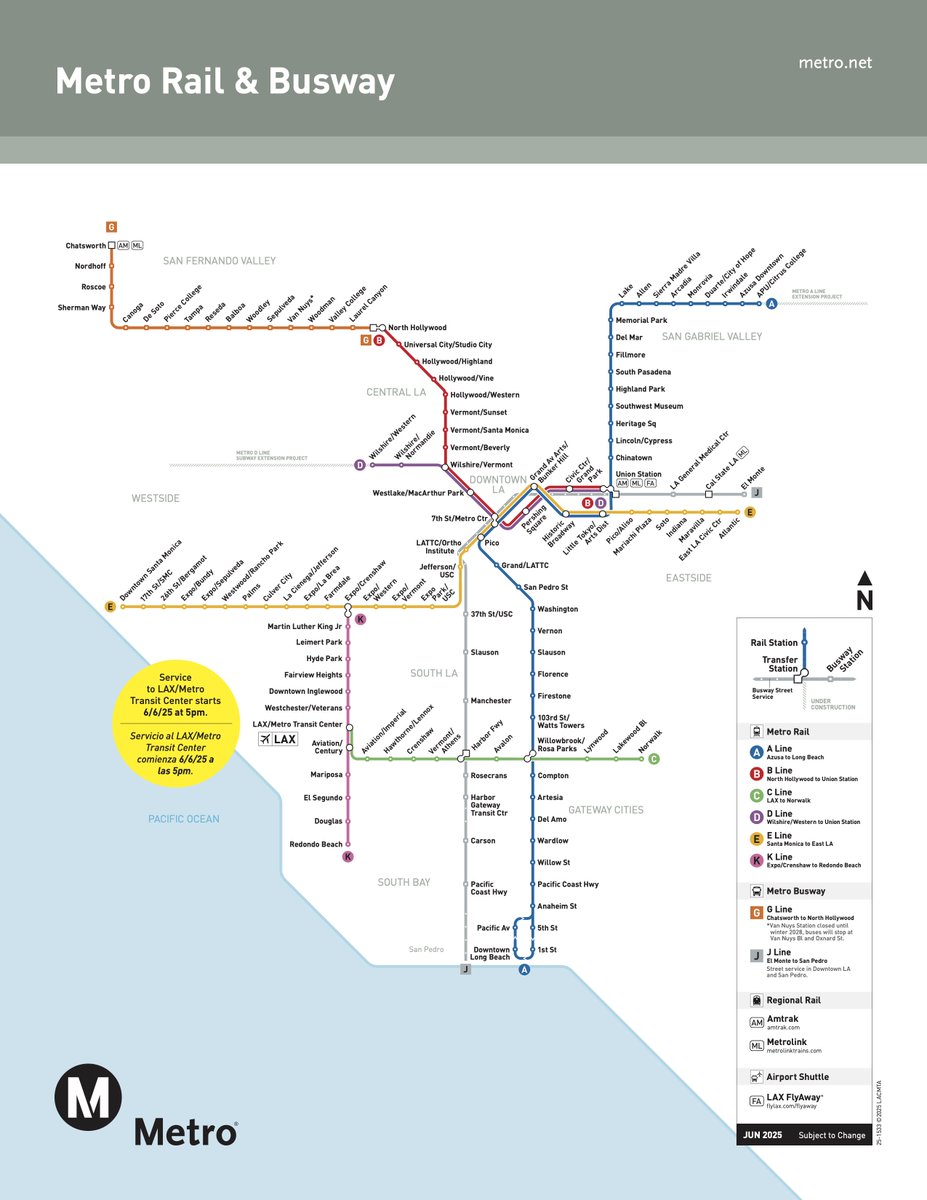
@metrolosangeles just pushed the A Line out to Pomona North w/ 4 new stations.
To celebrate, I dropped:
3 updated maps in the style of Vignelli, WMATA, & ‘67 Chrystie St
1 brand new LA map in a 1951 NYC Hagstrom/Maxwell Roberts style
Fresh ext, fresh maps. What do you think?
Park La Brea is a gem. It's the largest renter's complex west of the Mississippi. It's probably the most walkable and bikeable place you can find in LA. People from all backgrounds live here. And I'm so happy to call it home.
A 🧵 on what it's like to live here:
@mirijulip Great thread! My grandma, grandpa, & aunt on my Dad’s side lived there for over 40 years. essentially their entire time here in LA. So I’ve been going since I was born. They had a duplex corner unit on a courtyard. The rent was cheap back then. It’s one of the best places in LA.
CONGRATS TO THE WHOLE TEAM!!
Our firm's 4339 Berryman Ave. project is now complete!
Ground-up new construction of 28 units in Mar Vista.
Received C. of O. from LADBS June 3rd, 2025.
And last week, 7/24/25, it was professionally photographed.
📸
---
4339 Berryman Ave., Los Angeles, CA 90066
-28 co-living units
-Mix of 3, 5, and 6-bedrooms.
-The 5- & 6-bedroom units are 2-story units.
-R3-1, 100' x 225' (22,500 SF) lot
-4 stories Type 3A construction.
-1 subterranean level parking with 55 spaces.
-Right off Culver Blvd. & the famous (infamous) Ballona Creek.
NEW: @CAGovernor Gavin Newsom just signed historic legislation to cut red tape, cut through unnecessary CEQA delays, and build more housing faster for Californians.
[VICTORY ALERT] AB 130, which creates a broad CEQA exemption for infill housing projects, has been signed by Governor Newsom. Because it is part of the budget, it is effective immediately.
Today the @UCLALewisCenter published our analysis on Measure ULA's effect on multifamily housing production in Los Angeles — a report that has been more than a year in the making for me and my coauthor Jason Ward at RAND. A thread on our findings below. https://t.co/nW6KVpdcSf
My vision for Los Angeles is a future where nobody needs to own a car
But many Angelenos are dependent on their car today
We need policy that leads us to our car-light future, while still improving life for those who currently have no choice but to drive
A 40-unit market-rate apartment building being proposed in a wealthy part of LA (Fairfax) with only 16 parking spaces.
It seems like LA is really starting to enter its post-car era
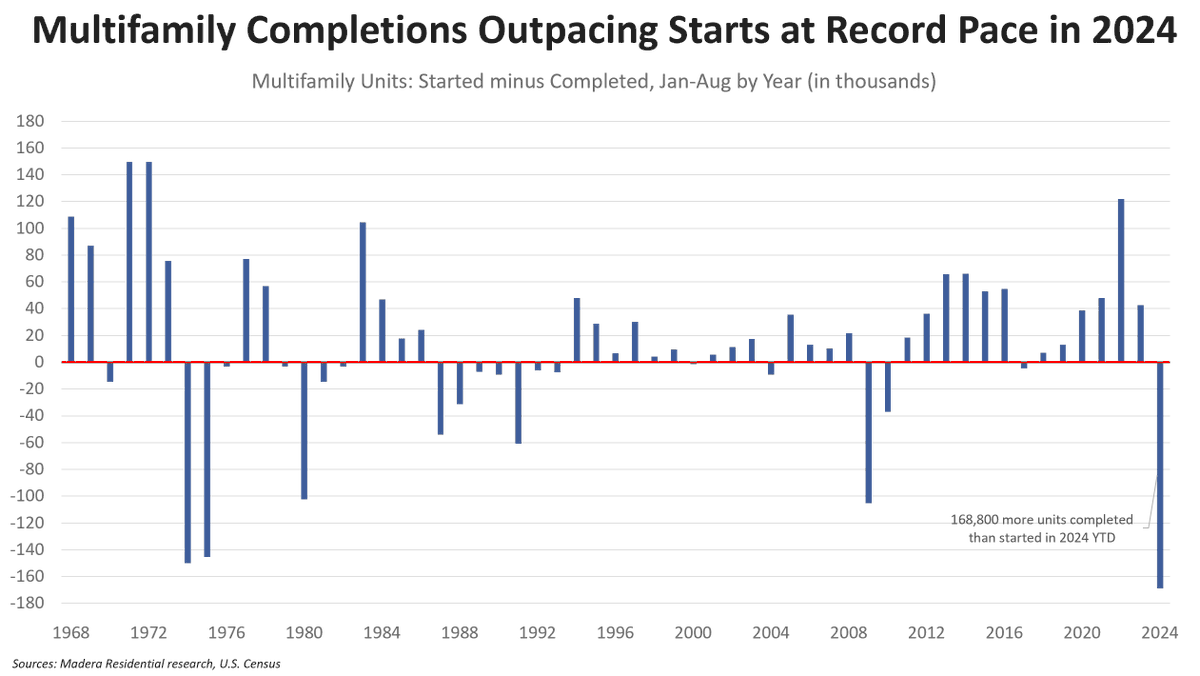
Look out below!
Multifamily completions outpace new starts by 169k so far in 2024 -- the widest gap in recorded history.
No matter who wins the White House, U.S. multifamily housing supply will almost certainly drop off in 2026-28 compared to 2023-25.
Harvard economics professor Ed Glaeser:
VP Harris housing plan is "too small and too poorly targeted."
To solve the housing crisis, Dr. Glaeser says we must borrow from The National Minimum Drinking Age Act of 1984. What does booze have to do with housing? Glad you asked:
-- Like housing, drinking ages were highly local issue. The federal government couldn't change it directly, but they could incentivize states to change it.
-- The law "demanded states raise the minimum age to buy or publicly possess alcohol to 21 — or face a reduction in federal highway funds. The threat of losing such funds is a big stick," Dr. Glaeser writes.
Why should housing be a federal issue?
-- "And while the merits of any battle over a particular project are debatable, the overall cost to our country is beyond doubt. We are just not building enough homes, especially in the coastal markets where there is the most demand. Per capita, there was less than half as much permitting in 2023 as in 2003 or 1973."
-- "Residents have made it particularly difficult to build in the most productive parts of America, such as Silicon Valley, which means that America’s G.D.P. is much lower than it would be if people could move to where the jobs pay the most. Areas with the most upward mobility limit building the most, which makes America more permanently unequal."
How could such a proposal be structured?
-- Target problematic offenders with high housing costs AND low construction. "The legislation could establish minimum construction levels over three years for all counties with median housing values above $500,000. States with high-price, low-construction counties would have to figure out how to overrule local zoning codes themselves or lose federal transportation funding."
In closing:
"America’s housing crisis is a deep, self-inflicted wound. Ms. Harris is right to want to do something, but it is hard for the federal government to engineer change at the hyperlocal level. Tying federal transportation spending to building activity may be the best way to induce change."