A memorable weekend at @ASPCardio
Proud to have presented our poster and even more grateful for the thoughtful discussions, shared ideas, and time spent with an incredible team.
A wonderful reminder that good science is always a collective effort.
@khurramn1@Sadeer_AlKindi
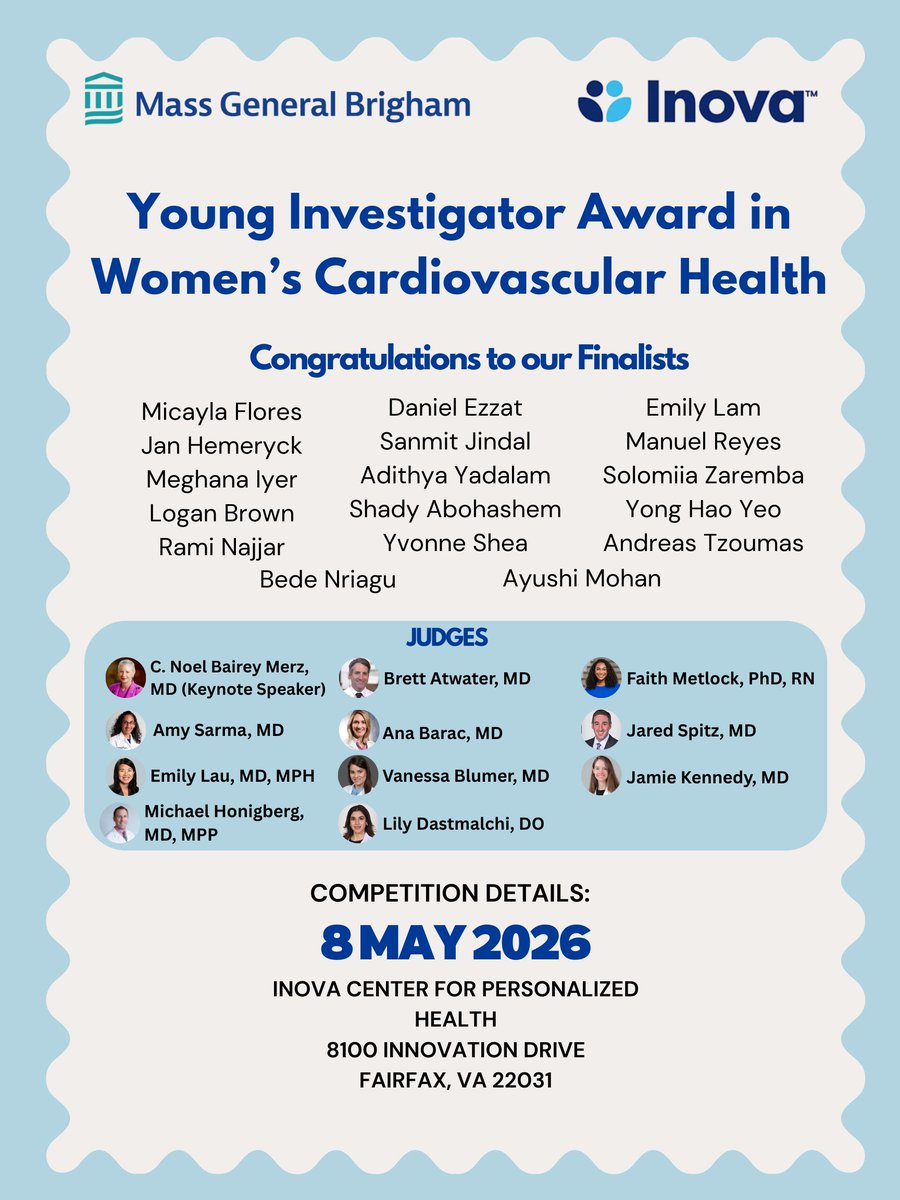
Our team is thrilled to head to VA to judge an incredible group of finalists for the 2nd MGB Inova YIA in Women’s Cardiovascular Health. Congrats to all the finalists!🥳 @GarimaVSharmaMD@NanditaScottMD@ISHVnews@MassGeneralNews
New episode out now 🎙️
Coronary artery calcium (CAC) scoring is redefining how we assess cardiovascular risk in asymptomatic patients. A score of zero signals extremely low event rates—even in higher-risk individuals—while elevated scores help pinpoint who benefits most from preventive therapies.
In this episode of The Heart of Prevention, host Dr. @Kpakanati3, @MichaelJBlaha, and @khurramn1 break down how CAC enables a shift from population-based care to truly personalized prevention—highlighting the “power of zero” and when to intensify treatment.
🎧 Listen now: https://t.co/yvYV5yyoTw
#PreventiveCardiology #Cardiology #HeartHealth #PrecisionMedicine @AJPCardio
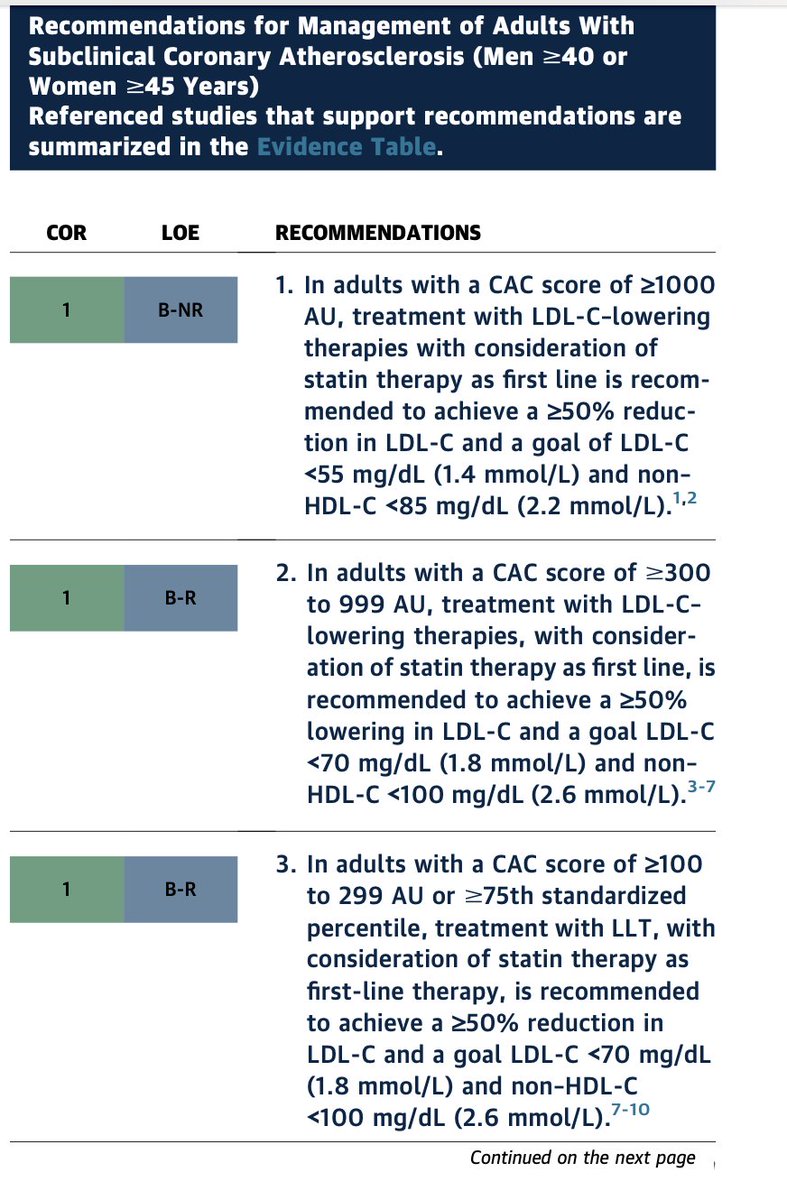
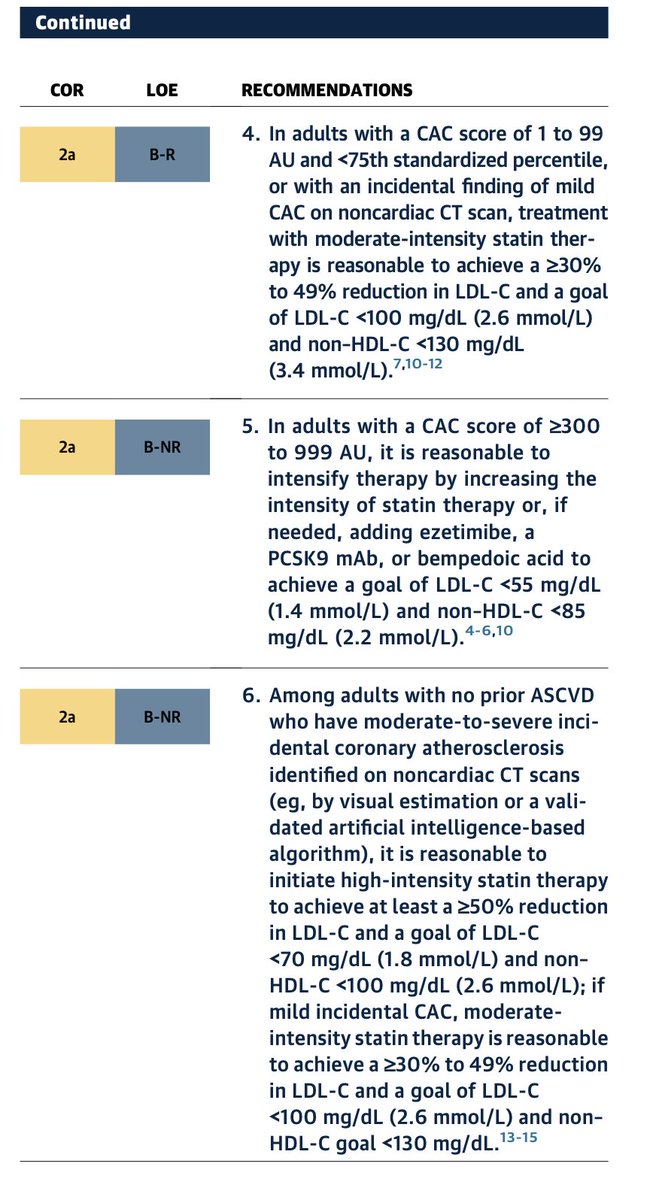
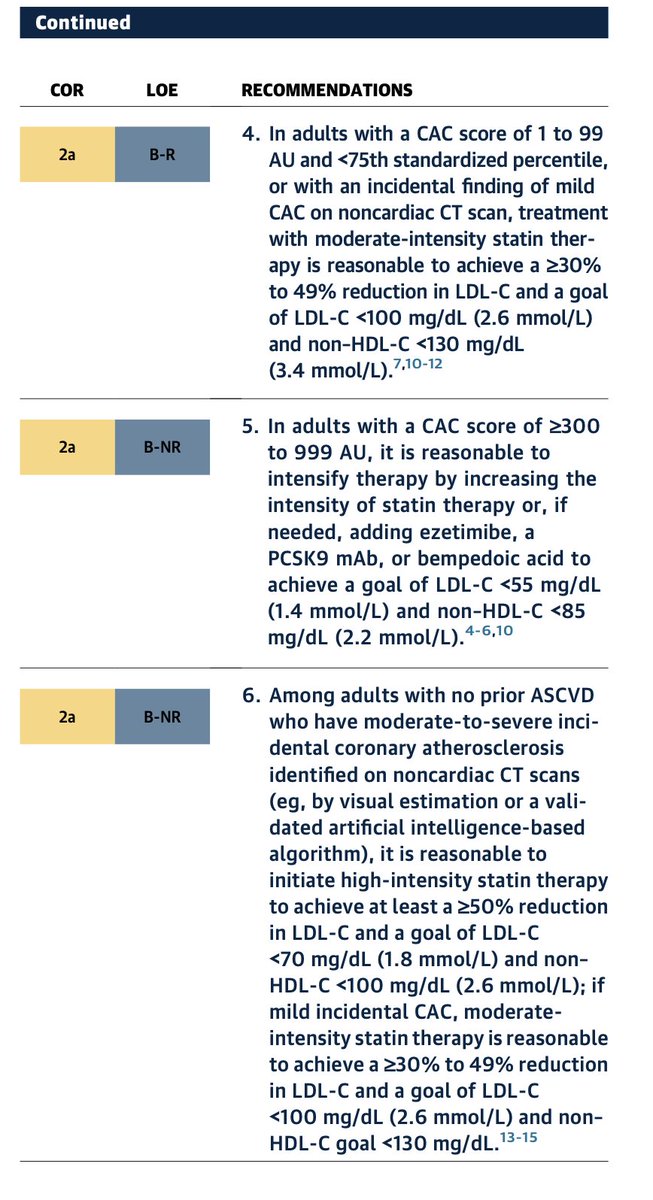
One of the most meaningful evolutions in the 2026 ACC/AHA dyslipidemia guideline is the continued elevation of CAC as a central tool in preventive decision-making.
We have come a long way.
1. In the 2013 guidelines, CAC was effectively sidelined.
2. By 2019, it re-emerged as a decision aid.
3. In 2026, it is now clearly embedded in the framework of risk assessment, treatment initiation, and treatment intensity.
Two messages stand out.
1. First, CAC has become the preferred decision aid when treatment decisions are uncertain. This is not an uncommon situation. In real-world practice, uncertainty is the rule rather than the exception, especially in borderline or intermediate-risk individuals. #PowerOfZero provides a clear distinction who is and not at risk that for the decision whether lipid-lowering therapy should be initiated.
2. Second, the guideline goes beyond initiation. CAC is increasingly used to guide the intensity of therapy. Increasing plaque burden corresponds to progressively more aggressive LDL targets and therapeutic strategies. For example, individuals with CAC ≥300–1000 are recommended to pursue LDL reduction strategies approaching secondary prevention intensity, reflecting event rates comparable to treated ASCVD populations.
This is a MAJOR shift.
CAC is no longer simply a tie-breaker for statin decisions. It is evolving into a disease-guided framework for preventive intensity.
From a practical standpoint, this matters.Risk equations estimate probability. CAC visualizes disease.
1. When uncertainty exists, seeing the burden of atherosclerosis often changes the conversation for both clinician and patient.
2. It also aligns therapy more closely with biology (GREATER DISEASE, MORE INTENSE THE TREATMENT) rather than risk-factor projections alone.
IN 2026. CAC has moved from the margins of guidelines to the center of preventive cardiology.
For clinicians, that represents one of the most practical advances in translating risk assessment into actionable care.
Congrats @rblument1@RonBlankstein@DrMichaelShapir & rest of the guideline authors
@AJPCardio@ASPCardio@MichaelJBlaha@Sadeer_AlKindi@HMethodistCV
Join our team in NOLA at #AHA25 this weekend to explore our latest work on cardiovascular prevention, SDOH, digital health, environmental health & radiomics.
@HMethodistCV@Sadeer_AlKindi@khurramn1
Our abstracts have been accepted for moderated digital poster sessions at the American Heart Association (AHA) 2025 Scientific Sessions 🎉
Grateful to Dr. @khurramn1 and Dr. @Sadeer_AlKindi for their mentorship, and to all co-authors for their collaboration.
#aha2025