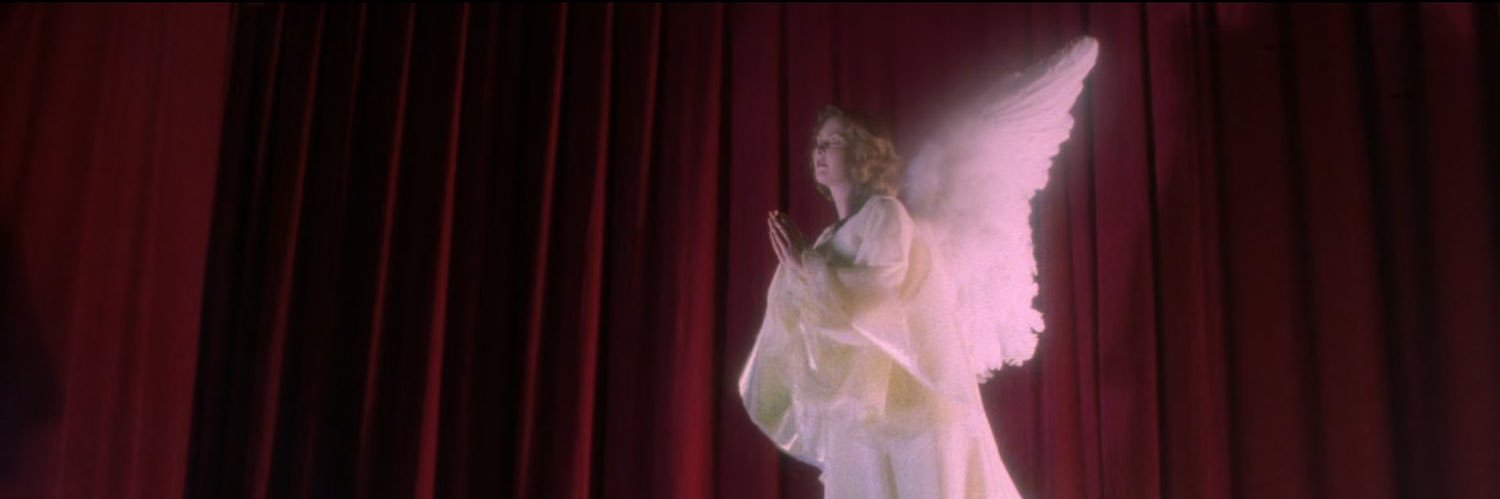
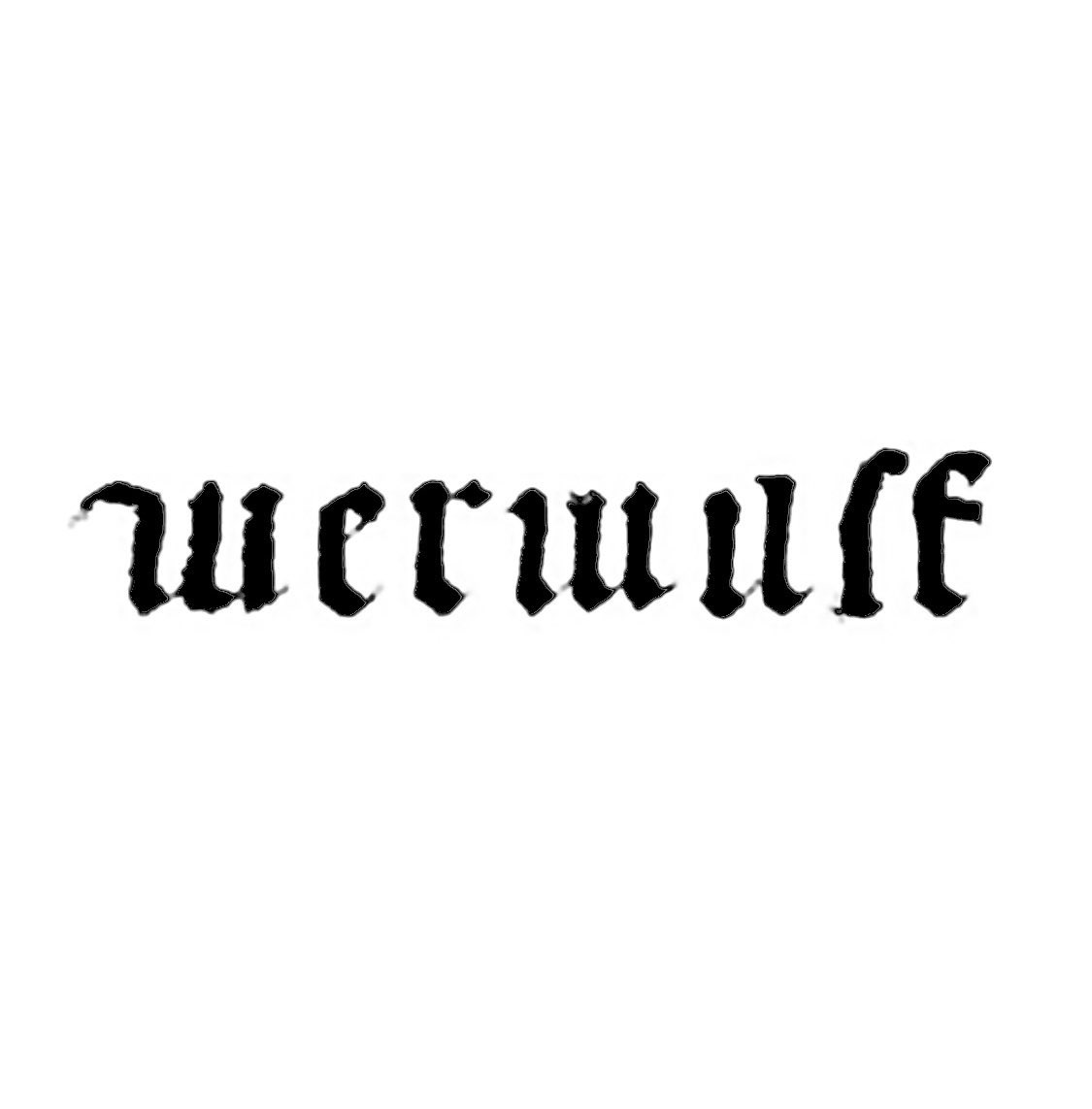
Robert Eggers confirms that the dialogue in ‘WERWULF’ is all 1300s Middle English.
“We worked with 2 Oxford professors on the dialogue, which is in Middle English, & then worked with a dialect coach on a way to temper the pronunciation”
(Source: https://t.co/MATt6uyU0l)
It is important to resist the commodification of basic human needs. Food, water and healthcare cannot be subordinated to market considerations or geopolitical interests. Access to adequate food is a fundamental human right grounded in the dignity of every person. Meeting this need not only alleviates suffering but also addresses underlying causes of geopolitical instability. Indeed, food security is an essential component of global and integral security. https://t.co/DgkM9RegJ7
I get asked a lot: why are garden centers allowed to sell invasive plants?
You read that some shrub or vine is an ecological wrecking ball, then you walk into a garden center and there it is for sale, with a cheerful little plant tag. How is that legal?
Most of the time, it just is. A recent study found that 61% of the plants identified as invasive in the US are still sold through the plant trade. That includes plants on state regulated lists, and even 20% of the federal noxious weeds that are illegal to sell anywhere in the country.
So why is it still legal? There's no blanket federal ban on invasives. Federal law only covers plants crossing state lines, so anything grown and sold inside a state is that state's call, which leaves a checkerboard: banned on one side of a state line, stocked on the other. State lists tend to be outdated, aimed at farm weeds instead of the ornamentals that wreck forests, and are barely enforced.
Underneath all of it is a profitable industry, and states don't like banning a profitable product. Even when a state does crack down, it cushions the growers. Indiana's invasive-plant rule gave nurseries a full extra year to keep selling their existing stock of banned plants, on purpose, to soften the economic hit. The plant's a known menace, but the inventory is worth money, so the register keeps ringing.
Which unfortunately means it falls to us. Three things actually move the needle:
1. Tell your state and local officials you want these plants banned, because those lists are political and what constituents say matters.
2. Ask your garden center to stop stocking them, because retailers drop plants when enough customers push.
3. Stop buying non-native ornamentals in the first place. Plant natives instead. A plant nobody buys is a plant they stop growing.
@fletc117 i would wanna cry if i saw that face every day 😭 but honestly it makes sense that you’d never desensitize im going on 6 years with my 2 cats and they fill my heart and delight me just as much or more than they always have