Thank you for doing this important work. We are a 5,000+ year-old civilization that has survived invasions, colonization, partition, and countless upheavals. We have outlasted empires, ideologies, and narratives that once claimed permanence. Long after today’s headlines and fleeting judgments fade, we will continue building, innovating, remembering, and contributing to the world in our own way.
Raju Narayana Swamy was my classmate in IIT Madras. He also had a very high rank in IIT JEE 1985, my recollection was AIR 10 and he came from small town Kerala and most top rankers were from the big cities so he stood out.
Most of our classmates - including me - went abroad. He chose to stay in India.
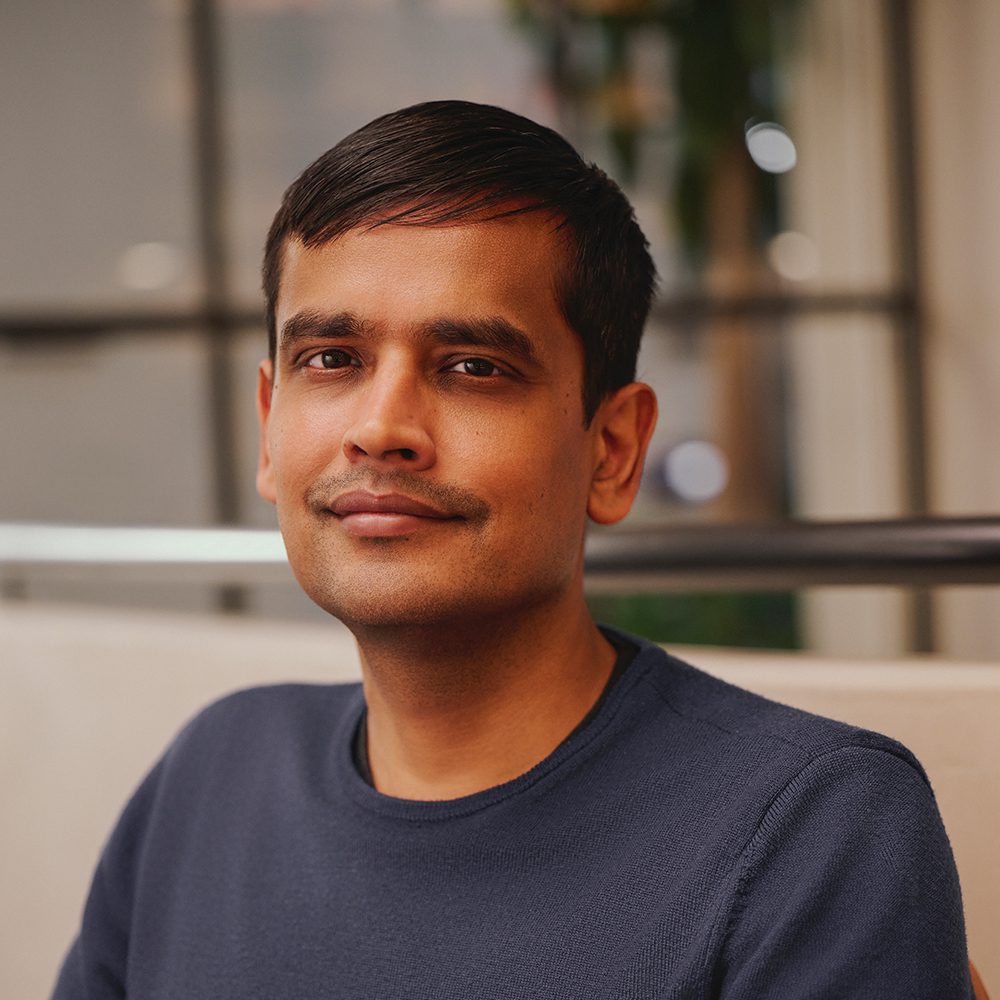
His name is Srinivas Narayanan.
Born in Chennai in 1974. He completed his https://t.co/MyPTIKghnU in Computer Science from IIT Madras in 1995. Then a Master's from the University of Wisconsin-Madison in 1996.
He started his career at IBM's Almaden Research Center. Moved to Tavant Technologies. In 2007, he co-founded his own startup, Viralizr, as CTO. In 2008, he joined Facebook as Vice President of Engineering and spent over a decade building large-scale engineering systems.
In April 2023, he joined OpenAI.
At that time, the Applied Engineering team had 40 people sitting on a single floor.
He built it into the team that launched and scaled ChatGPT and the developer API platform. Products that grew faster than almost anything in the history of technology.
In September 2025, he was elevated to CTO of B2B Applications at OpenAI.
On April 17, 2026, he announced he was leaving.
He said this to his team.
The last three years have been an incredible journey that felt more like ten. You built some of the fastest-growing products in history without any established playbook. I am so grateful to Sam Altman and Greg Brockman for this opportunity of a lifetime.
He is returning to India.
Not for a new job. Not for a new startup. He said he is going back to spend time with his ageing parents before deciding what comes next.
An IIT Madras graduate who helped build the product that changed the world.
Who is going home to be with his parents.
His name is Srinivas Narayanan.
Follow for real stories about Indians who make the whole country proud.
In a world where knowledge is everywhere, the role of teachers becomes even more important.
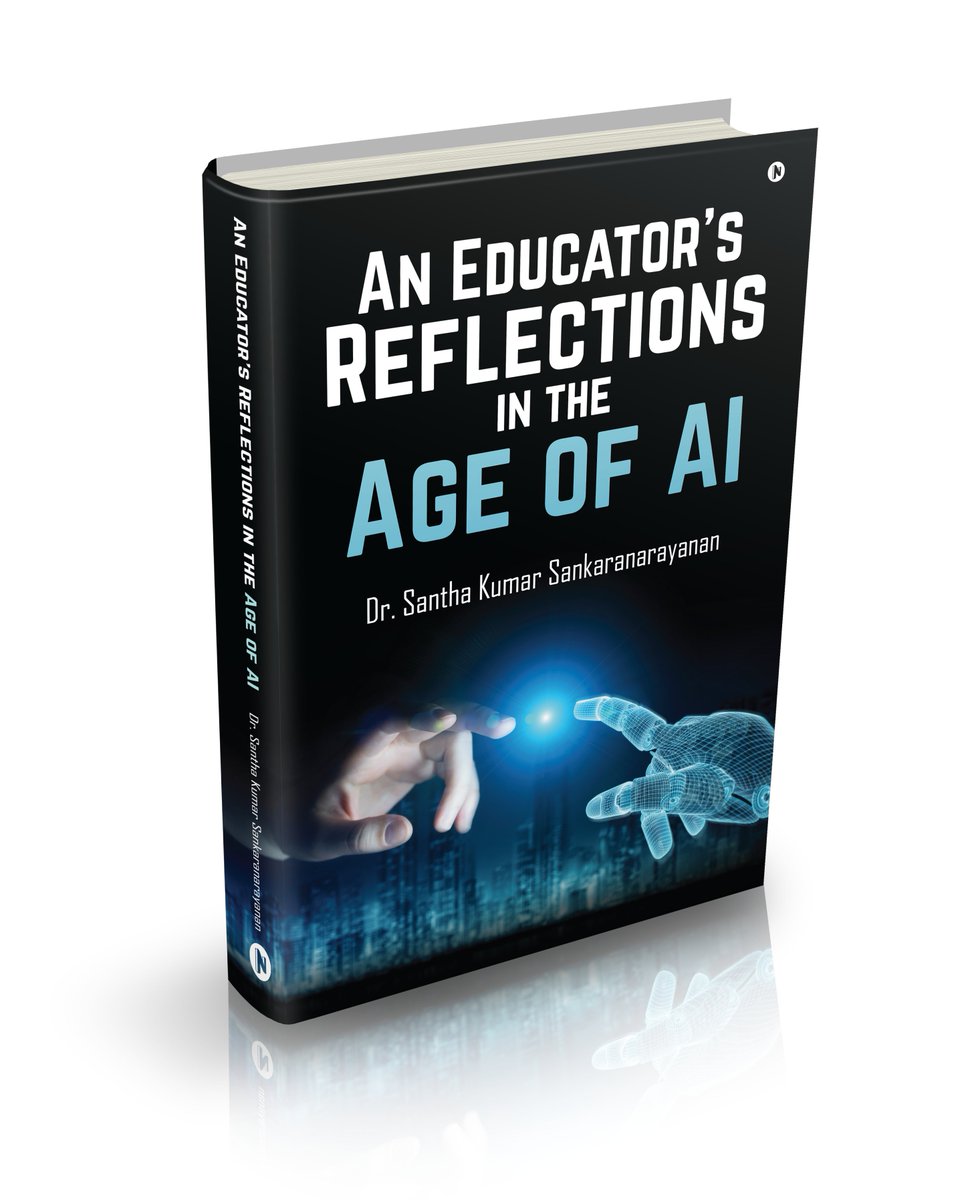
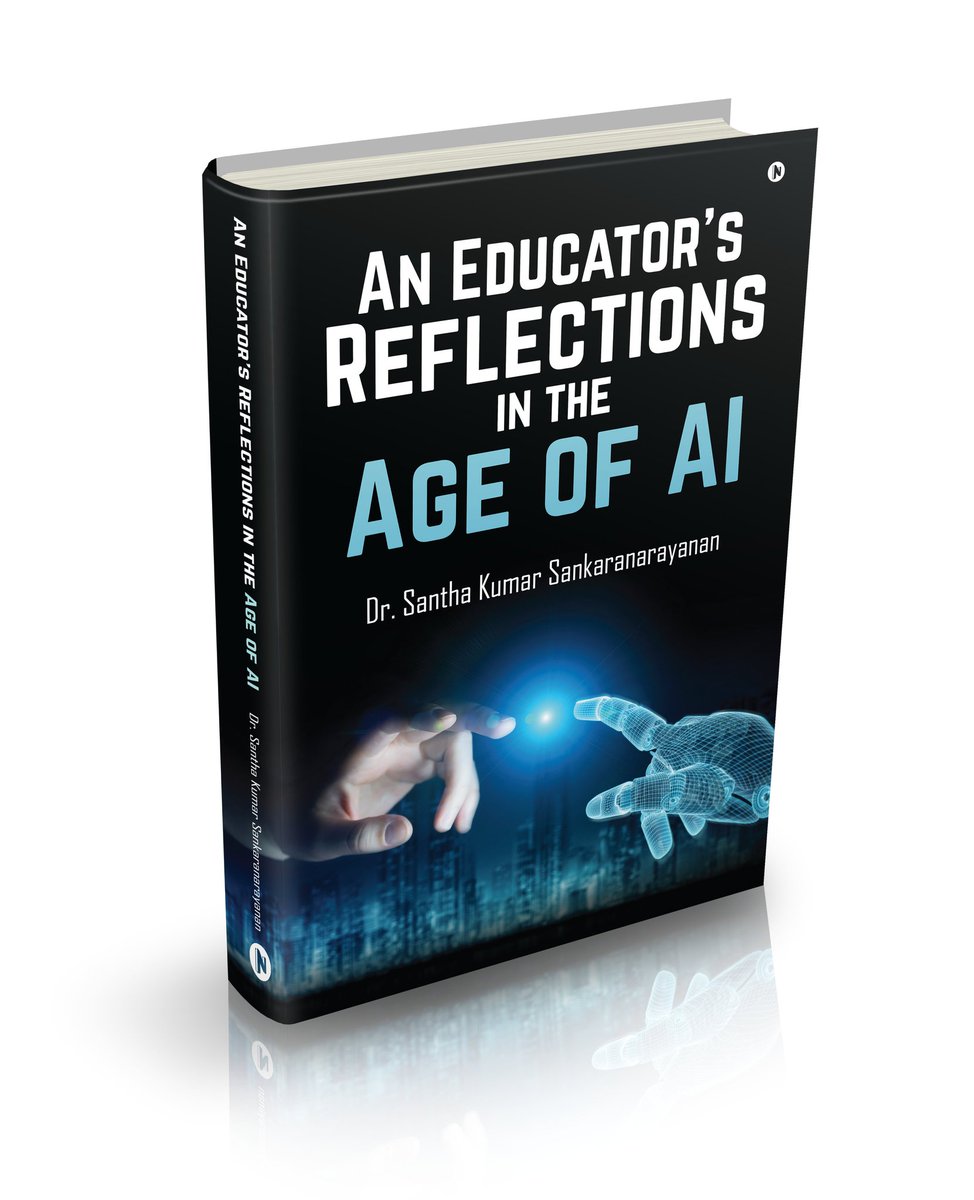
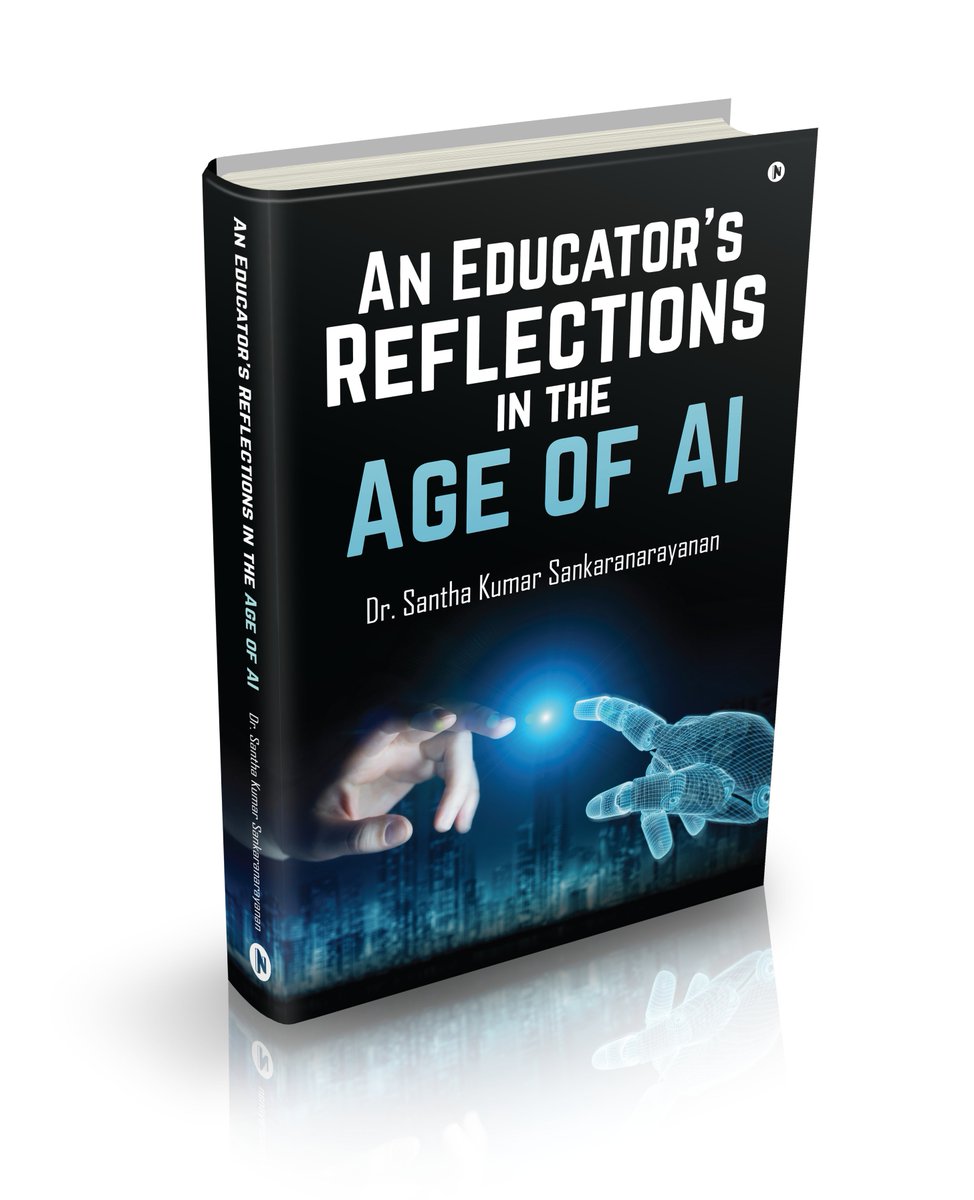
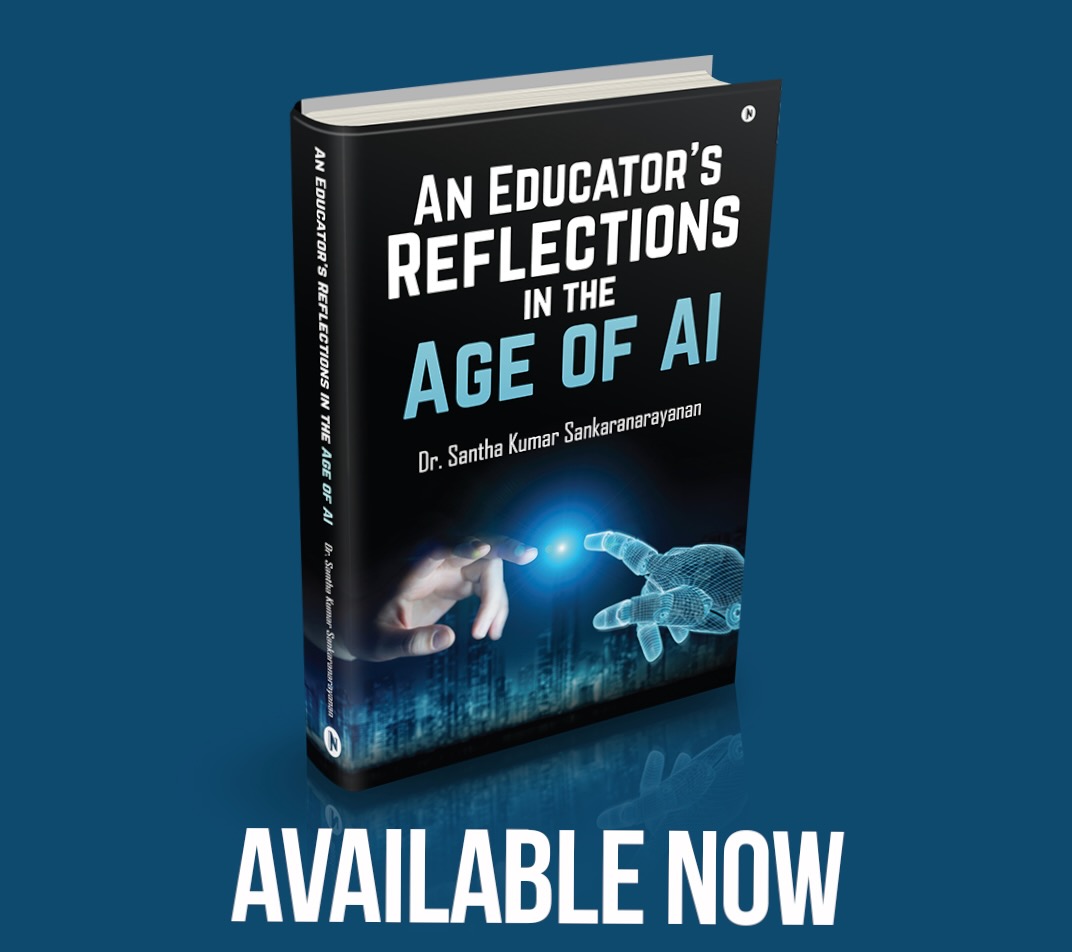
An Educator’s Reflections in the Age of AI explores how educators can navigate teaching, learning, and leadership in the age of intelligent machines.
Let’s continue the conversation.
Now available on https://t.co/zsYmYvWe6O, https://t.co/BC9CXsn9N0, https://t.co/aCn2OKwg7s, and https://t.co/aoE5A5AndQ…
AI is not just another technology in education.
It forces us to revisit fundamental questions:
• What counts as learning?
• How do we assess understanding?
• What remains uniquely human in education?
These reflections shaped my new book - An Educator’s Reflections in the Age of AI invites educators to rethink learning in a world where knowledge is everywhere. Let’s continue the conversation.
Now available on https://t.co/zsYmYvWe6O, https://t.co/BC9CXsn9N0, https://t.co/aCn2OKwg7s, and https://t.co/aoE5A5AndQ…
Education is entering a new era.
AI is challenging how we assess thinking, measure understanding, and preserve the human side of learning.
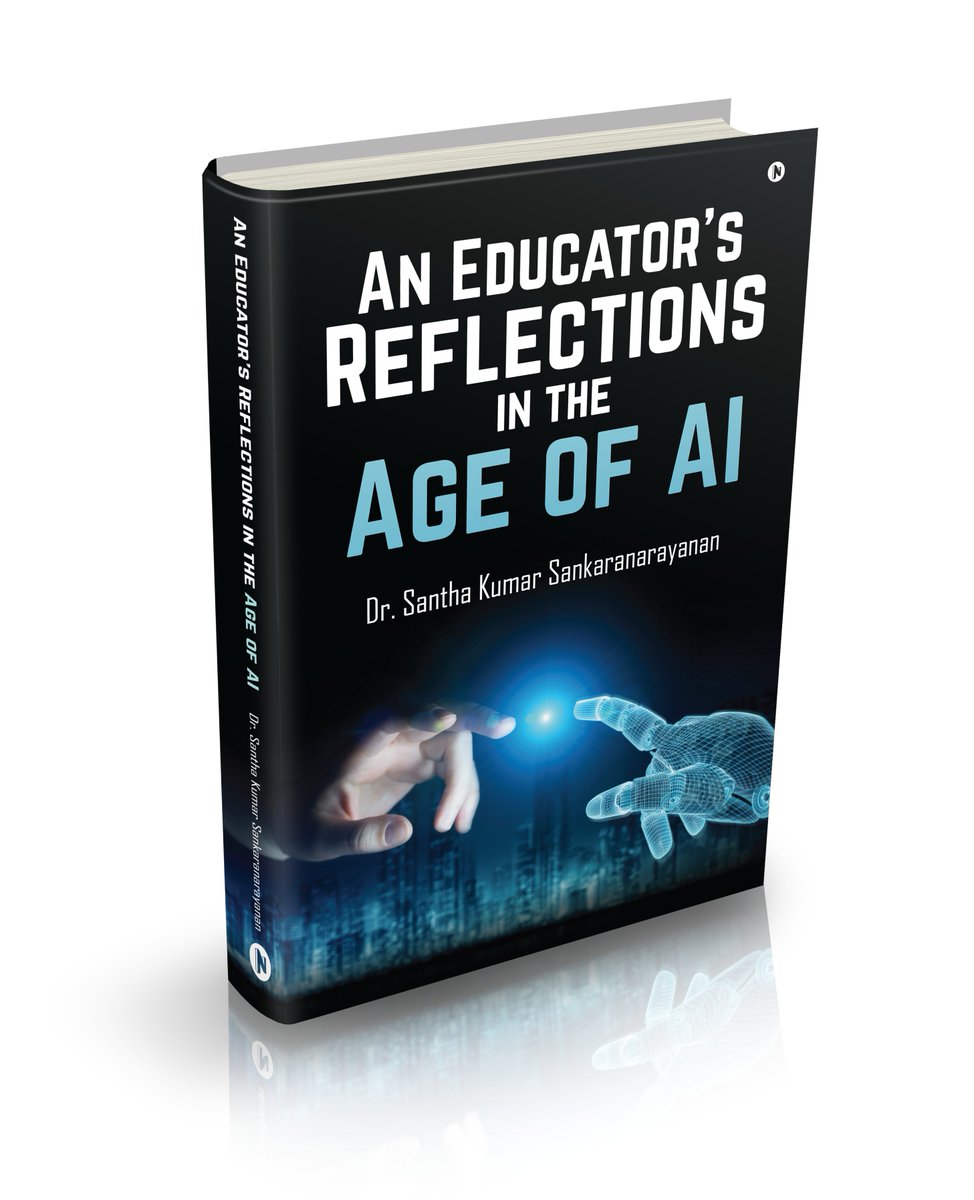
An Educator’s Reflections in the Age of AI invites educators to rethink learning in a world where knowledge is everywhere.
Let’s continue the conversation.
Now available on https://t.co/zsYmYvWe6O, https://t.co/BC9CXsn9N0, https://t.co/aCn2OKwg7s, and https://t.co/aoE5A5AndQ…
AI is forcing education to rethink itself.
Not just new tools.
New questions.
📘 An Educator’s Reflections in the Age of AI invites educators to reflect on teaching, leadership, and learning in this new age.
Let’s continue the conversation.
Now available on https://t.co/zsYmYvWe6O, https://t.co/BC9CXsn9N0, https://t.co/aCn2OKwg7s, and https://t.co/aoE5A5AndQ…
Education is entering a new era.
AI challenges how we:
• assess thinking
• measure understanding
• preserve the human side of learning
📘 An Educator’s Reflections in the Age of AI
Now available on https://t.co/zsYmYvWe6O, https://t.co/BC9CXsn9N0, https://t.co/aCn2OKwg7s, and https://t.co/aoE5A5AndQ…
#EducationLeadership
AI isn’t just another tech trend in education.
It’s an inflection point.
The question isn’t whether we use AI—but how we preserve critical thinking and human learning alongside it.
📘 An Educator’s Reflections in the Age of AI
Now available on https://t.co/zsYmYvWe6O, https://t.co/BC9CXsn9N0, https://t.co/aCn2OKwg7s, and https://t.co/aoE5A5AndQ…
AI is challenging many of our assumptions about teaching and learning. How do we assess thinking? How do we preserve curiosity and humanity in a machine-driven world?
📘 An Educator’s Reflections in the Age of AI — now available internationally.
Amazon US: https://t.co/Lmrh2C6VGh: https://t.co/jFajy55Dr5: https://t.co/r4gk6PtEaE: https://t.co/Mm1Oy9lpga
#AIinEducation #FutureOfLearning
Education is entering a new era.
AI challenges how we:
• assess thinking
• measure understanding
• preserve the human side of learning
📘 An Educator’s Reflections in the Age of AI
Now available on https://t.co/MUh57IBcZ2, https://t.co/JNqxOhlfHX, https://t.co/WXLjKV8MMk, and https://t.co/dUetNC7Vil
AI isn’t just another tech trend in education. It’s an inflection point.
The question isn’t whether we use AI—but how we preserve critical thinking and human learning alongside it.
📘 An Educator’s Reflections in the Age of AI Print edition available worldwide.
AI is changing education forever. The question isn’t whether we use AI—but how we remain human while doing so.
An Educator’s Reflections in the Age of AI asks the questions every educator is now facing. Print edition available worldwide. https://t.co/bFxruAhjVy
What does it mean to teach when knowledge is everywhere, and AI generates answers in seconds?
An Educator’s Reflections in the Age of AI explores the future of learning, leadership, and humanity in education. Now available on https://t.co/bFxruAhjVy
Dear Mr. Narender Modi,
Kindly, treat this post as a serious concern from an Indian who dotes and respects her nation. I have to a great extent given up my attachment to my regional identity as a Kashmiri Hindu whose roots were ripped apart in 1990 because of religious persecution but I will not, at any cost, compromise on my identity as an Indian and a Hindu which is why this post.
You are in your third term which is phenomenal. Your work in infrastructure, science, sports, cultural revival is observable and now it’s time to look RTE right in its face and call it what it is. While minority institutions thrive with protected autonomy, Hindu children grow up institutionally estranged from their own heritage.
My post is in the following 3 sections:
➡️The ills of RTE and what it does to Hindus
➡️ The consequences of this imbalance
➡️ What can be done
1. In India, the minority Institutions have autonomy and the right to establish and administer educational institutions of their choice. This includes the right to teach religious texts, preserve culture, and operate with minimal state interference.
What it means for Hindus: Christian schools teach Biblical values; madrasas teach Islamic theology and jurisprudence often funded or aided by the state, directly or indirectly but we Hindus can’t learn about their itihasa and dharma.
2. Even though our spiritual traditions are diverse and decentralised, Hindu-run schools must comply with RTE norms, cannot deny admission to outsiders under the 25% quota, and cannot legally mandate or prioritise religious instruction.
This is despite the fact that Hinduism, unlike Abrahamic faiths, has no central authority, no formal “church,” and therefore relies heavily on community-level transmission e.g., gurukuls, temple schools, and oral traditions.
What it means for Hindus: Most mainstream schools- CBSE, ICSE, state boards do not teach Hindu philosophy, epics, or rituals beyond superficial cultural references like Diwali holidays, or a Sanskrit shloka in the assembly.
Hindu children don’t formally learn about:
❌ The Upanishads or Vedas
❌ Hindu cosmology or ethics (Dharma, Karma, Moksha)
❌ Regional practices and deities
❌ Philosophical schools like Vedanta, Nyaya, Sankhya
Contrast this with Islamic or Christian institutions where religious texts are part of the curriculum.
3. Many Hindu youth grow up knowing more about Western philosophers or Abrahamic religions than their own. This leads to a vacuum of identity, where Hinduism is either reduced to festivals or viewed through the colonial lens of casteism and superstition.
What it means for Hindus: With no structured value-based curriculum around Hindu ethos, the younger generation lacks intellectual grounding in their heritage.
4. In absence of institutional religious education, Hindu learning is outsourced to spiritual gurus or YouTube videos, some authentic, some not.
What it means for Hindus: This creates fragmentation, misinformation, and a growing disconnect between tradition and modernity.
Now, let’s talk about the consequences of this imbalance.⬇️
@narendramodi@ARanganathan72@ShefVaidya@jsaideepak@davidfrawleyved@prachyam7@SanjeevSanskrit
1/3
Hearty congratulations Mr Annamalai, on the completion of your spectacular innings as TN BJP president! You have raised the bar high in #TNpolitics. God be with you!
@annamalai_k#TNBJP