Stigmatizing HIV from an infamous gay influencer is crazy. Even gay sendiri pun stigmatized the disease by insulting other PLHIV. If that guy is at wrong, kenapa nk kena relate status dia dgn attitude dia? You are equally then brainless.
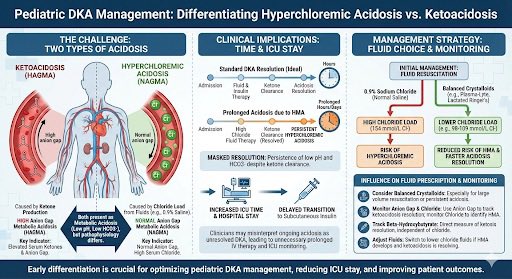
In DKA don’t chase the pH /bicarb
You need to know when ketones have cleared (via direct measurement or anion gap)
Otherwise may end up treating an iatrogenic hyperchloremic acidosis with iv insulin delaying transition to subcut
This is why we go on about balanced crystalloid
🔍 ANA Positive - What Next? (2025 Approach)
ANA is a screening tool, not a diagnosis.
A simple, practical algorithm to avoid over-calling autoimmune disease:
1️⃣ Check clinical context
2️⃣ Look at titer & pattern
3️⃣ Order reflex antibodies
4️⃣ Correlate with symptoms - never by ANA alone
5️⃣ Classify into 3 outcomes
Infographic by Dr. Aravind Palraj
#Rheumatology #MedTwitter @DrAkhilX @IhabFathiSulima #MedicalEducation #FOAMed #SLE
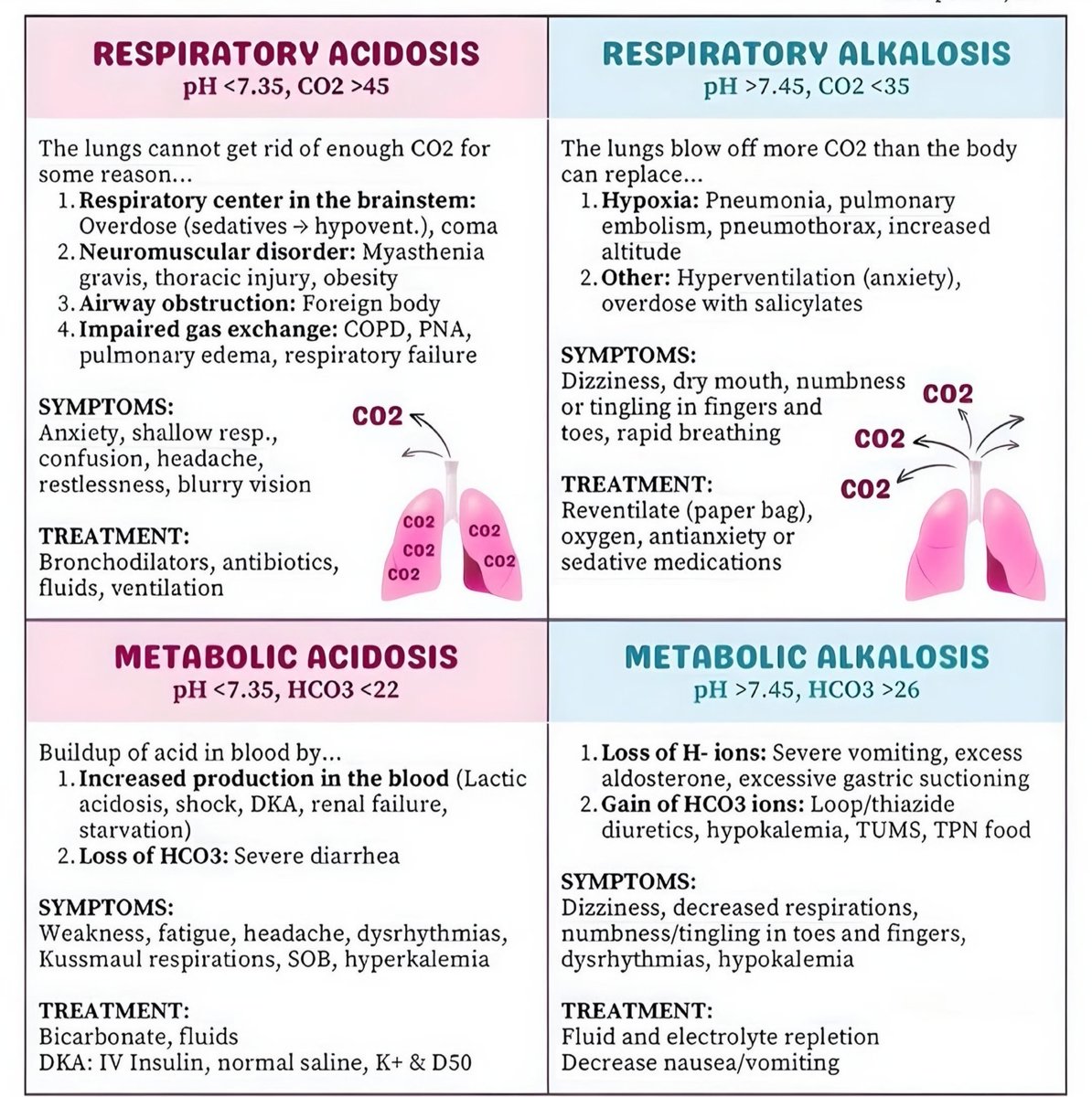
A detailed comparison of metabolic acidosis and metabolic alkalosis, covering their pathophysiology, causes, signs/symptoms, and interventions.
https://t.co/szIdEwR4O4
Understanding electrolyte balance. The body’s electrical language.
Electrolytes such as sodium, potassium, calcium, magnesium, chloride, and phosphate are charged minerals that keep every heartbeat, muscle contraction, and nerve impulse running smoothly. When levels drift too high (-emia) or too low (-penia), even slightly, it can disrupt the body’s electrical stability, affecting the heart, brain, and metabolism.
Here’s how each one works and what happens when balance is lost:
1️⃣ Calcium (Ca²⁺)
Low (Hypocalcemia): Often from vitamin D deficiency, thyroid disorders, or pancreatitis.
🟢 Symptoms: muscle cramps, tingling, or spasms.
High (Hypercalcemia): Seen in bone cancer, hyperparathyroidism, or long immobilization.
🟢 Symptoms: fatigue, kidney stones, arrhythmias.
2️⃣ Potassium (K⁺)
Low (Hypokalemia): Due to vomiting, diuretics, or poor intake.
🟢 Symptoms: weakness, cramps, arrhythmias.
High (Hyperkalemia): From renal failure, certain drugs, or cell breakdown.
🟢 Symptoms: heart rhythm disturbances that can be life-threatening.
3️⃣ Sodium (Na⁺)
Low (Hyponatremia): Caused by excess water intake, diuretics, or severe diarrhea.
🟢 Symptoms: confusion, nausea, seizures.
High (Hypernatremia): From water loss, dehydration, or excessive salt intake.
🟢 Symptoms: thirst, lethargy, and in severe cases, brain swelling.
4️⃣ Chloride (Cl⁻)
Low (Hypochloremia): From vomiting, Addison’s disease, or metabolic alkalosis.
High (Hyperchloremia): Seen in acidosis, dehydration, or corticosteroid use.
🟢 Both imbalances affect acid-base balance and blood pH.
5️⃣ Magnesium (Mg²⁺)
Low (Hypomagnesemia): Often from GI loss, alcohol use, or diabetes.
🟢 Symptoms: tremors, arrhythmias, muscle twitching.
High (Hypermagnesemia): From kidney failure or excess magnesium intake.
🟢 Symptoms: weakness, low blood pressure, slow reflexes.
6️⃣ Phosphate (PO₄³⁻)
Low (Hypophosphatemia): Seen with malnutrition, alcoholism, or diabetes.
🟢 Symptoms: muscle weakness, confusion, poor bone health.
High (Hyperphosphatemia): From renal failure or excess intake.
🟢 Symptoms: calcium deposits in tissues, muscle cramps.
7️⃣ Why It Matters
Electrolytes control the body’s electrical and chemical stability. Kidneys, hormones such as aldosterone and parathyroid hormone, and diet work together to maintain this balance.
🟢 Example: Low potassium and magnesium are major causes of irregular heart rhythms, especially in athletes or patients using diuretics.
Electrolyte balance is not just about hydration. It is about electricity. Every nerve impulse, heartbeat, and muscle contraction depends on the precise movement of these ions. Keeping them balanced is one of the body’s most vital and finely tuned survival systems.
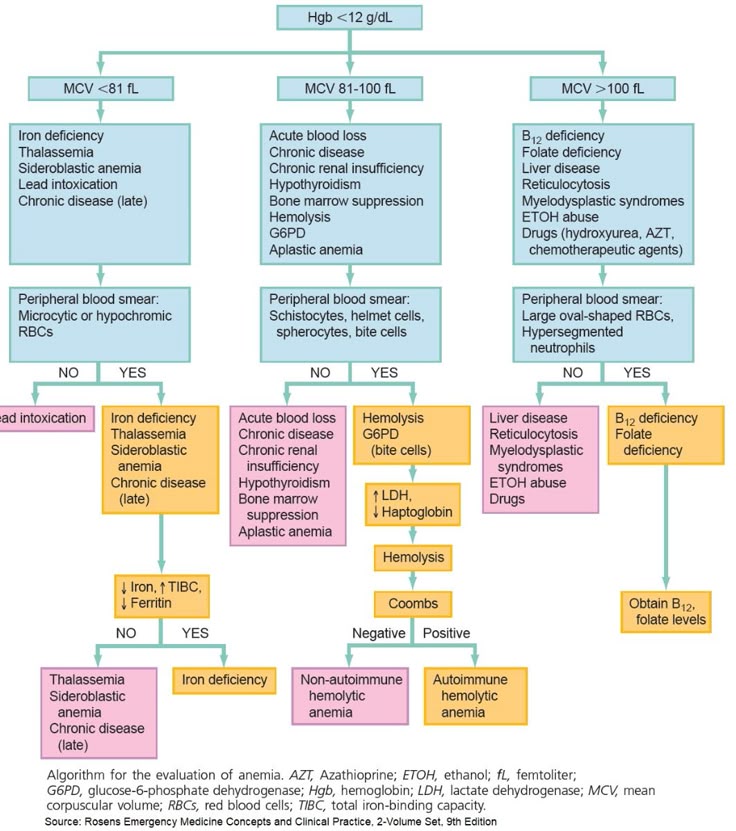
Excellent cheat sheet to revise hemolytic anemia in 2 pages. Here you go residents and fellows. Save, like, share, retweet. Enjoy
#medtwitter#hemolyticanemia