The Food for the heart
Ibn Taymiyyāh says:
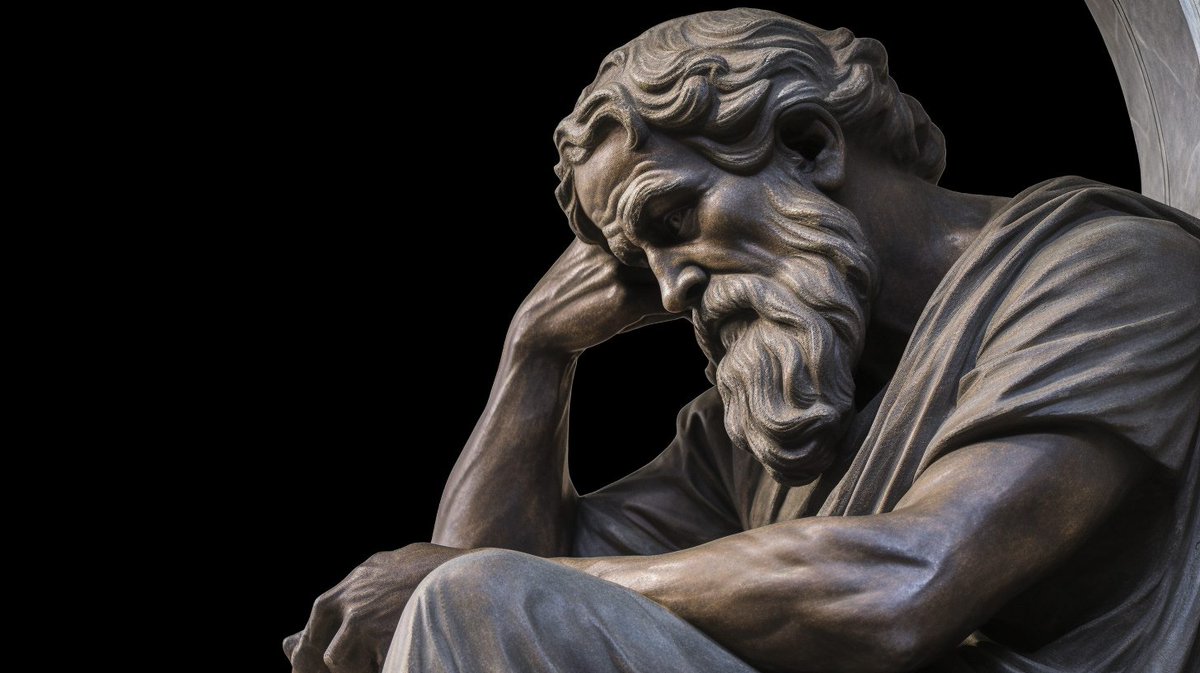
Thus, it has become clear that the heart was only created for the dhikr (remembrance) of Allah, glorified be He. For this reason, some of the early wise men from the people of al-Shām, I think it was Sulaymān al-Khawwāṣ,
we are overstimulated and we don’t even notice. netflix while eating. reels in the bathroom. music while cooking. podcasts on walks. we consume by default, not by intention. you keep filling every gap, then wonder why you feel foggy and unmotivated. boredom and silence are the real growth drivers. they give you space to think and create. that’s when solutions show up for problems that have been stuck for months. leave some room
Sidrat al-Muntaha, the lote tree of the utmost boundary, beyond which none can pass. The Prophet (S) described it as being covered in "colours which he didn't know & none of the creation of God could describe its beauty"
There everything stops, the outermost boundary.
“If you see a man belittling the people of hadith, know that he is a heretic.” ~ Abu Zurʿah al-Razi (d. 264 AH)
إِذَا رَأَيْتَ الرَّجُلَ يَنْتَقِصُ أَصْحَابَ الْحَدِيثِ فَاعْلَمْ أَنَّهُ زِنْدِيقٌ
🧵
1 Ibn Taymiyya was rejecting specific metaphysical and epistemological assumptions. Hallaq, whom I like, generalised in places but there are more fundamental issues either his criticisms.
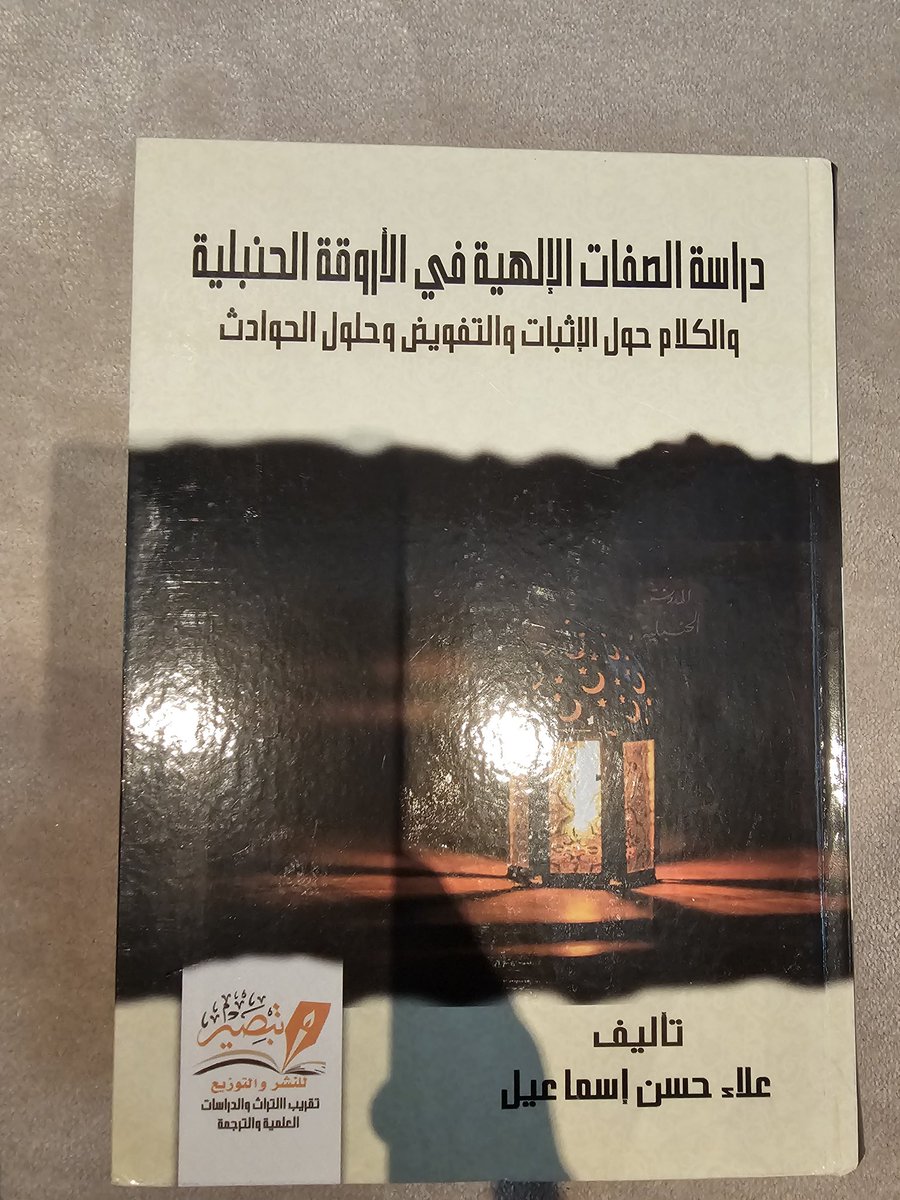
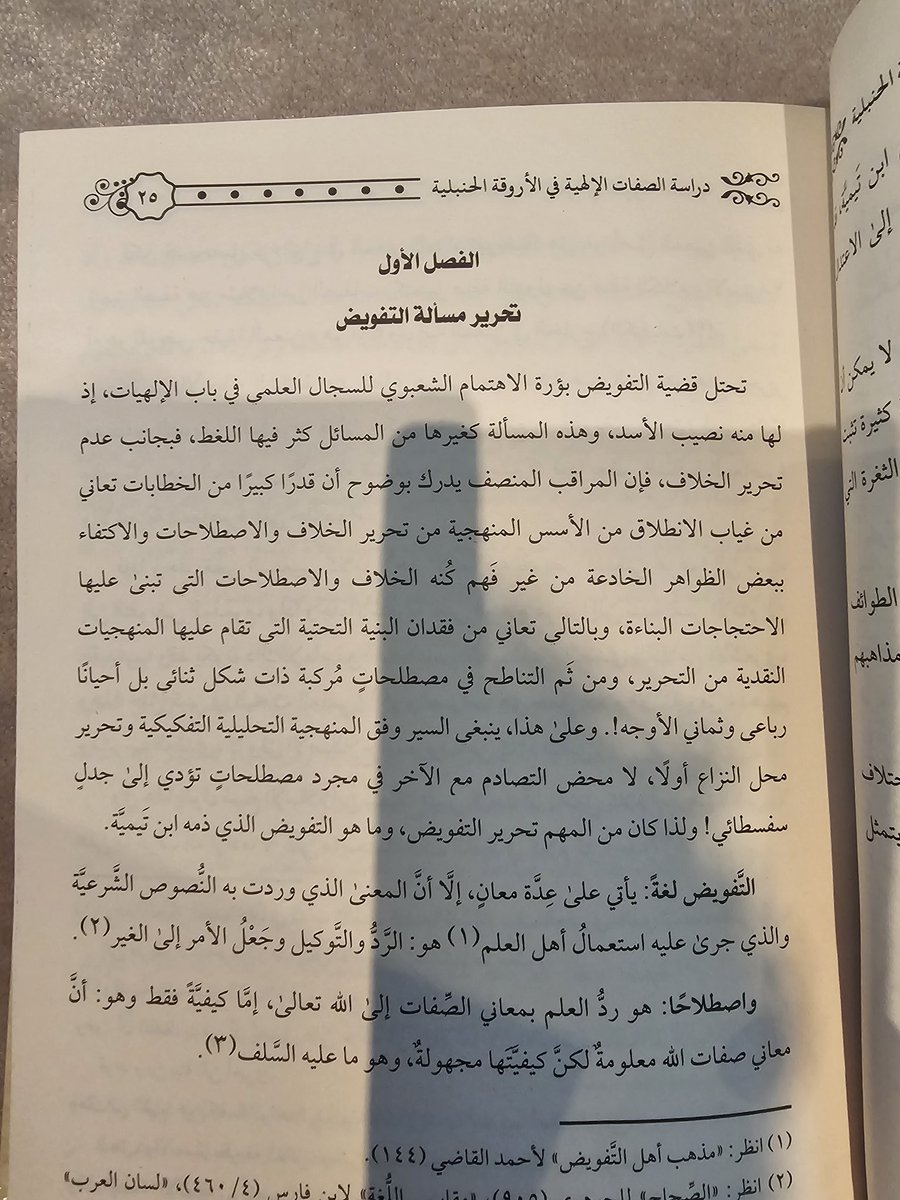
1/2 One of the major causes of confusion and accusation in contemporary theological discourse is the failure to properly define the point of dispute. Many discussions suffer from terminological ambiguity and from using expressions detached from their original scholarly meanings.
Ibn Taymiyyah was once asked: "Where are the people of truth."
He replied: "Either under the earth, in prison or in the battlefield."
[كتاب الايمان ص ٤٤]
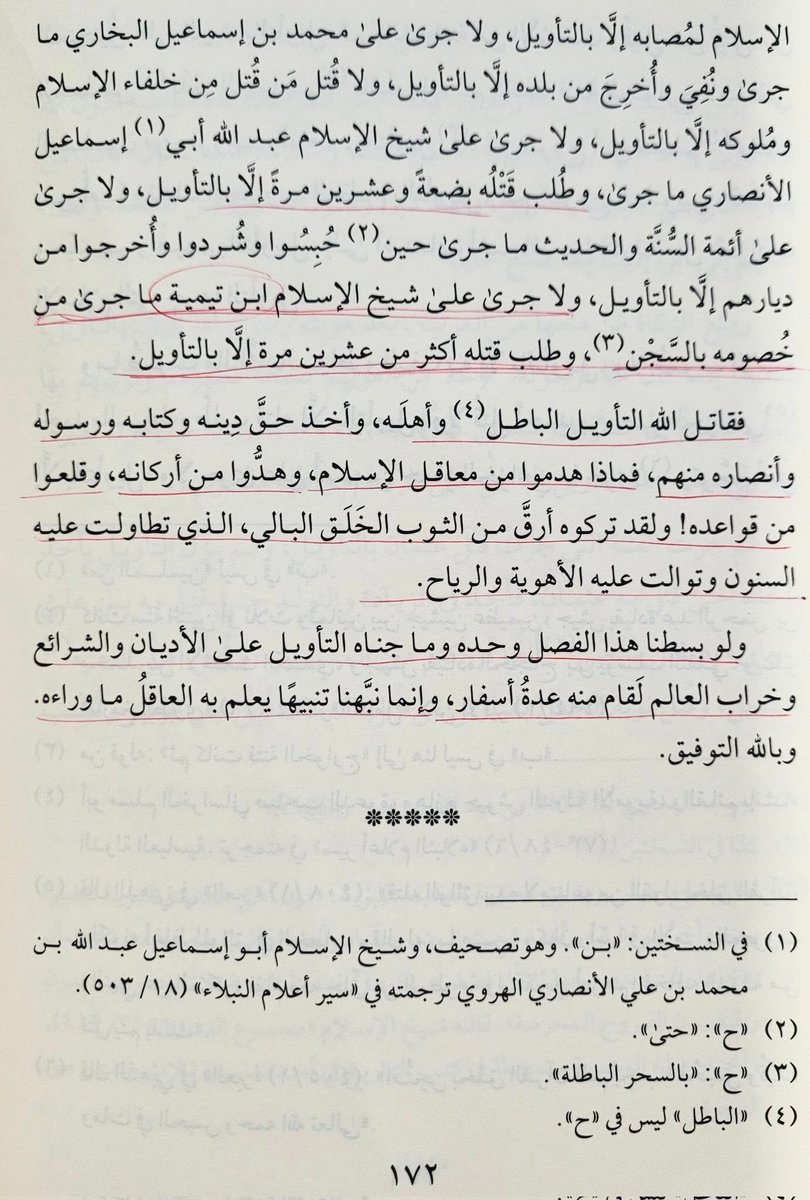
After mentioning the doubts and confusion philosophers and Kalamists have, Ibn Taymiyyah said:
"If this is the state of their arguments, then what greater nonsense, and futility could there be?! How could such people deem themselves fit to criticize Ahl al-Hadith wa Sunnah—
1/4
Is the existence of evil a problem for theism as modern atheists wish to believe, or is it a significant issue for atheism itself? I delve into that in my recent paper: The Problem of Evil Revisited: From Nietzsche to Ibn Taymiyyah.
Read / download on https://t.co/c52JOySPQR
There are several early Islamic inscriptions which mention some of the Prophet's Companions. Let's take a look at some of the inscriptions which can be dated to the 1st century AH. 🧵