🚨 Clinicians:
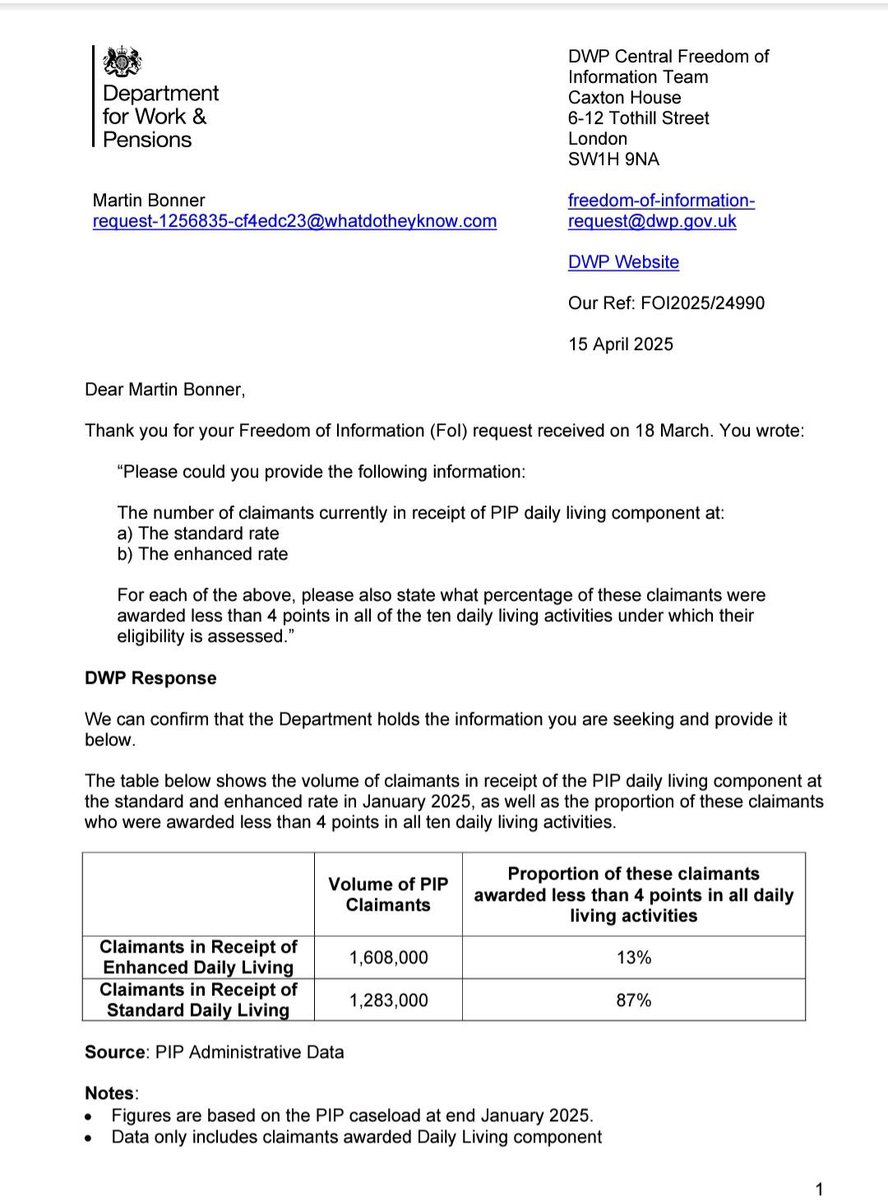
The government plans to cut billions from disability benefits.
We’re already seeing the consequences — patients in anguish, carers pushed to the edge.
Please sign + share this open letter. Our voices carry real weight — let’s use them.
https://t.co/hegUlKkPXh
Kendall has an annual salary of around £160,000...plus all those expenses MPs claim on top of that. Set to rise shortly too.
Yet she accuses benefits claimants, living on a pittance, of "taking the Mickey".
I think we all know exactly who is taking the Mickey here...
I see the devastating effects of poverty on health,particularly for disabled individuals and children.Sustainable,fair solutions should prioritize wellbeing over harmful cuts.Exploring alternative revenue options could help protect the most vulnerable,ensuring a more just society
Instead of slashing welfare and disability benefits — forcing more disabled people and children into poverty — the government could introduce a 2% tax on assets over £10 million.
It would raise £24 billion — five times the savings from these cuts.
This is austerity 2.0.
If policies cannot guarantee that no one will be left worse off, it raises serious ethical and practical concerns. Ensuring vulnerable people have the resources they need should always be a priority.
I asked Liz Kendall if she could say that no disabled person would be left worse off after these cuts.
She could not.
Shouldn't that be enough to realise this is the wrong thing to do?
I recognize the profound impact that austerity and long waiting times have on mental health. Access to timely and effective care is essential, and no one should feel like a burden for seeking the help they need.
Dear @wesstreeting,
More people are diagnosed with mental illness because growing up in austerity increases mental illness rates—then a 2 million-strong waiting list cements disability.
Stop making people who already feel like a burden feel even worse.
Best,
Dr Jay Watts
Choosing to target disabled individuals instead is not just a financial decision; it's a moral one.
As someone who cares for people in their most vulnerable moments, I stand firmly against this.
mobility, and independence.
Healthcare professionals are committed to preserving dignity and promoting well-being, and policies like this undermine those principles. There are always alternatives—fairer taxation, corporate responsibility, and more efficient spending.
mobility, and independence.
Healthcare professionals are committed to preserving dignity and promoting well-being, and policies like this undermine those principles. There are always alternatives—fairer taxation, corporate responsibility, and more efficient spending.
As a nurse, I have seen firsthand the struggles that disabled people face every day. Cutting £5-6 billion from their support isn’t just "tough but necessary",it’s devastating.These are real people, not numbers on a budget sheet. Many rely on this support for essential care...
As a nurse, I have seen firsthand the struggles that disabled people face every day. Cutting £5-6 billion from their support isn’t just "tough but necessary",it’s devastating.These are real people, not numbers on a budget sheet. Many rely on this support for essential care...
Labour say slashing £5-6B from disabled people is ‘tough but necessary.’
It’s not. It’s a choice.
The choice to protect corporations over disabled people.
The choice to sacrifice lives instead of raising taxes on the wealthy.
They want to do this in our name.
Not in my name.