I read a lot in my free time, all kinds of stuff, and when I come across something I really like I usually end up sharing it somewhere.
This weekend it was a children's book — one of those emotional-literacy picture books for kids, called 《我可以!》 ("I Can!").
Recorded myself reading it in Chinese on TikTok. The whole point of it is basically: whatever you're feeling is fine. Scared, angry, jealous, proud, none of it's wrong. Every page pairs a feeling with something the kid can say to themselves about it, plus a little breathing bit in there too.
What got me is the idea isn't "stop feeling that way," it's "you're allowed to feel it." If kids actually grow up believing that, they probably end up a lot better at living with their emotions later instead of fighting them.
Honestly I think I needed this book more than the three-year-old it's written for.
Curious what everyone else has been reading lately, drop your favorites below.
Also posting the readings on TikTok if you want to follow along.
我平时挺爱看书的,什么类型都看,遇到觉得好的会忍不住想分享出来。
这个周末读的是一本儿童书——那种给小朋友做情绪启蒙的绘本,叫《我可以!》,用中文录了下来发在TikTok上。
这本书的核心意思就是:不管你当下是什么感觉都没问题,害怕、生气、嫉妒、骄傲,都不是错事。几乎每种情绪都有对应的一页,配一句小朋友可以说给自己听的话,中间还穿插了一小段呼吸练习。
我觉得挺好的一点是,它讲的不是"别再有这种感觉了",而是"你可以有这种感觉"。小孩从小就接受这个观念,长大以后大概率更能好好跟自己的情绪相处,而不是一直在压抑或者对抗。
说实话,这本书我这个大人可能比那个三岁小孩更需要。
大家最近在读什么书,也可以分享一下。
也同步发在TikTok了,感兴趣可以去看。
Had a mock interview today with a senior engineer, and walked away with more than I expected.
We covered behavioral questions (his feedback on "introduce yourself": keep it short, hit the point, structure it as bullet points, polish it with strong keywords), algorithm concepts, and three system design cases — a login flow, a payment system, and a shopping page favorite/star interaction with real-time feedback. We got into caching layers, sync vs async tradeoffs, microservices vs monorepo, and how to ask good clarifying questions in an interview.
He said I did well across the board — and the one thing worth sharpening next is turning what I already know into a sharper, more compelling story when I speak about it.
One thing he said stuck with me: in a market this competitive, talent isn't the differentiator anymore — consistency is. The people who keep showing up and keep building are the ones who make it through.
We even whiteboarded a few of the system designs together — sharing a snapshot below.
今天跟一位资深工程师做了一场mock interview,收获比我预期的多。
我们聊了行为面试题(他对"介绍一下自己"的反馈是:回答要简短、抓重点、用bullet point结构化、用强关键词打磨)、算法概念,还有三个system design案例——登录页设计、支付系统设计,以及购物页面收藏功能(点亮星标、实时反馈)。中间讨论了缓存层、同步vs异步的取舍、微服务vs monorepo,还有面试里怎么问出好的澄清问题。
他说我整体表现得很不错——接下来值得打磨的一点,是把自己已经掌握的东西讲得更精炼、更有说服力。
他说的一句话让我印象很深:在这么卷的市场里,天赋已经不是决定性因素了——坚持才是。那些持续出现、持续在做的人,才是最后走到终点的人。
我们还一起画了几个system design的图,附一张截图。
My career path hasn't been linear.
When I first came to Australia, one thing I wanted was simple: to become a better version of myself.
Looking back, I think I have.
I spent five years studying Pharmacy before realising it wasn't for me. I moved into education, then came to Australia to study Data Analytics — where I was first introduced to coding.
My path into software engineering wasn't straightforward either. During COVID, studying and job-hunting were tough, so I relied on self-study. After graduating, I taught myself to code from scratch and landed my first opportunity in IT.
I'm grateful to my first team for believing in me and giving me space to grow. That experience shaped who I am as an engineer today.
But there was another challenge:
Imposter syndrome.
I often underestimated myself and hesitated to put myself forward for opportunities beyond my comfort zone.
"Maybe I'm not ready yet."
Eventually, I realised waiting to feel ready was holding me back.
So I started challenging myself — not just by learning, but by building, sharing and giving back.
I built AI-powered projects around books and personal knowledge, and created AU Council Explorer to bring council and community info together for new migrants.
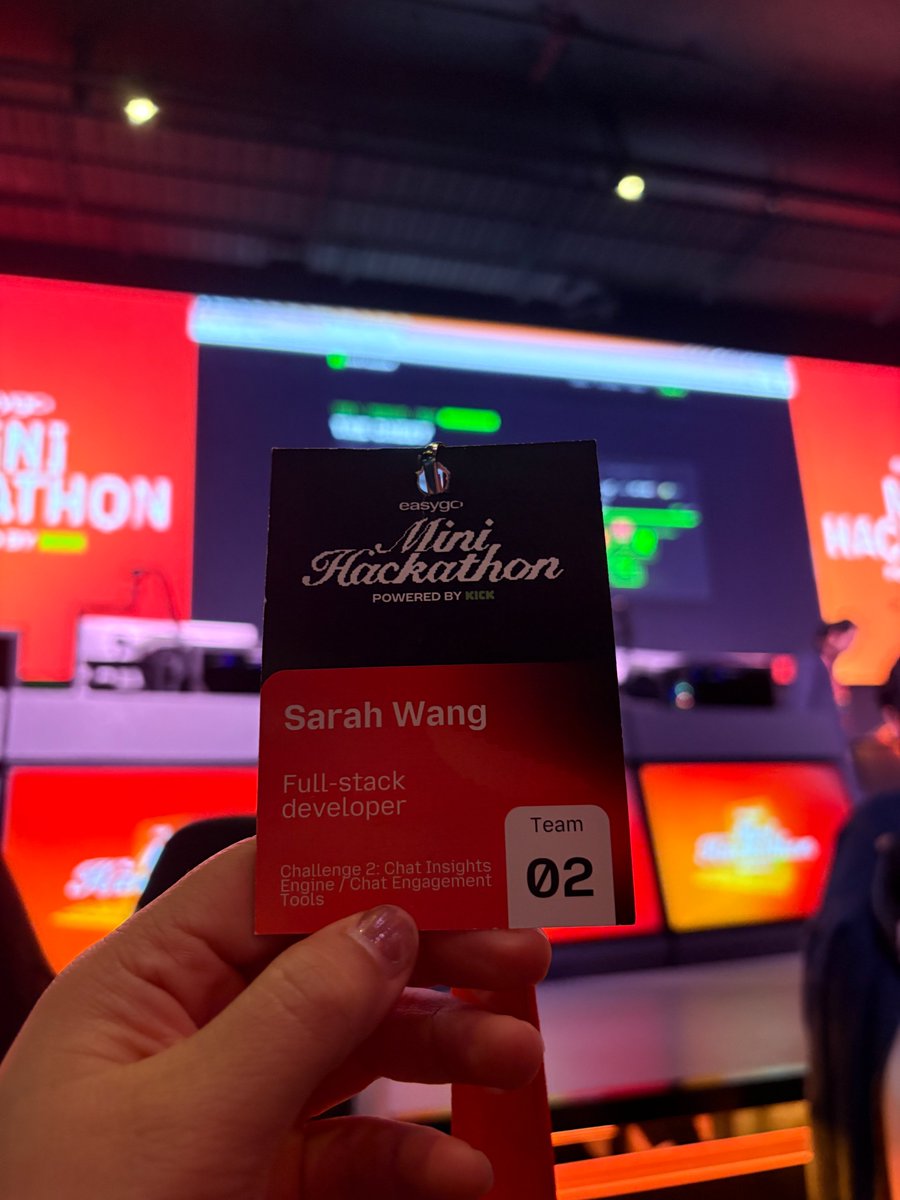
I took part in hackathons, including the Easygo Mini Hackathon, and recently shipped my own Chrome extension for bookmark organisation.
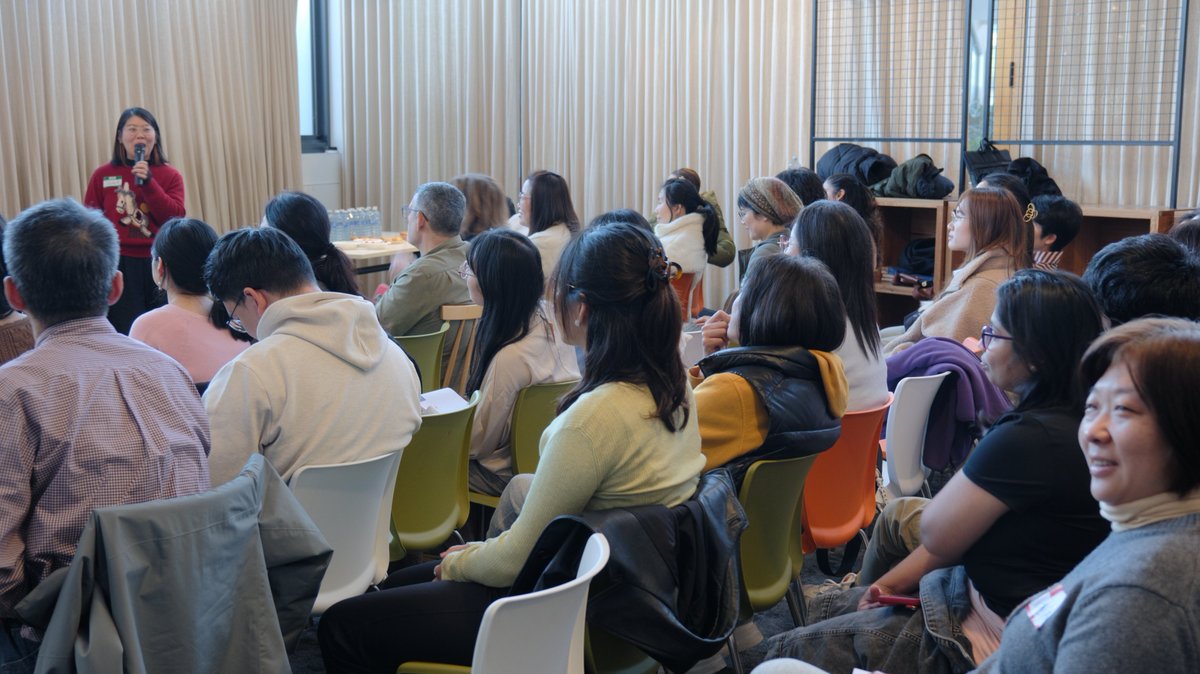
I also grew within the Make AI Practical community — from attendee, to volunteer, to speaker.
I've mentored students through the RMIT STEM Mentoring Program — meaningful because I remember navigating a career change without a clear roadmap.
I've also started writing about my learning on Medium.
These experiences taught me:
Confidence doesn't always come before the leap. Sometimes it comes because you took it.
My full-stack background gives me a strong foundation for building AI-powered products end-to-end, and I've realised I genuinely love turning ideas into technology that solves real problems.
Those earlier years in education and client-facing roles gave me something else I didn't expect to carry forward: strong communication skills — explaining technical ideas clearly, whether I'm pitching a project, mentoring a student, or speaking to a room of non-technical stakeholders.
My timeline may look different from someone else's. But different doesn't mean behind.
I'm now looking for my next opportunity in Full-Stack Software Engineering, with a particular interest in AI Engineering and AI-powered products.
I've been actively applying, but interviews aren't easy to come by in this market. Instead of letting that discourage me, I'm focusing on building my network, learning from experienced engineers, and continuing to build.
I'm hoping to hear from experienced engineers interested in mentorship, system design, and AI engineering.
If you're preparing for interviews and want to practise mock system design, reply below or DM me — I'd love to.
And if you're changing careers or feeling like you're not where you "should" be yet:
Please keep going. Your path doesn't have to be straight.
I'd love to hear your story — what helped you find your direction?
#CareerChange
Found a genuinely useful agent skill and sharing: last30days
/last30days <topic> sweeps Reddit, X, YouTube, HN, Polymarket, GitHub, arXiv in parallel — scores everything by real engagement, not editorial pick. Zero config to start, no API key needed.
https://t.co/a7xjtvknEU