‘Echoes from a Vanished Court - Testimony of an Old Sikh Woman (1907)’ by @Kharagket_.
An oral account of life and ritual in the Sikh Empire: The 1907 testimony of Mai Satnamo as recorded by Karam Singh Historian.
🔗 https://t.co/2I4pb5gD9z
Anyone who’s actually read some of the Dasam Granth knew this was coming: once modern Sanatanis realize its contents are not quite in line with their beliefs, it’ll be rejected as a “British conspiracy” and its believers will be termed “McSikhs.”
Photograph of a beautiful taus instrument from Lahore, likely constructed during Sikh-rule. It was obtained by Fedor Jagor, who visited the area in 1859 shortly after the annexation of the Sikh kingdom. State Museums of Berlin, Ethnological Museum, Susanna Schulz (no. I C 5629 a)
“Had the majority of our countrymen been Muslims with Islamic fervour, or Hindus with Gandhian attitude of non-violence as a principle of policy, instead of Sikhs, would there have been a “Gadar Party Laher”?
-Bhagwan Singh ‘Gyanee,’ president of the Gadar Party from 1914-20.
“When Sher Singh entered Lahore (after Chand Kaur’s abdication in January 1841), he summoned the Gangayi Regiment and rewarded the troops with golden karas and kainthas for their loyalty. After assuming the throne, he ordered a purge of unruly elements, which was carried out over the course of seven days. On the eighth day, peace was declared, and a prayer of thanksgiving was offered, followed by the distribution of karah parshad. Sher Singh cared deeply for his men and his people. Lawlessness and thievery were swiftly quelled, restoring order to Lahore.”
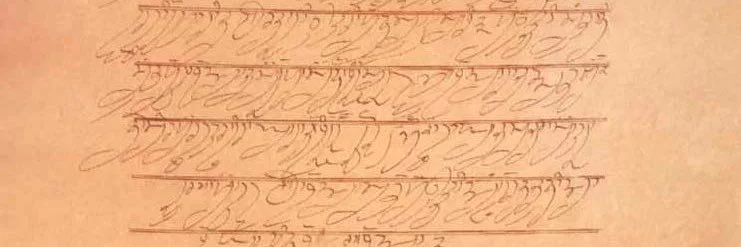
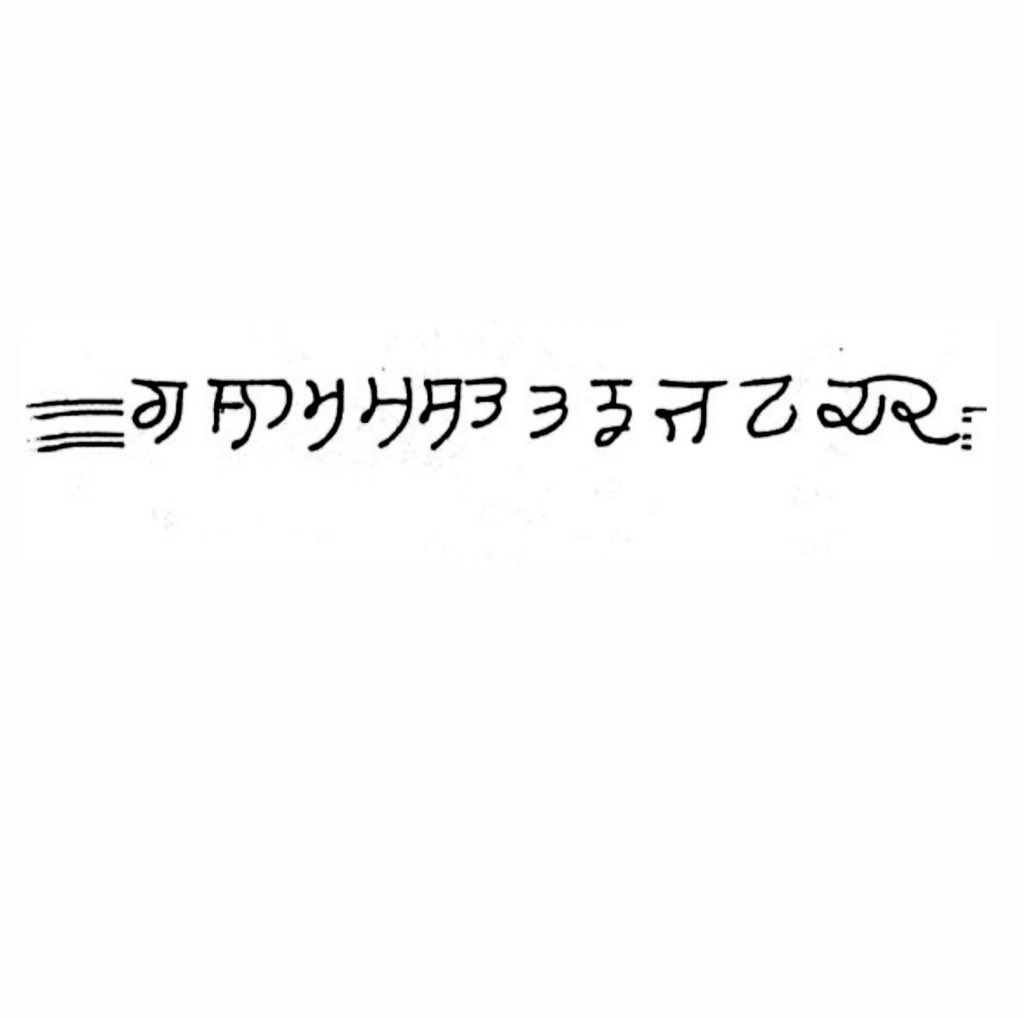
Signature of Guru Ram Das Ji found in Baba Mohan’s second Pothi (Image 1), now preserved in Pinjore, Haryana. It reads: “ਗੁਲਾਮ ਮਸਤ ਤੈਂਡਾ ਜੇਠ ਚੰਦ” (Ghulām Mast Taindā Jeth Chand), translated as - “Your humble and ecstatic servant - Jeth Chand,” denoting the young Jeth Chand’s devotion and humility towards Guru Amar Das Ji.
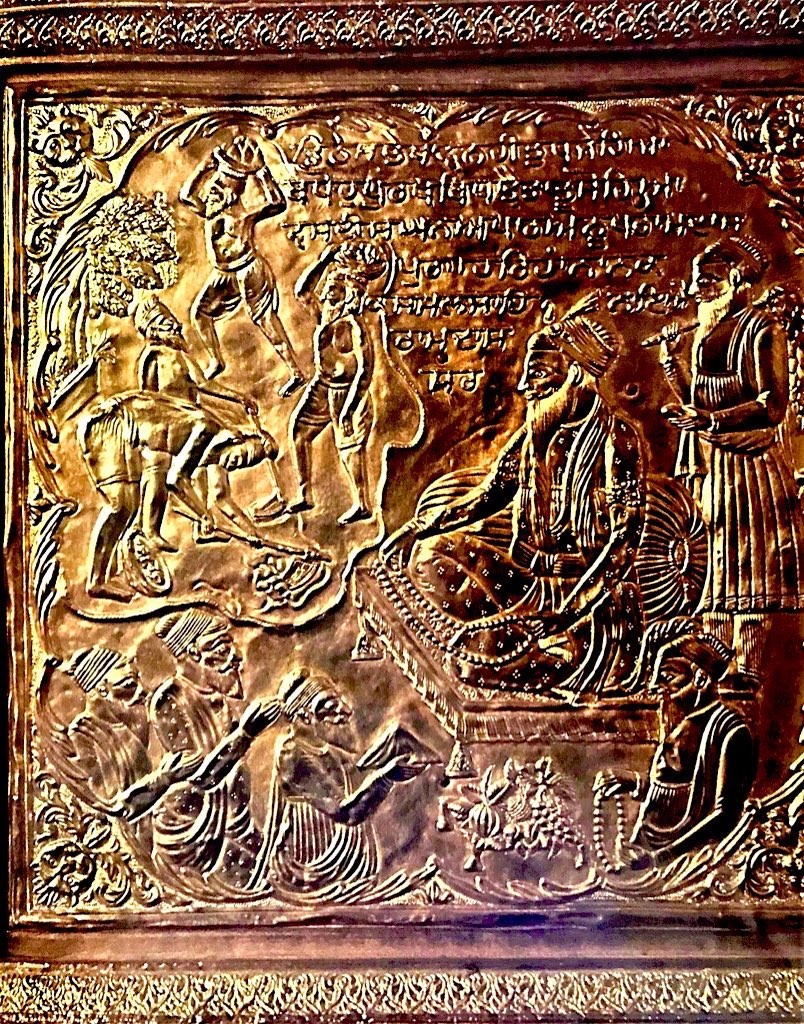
Repoussé plaque of Guru Ram Das Ji (Image 2) overseeing the expansion of the pond at Guru ka Chak (later the sarovar of Sri Darbar Sahib). Early 19th-century gold relief from one of four gilded doors, now in the Toshekhana of Sri Darbar Sahib, Amritsar.
Legacies of the Khalsa, from the Misl Khalsa to the Babbar Akali:
ਧੰਨਿ ਜੀਓ ਤਿਹ ਕੋ ਜਗ ਮੈ ਮੁਖ ਤੇ ਹਰਿ ਚਿਤ ਮੈ ਜੁਧੁ ਬਿਚਾਰੈ ॥
In this world, blessed is he who recites 'Hari' and in his heart contemplates war.
- Guru Gobind Singh, Avatar Krisan, Dasam Granth.
The Chaupa Singh Rehatnama (among other offenses) condemns the Sikh who “invites another Sikh to dine and then forgets [about the invitation which he has issued].” (McLeod, 1987 at 176).
@ThethPanjabi Hard to tell from just pictures but it looks to me like the left was scribed with a fountain pen and the right with a ball-point, the script of the right one looks like an attempt at a forgery of guru Gobind Singh’s nishan, highly doubt they’re authentic